India · State of Gujarāt
Where to Stay in Khambhāt, State of Gujarāt
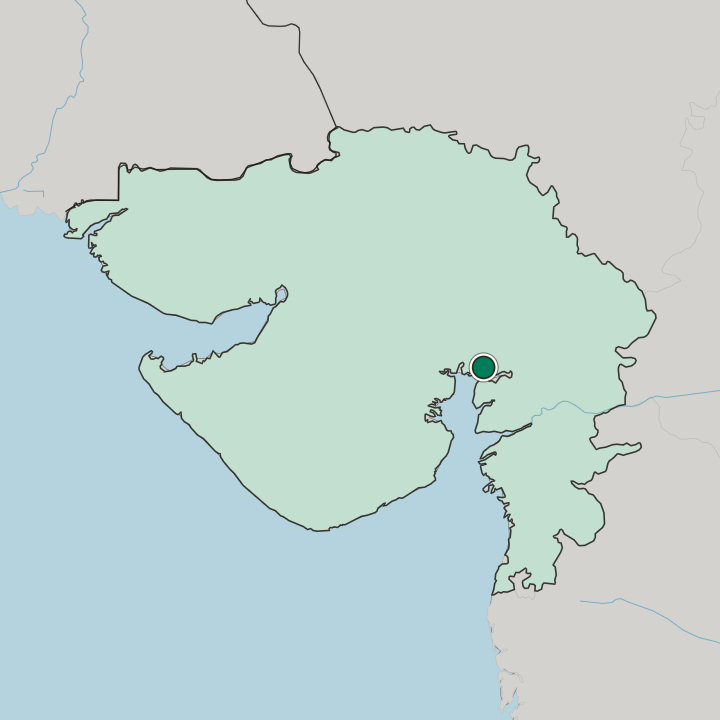
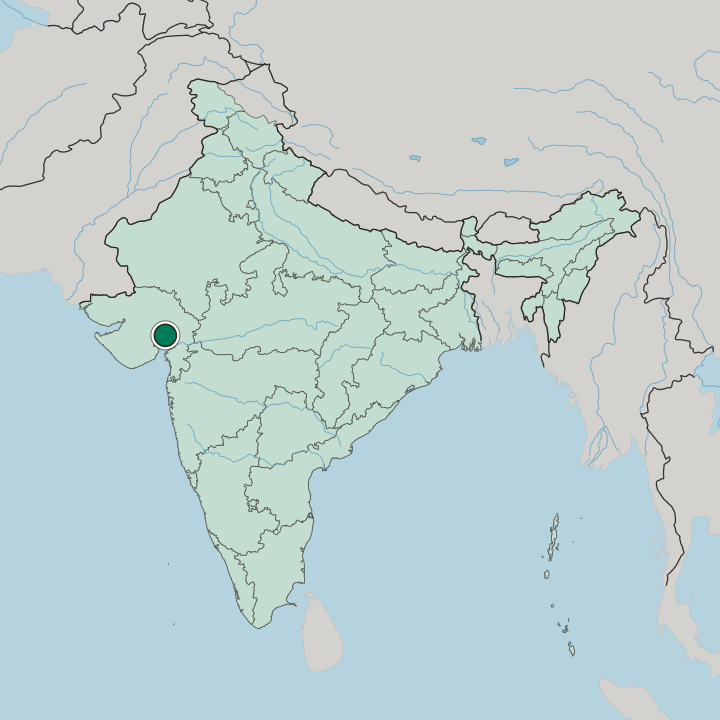
Khambhāt, once known as Cambay, stands at the inland end of the Gulf of Khambhāt in Anand district, Gujarat.
Hotel links are affiliate links: booking through them may earn us a commission, at no extra cost to you. It never affects how places are ranked. How this works


Where to stay in Khambhāt
Where visitors usually base themselves, and why.
Khambhāt is a one-base town. Anand district holds larger and better-supplied centres, but a visitor who has come for the akik work, for the sweets, or for the tides has no reason to sleep anywhere except in Khambhāt itself, within reach of the streets where those things are made and sold. The old harbour ground is the alternative.
It lies toward the water, quieter than the trading streets, and it puts the head of the Gulf of Khambhāt close by when the tide turns. Expect a working town rather than a resort. Rooms here answer to trade rather than to tourism, and a plain room in the middle of Khambhāt will serve better than anything further out, because the walking distances that matter are short.
Cambay is the name older printing uses. If you want the tides, take a room on the side of town that faces the gulf, and time the visit to the water rather than to the clock. Nothing is arranged for arrivals by sea: Surat took that trade, and the approach now is entirely overland.
Halvasan and sutarfeni are bought fresh, so a central bed also buys the shorter walk back with them.
Find hotels in Khambhāt
Direct booking searches for these neighbourhoods.
Khambhāt trading streets
The town's sweet-makers, akik workers and kite sellers keep to one walkable stretch of Khambhāt.Find hotels in Khambhāt trading streetswatching the tide at the head of the Gulf of KhambhātOld harbour ground
Ground toward the silted harbour trades the trading streets for the gulf's rise and fall. Rooms are few around here — worth securing early.Find hotels in Old harbour groundHotel links are affiliate links: booking through them may earn us a commission, at no extra cost to you. It never affects how places are ranked. How this works
About Khambhāt
Sweets, stone, and kites.
What is Khambhāt known for?
Khambhāt's name attaches to halvasan and sutarfeni among sweets, to akik stone, and to patang, the kites the town is identified with, alongside sources of oil and gas. Its older business was shipping. The harbour that made the place an important trading centre silted up, the maritime trade moved to Surat, and what remains is a town whose standing rests on craft and produce rather than on cargo.
What are the main landmarks in Khambhāt?
The tide is the sight. Twice a day the head of the Gulf of Khambhāt fills and empties against the town, and the range near Khambhāt can reach thirty feet, a movement large enough to remake the shoreline between one visit and the next. The silted harbour is the other.
What was once an important trading port is ground the sea has withdrawn from, and the akik workshops and sweet counters stand in for the monuments the town does not advertise.
What is the history of Khambhāt?
Khambhāt was once an important trading centre. Ships worked the head of the Gulf of Khambhāt while the water still reached the town, and the port drew the commerce that gave the place its standing under the name Cambay, which is the form that outlasted it in print. Then the harbour filled.
Silt arrived faster than it could be cleared, the approach shallowed, and the maritime trade that had made Khambhāt moved to Surat, leaving the town with its crafts and its plain. The plain is alluvial, laid down by the same slow process that closed the harbour. Khambhāt's later life ran on what could be made rather than on what could be shipped: halvasan and sutarfeni from its kitchens, akik stone from its workshops, and patang kites from its makers.
Oil and gas came later from the ground around it. Nothing replaced the harbour. Surat kept the shipping and Khambhāt kept the crafts, an exchange that fixed the character of both towns, and Anand district has administered the result ever since within the Indian state of Gujarat.
Where is Khambhāt?
Khambhāt sits on an alluvial plain. The ground runs flat to the north end of the Gulf of Khambhāt, which is noted for the extreme rise and fall of its tides, varying near the town by as much as thirty feet. Anand district holds it.
Inland from the gulf head the same flat plain continues, so the change from farmed ground to tidal water happens without any rise in the land.
What is the climate of Khambhāt?
The gulf sets the terms. Khambhāt lies in the tropical band, and a town at the head of the Gulf of Khambhāt takes its heat with the sea's moisture attached, which is what makes the hot months feel heavier here than the figures alone suggest. Dry months and wet months divide the year.
How do you get to Khambhāt?
Arrivals are overland. The harbour that once brought traffic to Khambhāt silted up, so the sea route that defined the town's early standing no longer serves it, and connections run instead through Anand district and the road network of Gujarat. Surat, not Khambhāt, is where the maritime trade went.
Reaching the town from elsewhere in India means a road approach across the alluvial plain, whatever the first leg of the journey.
Common questions
What is the best area to stay in Khambhāt?
Khambhāt trading streets: akik cutters, halvasan counters and the patang trade. Old harbour ground: watching the tide at the head of the Gulf of Khambhāt.
More cities in State of Gujarāt
Updated September 2026