India · State of Gujarāt
Where to Stay in Pātan, State of Gujarāt
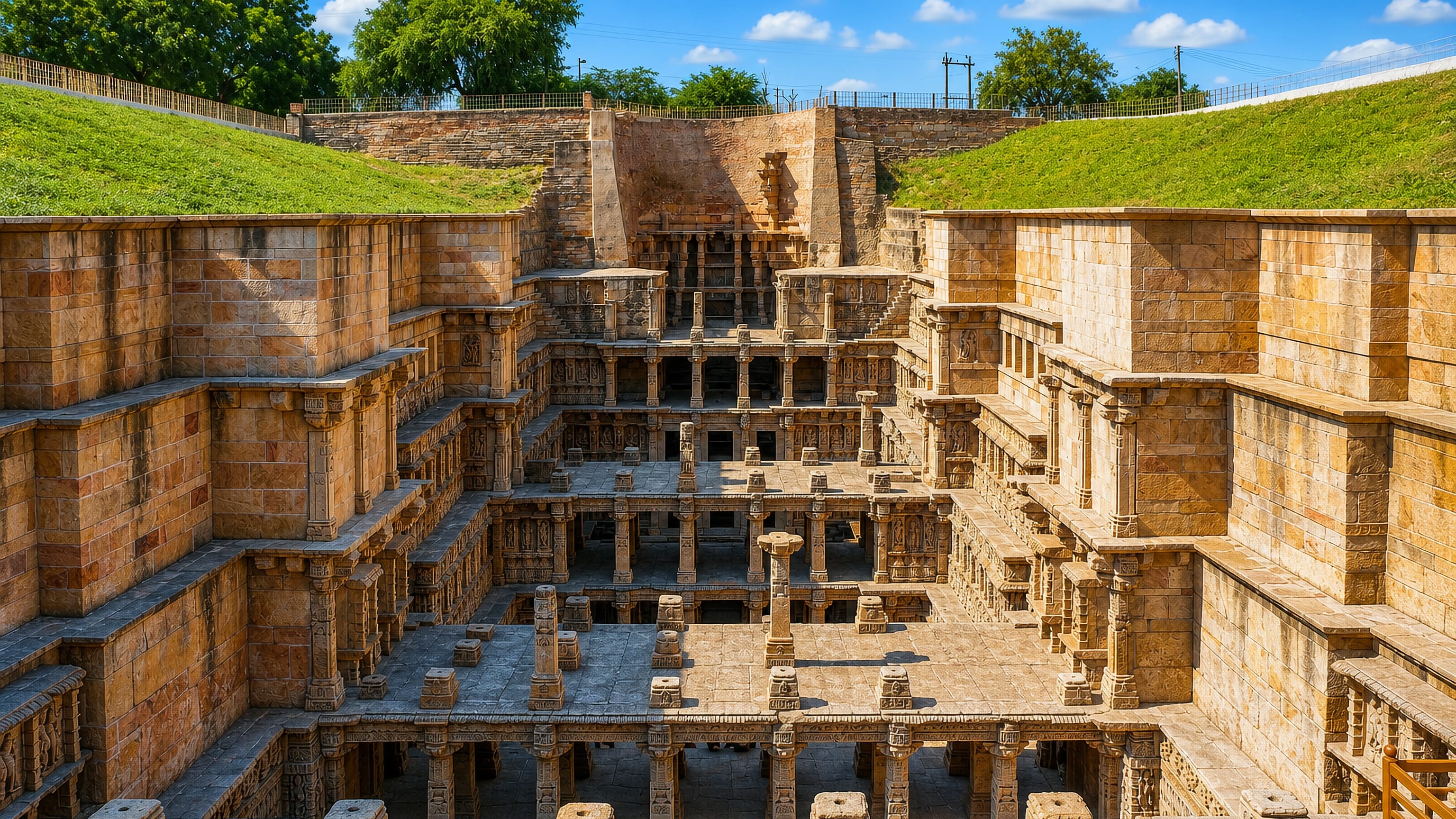
Pātan was the capital of Gujarāt under the Chavda and Chaulukya dynasties, and keeps Rani ki Vav, a stepwell inscribed by UNESCO.
Hotel links are affiliate links: booking through them may earn us a commission, at no extra cost to you. It never affects how places are ranked. How this works


Where to stay in Pātan
Where visitors usually base themselves, and why.
Pātan is a day-trip town for many visitors, and the decision to sleep here rather than move on usually rests on Rani ki Vav and how early you want to reach it. The stepwell rewards an empty morning. Rooms close to it put the descent into Rani ki Vav within a short walk, and the Jain temples that made Pātan a centre of Jainism fall into the same circuit.
That circuit is the reason to stay. Anything further out is a matter of convenience rather than atmosphere, since the older fabric of the former capital is concentrated and the rest of Pātan district asks for a vehicle. Beds in Pātan are modest in number and plain in kind.
The town works as a district headquarters rather than a resort, so what exists follows administrative and pilgrim traffic instead of leisure, which keeps the choice narrow and the standard practical. Plan around that. Travellers wanting a wider range generally base themselves in a larger Gujarāt city and reach Pātan for the day, which works because Rani ki Vav and the temples can be seen in one.
Staying overnight buys the light.
Find hotels in Pātan
Direct booking searches for these neighbourhoods.
Around Rani ki Vav
The stepwell and the temple quarter of Pātan lie close enough that one base covers both on foot.Find hotels in Around Rani ki VavOvernight stops for travellers crossing Pātan district by roadThe Pātan district centre
Rooms by the administrative centre keep the daily services and the road out in the same few streets, at the cost of a walk to Rani ki Vav.Find hotels in The Pātan district centreHotel links are affiliate links: booking through them may earn us a commission, at no extra cost to you. It never affects how places are ranked. How this works
About Pātan
One stepwell carries the name.
What is Pātan known for?
Rani ki Vav is inscribed as a UNESCO World Heritage site, and it is the finest surviving example of its kind in a town that spent roughly 700 years as the capital of Gujarāt. Jainism made Pātan one of its major centres, and Jain temples remain numerous. The town also heads Pātan district, which keeps its administrative weight long after the dynasties that ruled from here disappeared.
What are the main landmarks in Pātan?
Rani ki Vav sets the standard. The stepwell steps down below ground level and carries a UNESCO World Heritage inscription, which makes it the one monument in Pātan that draws visitors from outside Gujarāt. Jain temples account for much of the rest, a legacy of the years when Pātan was a major centre of Jainism.
Historical and architectural monuments run through the older town.
What is the history of Pātan?
Pātan was the capital of Gujarāt for roughly 700 years, first under the Chavda dynasty and then under the Chaulukya rulers who followed them. That is a long tenure. Medieval Gujarāt was governed from here, and the wealth that came with a capital paid for the stepwells, the temples, and the monuments that survive in Pātan.
The Gujarāt Sultanate kept the arrangement briefly, holding its capital at Pātan from 1407 to 1411 before the seat moved elsewhere. The Sultanate moved on. Four years is not much.
What came after mattered more for the character of the town than the dynasties did, because Pātan settled into the role of a district seat and stopped competing for the government of Gujarāt. The change was gradual. Jainism stayed.
The town remained a major centre of the religion, and the number of Jain temples in Pātan still reflects centuries in which patronage flowed toward them. Rani ki Vav outlasted all of it. Its inscription as a UNESCO World Heritage site came long after the court left, and it is the reason Pātan district is known outside Gujarāt for something other than administration.
Where is Pātan?
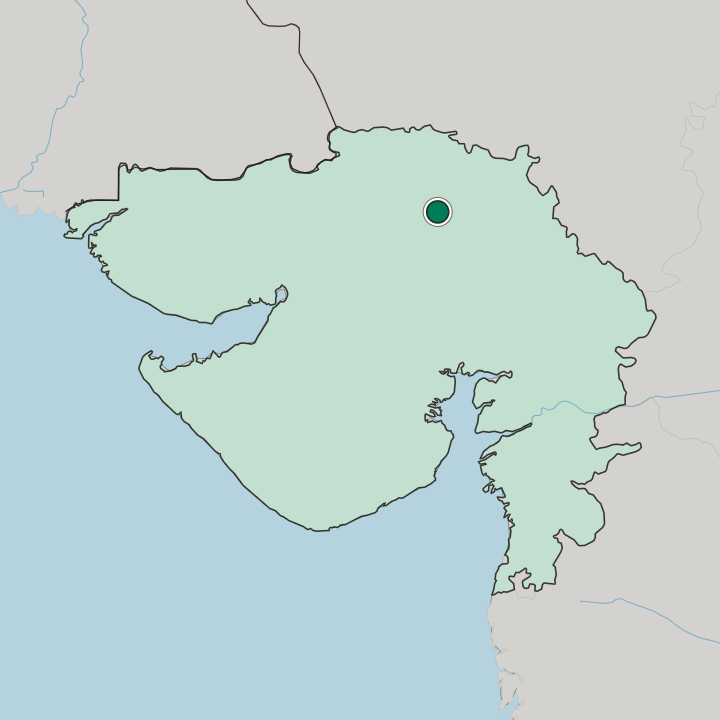
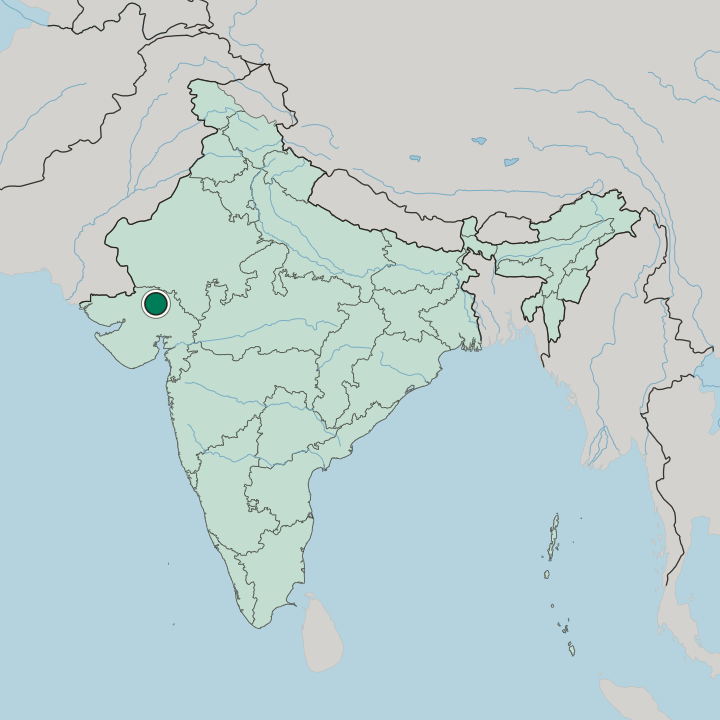
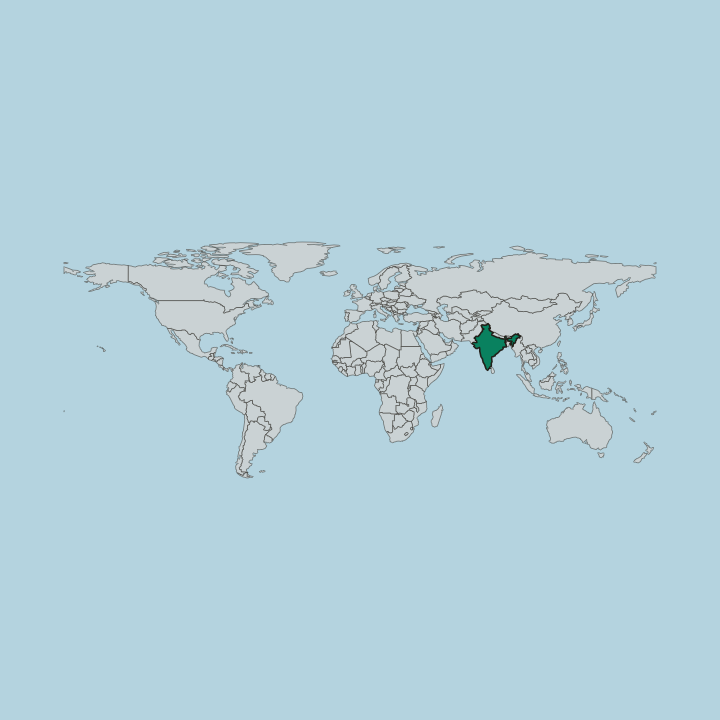
Pātan stands inland, well away from the Gujarāt coast. The district that shares its name spreads around it, and the town sits at the centre of that administrative area rather than at any natural edge such as a river mouth or a range. Pātan lies in the subtropical zone.
Ground level matters here in one specific way, because Rani ki Vav is cut downward into it rather than built upward from it.
What is the climate of Pātan?
Summer arrives dry and long. Pātan lies in the subtropical band with no sea nearby to soften it, so the heat builds until the monsoon reaches Gujarāt and drops most of the rain of the year in a short run of weeks. Cooler months follow, and they are when the stepwell is most comfortable to descend.
The rains do not linger.
How do you get to Pātan?
Overland routes do all the carrying. Pātan is reached overland from within Gujarāt, and its position as the headquarters of Pātan district means the routes that matter are the ones connecting it to the villages and towns it administers. Most visitors come for one thing.
Rani ki Vav draws day traffic from larger Gujarāt cities, which is why many people see Pātan between two longer legs of a journey.
Common questions
What is the best area to stay in Pātan?
Around Rani ki Vav: Visitors building the day around Rani ki Vav and the Jain temples. The Pātan district centre: Overnight stops for travellers crossing Pātan district by road.
More cities in State of Gujarāt
Updated September 2026