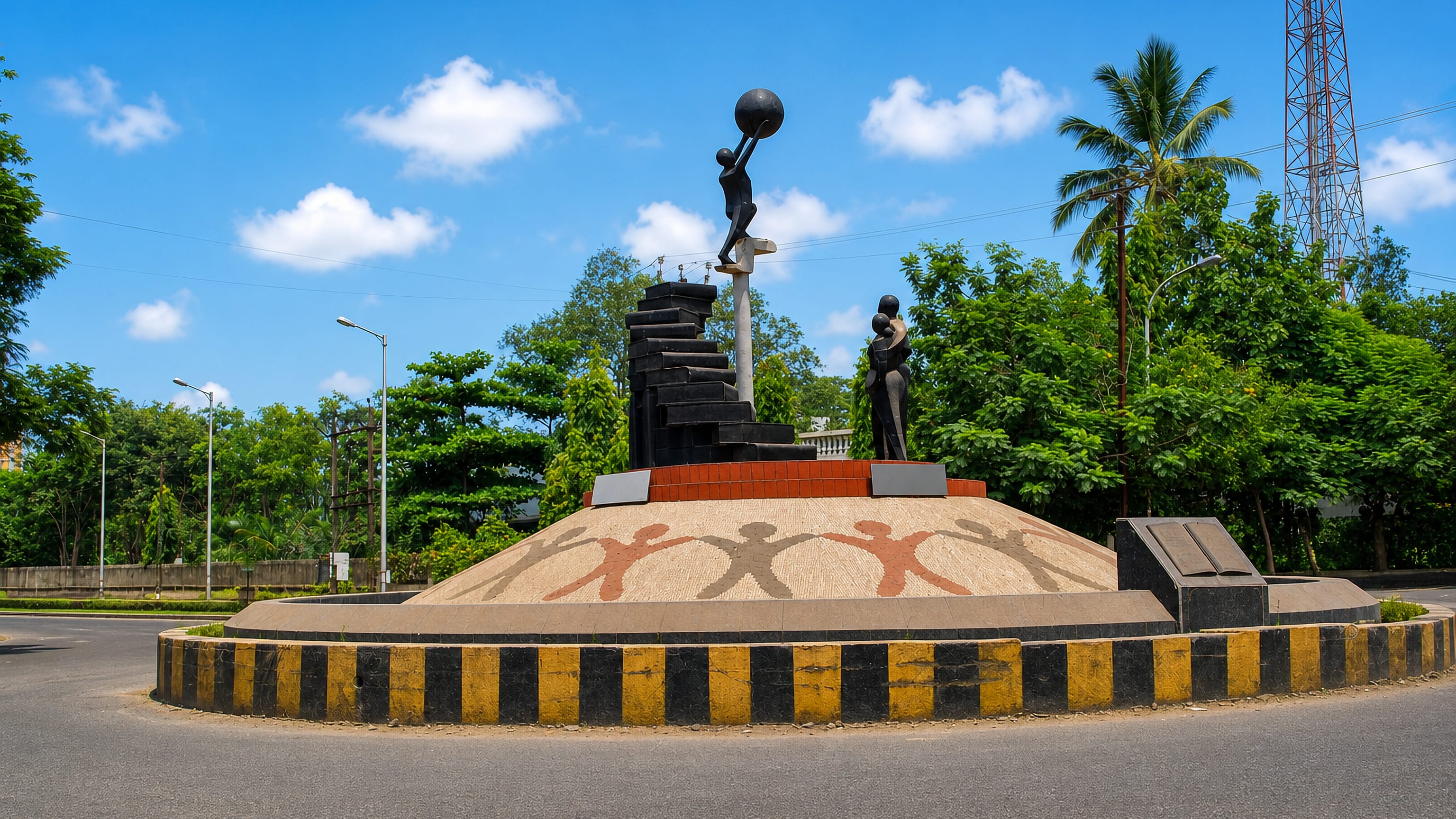
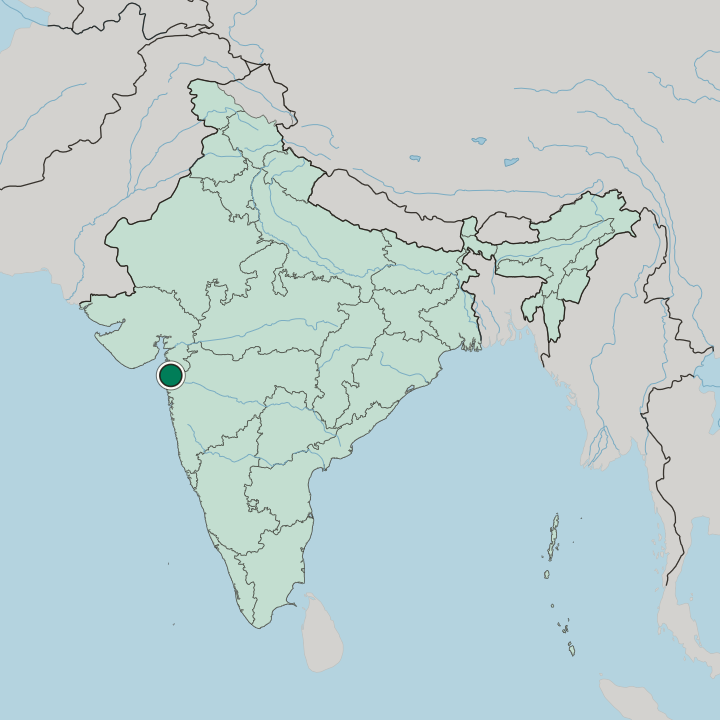
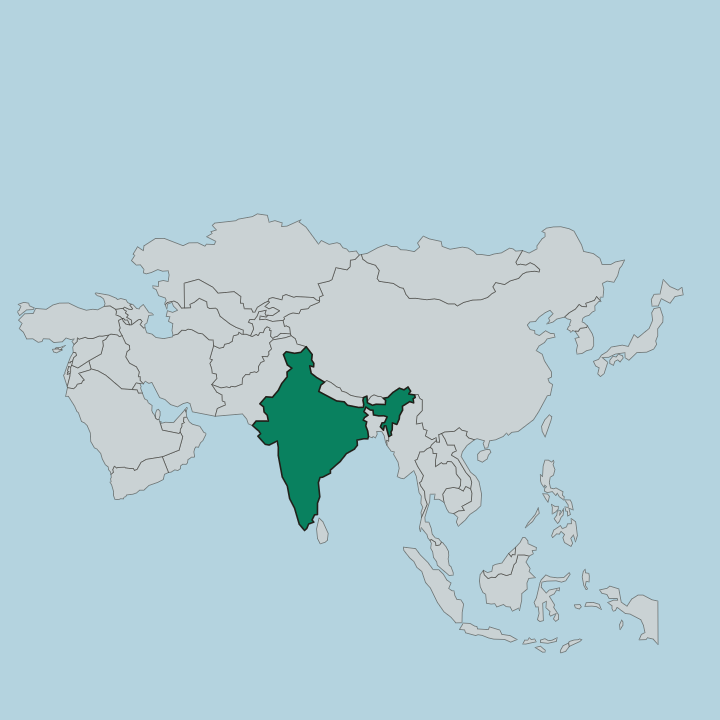
India · State of Gujarāt
Where to Stay in Vapi, State of Gujarāt
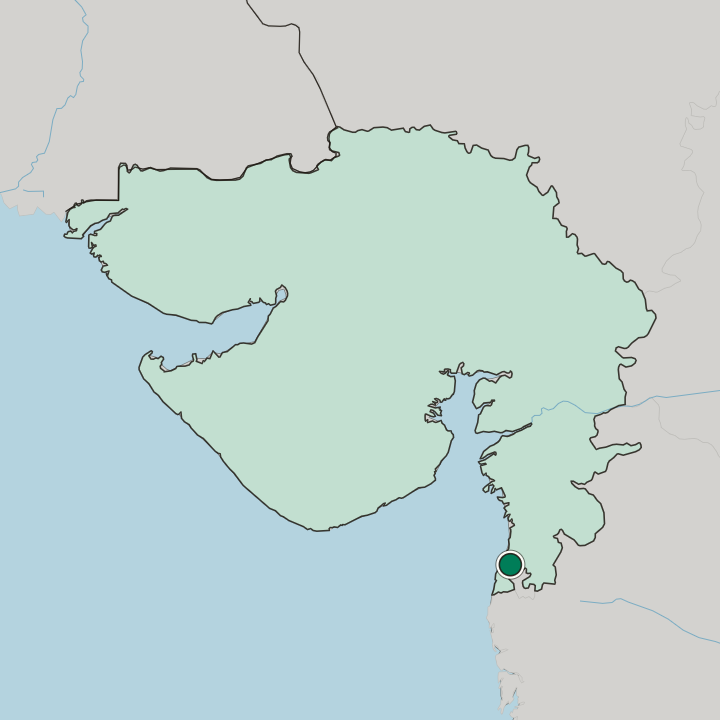
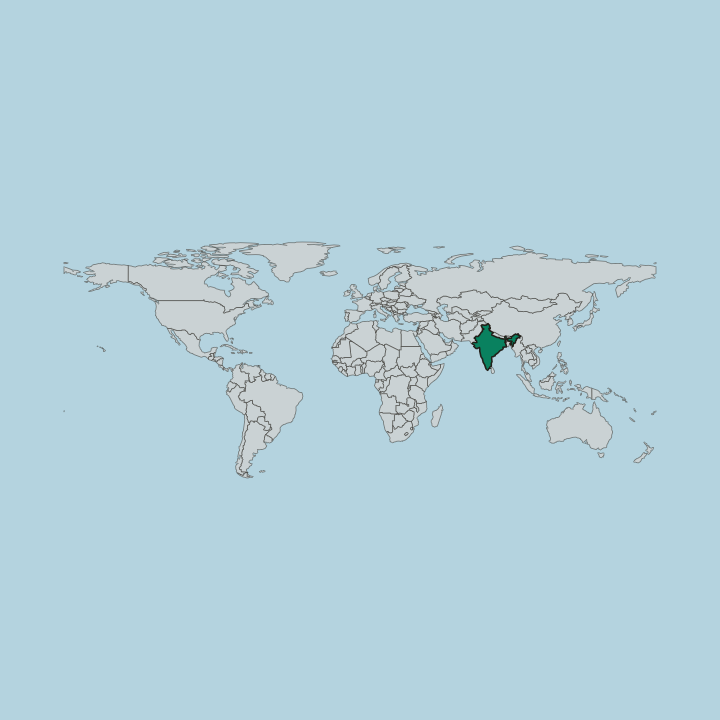
Vapi stands on the Daman Ganga River in Valsād district, a municipal corporation ringed by Dadra and Nagar Haveli and Daman and Diu.
Hotel links are affiliate links: booking through them may earn us a commission, at no extra cost to you. It never affects how places are ranked. How this works


Where to stay in Vapi
Where the beds are, and what that means for the visit.
Vapi is a working city first, and the choice of where to sleep follows what brings you here rather than any concentration of sights. The Daman Ganga runs through. Rooms near the river put the Church of Our Lady of the Sea and the water within one walk, which is the closest thing Vapi has to a sightseeing base.
That is the pleasant option. The centre serves a different purpose. It carries the offices, the services, and the connections that a municipal corporation of this size runs on, and it suits anyone whose visit is business rather than leisure.
The border is never far. Vapi is surrounded by the Union Territory of Dadra and Nagar Haveli and Daman and Diu, so a room on that side shortens a crossing that many travellers make. Vapi lies around 28 km south of Valsād, which is the alternative base.
Both sit inside the same district. Neither town has much lodging aimed at holidays, and the practical difference between them is which side of Valsād district you need to be on in the morning. Vapi wins on proximity.
Find hotels in Vapi
Direct booking searches for these neighbourhoods.
By the Daman Ganga
The riverside part of Vapi keeps the Church of Our Lady of the Sea and the water inside the same short compass.Find hotels in By the Daman GangaBusiness travel into the municipal corporation of VapiCentral Vapi
The centre of the municipal corporation holds the services a working city keeps, and the road north to Valsād starts from it.Find hotels in Central VapiTravellers crossing into Dadra and Nagar Haveli and Daman and DiuThe union territory side
Rooms on the boundary side of Vapi cut the run into Daman and Diu, at the cost of distance from the Daman Ganga. Rooms are few around here — worth securing early.Find hotels in The union territory sideHotel links are affiliate links: booking through them may earn us a commission, at no extra cost to you. It never affects how places are ranked. How this works
About Vapi
The river gives the address.
What is Vapi known for?
Vapi sits near the banks of the Daman Ganga and works as a municipal corporation inside Valsād district, which places it among the larger urban centres of this part of Gujarāt. Three churches are the named heritage sites recorded here. Being surrounded by the Union Territory of Dadra and Nagar Haveli and Daman and Diu shapes how the place functions, since the boundary runs close on more than one side.
What are the main landmarks in Vapi?
Three churches carry the heritage listings. The Church of Our Lady of the Sea and The Church of Our Lady of Remedios are both recorded here, along with a Ruined Church that survives as a fragment rather than a working building. The Daman Ganga is the other feature worth walking to.
Nothing else in Vapi is presented as a monument, which fits a municipal corporation whose reputation rests on what it does rather than on what it displays.
What is the history of Vapi?
The Daman Ganga explains the site. Settlement near the banks of a river is the oldest reason towns exist in this part of Gujarāt, and Vapi grew on ground that had both the water and the overland routes. Its banks are the oldest part of the address.
Valsād district took shape around it. Vapi ended up around 28 km south of the district headquarters at Valsād, close enough to be governed from there and far enough to develop a separate weight of its own. That weight became a municipal corporation.
Borders did the rest. The Union Territory of Dadra and Nagar Haveli and Daman and Diu came to surround Vapi, which left the city with neighbours under a different administration on more than one side. The boundary is close on several sides.
Three churches remain from the older layers of that story. Two of them still carry their dedications, to Our Lady of the Sea and to Our Lady of Remedios, while the third is recorded simply as a Ruined Church. The record for Vapi is short, and most of what can be said about its past comes from where it sits rather than from what happened in it.
Vapi kept growing regardless.
Where is Vapi?
The Daman Ganga sets the frame. Vapi lies near its banks around 28 km south of Valsād, inside Valsād district, with the Union Territory of Dadra and Nagar Haveli and Daman and Diu wrapped around much of its edge. River and boundary do the shaping.
Beyond those two facts the ground is unremarkable, which is why Vapi is described by its district, its river, and its neighbours rather than by any relief of its own.
What is the climate of Vapi?
The Daman Ganga swells when the monsoon arrives, and the weeks around that arrival are the wettest and the most humid Vapi gets in any part of the year. Otherwise the tropical pattern rules Vapi's year. Heat holds through the long dry months, tempered a little by air off the coastal territories next to Valsād district.
The cooler weeks are the best ones for walking.
How do you get to Vapi?
Roads come in from every side. Vapi lies around 28 km south of Valsād, and the Union Territory of Dadra and Nagar Haveli and Daman and Diu presses close enough that arrivals often cross a boundary on the way in. Most traffic is regional rather than long-distance.
Travellers reaching Vapi are usually moving between Valsād district and the union territory beside it, which makes the city a link in a short chain rather than an endpoint.
Common questions
What is the best area to stay in Vapi?
By the Daman Ganga: Stays that want the Daman Ganga and the Vapi churches on one walk. Central Vapi: Business travel into the municipal corporation of Vapi. The union territory side: Travellers crossing into Dadra and Nagar Haveli and Daman and Diu.
Good for
More cities in State of Gujarāt
Updated September 2026