India · West Bengal
Where to Stay in Āsansol, West Bengal
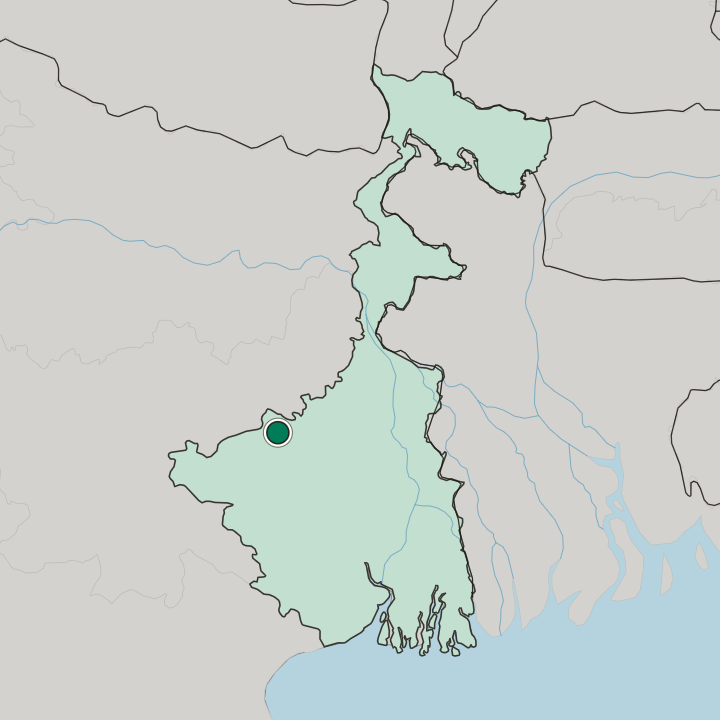
Āsansol is the headquarters of Paschim Bardhaman district in West Bengal, an industrial city and the second largest urban centre in the state.
Hotel links are affiliate links: booking through them may earn us a commission, at no extra cost to you. It never affects how places are ranked. How this works


Where to stay in Āsansol
One neighbourhood here has its own guide — here's what it is best for.
 ĀsansolIndia
Rānīganj
Rānīganj is a neighbourhood of Āsansol in the Paschim Bardhaman district of West Bengal, a market town whose name outlasted the council that once ran it.Where to stay →Hotel links are affiliate links: booking through them may earn us a commission, at no extra cost to you. It never affects how places are ranked. How this works
Find hotels in Āsansol
Direct booking searches for these neighbourhoods.
Around Asansol station
The Asansol station building puts platforms, taxis, and food within a few minutes of the door.Find hotels in Around Asansol stationtravellers here for the older temple fabricThe Begunia temple side
Ground near the Begunia temple complex and the Bishnu temple trades through traffic for older streets. Beds are limited here, so book early.Find hotels in The Begunia temple sidework trips into the Paschim Bardhaman industrial beltCentral Āsansol around Saint Paul's Church
Saint Paul's Church anchors the central grid where functional business rooms concentrate.Find hotels in Central Āsansol around Saint Paul's ChurchHotel links are affiliate links: booking through them may earn us a commission, at no extra cost to you. It never affects how places are ranked. How this works
About Āsansol
Industry gives Āsansol its reputation.
What is Āsansol known for?
The city sits at the centre of a major industrial area, and that identity carries further than any single monument, festival, or dish it might claim. Older building survives beside the works. The Begunia temple complex and the Bishnu temple hold an earlier layer of building, while Saint Paul's Church marks a much later arrival in the same city.
Rail runs through all of it, and the Asansol station building is where most arrivals into Paschim Bardhaman begin. Official classification puts it in the Tier-II bracket.
What are the main landmarks in Āsansol?
Four sites anchor a visit. The Begunia temple complex is the oldest draw, a cluster of shrines that rewards a slow walk more than a quick photograph, and it sets the tone for what else survives. The Bishnu temple keeps a smaller footprint.
Saint Paul's Church answers them from a different tradition, and the Asansol station building completes the set, a working piece of railway architecture rather than a monument.
What is the history of Āsansol?
Āsansol keeps no founding year. What survives instead is a sequence of building, and the oldest of it stands in temple groups that predate anything industrial about the place. The Begunia temple complex belongs to that older layer, as does the Bishnu temple, both of them from a period the modern city has grown around rather than replaced.
Records of the intervening centuries are thin. Much of what the district holds from those years is undocumented in any single accessible source, so the temple complexes carry more of the early record than written history does. Two later arrivals mark the turn towards the city Āsansol became: Saint Paul's Church, and the Asansol station building that fixed the town on a working railway.
Industry followed the track. A major industrial area formed around the settlement, and the city's later growth belongs to that work rather than to any court, port, or pilgrimage route. Administration matches that scale, with Āsansol heading Paschim Bardhaman district.
West Bengal holds few urban centres of comparable weight, and the second largest agglomeration in the state grew out of industrial ground rather than from an older capital.
Where is Āsansol?
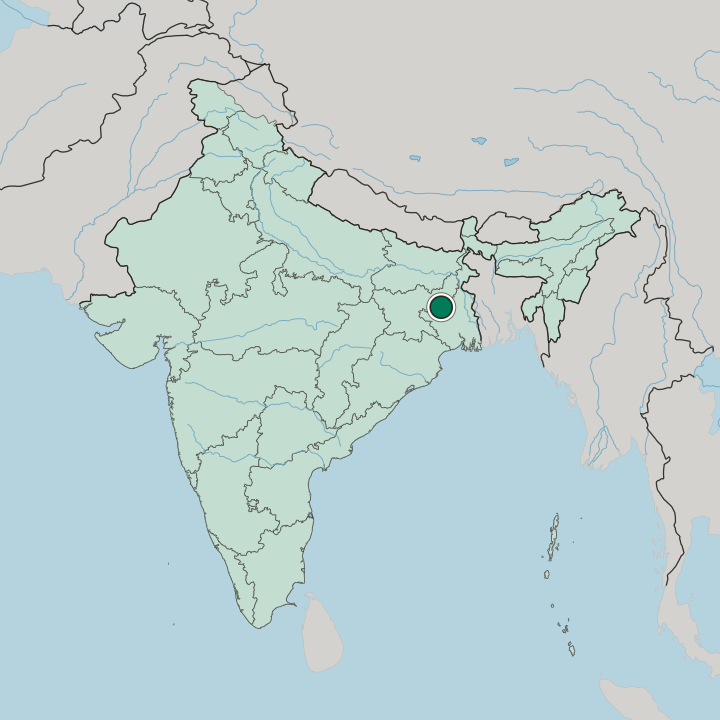
Āsansol occupies the middle of a major industrial area in West Bengal, and the built-up ground around it forms the second largest urban agglomeration anywhere in the state. Paschim Bardhaman is the district. The city serves as its headquarters, which puts the offices of a large industrial belt inside the same city as the works themselves. India counts it among the larger urban centres of the country.
A 2010 study by the International Institute for Environment and Development, a policy research body based in the United Kingdom, ranked it 11th among Indian cities for growth.
What is the climate of Āsansol?
Āsansol falls inside the subtropical band, so its year divides into a long hot stretch and a shorter cool one rather than into four evenly weighted seasons. The cool months come at the turn of the year. Heat builds through the middle months, which is when the industrial districts of Paschim Bardhaman are least comfortable to walk, and when indoor cooling matters most for a stay.
The cooler half of the year suits sightseeing best.
How do you get to Āsansol?
Movement in Āsansol runs on the railway. The Asansol station building is the fixed point of arrival, and rail is what tied the settlement into the wider network of West Bengal in the first place. Road connections serve the industrial area around Paschim Bardhaman, which spreads far enough that a local ride is usually part of any trip beyond the centre.
Distances inside the agglomeration add up.
Common questions
What is the best area to stay in Āsansol?
Around Asansol station: one-night stops built around a train connection. The Begunia temple side: travellers here for the older temple fabric. Central Āsansol around Saint Paul's Church: work trips into the Paschim Bardhaman industrial belt.
Good for
More cities in West Bengal
Updated September 2026