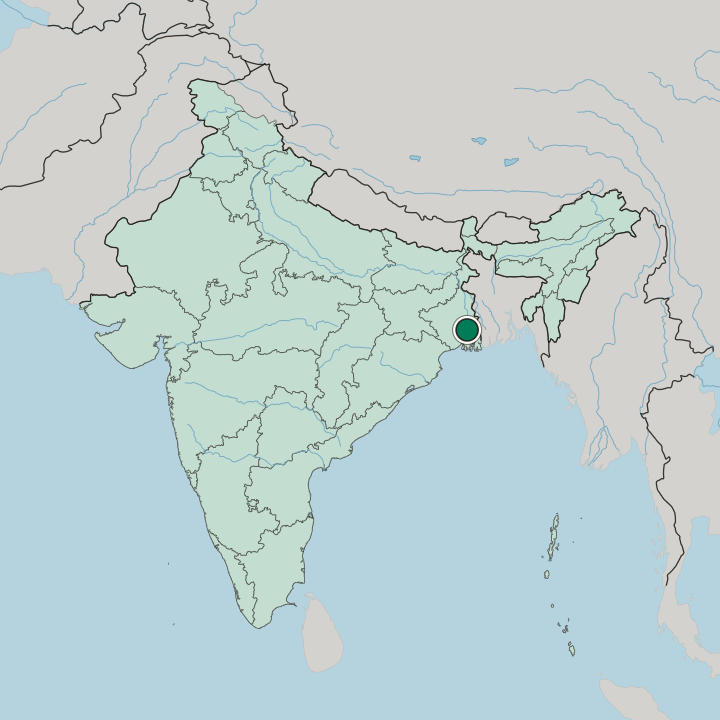
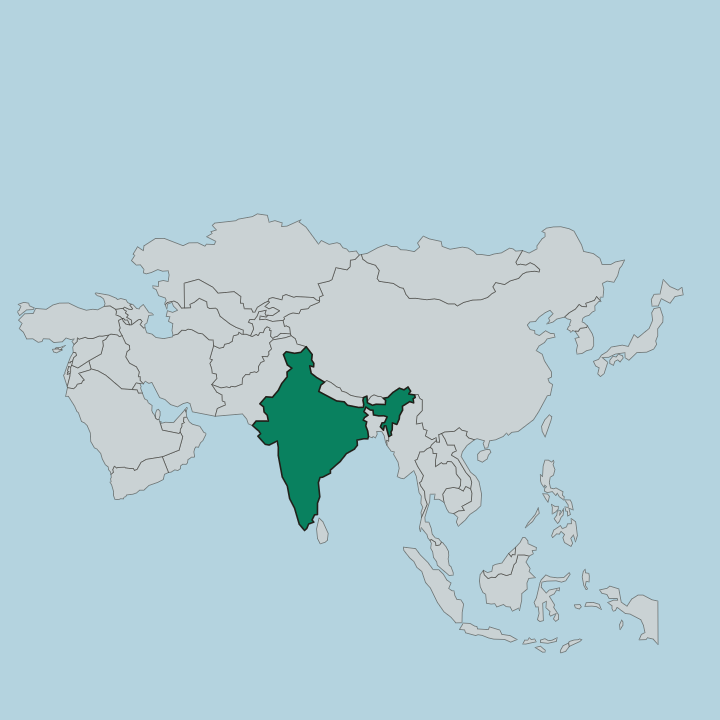
India · West Bengal
Where to Stay in Howrah, West Bengal
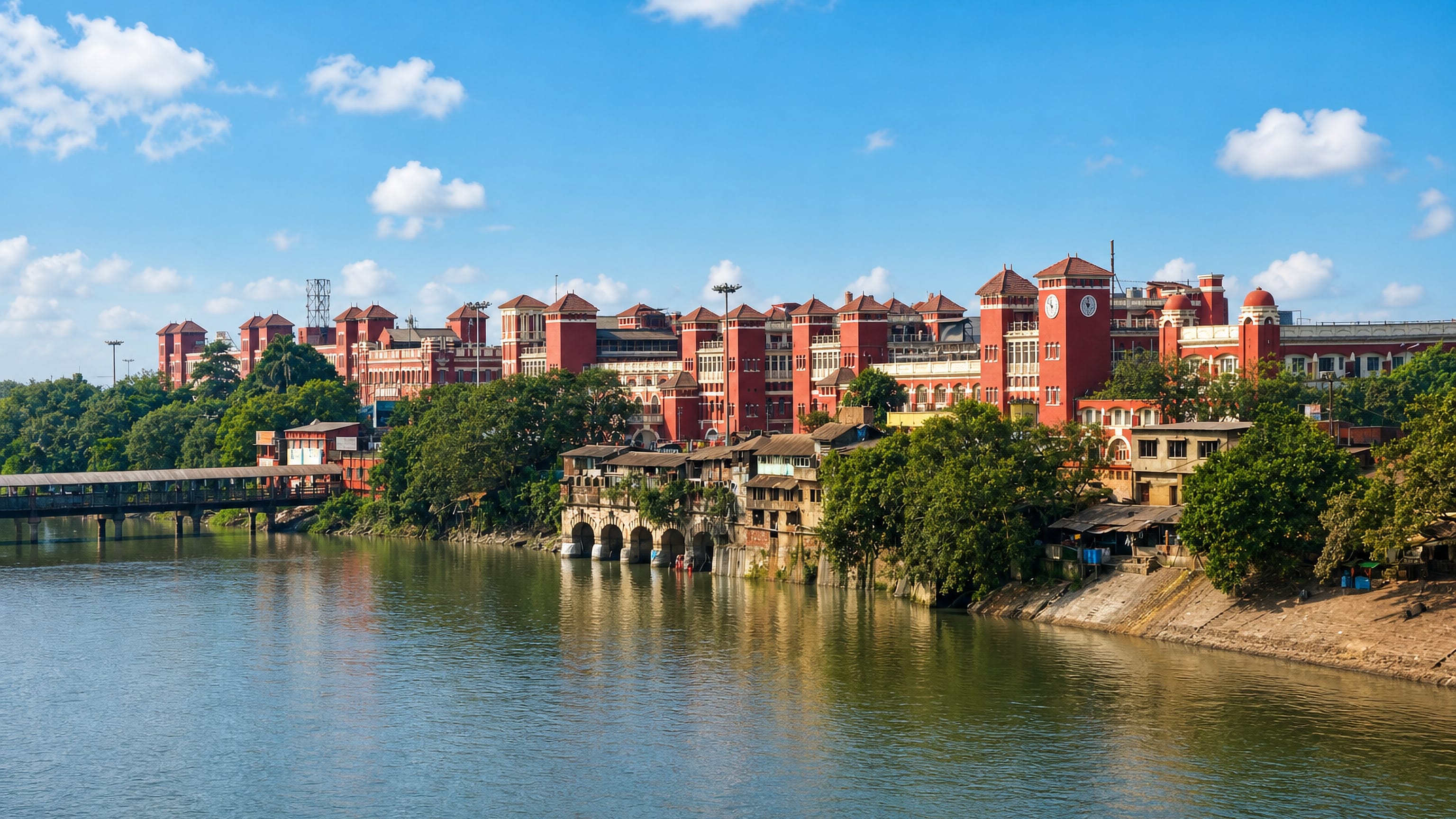
Howrah faces Kolkata across the Hooghly River, an industrial and transport city and the headquarters of the Howrah Sadar subdivision.
Hotel links are affiliate links: booking through them may earn us a commission, at no extra cost to you. It never affects how places are ranked. How this works


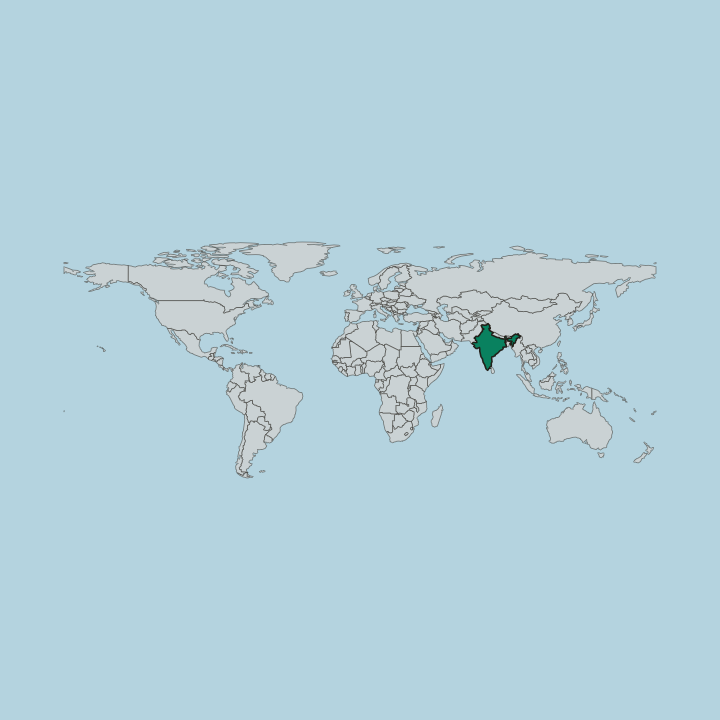
Where to stay in Howrah
One neighbourhood here has its own guide — here's what it is best for.

 HowrahIndia
Liluāh
Liluāh is a Howrah neighbourhood in West Bengal, holding the first railway station out of Howrah station on the Eastern Railway.Where to stay →Hotel links are affiliate links: booking through them may earn us a commission, at no extra cost to you. It never affects how places are ranked. How this works
Find hotels in Howrah
Direct booking searches for these neighbourhoods.
By Howrah railway station
Howrah railway station stands at this city's end of the crossing, and a bed within sight of it takes the Hooghly River out of any early morning departureFind hotels in By Howrah railway stationCrossing to Kolkata on foot over the Howrah BridgeThe Howrah Bridge approach
The Howrah Bridge carries the road link between the two banks, and rooms at its approach put Kolkata within a walk that no traffic on the span can delayFind hotels in The Howrah Bridge approachDays spent at the Indian Museum and the Marble PalaceThe far bank at Kolkata
The Indian Museum, the Marble Palace and Shaheed Minar all lie across the Hooghly River from Howrah, so galleries-first visitors spare themselves a crossing by sleeping on that sideFind hotels in The far bank at KolkataHotel links are affiliate links: booking through them may earn us a commission, at no extra cost to you. It never affects how places are ranked. How this works
Things to do in Howrah
Ranked by global recognition; descriptions from Wikidata (CC0).
Museums & Galleries
3- Indian Museum Heritage
- Swami Vivekananda's Ancestral House & Cultural Centre Heritage
- Asutosh Museum of Indian Art
Churches & Religious Sites
2- Cathedral of the Most Holy Rosary Heritage
- St. Francis Xavier's Church Heritage
Castles & Historic Sites
1- Marble Palace Heritage
Landmarks & Notable Places
1- House of Adhar Sen
worth knowingacross 4 categories in Howrah
About Howrah
What is Howrah known for?
Two structures carry the city's name. Howrah Bridge and Howrah railway station handle the traffic that crosses the Hooghly River between the twin cities, which is why an industrial town on the western bank is known chiefly for the way people pass through it. Factories take the ground behind them.
The Howrah Municipal Corporation governs the whole of it, inside the area the Kolkata Metropolitan Development Authority covers.
What are the main landmarks in Howrah?
Museums dominate the list. The Indian Museum, the Asutosh Museum of Indian Art and the Rabindra Bharati Museum head a set that also takes in the Marble Palace, the Marble Palace Zoo, the Armenian Church of the Holy Nazareth and the Cathedral of the Most Holy Rosary, none of them far from the Hooghly River. Shaheed Minar rises above the same ground.
Two transport collections suit the city better than any of those: the Regional Railway Museum and the Smaranika Tram Museum.
What is the history of Howrah?
No founding year stands against Howrah. The city enters the record already administered, a headquarters of the Howrah Sadar subdivision, a municipality under the Howrah Municipal Corporation, and one part of the area the Kolkata Metropolitan Development Authority covers, and those offices describe it better than any origin story would. Howrah district takes the same name.
The Hooghly River explains why the place exists at all. Congregations left the clearest marks. The Armenian Church of the Holy Nazareth, the Old Mission Church, the Church of the Sacred Heart of Jesus and the Cathedral of the Most Holy Rosary belong to communities whose presence on these banks is recorded chiefly by the buildings themselves.
Rail followed the river. Howrah railway station carries the trains that reach the twin cities from this side and the Howrah Bridge takes the road, a pairing the Regional Railway Museum and the Smaranika Tram Museum both keep records of. Houses tell the smaller version.
The House of Adhar Sen and Swami Vivekananda's Ancestral House & Cultural Centre survive from the domestic city, while the State Bank Archives and Museum, the RBI Museum and the Postal Museum and Philatelic Library hold the paper trail of its institutions. Panchdeep Tower stands on the same list.
Where is Howrah?
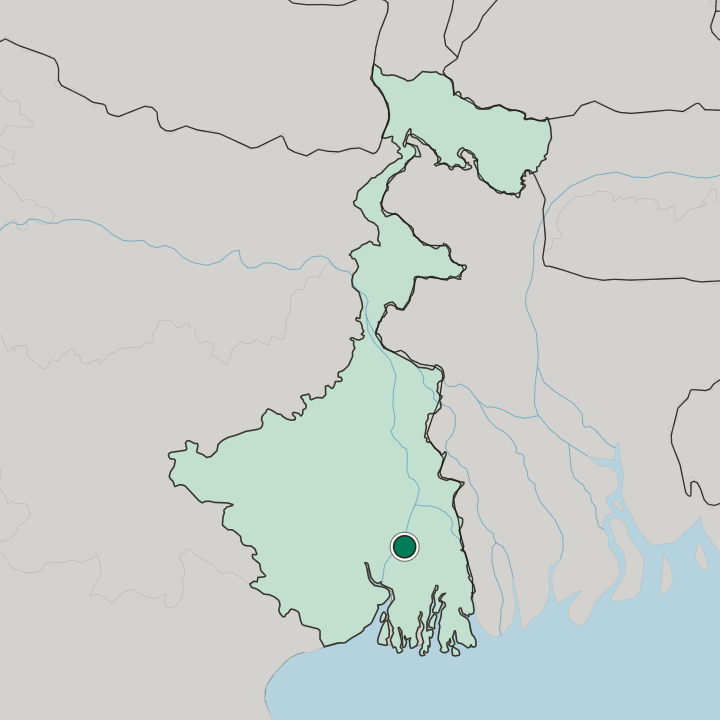
Water sets the boundary. Howrah occupies about 63.55 square kilometres on the western bank of the Hooghly River, directly opposite Kolkata, inside Howrah district and within the tropical band north of the equator. The two cities read as one from the bridge.
Howrah district reaches away from the water on the landward side of the city.
What is the climate of Howrah?
The Hooghly River separates two cities but not two climates. Whatever crosses the water reaches Howrah and Kolkata within the same hour, tropical air well north of the equator, and the Howrah Bridge does nothing to hold it on either bank. Warmth is the steady note on both banks.
How do you get to Howrah?
Howrah railway station is the point of arrival for most. Trains end at it, the Howrah Bridge takes road traffic over the Hooghly River into Kolkata, and the two together make the city the crossing point for anyone approaching the twin cities from the western bank. The Kolkata Metropolitan Development Authority area begins here.
Common questions
What is the best area to stay in Howrah?
By Howrah railway station: Departures out of Howrah railway station. The Howrah Bridge approach: Crossing to Kolkata on foot over the Howrah Bridge. The far bank at Kolkata: Days spent at the Indian Museum and the Marble Palace.
Good for
More cities in West Bengal
Updated October 2026