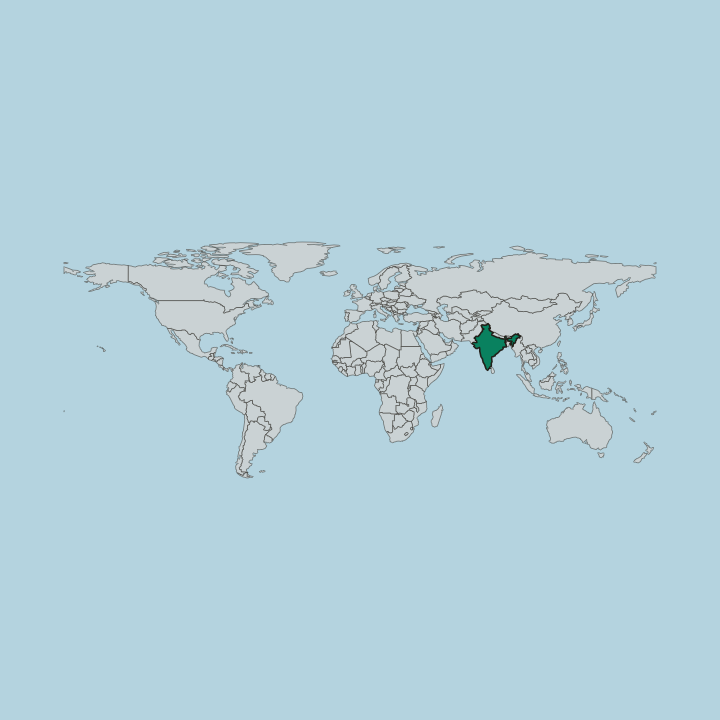
India · West Bengal
Where to Stay in Kolkata, West Bengal
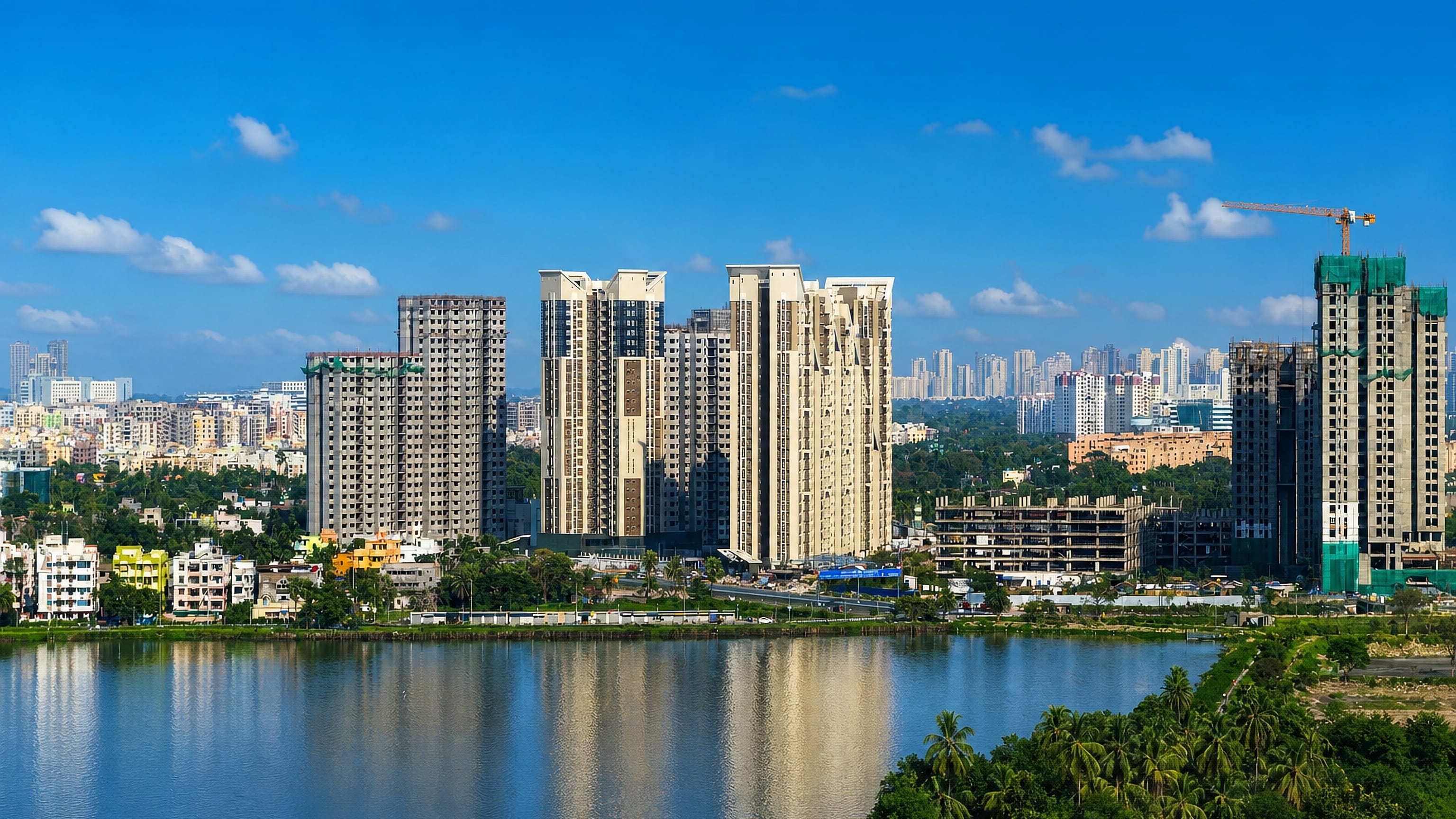
The Hooghly River rolls past Kolkata, capital of West Bengal, cradle of the Bengali Renaissance, known for the Victoria Memorial and its colonial churches.
Hotel links are affiliate links: booking through them may earn us a commission, at no extra cost to you. It never affects how places are ranked. How this works


Where to stay in Kolkata
Where you base yourself shapes the visit — here's the character of each area.

 KolkataIndia
Beliaghata
Beliaghata, also written Beleghata, is an East Kolkata neighbourhood in the Kolkata district of West Bengal.Where to stay → KolkataIndia
Esplanade
Esplanade is the central business district of Kolkata, a transport and shopping junction beside the Maidan and the Hooghly River.Where to stay →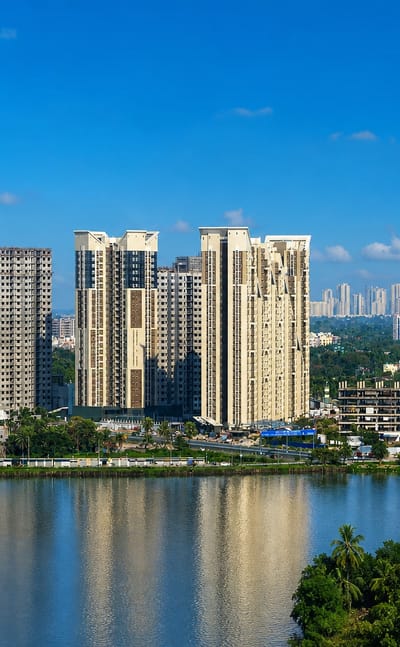 KolkataIndia
Tangra
Tangra is a quarter of East Kolkata whose tanneries were traditionally held by families of Hakka Chinese origin.Where to stay →KolkataIndiaBallygunge
Ballygunge is a locality of Kolkata in West Bengal, an affluent quarter of the city whose collections run to modern art.Where to stay →KolkataIndiaCossipore
Cossipore is one of the oldest neighbourhoods of North Kolkata, named after Mulakchand Dewan Kashinathji, who was gifted it by Lord Clive.Where to stay → KolkataIndia
Kidderpore
Kidderpore, also written Khidderpore, is a neighbourhood of Kolkata in West Bengal, close to the Alipore Zoological Gardens.Where to stay → KolkataIndia
Garden Reach
Garden Reach is a neighbourhood of Kolkata on the eastern bank of the Hooghly River, taking in Metiabruz, Rajabagan and Santoshpur.Where to stay →Hotel links are affiliate links: booking through them may earn us a commission, at no extra cost to you. It never affects how places are ranked. How this works
Find hotels in Kolkata
Direct booking searches for these neighbourhoods.
The Maidan and the colonial core
Grand streets around the Victoria Memorial, St. Paul's Cathedral, and the Indian Museum, within walking reach of most of the city's sights.Find hotels in The Maidan and the colonial coretravellers drawn to the living old Bengali townNorth Kolkata
Deep-set lanes around the Marble Palace and the ancestral houses of the Bengali Renaissance, close to the trams and the riverside ghats.Find hotels in North KolkataHotel links are affiliate links: booking through them may earn us a commission, at no extra cost to you. It never affects how places are ranked. How this works
Things to do in Kolkata
Ranked by global recognition; descriptions from Wikidata (CC0).
Museums & Galleries
4- Victoria Memorial Heritage
- Indian Museum Heritage
- Netaji Bhawan Heritage
- Swami Vivekananda's Ancestral House & Cultural Centre Heritage
Churches & Religious Sites
8- St. Paul's Cathedral Heritage
- St. John's Church Heritage
- Armenian Church of the Holy Nazareth Heritage
- St. Thomas Church Heritage
- Cathedral of the Most Holy Rosary Heritage
Show 3 more →
- St. James' Church Heritage
- Old Mission Church Heritage
- St. Andrew's Church Heritage
Castles & Historic Sites
3- Marble Palace Heritage
- Shaheed Minar Heritage
- Baba en Mai (Calcutta)
worth knowingacross 3 categories in Kolkata
About Kolkata
What is Kolkata known for?
Kolkata, long called Calcutta, is known as the cultural capital of India and the home of the Bengali Renaissance. The Victoria Memorial dominates the green expanse of the Maidan, and the Indian Museum keeps one of the oldest collections in the country. Poets and film-makers came from here.
The city also carries a dense inheritance of colonial-era architecture, from St. Paul's Cathedral to the Marble Palace, all set along the Hooghly River that made it the great port of eastern India.
What are the main landmarks in Kolkata?
The main landmarks in Kolkata range from grand colonial monuments to intimate old churches. The Victoria Memorial stands in white marble at the edge of the Maidan, and the Indian Museum anchors the museum quarter nearby. St. Paul's Cathedral rises close by.
The Marble Palace and the Armenian Church of the Holy Nazareth mark the older northern city, while the Shaheed Minar column and St. John's Church recall the earliest colonial settlement on the Hooghly River. Each holds a layer of the city's long story.
What is the history of Kolkata?
Kolkata grew from a cluster of villages on the eastern bank of the Hooghly River into the greatest colonial port of eastern India. The river made it. Trade moving up and down the Hooghly drew merchants and administrators, and the early settlement around St. John's Church and the Armenian Church of the Holy Nazareth gathered the many communities that gave the port its mixed and outward-looking character.
Under the name Calcutta the city served as the capital of the British Raj until 1911, and that long century of power built the grand quarter around the Maidan, the Victoria Memorial, and St. Paul's Cathedral. The intellectual ferment of the same era gave rise to the Bengali Renaissance, a flowering of literature, art, and reform centred on the houses of North Kolkata such as the Marble Palace. When the capital moved away, the city kept its standing as the cultural heart of Bengal, and the buildings of its imperial and its Bengali pasts still stand side by side.
Where is Kolkata?
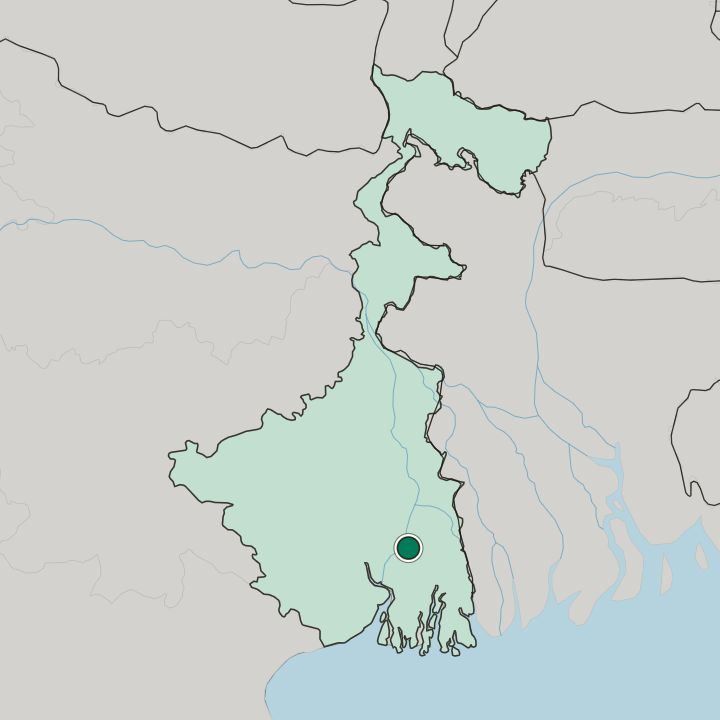
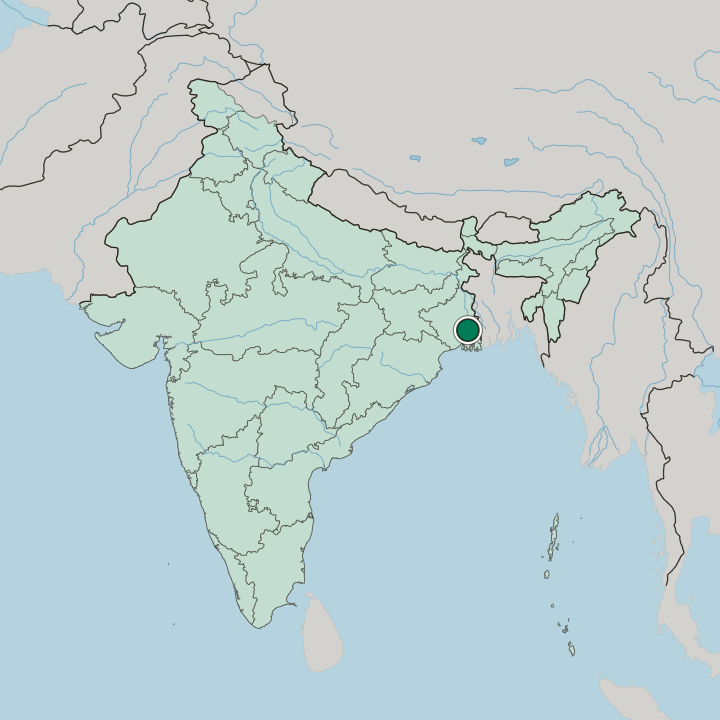
Kolkata lies on the eastern bank of the Hooghly River, on the low deltaic plain of West Bengal not far from the border with Bangladesh. The land sits low. The Hooghly, a distributary that carries the waters of the Ganges toward the sea, threads the whole city and once bore the ships that made its port, while the flat delta stretches out on every side toward the mangroves of the coast.
This low riverside setting has shaped Kolkata since its beginnings.
What is the climate of Kolkata?
Kolkata has a hot, humid tropical climate set by its place on the delta near the Hooghly River. The monsoon rules the year. Its heavy summer rains flood the low streets and swell the river, and the pre-monsoon months turn sultry and thundery over the plain of West Bengal, while the short winter brings the mildest and driest weather of all.
That cool season is the easiest time to walk the Maidan and the riverside.
How do you get to Kolkata?
Kolkata is the main hub of eastern India, reached by air, rail, and road. Its airport and its great terminal stations link the city west toward the rest of the country and onward toward the northeast, and the Hooghly River is crossed by the bridges that tie the two banks together. Trams still run here.
From the stations the old core around the Maidan and the Victoria Memorial lies close, an easy start for any visit to West Bengal's capital.
Common questions
What is the best area to stay in Kolkata?
The Maidan and the colonial core: first-timers who want the museums and great avenues on foot. North Kolkata: travellers drawn to the living old Bengali town.
Good for
More cities in West Bengal
Updated October 2026