India · West Bengal
Where to Stay in Siliguri, West Bengal
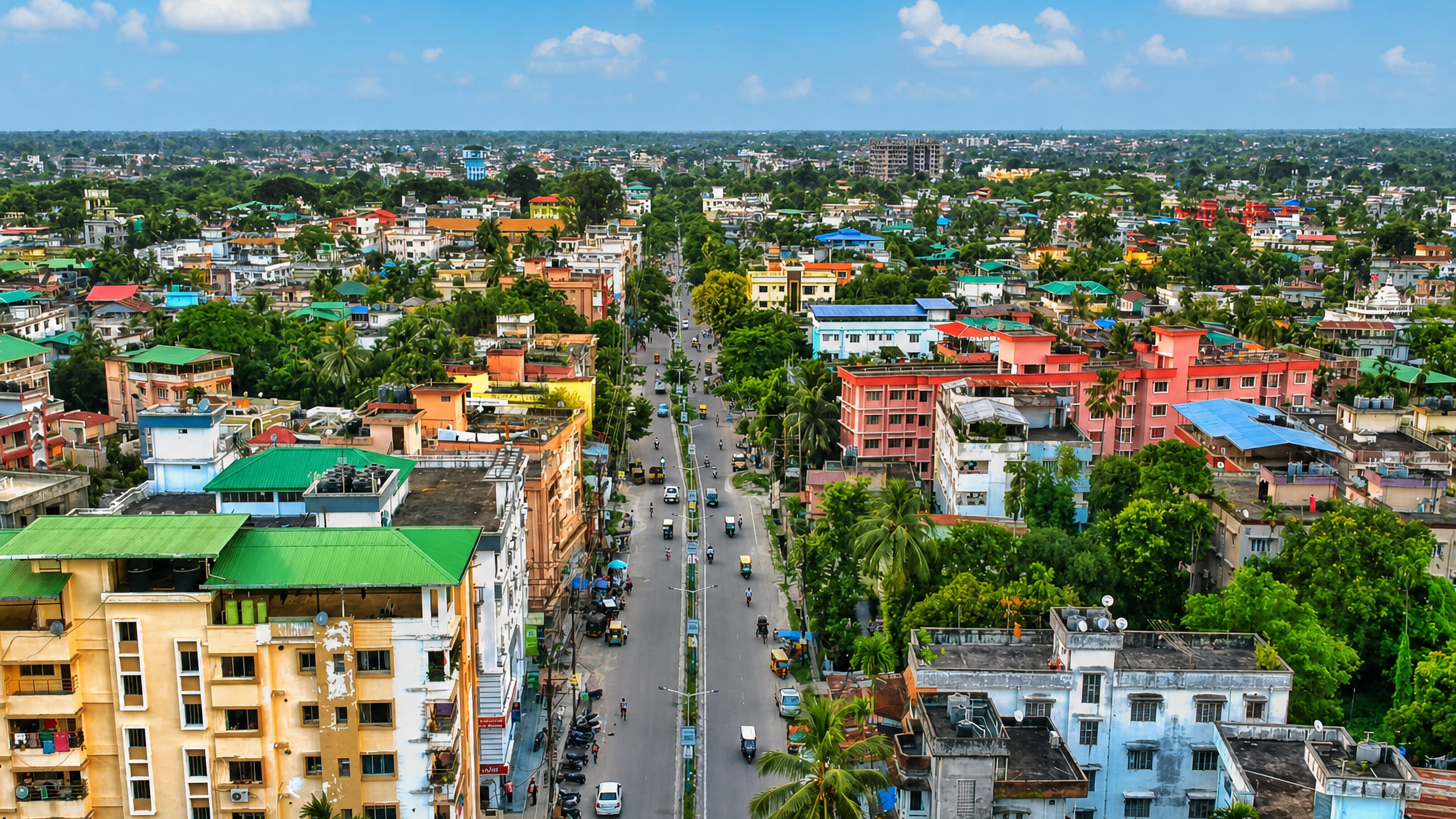
The Teesta River runs down from the Darjeeling Hills past Siliguri, a foothill city in northern West Bengal and the transport hub of the region.
Hotel links are affiliate links: booking through them may earn us a commission, at no extra cost to you. It never affects how places are ranked. How this works


Where to stay in Siliguri
The practical side of choosing where to sleep.
Siliguri spreads across the flat land where the Mahananda River meets the foothills, and most travellers pass through on the way up to the Darjeeling Hills. Stay in the central grid near the markets and the transport stands, and you sit at the crossroads for buses and shared jeeps into the mountains, toward Nepal, and across to Bangladesh. This core suits travellers in transit.
The Akshaya Kumar Maitreya Heritage Museum stands close to these lanes in northern West Bengal. Out toward the forest edge at Sukna, the mood changes entirely. Here the DHR Sukna Museum and the Sukna Forest Museum sit near the treeline where the old mountain railway begins its climb.
It is quieter, greener, and closer to the Teesta River. Base yourself in the centre for connections and markets. Choose the Sukna side for calm, forest air, and the shortest start to the railway that winds up from Siliguri into the hills.
Find hotels in Siliguri
Direct booking searches for these neighbourhoods.
Central transport grid
The Akshaya Kumar Maitreya Heritage Museum and the market lanes sit beside the jeep stands for Nepal, Bangladesh, and the Darjeeling Hills.Find hotels in Central transport gridQuiet stays near the mountain railwaySukna forest edge
The DHR Sukna Museum and Sukna Forest Museum stand at the treeline where the Teesta valley railway begins its climb.Find hotels in Sukna forest edgeHotel links are affiliate links: booking through them may earn us a commission, at no extra cost to you. It never affects how places are ranked. How this works
About Siliguri
What is Siliguri known for?
Siliguri is known as the main trading and transport hub of northern West Bengal, linking the northeast of India to the rest of the country. A narrow strip of land carries the connection. The city sits where the Mahananda River and the Teesta River leave the foothills of the Darjeeling Hills, a crossroads for trade toward Nepal and Bangladesh and a base for travellers heading up into the hills.
Music and youth culture run strong here. Its museums, including the DHR Sukna Museum, trace the old mountain railway.
What are the main landmarks in Siliguri?
Siliguri's landmarks gather around its railway heritage and the forest edge. The DHR Sukna Museum tells the story of the mountain railway that climbs from the plains toward the Darjeeling Hills. Nearby, the Sukna Forest Museum stands at the treeline near the Teesta River, while the Akshaya Kumar Maitreya Heritage Museum keeps regional collections in the heart of northern West Bengal.
The hills frame every view.
What is the history of Siliguri?
Siliguri rose where the plains of northern West Bengal meet the foothills of the Darjeeling Hills, at a natural gathering point for trade and travel. The rivers set the site. The Mahananda River and the Teesta River drew routes down from the mountains, and the narrow corridor of land here made the town a link between the northeast of India and the rest of the country, close against the borders of Nepal and Bangladesh.
Trade shaped its growth. The mountain railway that climbs toward Darjeeling gave the town lasting importance, and its story is told at the DHR Sukna Museum near the forest edge. The city later grew into twin cities with neighbouring Jalpaiguri.
Markets, transport, and the constant traffic of goods built the modern town from a foothill junction. The hills never let go. What began as a crossing point below the Darjeeling Hills became the busiest trading city of northern West Bengal.
Where is Siliguri?
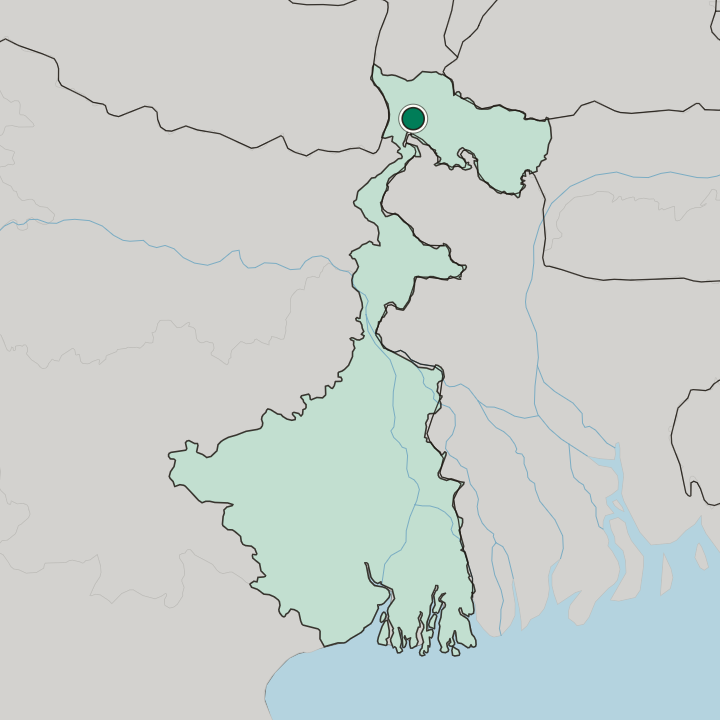
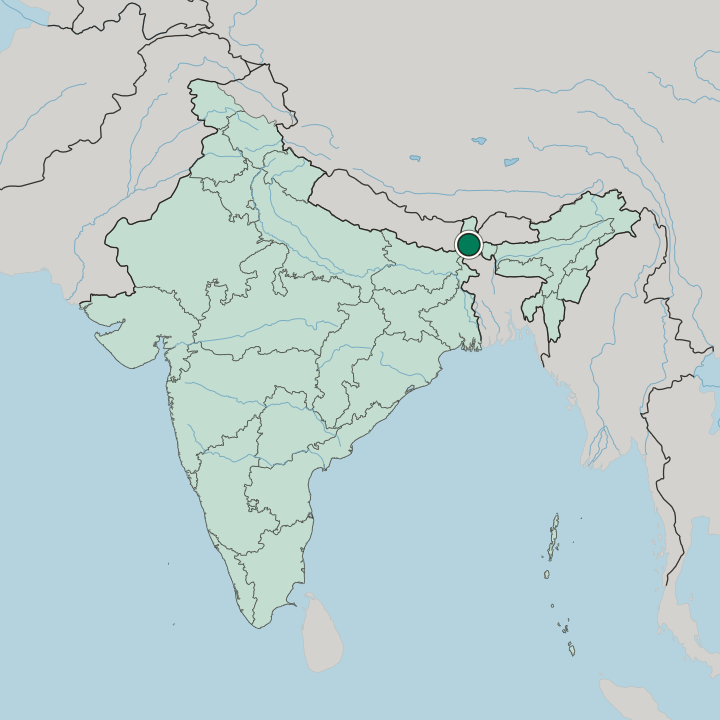
Siliguri sits on the banks of the Mahananda River in northern West Bengal, at the foothills of the Darjeeling Hills. The land tilts up toward the mountains. The Teesta River runs nearby, and a narrow strip of plain connects the northeast of India to the rest of the country between Nepal and Bangladesh.
Hills rise to the north. The wider Himalayas loom just beyond the town.
What is the climate of Siliguri?
Siliguri has a warm subtropical climate softened by its place at the foothills of the Darjeeling Hills. Summers are hot and damp. A heavy monsoon then rolls up the Teesta River valley to drench northern West Bengal, before cool, clear air drifts down from the hills through the dry winter months.
Mountain breezes ease the heat.
How do you get to Siliguri?
Siliguri is the transport hub of northern West Bengal, reached by air, rail, and road. Its nearby airport serves domestic routes. Trains and long-distance buses converge here from across the country, and roads fan out toward the Darjeeling Hills, Nepal, and Bangladesh through the narrow corridor of land.
From here the mountain railway climbs into the hills.
Common questions
What is the best area to stay in Siliguri?
Central transport grid: Travellers in transit to the hills. Sukna forest edge: Quiet stays near the mountain railway.
Good for
More cities in West Bengal
Updated September 2026