India · West Bengal
Where to Stay in Kharagpur, West Bengal
A railway and industrial city in West Bengal's Paschim Medinipur district, Kharagpur holds the oldest and biggest Indian Institute of Technology in India.
Hotel links are affiliate links: booking through them may earn us a commission, at no extra cost to you. It never affects how places are ranked. How this works


Where to stay in Kharagpur
How the choice of base plays out on the ground.
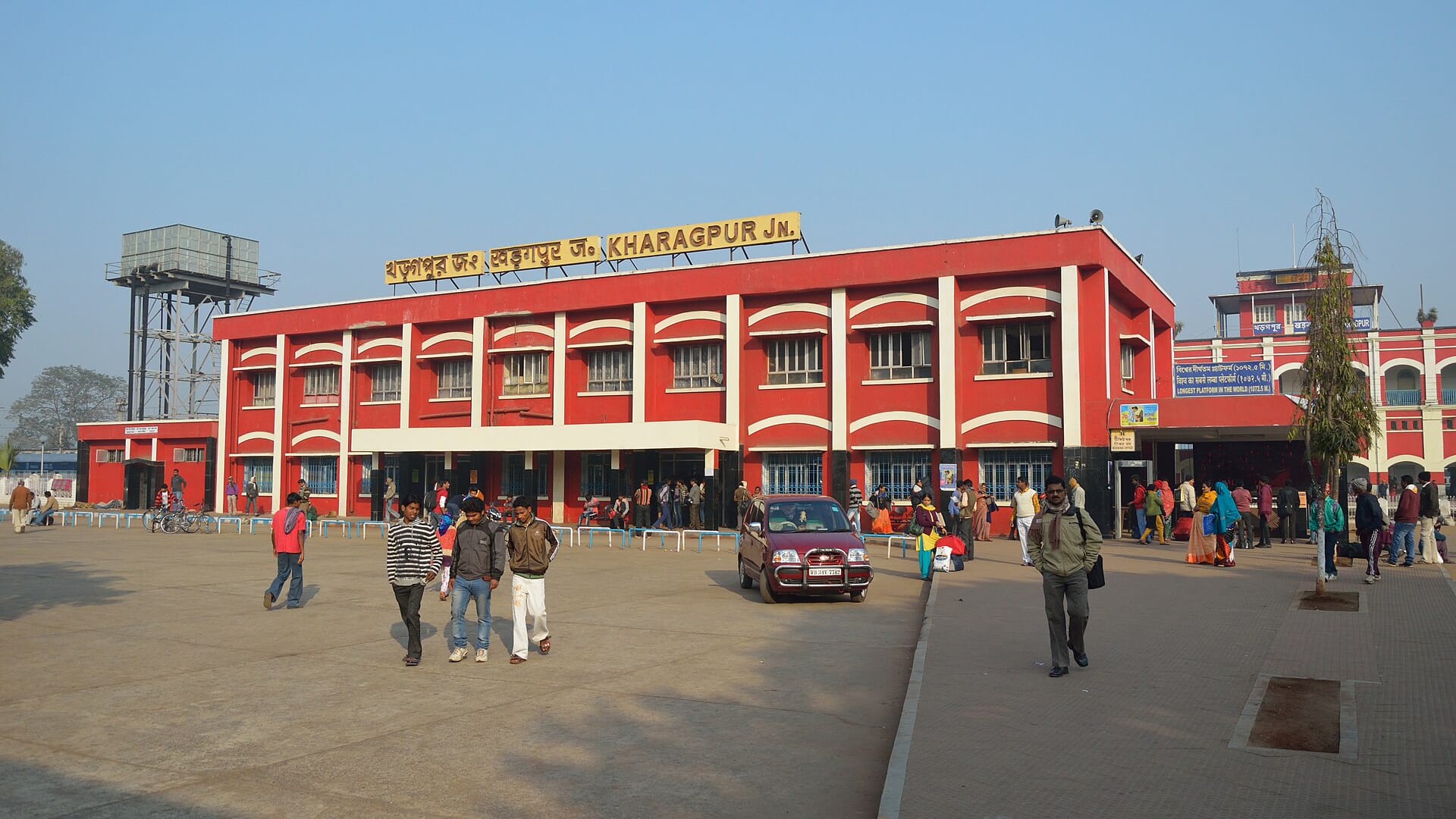
The choice is between the station and the campus. Rooms cluster around Kharagpur Junction, where trains of the South Eastern Railway arrive at every hour and the surrounding streets keep food stalls, small guesthouses and taxi ranks working to the timetable rather than to the clock. It suits anyone passing through. Kolkata is about 120 km east, so a good share of visitors are here for a single night between connections, and a bed within sight of the platform saves the only journey that would otherwise be needed.
Noise is the trade. The IIT Kharagpur side reads differently. Roads are wider and quieter there, the Nehru Museum of Science and Technology is the fixed point, and most of the beds answer to the institute's calendar of admissions, examinations and conferences rather than to any tourist season.
Book ahead in term. Between those two poles lies the older commercial town, where St. John's Church, the Medinipur Baptist Church and the Dakshinakali temple stand within reach of the bazaar streets that carry Kharagpur's evening life. That is the middle option.
Nowhere in the city is far from anywhere else, since the built-up area is flat, semi-planned and organised around the same set of rail lines, and a short auto ride crosses most of it.
Find hotels in Kharagpur
Direct booking searches for these neighbourhoods.
Around Kharagpur Junction
Guesthouses and late food stalls sit within walking distance of the platform at Kharagpur Junction, so a train at any hour costs no taxi.Find hotels in Around Kharagpur Junctioncampus visits, admissions weeks and conferences at the instituteIIT Kharagpur side
Wide quiet roads around the Nehru Museum of Science and Technology, where beds follow the institute's calendar rather than any tourist season. Rooms are few around here — worth securing early.Find hotels in IIT Kharagpur sidebazaar evenings near St. John's Church and the Dakshinakali templeKharagpur town centre
The older commercial streets of the Paschim Medinipur district's largest city, with the Medinipur Baptist Church a short walk from the market.Find hotels in Kharagpur town centreHotel links are affiliate links: booking through them may earn us a commission, at no extra cost to you. It never affects how places are ranked. How this works
About Kharagpur
Two institutions carry the name.
What is Kharagpur known for?
IIT Kharagpur, the oldest and the biggest Indian Institute of Technology in India, pulls students and researchers to a city that had grown on railways and industry. The other is the railway. Kharagpur Junction, headquarters of the Kharagpur Division of South Eastern Railway, holds the fourth longest railway platform in the world, after those at Hubbali, Gorakhpur and Kollam.
What are the main landmarks in Kharagpur?
Four named sites carry the town. The Nehru Museum of Science and Technology is the principal indoor attraction, and it sits naturally in a city whose reputation rests on engineering and on the Indian Institute of Technology. St. John's Church and the Medinipur Baptist Church stand among the older buildings of the Paschim Medinipur district.
The Dakshinakali temple carries the devotional side. Kharagpur Junction and the IIT Kharagpur campus draw more attention than any of them, which is a fair reflection of what the city has been built on.
What is the history of Kharagpur?
Kharagpur grew outward from its tracks. The junction came first, and around it accumulated the yards, the workshops and the housing that turn a railway stop into a town, which is why the place is described as semi-planned rather than organic. Its origins are industrial.
The lines of the South Eastern Railway still set the shape of the city, and the division that runs them keeps its headquarters at Kharagpur Junction. Education arrived as the second engine. The Indian Institute of Technology founded here is the oldest and the biggest in India, and its presence added an academic layer to a settlement that had grown on railways and industry alone.
Three roles now overlap. Kharagpur is described as a railway, industrial and academic hub of West Bengal, and it serves as headquarters of the Kharagpur subdivision as well as the largest city in the Paschim Medinipur district. Kolkata lies about 120 km east.
Older fabric survives in fragments. St. John's Church and the Medinipur Baptist Church stand from earlier decades, and the Dakshinakali temple keeps the devotional side of the town's past visible beside the engineering. The Nehru Museum of Science and Technology collects the other half of that inheritance.
Where is Kharagpur?
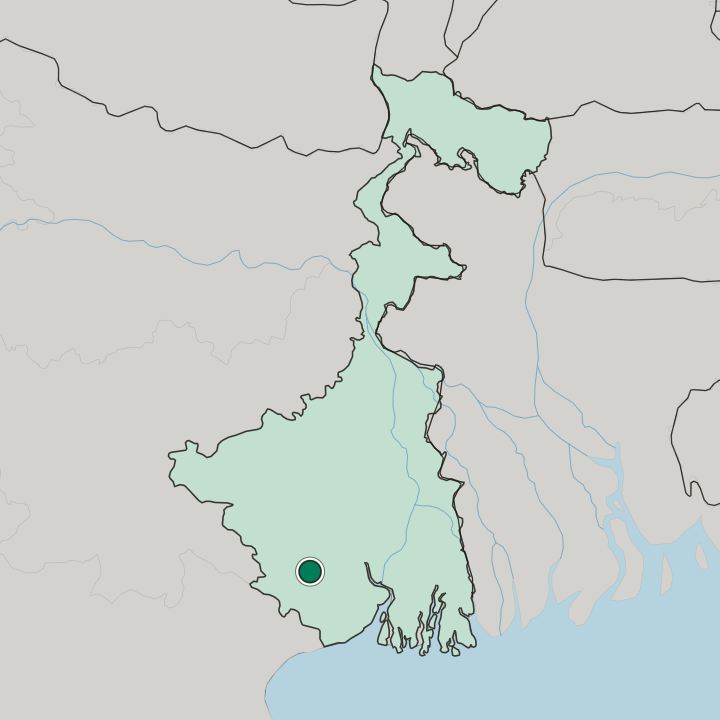
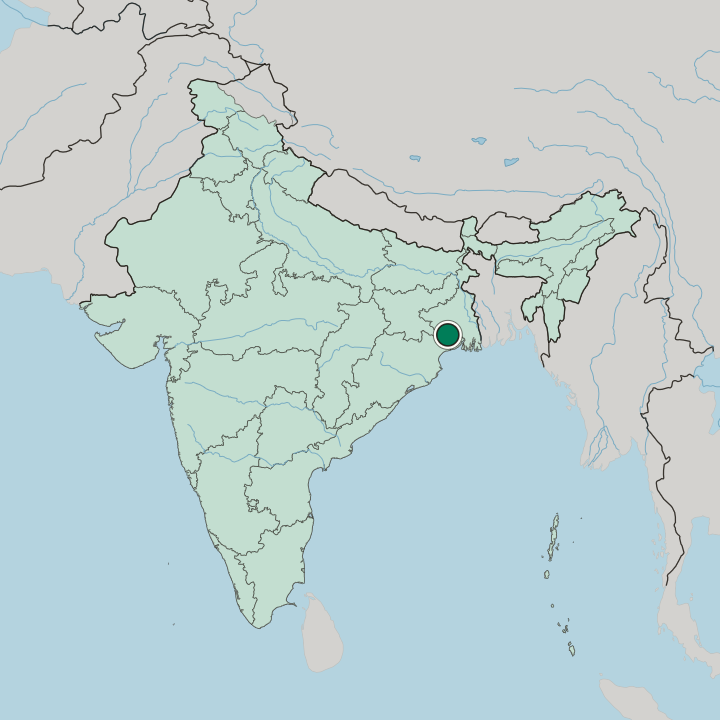
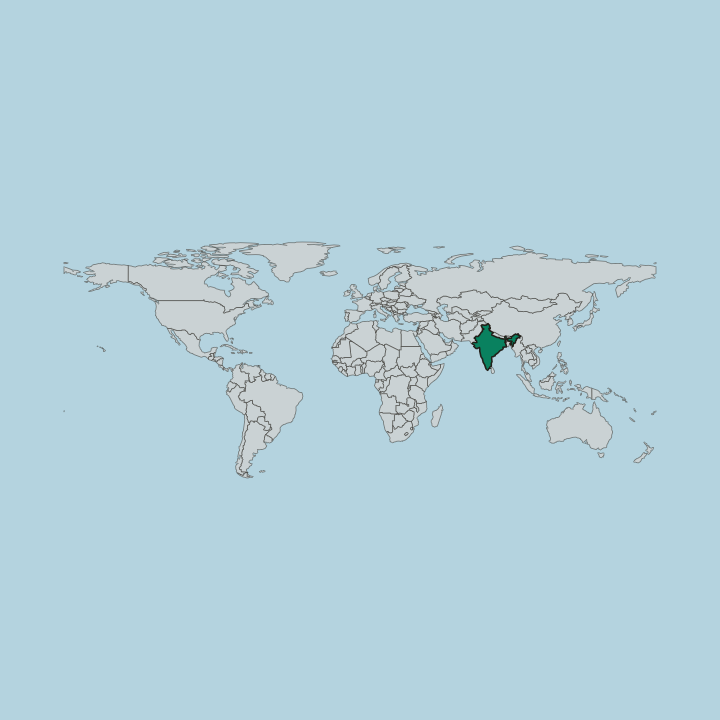
Flat country surrounds it. Kharagpur stands roughly 120 km west of Kolkata, within the Paschim Medinipur district of West Bengal, on ground that gives the city room to spread rather than climb. The built-up area is broad and semi-planned, spilling across a stretch of the plain that has no natural boundary to check it.
Rail lines rather than a river or a ridge divide the place, and Kharagpur Junction sits where they converge.
What is the climate of Kharagpur?
Heat comes first here. Kharagpur lies in the tropical band, so the hot months before the rains are long and the nights give back little of what the day put in. Then the monsoon arrives.
Rain reorders the year across the Paschim Medinipur plain, breaking the heat unevenly and turning the flat ground around the junction heavy and slow for weeks at a time. Winter is short and dry.
How do you get to Kharagpur?
Trains do nearly all of it. Kharagpur Junction is the headquarters of the Kharagpur Division of South Eastern Railway, and services from Kolkata and from stations further down the line call there through the day and the night. Kolkata lies about 120 km east.
Road traffic follows the same corridor, and most arrivals from the state capital or from the smaller towns of the Paschim Medinipur district end up at the same handful of streets around the station.
Common questions
What is the best area to stay in Kharagpur?
Around Kharagpur Junction: night arrivals and one-stop changes on the South Eastern Railway. IIT Kharagpur side: campus visits, admissions weeks and conferences at the institute. Kharagpur town centre: bazaar evenings near St. John's Church and the Dakshinakali temple.
Good for
More cities in West Bengal
Updated September 2026