India · West Bengal
Where to Stay in Koch Bihār, West Bengal
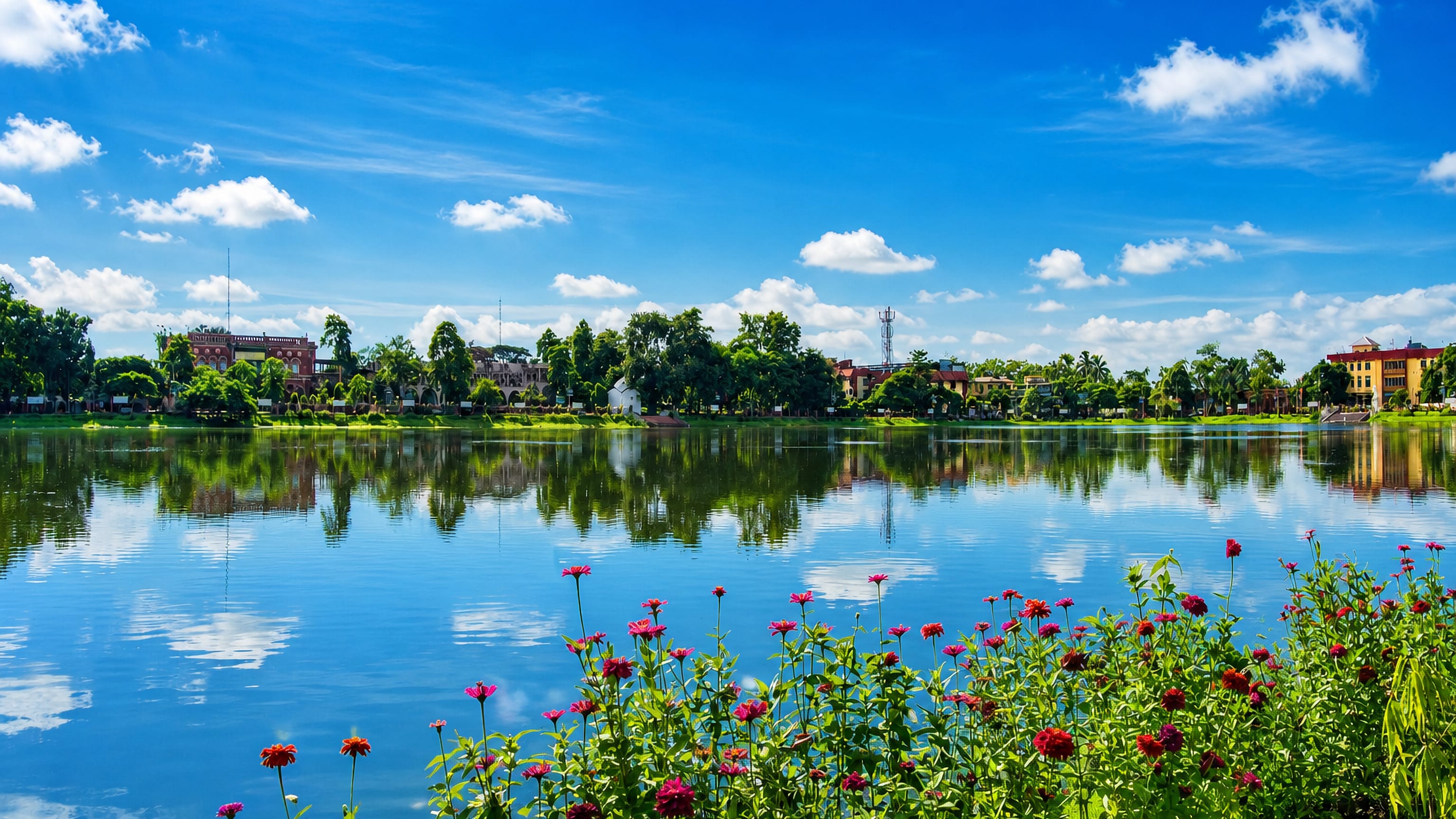
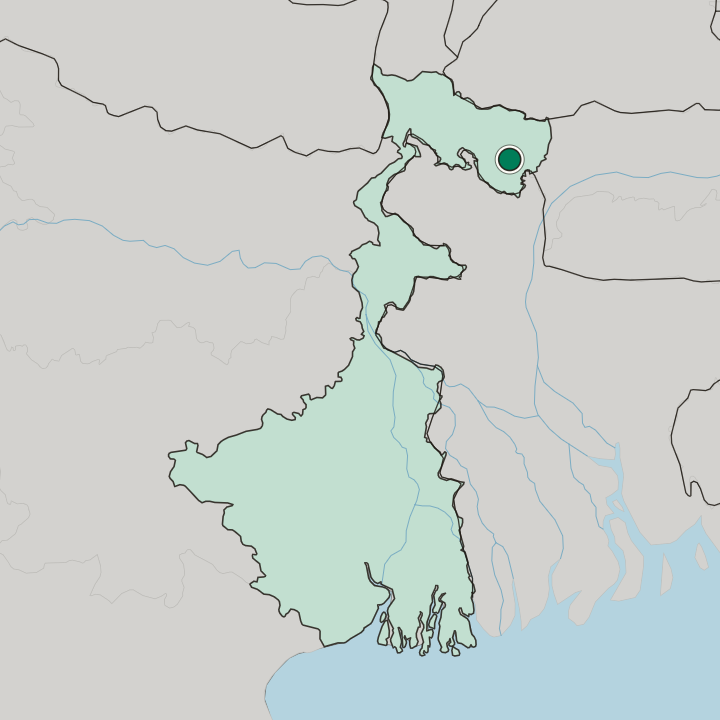
Koch Bihār stands on the Torsa river in West Bengal, a planned town built around the palace of the princely state of Cooch Behar.
Hotel links are affiliate links: booking through them may earn us a commission, at no extra cost to you. It never affects how places are ranked. How this works


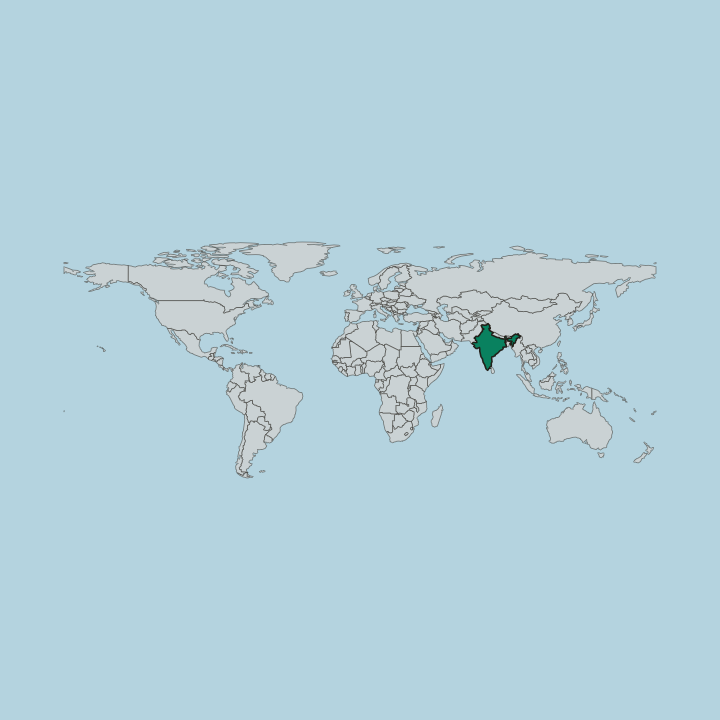
Where to stay in Koch Bihār
Where visitors usually base themselves, and why.
Beds concentrate near the palace. Cooch Behar Palace and the Madan Mohan Temple sit close enough to one another that a stay anywhere between them puts the heritage core, the district offices and the market within a walk, and that is where most rooms in Koch Bihār are. Little of it lies beyond that walk.
Nothing in the planned town takes long to cross on foot, so the usual question is not distance but whether a room faces the quiet side. The town is also the headquarters of the Cooch Behar district, so its hotels take a steady share of official visitors alongside travellers, and the two groups compete for the same handful of central rooms. Toward the Torsa the mood changes.
Ground near the river is looser and greener, with Parijat Villa and the Cooch Behar District Judge's Bunglow standing among the older houses that survive from the era of the British Raj. Rooms there are fewer. Anyone here for the Rail Museum, Cooch Behar or for day trips out into the Cooch Behar district will still find the centre more practical, since transport gathers at the palace end rather than along the water.
Book ahead in festival weeks. Madan Mohan Temple pulls crowds that a town of this size absorbs slowly, and the small stock of hotels fills well before anything else does.
Find hotels in Koch Bihār
Direct booking searches for these neighbourhoods.
Palace quarter
The heritage core of the planned town, with the district offices and the market lying between the palace and the temple.Find hotels in Palace quarterquieter nights on the greener ground near Parijat VillaTorsa riverside
Older houses set well back from the traffic, including the Cooch Behar District Judge's Bunglow, on the softer ground toward the Torsa. Few places to stay nearby — book ahead.Find hotels in Torsa riversideearly starts into the wider Cooch Behar districtRail Museum end
Practical ground around the Rail Museum, Cooch Behar for anyone leaving at first light rather than sightseeing on foot.Find hotels in Rail Museum endHotel links are affiliate links: booking through them may earn us a commission, at no extra cost to you. It never affects how places are ranked. How this works
About Koch Bihār
Royalty explains the plan.
What is Koch Bihār known for?
Cooch Behar Palace anchors a town laid out for a princely state rather than grown outward from a village, which is why Koch Bihār carries the status of a heritage town. The Madan Mohan Temple draws pilgrims. Beyond those two, the town is counted a cultural hub of Bengal and one of the main tourist destinations in West Bengal, with the Torsa river running past its edge.
What are the main landmarks in Koch Bihār?
Four buildings define the visit. Cooch Behar Palace is the reason the town appears on any itinerary, a princely residence that the rest of the planned town was arranged around. The Madan Mohan Temple is the other magnet.
Parijat Villa and the Cooch Behar District Judge's Bunglow fill in the domestic and administrative side of the same era, while the Rail Museum, Cooch Behar adds a railway collection to the list.
What is the history of Koch Bihār?
A dynasty made this town. Koch Bihār was the seat of the princely state of Cooch Behar, and under the British Raj that arrangement gave the ruling house both a capital to build and the freedom to lay it out deliberately rather than let it accrete. The result was a plan.
In the North Bengal region it is the only planned city with royal heritage, which is the claim the town still rests on. Cooch Behar Palace came out of that ambition. Around it stand the offices, residences and the temple of the same period, so the Madan Mohan Temple, Parijat Villa and the Cooch Behar District Judge's Bunglow read as one chapter of building.
The princely state belongs to the past now. What replaced it was administrative: Koch Bihār became the headquarters of the Cooch Behar district, and the palace passed from a residence into a monument that visitors come to see. The river was always there.
The Torsa runs past the town, and the city stands on its bank, which is the one part of the site that owed nothing to any plan. Heritage status followed. Koch Bihār has been declared a heritage town, and it is counted a cultural hub of Bengal as much as a stop on a West Bengal itinerary.
Where is Koch Bihār?
The Torsa sets the edge. Koch Bihār stands on the bank of that river in the North Bengal region, on flat ground that runs away from the town without a hill in sight. Compact is the word for Koch Bihār.
Its planned core covers a small area, and the Cooch Behar district spreads around it in fields and small settlements rather than in any competing urban centre.
What is the climate of Koch Bihār?
Wet and dry split the year. The monsoon fills the Torsa and turns the flat ground of the Cooch Behar district heavy for weeks, and the wet months are the reason travel here is planned around a season rather than a month. Winters are dry and cool.
Koch Bihār sits in the subtropical band, so the cold never bites for long, though the mornings that follow the rains stay damp along the Torsa.
How do you get to Koch Bihār?
Nothing here arrives by air. Koch Bihār is the headquarters of the Cooch Behar district, which is why road and rail routes across this part of the North Bengal region converge here rather than at any neighbouring town. The railway has a long record.
Its own museum, the Rail Museum, Cooch Behar, sits in the town, and the line remains the usual approach for anyone travelling in from further along West Bengal.
Common questions
What is the best area to stay in Koch Bihār?
Palace quarter: walking between Cooch Behar Palace and the Madan Mohan Temple. Torsa riverside: quieter nights on the greener ground near Parijat Villa. Rail Museum end: early starts into the wider Cooch Behar district.
More cities in West Bengal
Updated September 2026