Italy · Piemonte · Turin
Barriera di Milano, Turin — Area Guide & Where to Stay
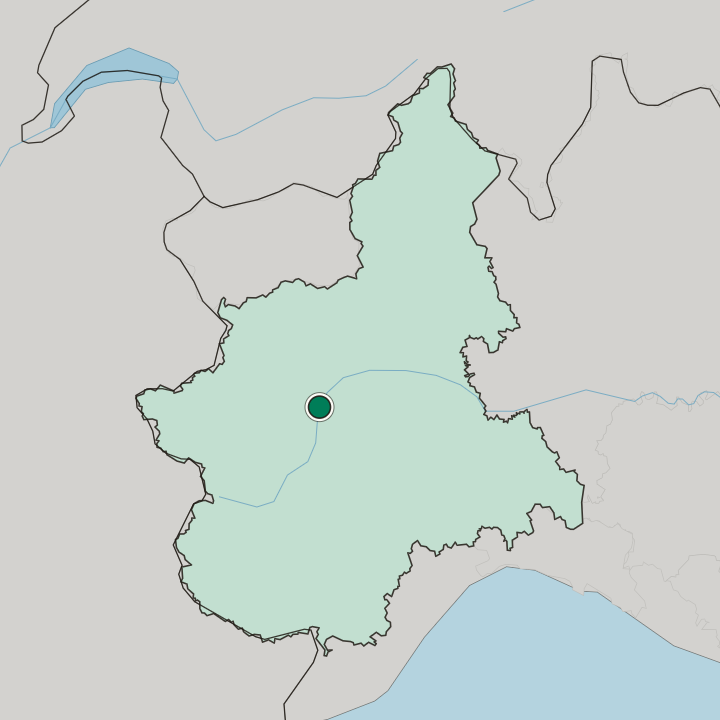
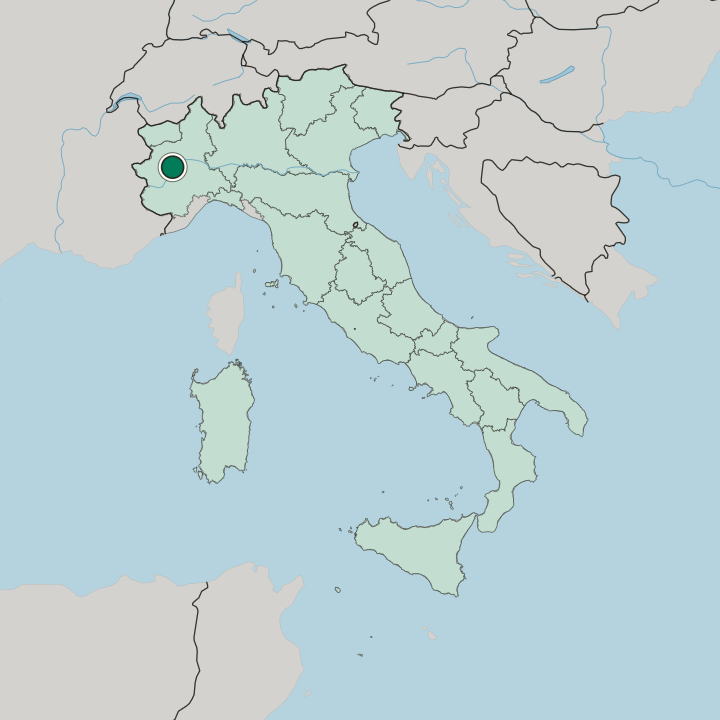
Barriera di Milano is a quarter of Turin's Circoscrizione 6, 1.5 km north of the centre, named for the piazza Crispi customs gate on the road to Milan.
Hotel links are affiliate links: booking through them may earn us a commission, at no extra cost to you. It never affects how places are ranked. How this works


Where to stay in Barriera di Milano
The practical side of choosing where to sleep.
Four markets set the rhythm. Via Porpora, piazza Crispi, piazza Foroni and corso Taranto each run one, and Foroni in the middle of the quarter is the one worth planning around, with clothes and household goods on one side and fresh food on the other. The main streets are easy to learn.
Corso Giulio Cesare runs north to south and links the centre to the start of the motorway, corso Vercelli joins the two halves of the quarter, and via Cigna carries the traffic in from a centre only four kilometres off. Rooms here are cheap and plain.
About Barriera di Milano
What are the main landmarks in Barriera di Milano?
The cable works are the monument. Vittorio and Giuseppe Tedeschi founded the plant between via Cigna and corso Vigevano in 1888, it employed 250 people by 1898 and 616 by 1911, and the firm built housing for its own workers along corso Vigevano at the same time. It took the name INCET in 1938.
Bombing on the night of 13 July 1943 nearly stopped production, Pirelli absorbed the works and kept the name until 1968, and after decades of decay the site was rebuilt for services and small firms between 2009 and 2015, its inner square named for the partisan and constituent assembly member Teresa Noce. Docks Dora is the other survivor. Built on via Valprato as a goods warehouse in 1912, it now holds nightclubs, studios and shops, and the church of Maria Regina della Pace on corso Giulio Cesare is the one piece of architecture on the main axis worth stopping at.
What is the history of Barriera di Milano?
The quarter begins with a tax line. Barriera di Milano came into being with the first customs wall of 1853, which controlled goods coming in from the north toward the bridge over the Dora, and the gate on piazza Crispi that faced Milan gave the place its name. Cheap land outside the wall did the rest.
Factories went up here from the second half of the 19th century because ground was cheaper beyond the barrier and no duty fell on building, and the rivers and canals supplied the water power. Textiles, cable and rubber followed each other. Fratelli Piacenza worked in via Bologna, INCET made electrical cable from 1888, and CEAT made tyres in via Leoncavallo from 1939 until production stopped in 1979 and the plant shut for good in 1982.
Food and small trades filled the gaps. The Wamar biscuit works ran on corso Vigevano from the 1930s until 1991, Lavazza had its plant and offices on corso Novara, Quercetti has made educational toys on corso Vigevano for sixty years, and the Ombrellificio Torinese in via Sesia has been making umbrellas by hand since 1932.
Where is Barriera di Milano?
Barriera di Milano sits north of Turin's centre between corso Vigevano and corso Novara on the south, corso Venezia and the passante ferroviario on the west, and via Sempione and via Gottardo on the north and east toward Rebaudengo.
More areas in Turin
Updated September 2026