Italy · Sicilia
Where to Stay in Gela, Sicilia
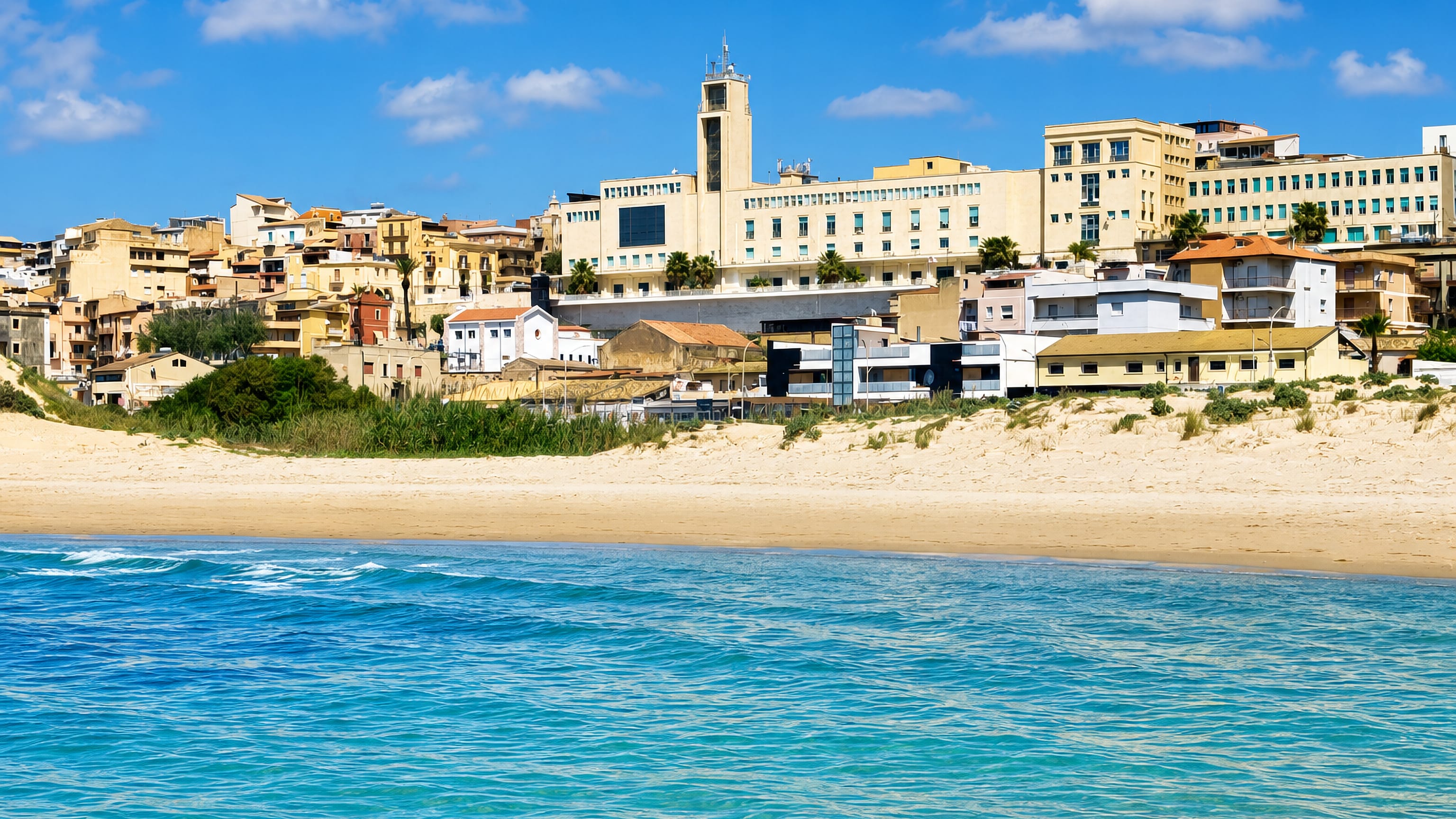
Gela is an ancient Greek foundation on the Sicilian coast, settled around 688 BC by colonists from Rhodes and Crete.
Hotel links are affiliate links: booking through them may earn us a commission, at no extra cost to you. It never affects how places are ranked. How this works


Where to stay in Gela
Where the beds are, and what that means for the visit.
Two anchors set the choice in Gela: Maria Santissima Assunta in Cielo in the built-up streets, and the archaeological ground at the Acropolis of Gela. A room in the town proper puts the Regional Archaeological Museum of Gela, the Greek Shipwrecks Museum, and churches such as San Giacomo Maggiore and the Church of Saint Francis of Assisi inside a day's walking, which is how most visitors use the place. Guest rooms number few in Gela.
Gela is a working city rather than a resort, so rooms are better arranged in advance than trusted to arrival, particularly when something is on at PalaCossiga. The other option faces the excavations. Bosco Littorio and the Walls of Timoleon mark the archaeological edge of Gela, and a stay in that direction suits a visit built around the Greek baths of Gela and the museum collections rather than around the shops.
Walking distances stay short in the older streets, where the Chiesa del Santissimo Salvatore e Rosario and Maria Santissima Assunta in Cielo belong to the ordinary fabric rather than to a set-piece quarter. Check the museum days. The Regional Archaeological Museum of Gela and the Greek Shipwrecks Museum carry the finds that explain the site, and a visit that misses them leaves the Acropolis of Gela as bare stone.
Find hotels in Gela
Direct booking searches for these neighbourhoods.
The streets by Maria Santissima Assunta in Cielo
Ordinary town fabric around Maria Santissima Assunta in Cielo, with San Giacomo Maggiore and the Regional Archaeological Museum of Gela in reach. Beds are limited here, so book early.Find hotels in The streets by Maria Santissima Assunta in CieloDays built around the Acropolis of Gela and the Greek bathsTowards the Acropolis of Gela
The excavated edge of the city, where Bosco Littorio and the Walls of Timoleon set the ground. Rooms are few around here — worth securing early.Find hotels in Towards the Acropolis of GelaNights tied to whatever is on at PalaCossigaBy PalaCossiga
The modern side of Gela, useful when the arena has an event and central rooms are takenFind hotels in By PalaCossigaHotel links are affiliate links: booking through them may earn us a commission, at no extra cost to you. It never affects how places are ranked. How this works
Things to do in Gela
Ranked by global recognition; descriptions from Wikidata (CC0).
Museums & Galleries
2- Regional Archaeological Museum of Gela Heritage
- Greek Shipwrecks Museum
Churches & Religious Sites
3- San Giacomo Maggiore Heritage
- Maria Santissima Assunta in Cielo
- Church of Saint Francis of Assisi
Castles & Historic Sites
3- Walls of Timoleon
- Acropolis of Gela
- Greek baths of Gela
Stadiums & Sports
1- PalaCossiga
worth knowingacross 4 categories in Gela
About Gela
The Greeks came first.
What is Gela known for?
Colonists from Rhodes and Crete founded Gela around 688 BC, and what they left is still the reason to stop: the Acropolis of Gela, the Greek baths of Gela, and the Walls of Timoleon. The Regional Archaeological Museum of Gela holds the finds, and the Greek Shipwrecks Museum carries the sea end of the same story. Gela is one of the few comuni in Italy that outgrew its own provincial capital, and the Province of Caltanissetta administers a coastal town larger than the seat that gives it its name.
What are the main landmarks in Gela?
The Acropolis of Gela is the centrepiece, with the Greek baths of Gela and the Walls of Timoleon completing the Greek record above ground. Bosco Littorio belongs to the same ground. Indoors, the Regional Archaeological Museum of Gela and the Greek Shipwrecks Museum take over, while Maria Santissima Assunta in Cielo, San Giacomo Maggiore, the Church of Saint Francis of Assisi, and the Chiesa del Santissimo Salvatore e Rosario carry the later town.
PalaCossiga is the modern outlier.
What is the history of Gela?
Gela begins with a colony. Settlers from Rhodes and Crete founded the city around 688 BC, which puts it among the oldest continually inhabited settlements in this part of Italy. The Acropolis of Gela holds the oldest ground, the Greek baths of Gela survive from the same civic world, and the Walls of Timoleon carry a Greek name into the modern street plan.
Bosco Littorio sits with them. Excavation has kept the Greek city legible, and the Regional Archaeological Museum of Gela gathers what came out of the ground into one account. The sea carried the trade.
The Greek Shipwrecks Museum takes its subject from the water, and the shipping that a colony from Rhodes and Crete depended on runs as a through-line from the ancient site to the modern town. Churches record the later centuries: Maria Santissima Assunta in Cielo, San Giacomo Maggiore, the Church of Saint Francis of Assisi, and the Chiesa del Santissimo Salvatore e Rosario. Growth came later still.
Gela ended up the largest comune in the Province of Caltanissetta, one of the few in Italy to outgrow the capital that administers it, and PalaCossiga belongs to that modern chapter rather than to the Greek one.
Where is Gela?
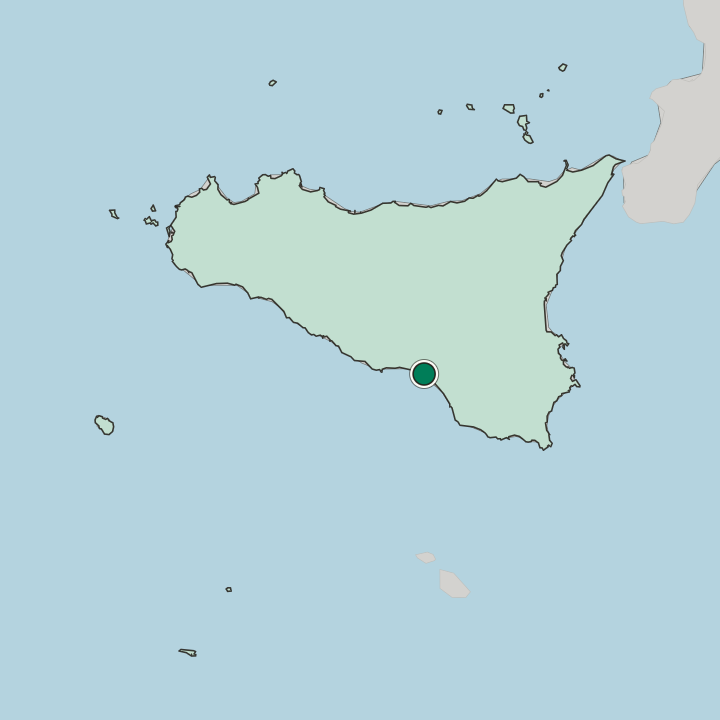
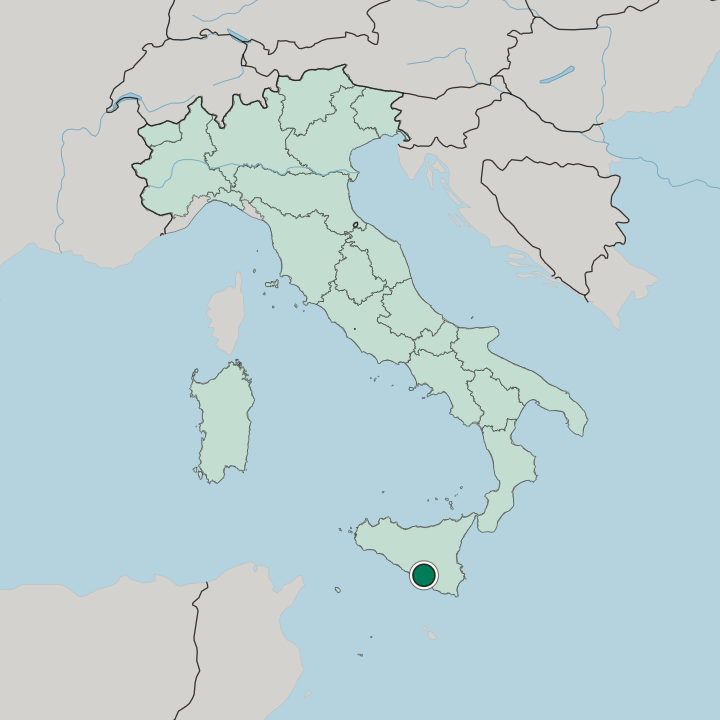
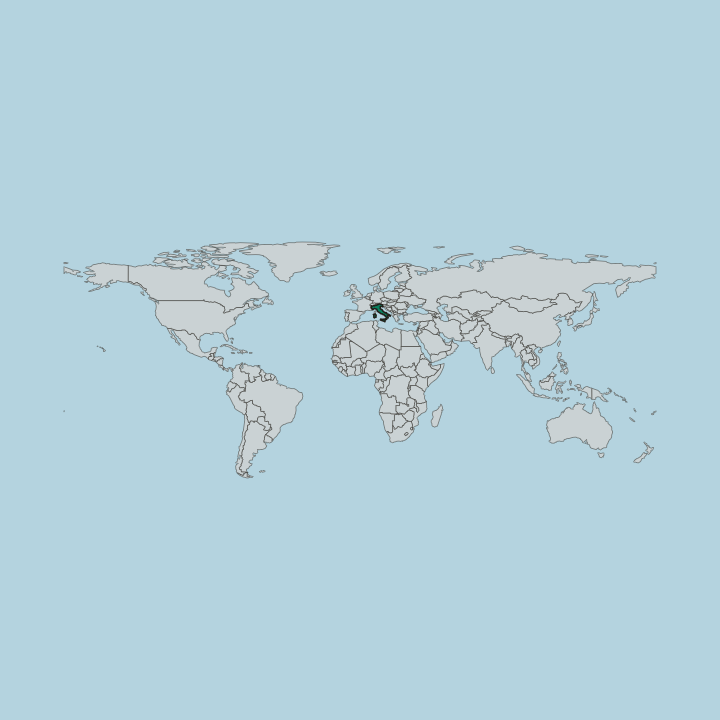
Gela sits on the coast. The municipality takes in more ground than any other along that shore of Sicily, which is why the built-up streets, the Acropolis of Gela, and open country all fall inside the same comune. The Province of Caltanissetta reaches down to the water here, and Gela is the part of it that faces the sea.
What is the climate of Gela?
Open water governs Gela's weather. Gela lies in the temperate band on an open coast, and the water moderates the town in both directions, taking the edge off the hottest hours and holding the cold season milder than it would otherwise be. Excavated ground offers little shade, so a walk over the Acropolis of Gela and along the Walls of Timoleon is easier early than in the middle of a summer day.
How do you get to Gela?
Arrivals come from within Sicily. Gela belongs to the Province of Caltanissetta, and the city is the point on that province's coast where visitors turn up for the Acropolis of Gela, the Greek baths of Gela, and the Walls of Timoleon. The museums are the first stop.
The Regional Archaeological Museum of Gela and the Greek Shipwrecks Museum both keep set hours, and a day that starts with them makes more sense of the excavated ground than one that starts on the site.
Common questions
What is the best area to stay in Gela?
The streets by Maria Santissima Assunta in Cielo: Museum days and the churches of central Gela. Towards the Acropolis of Gela: Days built around the Acropolis of Gela and the Greek baths. By PalaCossiga: Nights tied to whatever is on at PalaCossiga.
Good for
More cities in Sicilia
Updated October 2026