Italy · Sicilia
Where to Stay in Catania, Sicilia
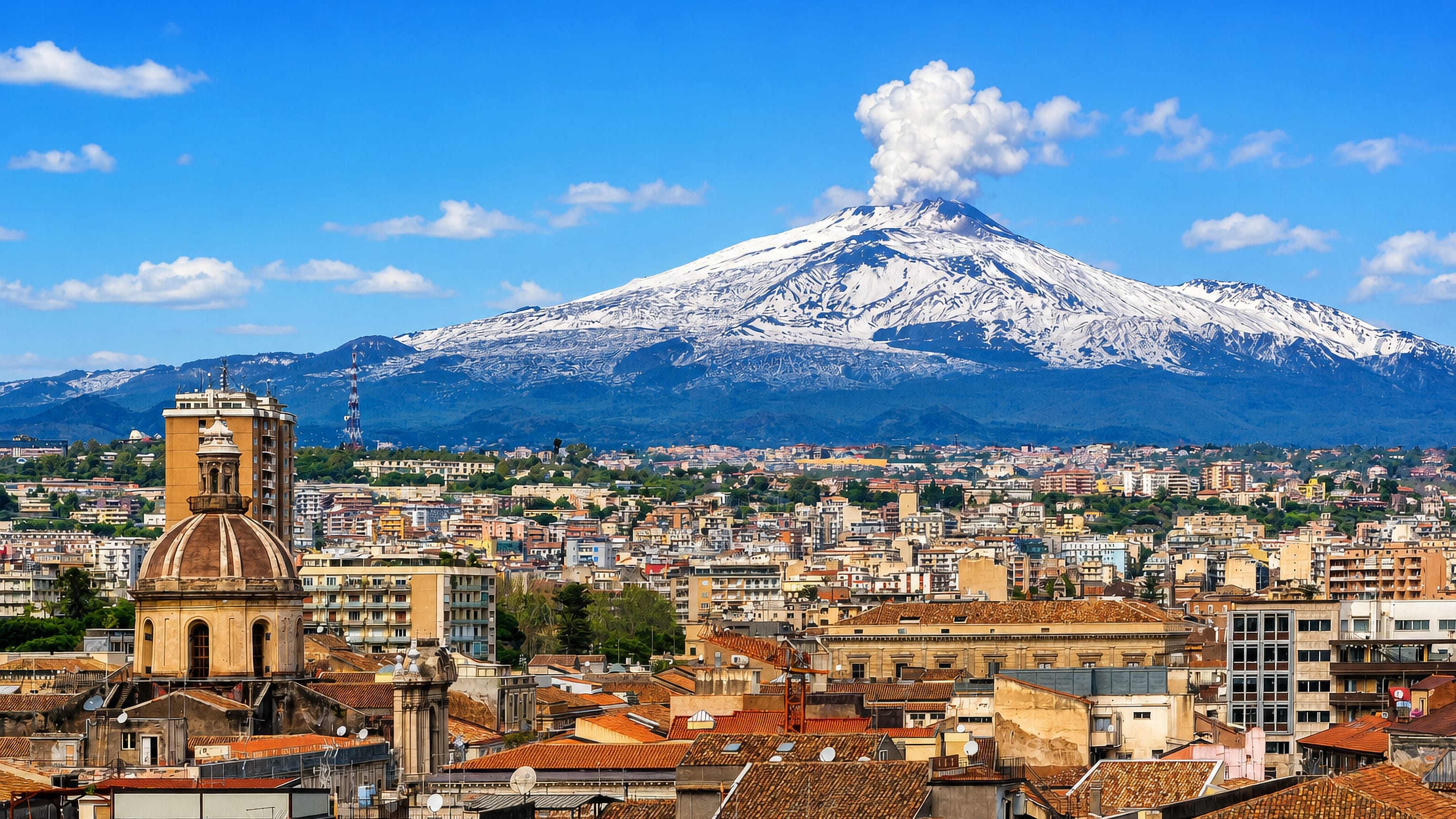
Catania stands on the Ionian Sea at the foot of Mount Etna, a baroque city rebuilt after the earthquake of 1693 and the second city of Sicily.
Hotel links are affiliate links: booking through them may earn us a commission, at no extra cost to you. It never affects how places are ranked. How this works


Where to stay in Catania
One neighbourhood here has its own guide — here's what it is best for.

 CataniaItaly
Cibali
Cibali, Cìfali in Sicilian, is a quarter of Catania in the IV Municipio, its name from the Greek kephalé for the head or source of the Longane river.Where to stay →Hotel links are affiliate links: booking through them may earn us a commission, at no extra cost to you. It never affects how places are ranked. How this works
Find hotels in Catania
Direct booking searches for these neighbourhoods.
Around Catania Cathedral
The rebuilt heart of Catania, with the Badia di Sant'Agata and the Basilica della Collegiata a short walk from the cathedralFind hotels in Around Catania CathedralRoman ground under Castello Ursino, away from the late tradeThe Castello Ursino side
Older fabric on the castle side of Catania, with the Terme della Rotonda and the Roman Theatre of Catania closeFind hotels in The Castello Ursino sideSpace near Le Ciminiere for arrivals driving in SicilyLe Ciminiere
Apart from the baroque grid of Catania, with the exhibition halls as the anchor and parking easierFind hotels in Le CiminiereHotel links are affiliate links: booking through them may earn us a commission, at no extra cost to you. It never affects how places are ranked. How this works
Things to do in Catania
Ranked by global recognition; descriptions from Wikidata (CC0).
Museums & Galleries
1- Le Ciminiere (Catania)
Churches & Religious Sites
8- Catania Cathedral Heritage
- Badia di Sant'Agata Heritage
- Basilica della Collegiata Heritage
- Sant'Agata al Carcere Heritage
- San Giuliano Heritage
Show 3 more →
- San Placido Heritage
- Santa Maria di Gesù, Catania Heritage
- San Domenico Heritage
Castles & Historic Sites
4- Castello Ursino Heritage
- Elephant Fountain Heritage
- Roman Theatre of Catania Heritage
- Odeon of Catania Heritage
worth knowingacross 3 categories in Catania
About Catania
Rebuilding is the story here.
What is Catania known for?
The earthquake of 1693 flattened Catania, and the rebuilding that followed gave the city the baroque architecture and urban design that still mark it out from Palermo and the rest of the island. Catania Cathedral, the Elephant Fountain, and the Basilica della Collegiata are the buildings visitors are pointed to first. Students and nightlife fill the streets after dark, and the university trade gives the rebuilt quarters a second life that the monuments alone would not.
What are the main landmarks in Catania?
The Elephant Fountain is the city's shorthand, and behind it Catania Cathedral, the Badia di Sant'Agata, and the Basilica della Collegiata carry the baroque rebuilding in its most concentrated form. Rome left more than expected. The Roman Theatre of Catania, the Odeon of Catania, the Roman amphitheatre of Catania, the Foro romano di Catania, and the Terme della Rotonda all survive inside the built-up streets.
Castello Ursino keeps its own ground away from the churches, while Casa Museo Giovanni Verga, the Emilio Greco Museum, and the Diocesan museum hold the collections.
What is the history of Catania?
Rome is the oldest layer on show. The Roman Theatre of Catania and the Odeon of Catania remain within the built-up streets, the Roman amphitheatre of Catania surfaces nearby, and the Foro romano di Catania and the Terme della Rotonda complete a set that later building grew around rather than erased. Castello Ursino is the one fortress in the register, standing among the churches as the one building raised for defence rather than worship.
The name Sant'Agata recurs. Both the Badia di Sant'Agata and Sant'Agata al Carcere carry it, and the Diocesan museum keeps the record of that church tradition in one place. Then came the earthquake of 1693.
The shock destroyed most of the city, and the rebuilding that followed produced the baroque architecture and the urban design that still set Catania apart. The church register runs long: San Benedetto, San Placido, San Giuliano, San Francesco Borgia, San Domenico, Santa Maria di Gesù, San Camillo dei Mercedari, and the Monastero della Santissima Trinità. Names repeat for a reason.
Santissima Trinità, the Basilica della Collegiata, and the Badia di Sant'Agata show how much of the rebuilt city was religious foundation, while Casa Museo Giovanni Verga, the Emilio Greco Museum, and the Monument to Blessed Giuseppe Dusmet record the civic side that came with it.
Where is Catania?
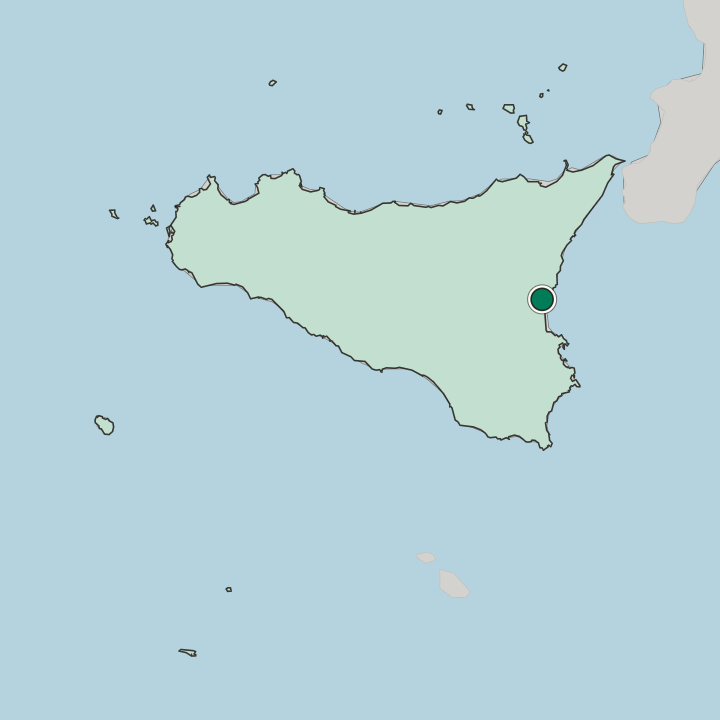
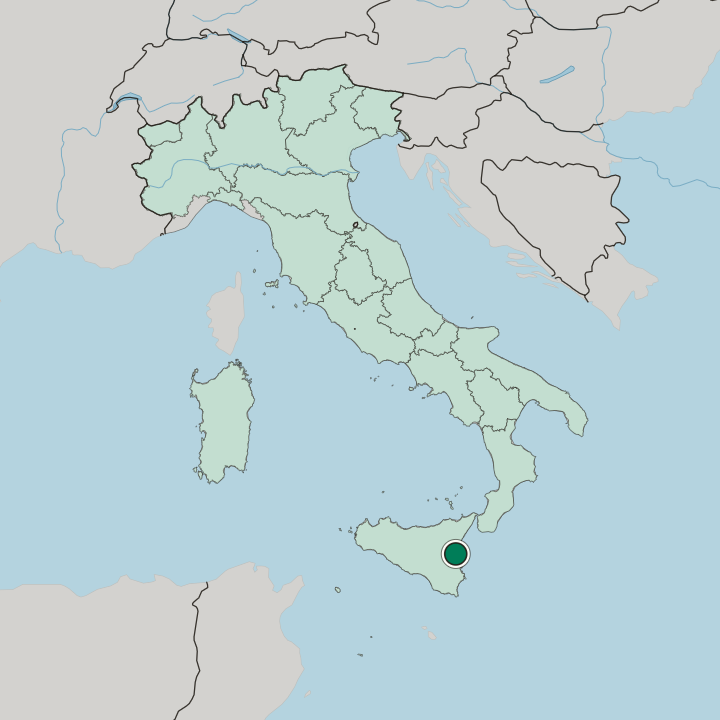
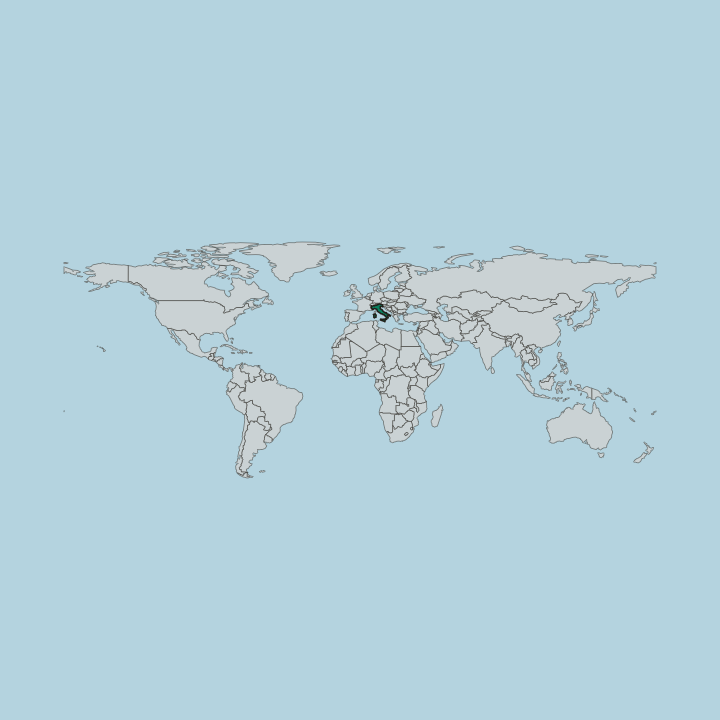
Mount Etna decides the setting. The city sits at the foot of the biggest volcano in Europe, facing the Ionian Sea, so the ground behind the built-up streets climbs while the front of it stays down at the water. Sicily is an island, and Catania is its second city after Palermo, the middle of a densely settled conurbation reaching inland from the shore.
The Metropolitan City of Catania gathers 58 municipalities around it.
What is the climate of Catania?
The Ionian Sea does the moderating here, holding the coastal temperate band steady enough that the shore keeps its mild winters, while Mount Etna behind the city keeps weather of its own. Shade matters in high summer. Walkers crossing the open squares by the Elephant Fountain and Catania Cathedral notice the difference between the exposed baroque frontages and the lanes behind them.
How do you get to Catania?
Sicily's main airport is here. Flights into Catania serve the whole island, which makes the city the usual point of arrival for visitors heading anywhere between Palermo and the smaller towns of the Metropolitan City of Catania. Road and rail do the rest, with the transport infrastructure that made Catania a hub still carrying most of the movement across the island.
Common questions
What is the best area to stay in Catania?
Around Catania Cathedral: Baroque squares, the Elephant Fountain, and late nights. The Castello Ursino side: Roman ground under Castello Ursino, away from the late trade. Le Ciminiere: Space near Le Ciminiere for arrivals driving in Sicily.
Good for
More cities in Sicilia
Updated October 2026