Italy · Sicilia
Where to Stay in Trapani, Sicilia
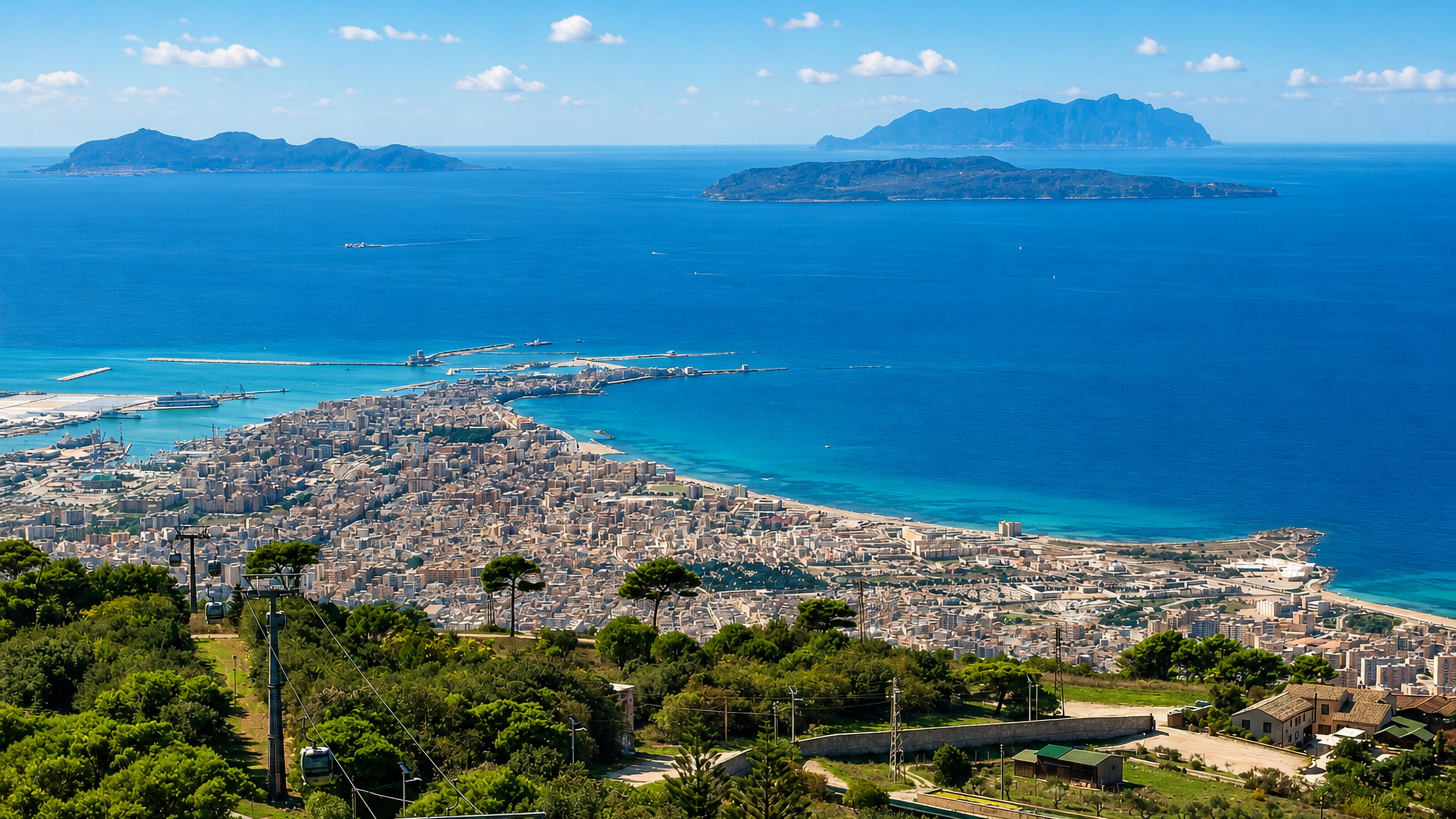
Trapani runs out along a narrow peninsula on the west coast of Sicily, a walled fishing port and provincial capital held between two seas.
Hotel links are affiliate links: booking through them may earn us a commission, at no extra cost to you. It never affects how places are ranked. How this works


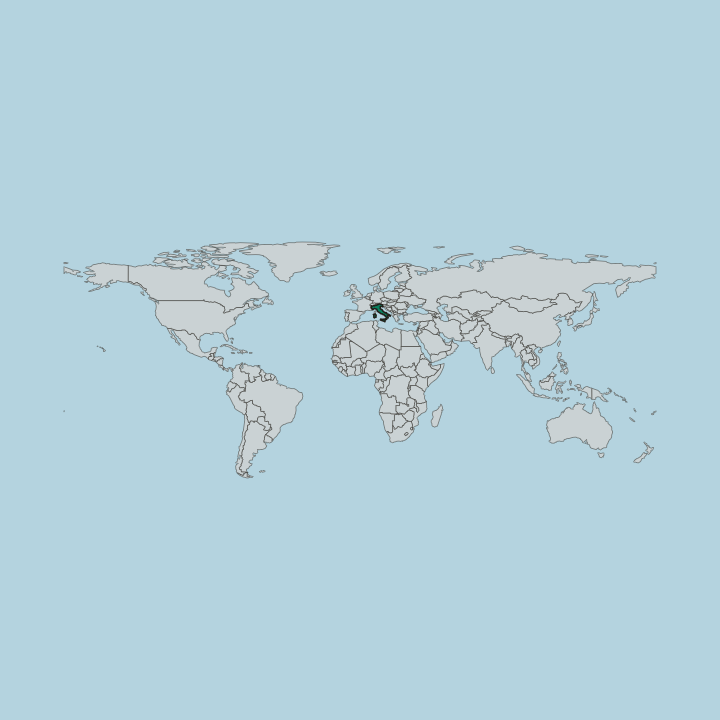
Where to stay in Trapani
The practical side of choosing where to sleep.
The peninsula holds most of the beds. Rooms inside the old walls put Trapani Cathedral, San Pietro Apostolo, and the Museo civico Torre di Ligny within a few minutes of each other, with the sea on both sides of the street grid. Immacolata Concezione and Santa Maria dell'Itria fall on the same short circuit.
Antiquarium di Trapani and Torre della Colombara extend that list without adding much distance. The Tramontana walls carry the seafront promenade, and a room near them trades quiet for open water at the doorstep. The port end suits movers.
Ferries and cruise ships use the working port, so a base at that end suits anyone crossing to the Egadi Islands early or arriving late off a boat. Colombaia Castle belongs to the same harbour story. Inland from the point, the streets around the Museo Agostino Pepoli and the San Rocco Museum of Contemporary Art are quieter, further from the quays, and easier for anyone driving in with a car to park.
Old walls still edge the centre. Beaches sit close either way. Pick by whether the boat or the museums come first.
Find hotels in Trapani
Direct booking searches for these neighbourhoods.
Inside the old walls
Trapani Cathedral, San Pietro Apostolo, and the Museo civico Torre di Ligny stand minutes apart on the peninsula, with water on both flanks.Find hotels in Inside the old wallsearly crossings to the Egadi IslandsThe port and Castello di Terra
Beds by the working port and the Castello di Terra suit boat departures, with Colombaia Castle standing out in the same water.Find hotels in The port and Castello di Terraquieter nights and arriving by carAround the Museo Agostino Pepoli
The streets by the Museo Agostino Pepoli and the San Rocco Museum of Contemporary Art sit back from the quays, where parking is less of a fight.Find hotels in Around the Museo Agostino PepoliHotel links are affiliate links: booking through them may earn us a commission, at no extra cost to you. It never affects how places are ranked. How this works
Things to do in Trapani
Ranked by global recognition; descriptions from Wikidata (CC0).
Museums & Galleries
3- Museo Agostino Pepoli Heritage
- Museo civico Torre di Ligny
- Salerniana
Churches & Religious Sites
3- Trapani Cathedral
- Immacolata Concezione
- San Pietro Apostolo
Castles & Historic Sites
3- Castello di Terra Heritage
- Drepana
- Colombaia Castle
Landmarks & Notable Places
1- Torre della Colombara Heritage
worth knowingacross 4 categories in Trapani
About Trapani
What is Trapani known for?
Fishing boats still work out of Trapani, alongside the ferries and cruise ships that tie the city to the Egadi Islands and give the quaysides their rhythm through the day. The old centre reaches the water. City walls frame it, and the seafront along the Tramontana walls gives the best of the views.
Administration accounts for the rest, since the city is the capital of the Province of Trapani.
What are the main landmarks in Trapani?
Trapani Cathedral leads the churches, with San Pietro Apostolo, Santa Maria dell'Itria, and Immacolata Concezione behind it. Two castles survive. Castello di Terra stands in the built-up city while Colombaia Castle keeps to the water, and the Torre della Colombara belongs to the same line of defensive building along this stretch of coast.
Museums fill out the rest: the Museo Agostino Pepoli, the Museo civico Torre di Ligny, the Antiquarium di Trapani, Salerniana, and the San Rocco Museum of Contemporary Art.
What is the history of Trapani?
The Elymians founded it. Drepana belongs to that first layer of the record, the name attached to the same headland long before the walls, the cathedral, or the province that carries the city's name. Position did the work: a narrow peninsula pushed out between two seas, with the historic centre running straight into the water and a working harbour alongside it.
Defence came with it. Castello di Terra and Colombaia Castle guarded the approach from different ground, and the Torre della Colombara stands in the same tradition of watching the water. City walls closed the rest, and the Tramontana walls survive as the seafront line the promenade follows.
Trapani Cathedral, San Pietro Apostolo, Santa Maria dell'Itria, and Immacolata Concezione mark the church building that went on behind them. Administration arrived as a second role, and the city carries the capital of the Province of Trapani, while the fishing fleet, the ferries, and later the cruise ships kept the older one going. The Museo Agostino Pepoli keeps much of what came out of that.
Boats still leave for the Egadi Islands.
Where is Trapani?
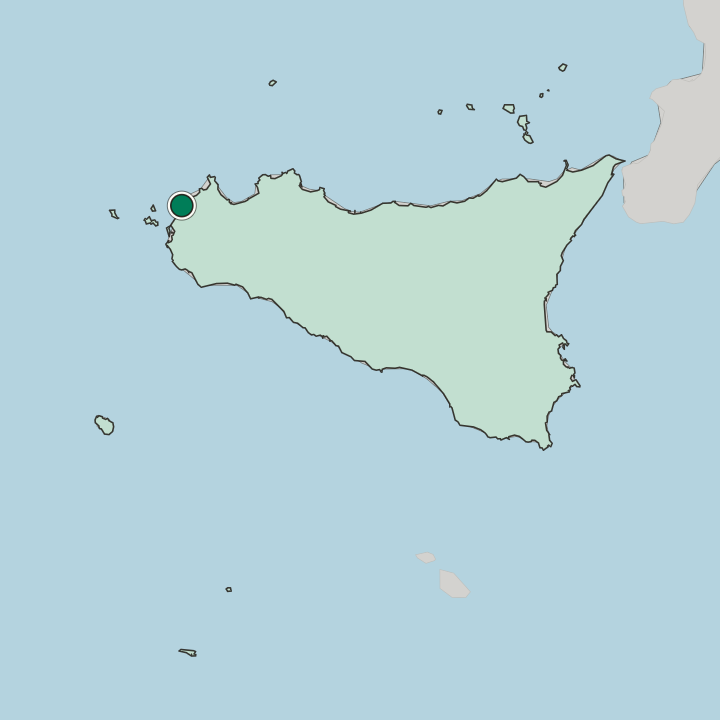
Two seas frame the city. Trapani occupies a narrow peninsula on the west coast of Sicily, pushed out between the Tyrrhenian and the Mediterranean, with the historic centre carried into open water. The Egadi Islands lie off it.
Beaches, city walls, and a working port share the same shoreline, and the comune reaches inland well beyond the built-up ground at the point.
What is the climate of Trapani?
Water surrounds the city on three sides, so the sea governs the temperature here more than the calendar does, damping both the summer peak and the winter floor. Wind is the other constant. The Tramontana walls take the weather straight off the water, and the seafront there is exposed in a way the inner streets are not.
Trapani sits in the temperate band of the northern hemisphere, so the warm months land mid-year.
How do you get to Trapani?
The port carries the traffic that matters, with ferries out to the Egadi Islands and cruise ships tying up alongside the working quays that the fishing fleet also uses. Roads come in along the peninsula. Everything narrows toward the point, so the old centre is walkable end to end, and the Castello di Terra, Trapani Cathedral, and the Museo civico Torre di Ligny fall on one line.
The rest of the Province of Trapani opens up beyond the peninsula.
Common questions
What is the best area to stay in Trapani?
Inside the old walls: walking between Trapani Cathedral and the Torre di Ligny. The port and Castello di Terra: early crossings to the Egadi Islands. Around the Museo Agostino Pepoli: quieter nights and arriving by car.
Good for
More cities in Sicilia
Updated October 2026