Italy · Sicilia
Where to Stay in Palermo, Sicilia
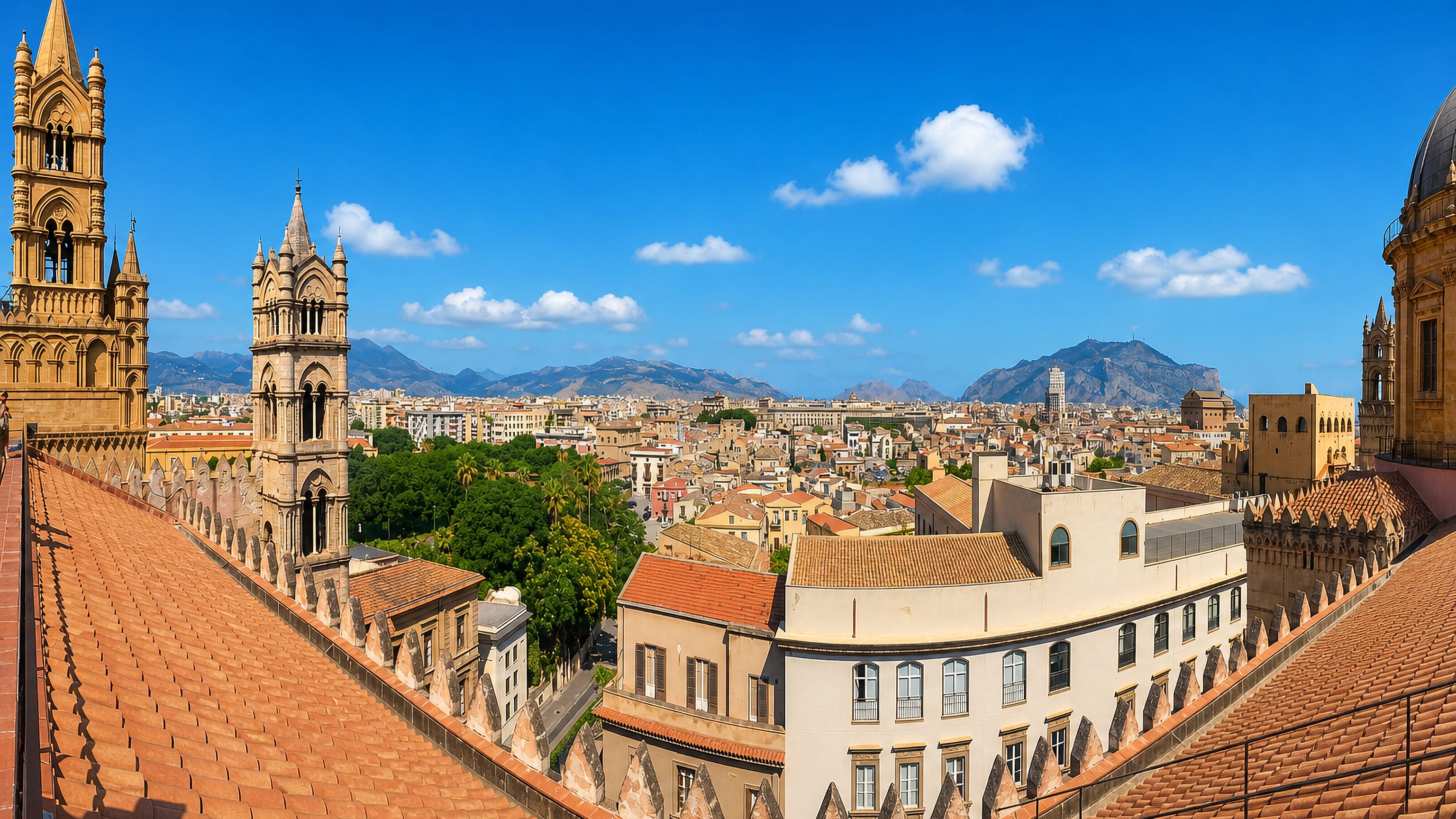
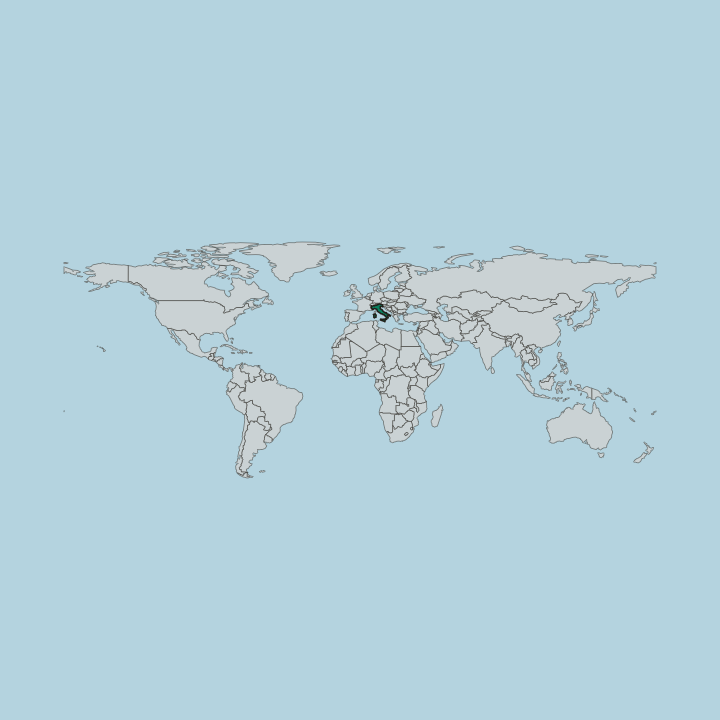
Palermo is the capital of Sicily, an Italian port city on the Tyrrhenian coast known for its Arab-Norman palaces and churches.
Hotel links are affiliate links: booking through them may earn us a commission, at no extra cost to you. It never affects how places are ranked. How this works


Where to stay in Palermo
Where you base yourself shapes the visit — here's the character of each area.

 PalermoItalyquieter seaward evenings near the Palazzo Abatellis gallery
Kalsa
Runs from the restored palazzi around Santa Teresa alla Kalsa down to the waterfront and the roofless Santa Maria dello Spasimo.Kalsa →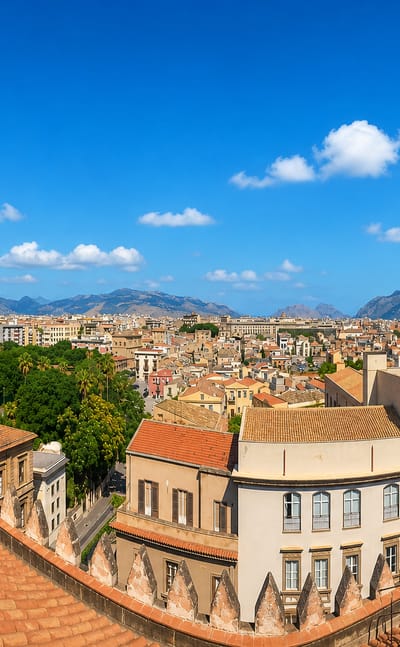 PalermoItaly
Ballarò
Ballarò is a quarter of Palermo, recorded among the old city's churches and palaces from Palazzo dei Normanni to Palermo Cathedral.Where to stay → PalermoItaly
Monte Pellegrino
Monte Pellegrino is an isolated carbonate promontory on the northern coast of Palermo, and the highest ground within the city perimeter.Where to stay →Hotel links are affiliate links: booking through them may earn us a commission, at no extra cost to you. It never affects how places are ranked. How this works
Find hotels in Palermo
Direct booking searches for these neighbourhoods.
Historic centre
Wraps the Palazzo dei Normanni and Palermo Cathedral, with the daily markets and main bus lines a short walk from most hotels. Few places to stay nearby — book ahead.Find hotels in Historic centretravellers who want to sleep away from the market crowdsOlivella
Sits beside the Antonino Salinas archaeological museum in a grid of calm residential streets north of the centre.Find hotels in OlivellaHotel links are affiliate links: booking through them may earn us a commission, at no extra cost to you. It never affects how places are ranked. How this works
Things to do in Palermo
Ranked by global recognition; descriptions from Wikidata (CC0).
Museums & Galleries
2- Regional Archaeological Museum Antonino Salinas Heritage Archaeological Museum
- Museum of Engines and Mechanisms technology museum
Churches & Religious Sites
8- Palermo Cathedral Heritage cathedral
- Martorana Heritage
- Church of the Gesù Heritage
- Chiesa di San Cataldo Heritage
- San Giovanni degli Eremiti Heritage
Show 3 more →
- San Domenico, Palermo Heritage
- San Giuseppe dei Teatini Heritage
- Santa Maria della Catena Heritage
Castles & Historic Sites
5- Palazzo dei Normanni Heritage
- Zisa Palace Heritage
- Palazzo Abatellis Heritage historic palazzo and art gallery
- Castello a Mare Heritage
- Natoli Palace Heritage Baroque palace museum
Landmarks & Notable Places
2- Torre del Rotolo Heritage tower
- Torre della Tonnara di Vergine Maria Heritage
worth knowingacross 4 categories in Palermo
About Palermo
Palermo is known above all for its Arab-Norman architecture.
What is Palermo known for?
The Palazzo dei Normanni and the church of the Martorana carry the geometric domes, mosaics, and pointed arches that earlier Muslim craftsmen and later Norman rulers fused into one unmistakable style across the city. Food matters here too. Palermo Cathedral rises over the old centre, and street markets fill the lanes below with the noise of Sicily's capital.
What are the main landmarks in Palermo?
Palermo keeps an unusual density of monuments. The Catacombe dei Cappuccini line their corridors with the preserved dead of the Capuchin order, while San Giovanni degli Eremiti raises bare red domes above a cloistered garden at the edge of the old town. Two more stand out.
The Zisa shows the Arab-Norman pleasure-palace tradition in plain ashlar walls, and the Palazzo Abatellis holds the regional gallery of early Sicilian art.
What is the history of Palermo?
The ancient city was called Panormus. More than a thousand years of conquest left their record in stone, and the Arab-Norman monuments are the clearest layer: the Palazzo dei Normanni, the Martorana, and San Cataldo fuse Islamic geometry with Norman building in a way found almost nowhere else. Norman kings ruled the island from that palace.
Two royal palaces stand apart from the old centre. The Zisa and the Cuba were built as Norman summer retreats, their cool halls and water channels showing how closely Norman patrons worked with Arab craftsmen. On the shore, the fortress of Castello a Mare once guarded the harbour, and its broken walls still trace the line of the medieval port.
Building did not stop there. Later centuries added grand churches like San Giuseppe dei Teatini and San Domenico, and noble families raised residences such as the Baroque Palazzo Natoli behind the main streets. The mix still defines the old core.
Each ruler built over the last, and the result is a dense centre where medieval domes and later facades stand within the same few streets.
Where is Palermo?
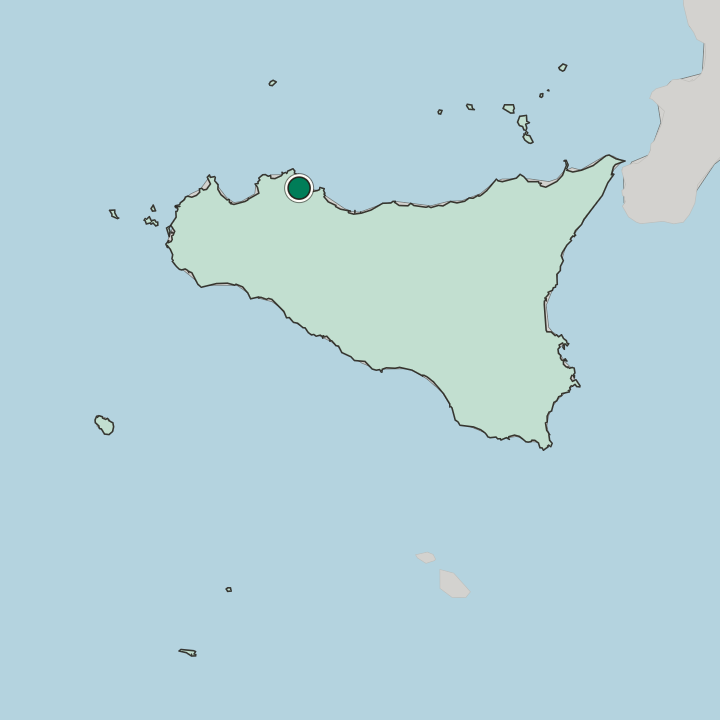
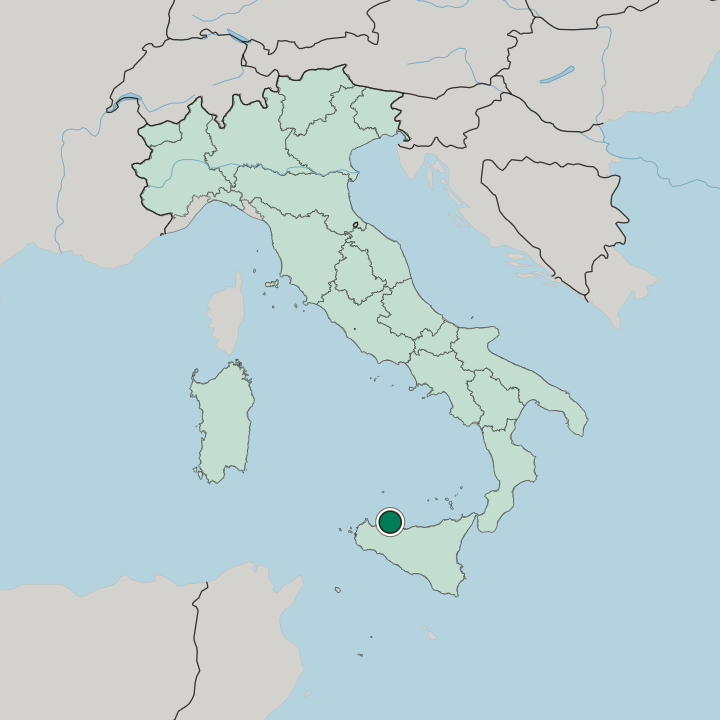
Palermo lies on the northern coast of Sicily. The city spreads over a coastal plain on the gulf that faces the Tyrrhenian Sea, hemmed between the sea and the hills that ring the bay. It is Sicily's largest city.
Roads and rail follow the shore east and west toward the rest of the island.
What is the climate of Palermo?
Palermo has a Mediterranean climate. Summers run hot and dry, with long stretches of clear settled weather, while the sea keeps the coast milder than the higher ground inland. Winters stay mild along the shore.
Most rain falls in the cooler months, blown in off the Tyrrhenian Sea, and snow on the coast is rare.
How do you get to Palermo?
Palermo sits on an island, so most visitors arrive by sea or air. Ferries cross the Tyrrhenian Sea from the Italian mainland to the city port, the same sheltered water that the fortress of Castello a Mare once guarded. The airport lies west along the coast.
From the city, coastal roads and rail lines run east and west across Sicily, linking Palermo to the other towns of the northern shore. Connections are easy.
Common questions
What is the best area to stay in Palermo?
Historic centre: first-timers who want Palermo's main monuments on foot. Kalsa: quieter seaward evenings near the Palazzo Abatellis gallery. Olivella: travellers who want to sleep away from the market crowds.
Good for
More cities in Sicilia
Updated October 2026