Italy · Sicilia
Where to Stay in Ragusa, Sicilia
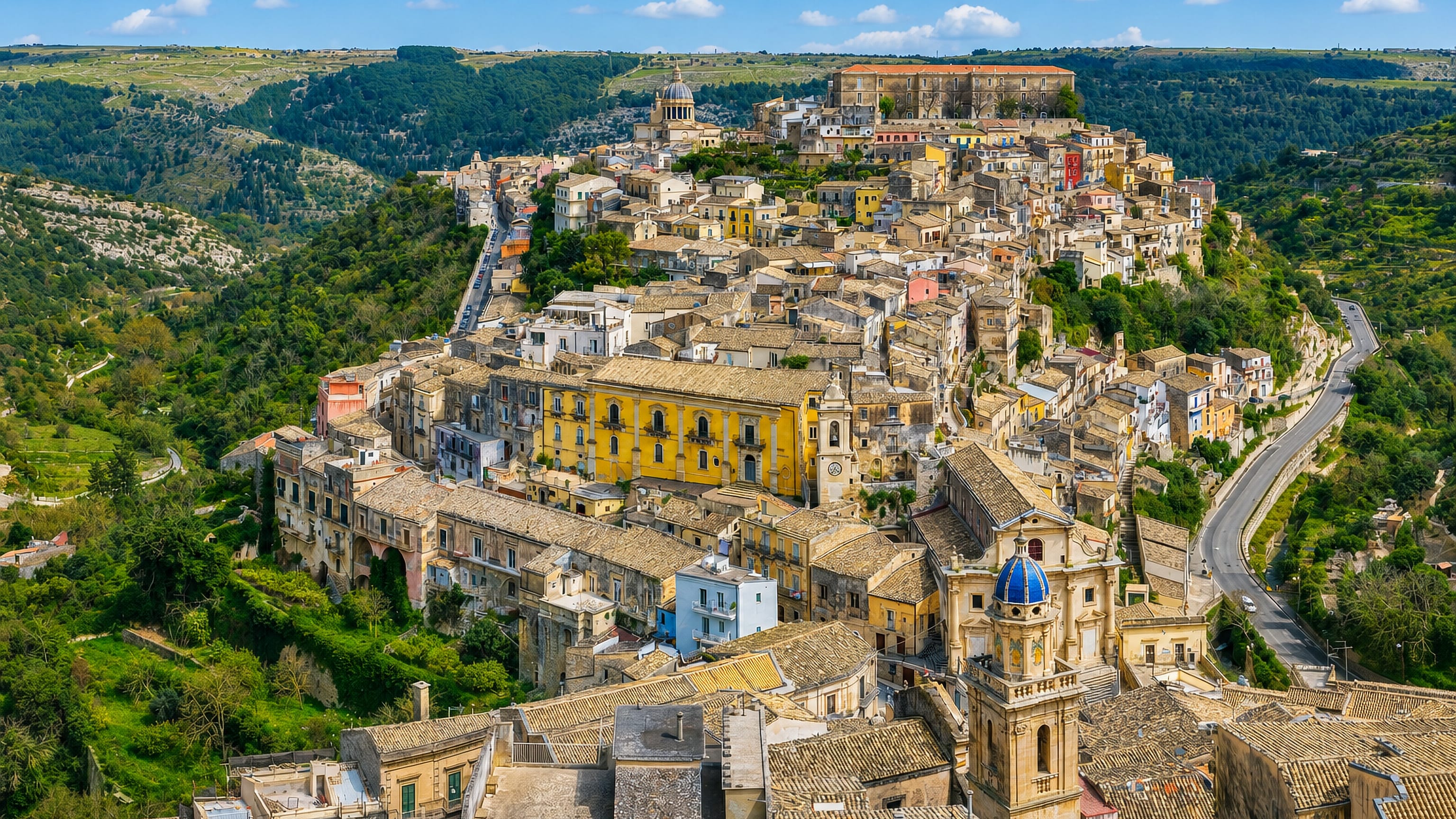
Ragusa is the capital of its own province in Sicily, a city of churches and museums listed with seven neighbours as a UNESCO World Heritage Site.
Hotel links are affiliate links: booking through them may earn us a commission, at no extra cost to you. It never affects how places are ranked. How this works


Where to stay in Ragusa
How the choice of base plays out on the ground.
Two churches split the choice. Beds near the Duomo of San Giorgio put the listed core within reach, and the Circolo di conversazione, Santa Maria delle Scale, and Santa Maria dell'Itria belong to the same walkable stretch. Rooms sit in old stone here.
San Filippo Neri and Santa Maria del Gesù add to the same set of listed churches, so two or three nights are enough to see the group without hurrying. The Castle of Ragusa and the Convento dei Carmelitani fill out the same itinerary. Ragusa Cathedral marks the other option, on the side of the city that carries the Museo Archeologico Ibleo, the Museo della Cattedrale, and most ordinary services.
A car is easier to keep there. PalaMinardi, PalaPadua, and Campo Petrulli belong to the working city rather than the listed one. Quiet improves away from the Duomo of San Giorgio, and so does the chance of a room with parking attached.
Beyond the built-up area, the province holds the seven towns that share Ragusa's UNESCO listing, and the Museo archeologico regionale di Kamarina belongs to that wider set as well. A base out there trades evening life for driving. Choose by what you want to walk to.
Find hotels in Ragusa
Direct booking searches for these neighbourhoods.
Around the Duomo of San Giorgio
The Duomo of San Giorgio, the Circolo di conversazione, and Santa Maria delle Scale are all close to hand, in a quarter built of old stone.Find hotels in Around the Duomo of San Giorgiodriving trips and a museum day at the Museo Archeologico IbleoThe Ragusa Cathedral side
Ragusa Cathedral, the Museo Archeologico Ibleo, and the everyday shops sit together on this side, where keeping a car is far less trouble.Find hotels in The Ragusa Cathedral sideworking through the seven towns that share the UNESCO listingOut in the province of Ragusa
Rooms in the wider province suit travellers touring the listed neighbours and the Museo archeologico regionale di Kamarina by car. Lodging is scarce in this area; reserve in advance.Find hotels in Out in the province of RagusaHotel links are affiliate links: booking through them may earn us a commission, at no extra cost to you. It never affects how places are ranked. How this works
Things to do in Ragusa
Ranked by global recognition; descriptions from Wikidata (CC0).
Museums & Galleries
3- Museo archeologico regionale di Kamarina Heritage
- Museo Archeologico Ibleo Heritage
- Museo Civico Italia in Africa
Churches & Religious Sites
5- Ragusa Cathedral Heritage
- Santa Maria delle Scale Heritage
- Santa Maria dell'Itria, Ragusa Heritage
- Santa Maria del Gesù (Ragusa) Heritage
- San Giacomo Apostolo Heritage
Castles & Historic Sites
2- Cava Gonfalone Heritage
- Castle of Ragusa
Stadiums & Sports
3- PalaMinardi
- PalaPadua
- Campo Petrulli
Landmarks & Notable Places
1- Circolo di conversazione
worth knowingacross 5 categories in Ragusa
About Ragusa
The UNESCO listing is the headline.
What is Ragusa known for?
Ragusa shares it with seven neighbouring towns, and the case rests on an ensemble of churches, palaces, and civic rooms spread across the city rather than on one famous monument. Chief among them is the Duomo of San Giorgio. The Circolo di conversazione, Santa Maria delle Scale, and Ragusa Cathedral carry the rest of the weight.
Museums fill in around them.
What are the main landmarks in Ragusa?
Ragusa Cathedral tops the list of churches, and the Duomo of San Giorgio, Santa Maria delle Scale, San Giacomo Apostolo, and Santa Maria dell'Itria fill out a set that the UNESCO listing treats as one fabric. The museums are smaller. Museo Archeologico Ibleo, Museo del Duomo, Museo della Cattedrale, and Museo Benedettino divide the city's collections between archaeology and church treasure, with the Museo Civico Italia in Africa apart from both.
Cava Gonfalone lies outside that pattern.
What is the history of Ragusa?
Ragusa keeps its early record indoors. The Museo Archeologico Ibleo and the Museo archeologico regionale di Kamarina hold the material from the country around, which pushes the settled story of this part of Sicily back well before any of the standing churches. The Castle of Ragusa belongs to a harder period.
What the UNESCO listing recognises is later work: the churches and civic rooms raised across Ragusa and seven neighbouring towns, judged to belong together as one achievement. The Duomo of San Giorgio states it most plainly. Santa Maria delle Scale, Santa Maria del Gesù, San Filippo Neri, and the Convento dei Carmelitani carry the same programme through the rest of the city, while Ragusa Cathedral gives it a second focus.
The Circolo di conversazione came out of civic life rather than the church. The city is the seat of the province that carries its name. San Giacomo Apostolo and Santa Maria dell'Itria round out the older dedications, and the Museo del Duomo, the Museo della Cattedrale, and the Museo Benedettino keep what those churches accumulated.
The Museo Civico Italia in Africa records a later and harder chapter. Objects carry it, not ruins.
Where is Ragusa?
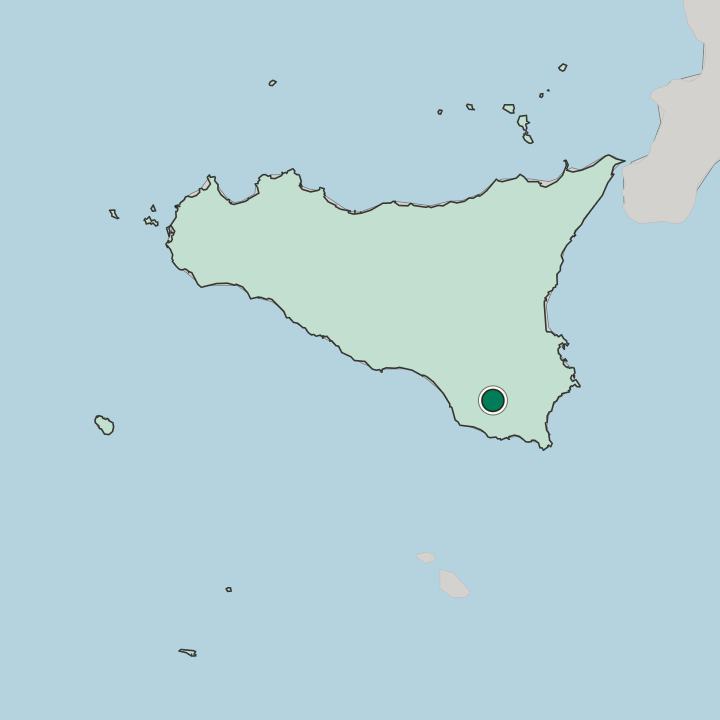
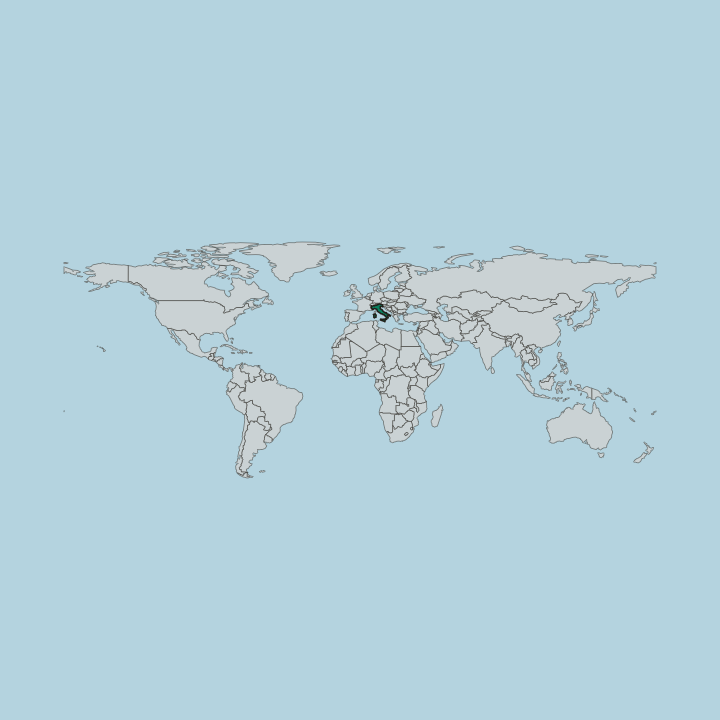
Sicily is the frame. Ragusa stands inland on the island, seat of the province of Ragusa, and the comune it heads takes in a wide spread of surrounding country rather than a compact urban footprint. That reach explains Cava Gonfalone.
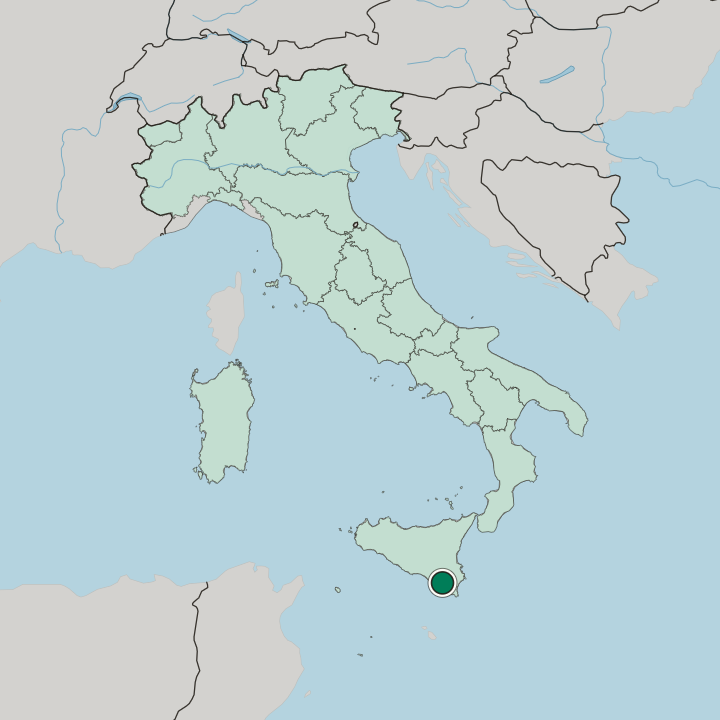
Within Italy the island is a region in its own right, and the seven towns that share Ragusa's UNESCO listing all fall close by.
What is the climate of Ragusa?
Ragusa sits in the temperate band, and the sea that surrounds Sicily damps the worst of both ends of the year before the air ever reaches the inland ground the city occupies. Distance from the water still tells. Inland Ragusa swings further between day and night than the island's edge does, so evenings around the Duomo of San Giorgio cool faster than the afternoon suggests.
Northern-hemisphere seasons apply, so the heat lands mid-year.
How do you get to Ragusa?
Roads deliver every visitor. Ragusa lies inland from the island's coast, so most journeys finish on the provincial roads that converge on the city as the seat of its province, whichever direction they start from. Once here, the two poles are Ragusa Cathedral and the Duomo of San Giorgio, and moving between them is the main piece of local navigation any visitor has to solve.
Santa Maria delle Scale sits on that walk. The seven towns listed alongside Ragusa are day trips by car.
Common questions
What is the best area to stay in Ragusa?
Around the Duomo of San Giorgio: sightseeing on foot and evenings by the Circolo di conversazione. The Ragusa Cathedral side: driving trips and a museum day at the Museo Archeologico Ibleo. Out in the province of Ragusa: working through the seven towns that share the UNESCO listing.
Good for
More cities in Sicilia
Updated October 2026