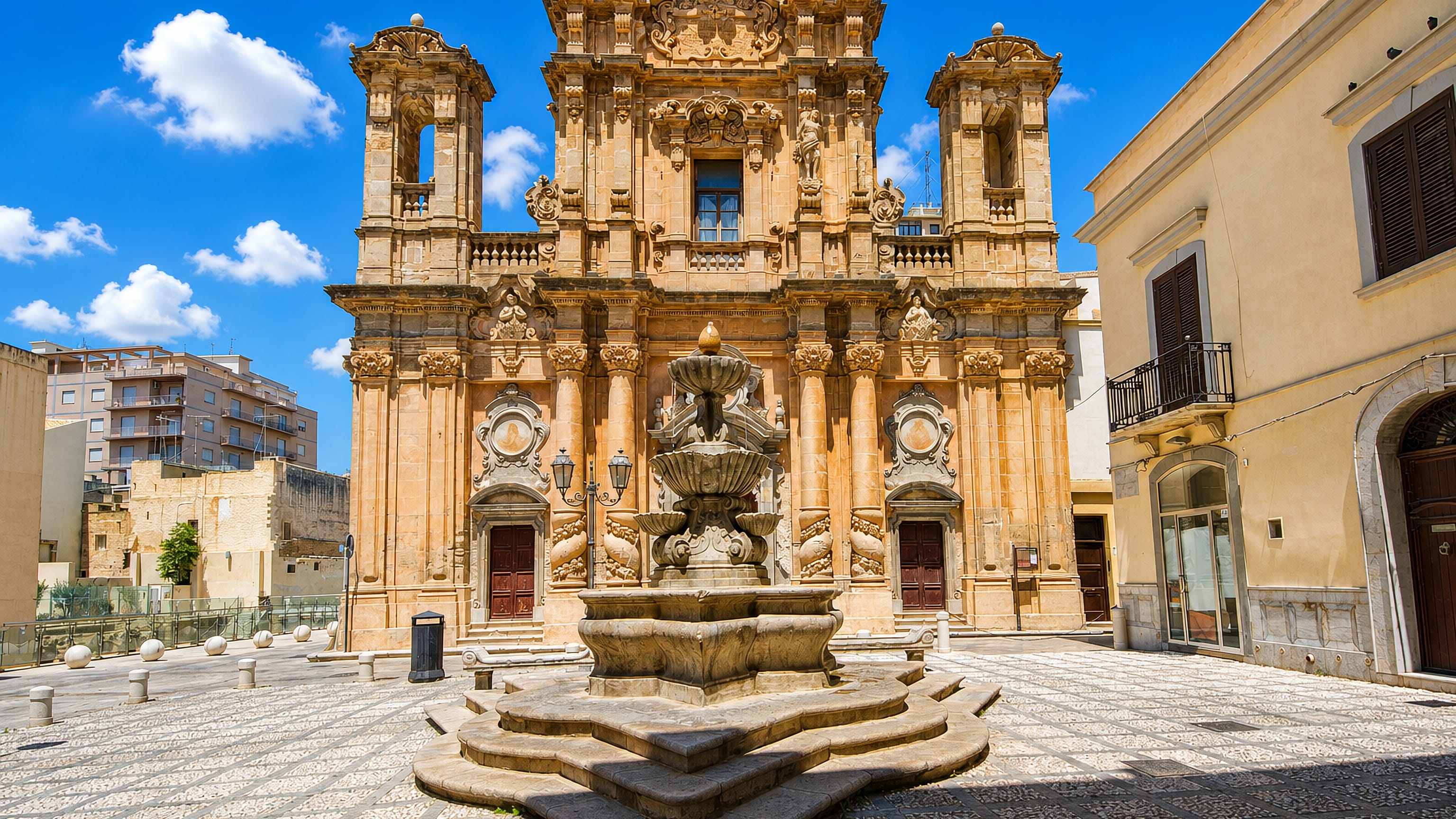
Italy · Sicilia
Where to Stay in Marsala, Sicilia
Marsala is a waterfront town in the Province of Trapani, built over the ruins of Lilybaeum and known for the fortified wine that carries its name.
Hotel links are affiliate links: booking through them may earn us a commission, at no extra cost to you. It never affects how places are ranked. How this works


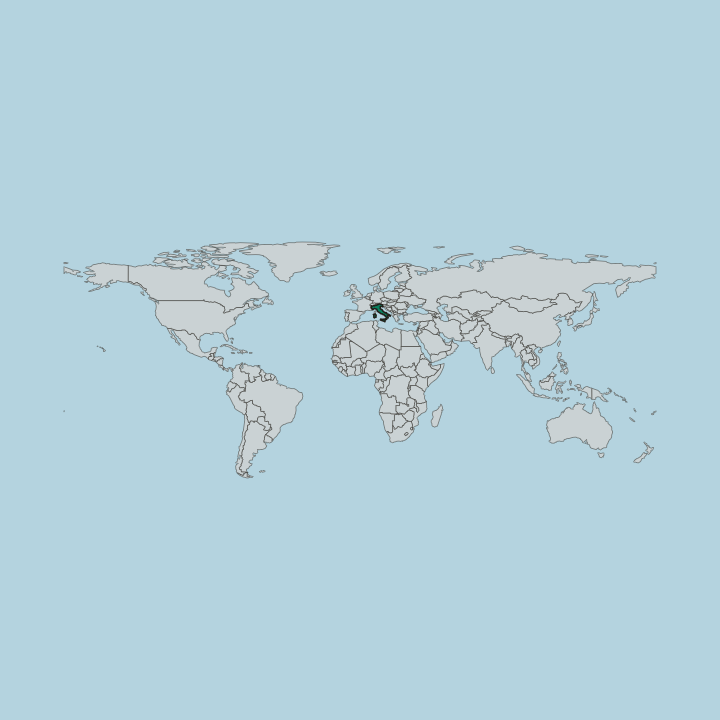
Where to stay in Marsala
Where visitors usually base themselves, and why.
The cathedral square is the obvious base. Marsala Cathedral, the Complesso monumentale di San Pietro, and the Museo degli Arazzi sit within the old streets, and a room among them means the museums, the churches, and the evening trade are all reached on foot. Water changes the calculation.
Beds towards the Stagnone Lagoon and Islands Nature Reserve trade the old streets for the lagoon and for the crossing to Mozia, which is the reason many visitors come at all, and they suit anyone travelling by car. Wine estates make the third option. The vineyards that produce Marsala wine surround the town, and the Enoagrimuseum di Cantinemontalto srl shows the working side of that industry, so a stay out among the estates puts the vineyards and the open country first.
Marsala is small, so none of the three choices adds much travel. Nothing in the town is far from Marsala Cathedral, and even a room out towards the lagoon leaves Lilybaeum, the Baglio Anselmi museum, and the Monumento ai Mille within an easy run back into the centre. Museum hours decide the rest of the day, since the Museo degli Arazzi and the Museo risorgimentale garibaldino Giacomo Giustolisi both keep to fixed opening times.
Find hotels in Marsala
Direct booking searches for these neighbourhoods.
Around Marsala Cathedral
Old streets where the Complesso monumentale di San Pietro and the town's churches stand close to the cathedralFind hotels in Around Marsala CathedralThe crossing to Mozia and time on the Stagnone LagoonTowards the Stagnone Lagoon
Lagoon-side ground inside the Stagnone Lagoon and Islands Nature Reserve, with the island of Mozia offshore. Lodging is scarce in this area; reserve in advance.Find hotels in Towards the Stagnone LagoonEstate country and the making of Marsala wineOut among the vineyards
Vineyard country outside the town, where the Enoagrimuseum di Cantinemontalto srl sits among the producers. Lodging is scarce in this area; reserve in advance.Find hotels in Out among the vineyardsHotel links are affiliate links: booking through them may earn us a commission, at no extra cost to you. It never affects how places are ranked. How this works
Things to do in Marsala
Ranked by global recognition; descriptions from Wikidata (CC0).
Museums & Galleries
3- Baglio Anselmi museum Heritage
- Complesso monumentale di San Pietro Heritage
- Lilibaeum
Churches & Religious Sites
3- Marsala Cathedral
- Santa Maria dell'Itria
- chiesa delle Anime del Purgatorio Santi Sebastiano e Fabiano
Castles & Historic Sites
2- Burg on Marsala Heritage
- Monumento ai Mille
worth knowingacross 3 categories in Marsala
About Marsala
Wine made the name.
What is Marsala known for?
Marsala wine is a fortified DOC first produced in the late 18th century from the vineyards around the town, and the name travelled further than the place itself ever did. Underneath it lies Lilybaeum, the Carthaginian stronghold whose ruins the modern streets stand on, with the Baglio Anselmi museum holding what has been recovered. Mozia and the Stagnone Lagoon and Islands Nature Reserve complete the picture.
What are the main landmarks in Marsala?
Lilybaeum is the oldest thing here. The Carthaginian city lies under and around the modern streets, and the Baglio Anselmi museum holds the finds, which makes the two a single visit rather than two. Marsala Cathedral anchors the churches, with Santa Maria dell'Itria, the chiesa delle Anime del Purgatorio Santi Sebastiano e Fabiano, the Complesso monumentale di San Pietro, and the Museo e Chiesa del Carmine around it.
Monumento ai Mille marks the Risorgimento, and the Museo degli Arazzi keeps the tapestries.
What is the history of Marsala?
The town begins as Lilybaeum. Lilybaeum was a Carthaginian stronghold, and Marsala grew directly on top of those ruins, which is why the ancient city surfaces in excavations rather than standing apart from the modern one. The Baglio Anselmi museum is where that record is kept.
Church building carried the later centuries, and Marsala Cathedral, Santa Maria dell'Itria, the Complesso monumentale di San Pietro, and the Museo e Chiesa del Carmine all belong to the town that grew over the ancient one. The chiesa delle Anime del Purgatorio Santi Sebastiano e Fabiano comes out of the same centuries. Then came the wine.
Marsala wine was first produced in the late 18th century, a fortified DOC made from the vineyards of the surrounding region, and it turned a provincial town into a name known well beyond Sicily. The Risorgimento left its own marks: the Monumento ai Mille and the Museo risorgimentale garibaldino Giacomo Giustolisi both keep that chapter in the town's record. Mozia lies offshore.
The island sits inside the Stagnone Lagoon and Islands Nature Reserve, which keeps the water and the shoreline of this part of the Province of Trapani as protected landscape rather than as open country. The Ente mostra nazionale di pittura contemporanea città di Marsala belongs to a much later civic life, as does the Enoagrimuseum di Cantinemontalto srl out among the producers.
Where is Marsala?
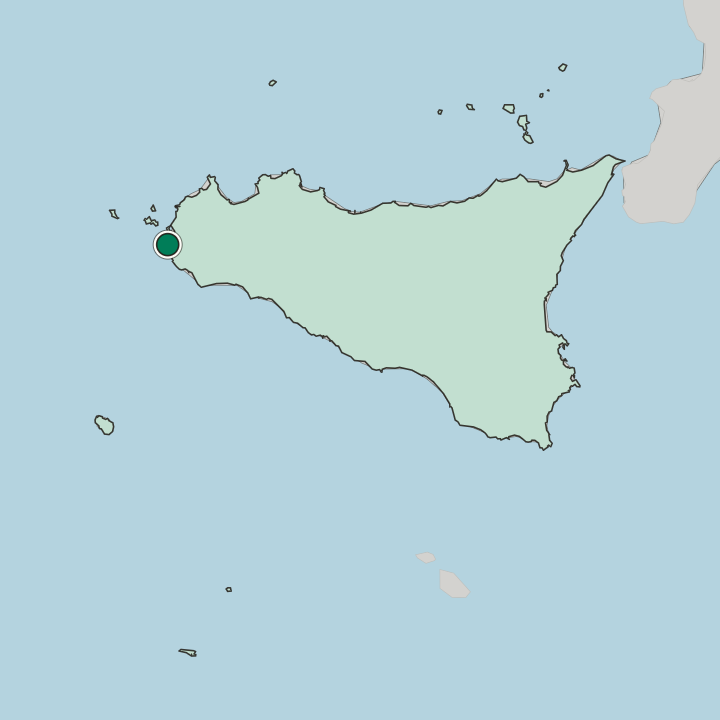
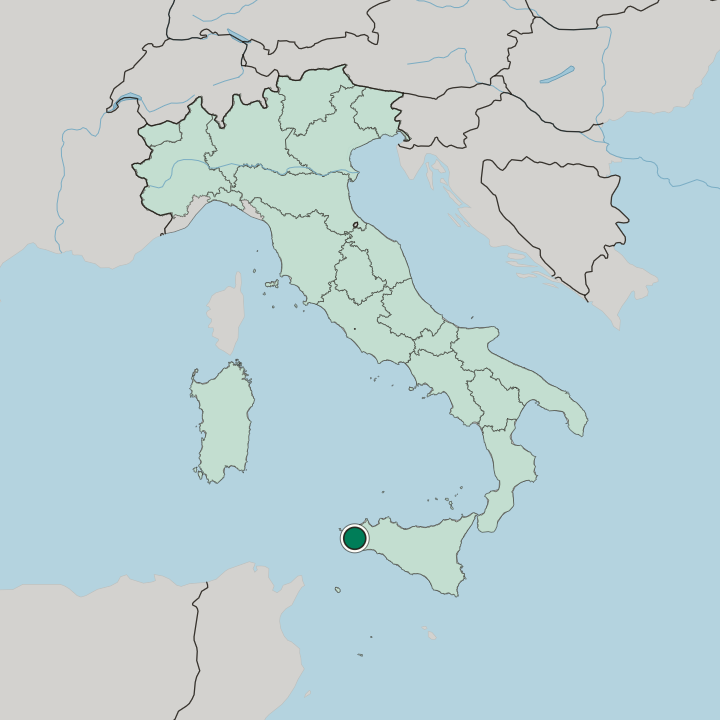
Water surrounds much of the ground here. Marsala stands on the coast of Sicily in the Province of Trapani, with the Stagnone Lagoon and Islands Nature Reserve and the island of Mozia off the shore and the vineyards spreading inland behind the town. Marsala counts as the fifth largest city in Sicily, and the comune reaches well beyond the built-up streets into the wine country.
What is the climate of Marsala?
The sea keeps this coast even. Marsala sits in the temperate band on an exposed coast, and the Stagnone Lagoon and the open water beyond it keep the town's swings narrower than the vineyard country a short way inland. Walking Lilybaeum and the lagoon shore is best done outside the middle of the day, when neither the excavated ground nor the water offers much shade.
How do you get to Marsala?
Most visitors arrive from elsewhere in the Province of Trapani, which puts Marsala at the end of a road journey through the wine country. The lagoon needs a separate plan. Reaching Mozia means crossing the Stagnone Lagoon and Islands Nature Reserve, so that half of a visit runs on boat times rather than on road ones, and it is worth fixing before the day starts.
The old town is walkable once reached, with Marsala Cathedral, the Baglio Anselmi museum, and Lilybaeum all inside the same short circuit.
Common questions
What is the best area to stay in Marsala?
Around Marsala Cathedral: Walking days between Marsala Cathedral and the Museo degli Arazzi. Towards the Stagnone Lagoon: The crossing to Mozia and time on the Stagnone Lagoon. Out among the vineyards: Estate country and the making of Marsala wine.
Good for
More cities in Sicilia
Updated October 2026