Italy · Veneto
Where to Stay in Mestre, Veneto
Mestre is the mainland borough of Venice, in the Veneto region of Italy, with the Castello di Mestre and the M9 Museum at its core.
Hotel links are affiliate links: booking through them may earn us a commission, at no extra cost to you. It never affects how places are ranked. How this works



Where to stay in Mestre
How the choice of base plays out on the ground.
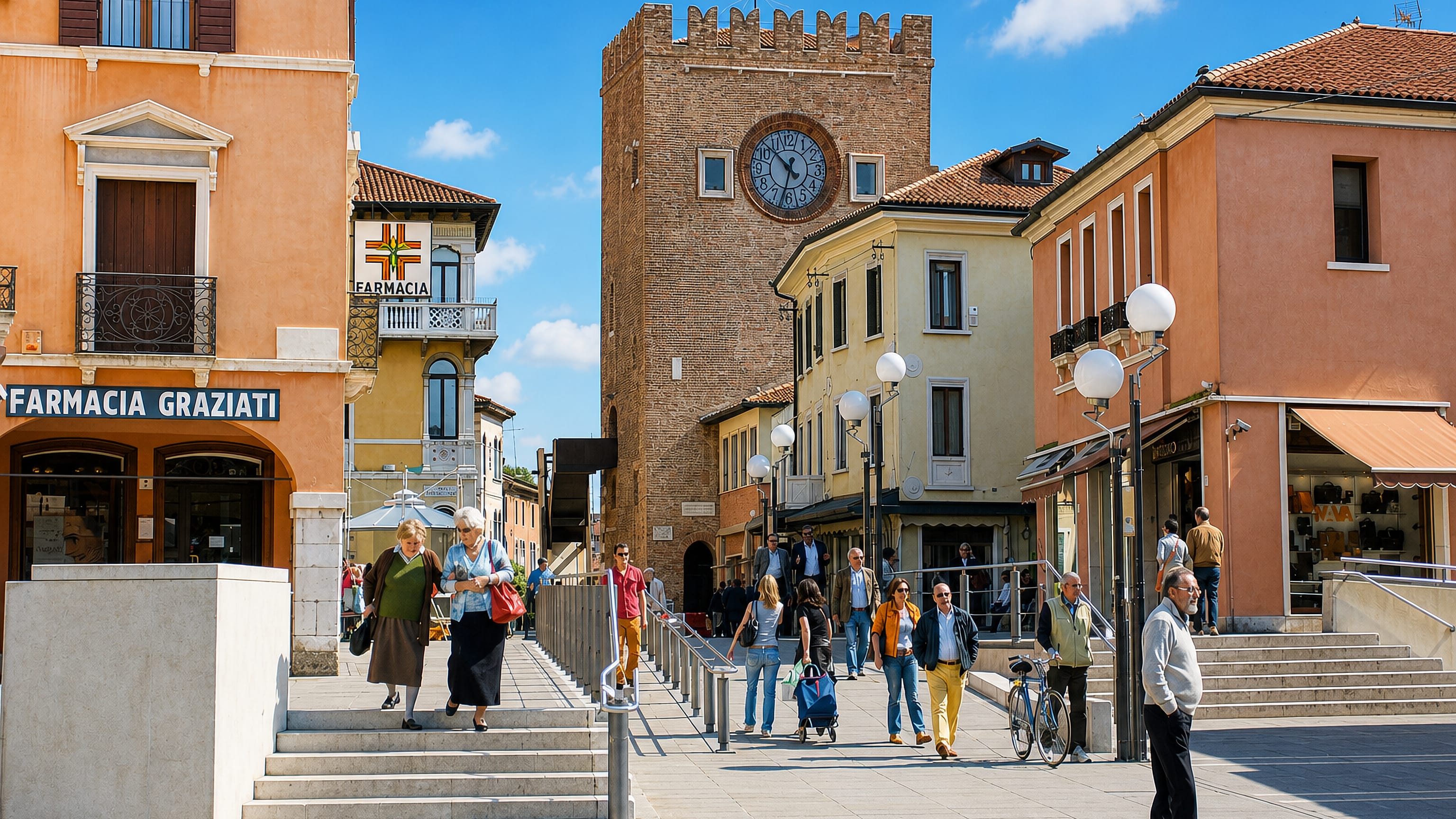
Mestre is the practical base for Venice. Hotels cluster through the central streets around the Castello di Mestre and its clock tower, the torre dell'orologio di Mestre, within easy reach of the rail links that carry visitors across to the island city each morning. The centre suits a first visit.
Travellers who want quieter nights look to Carpenedo, the residential quarter around the church of Santi Gervasio e Protasio, where the streets run calmer and rooms sit well away from the busiest corners. Rooms fill fast when Venice is busy. During the festivals and the high season across the water, beds in the central blocks near the M9 Museum and the railway tighten, and prices climb as visitors compete for the cheaper mainland rooms that Mestre is known for.
Book ahead for the warmer months. Families and longer-staying visitors often choose the outer streets toward the Chiesa di San Girolamo, where apartments and guesthouses give more room than the compact hotels of the core, and the modern parish of Santi Gregorio Barbarigo e Maria Goretti marks the newer residential edge of the mainland borough.
Find hotels in Mestre
Direct booking searches for these neighbourhoods.
Central Mestre
hotels around the Castello di Mestre and the torre dell'orologio di Mestre. Few places to stay nearby — book ahead.Find hotels in Central Mestrequieter residential nightsCarpenedo
streets around the church of Santi Gervasio e Protasio away from the centreFind hotels in CarpenedoM9 Museum visitorsAround the M9 Museum
central blocks beside the M9 Museum and the main pedestrian streets. Beds are limited here, so book early.Find hotels in Around the M9 Museumfamilies and longer staysSan Girolamo and the outer streets
apartments toward the Chiesa di San Girolamo with more room than the coreFind hotels in San Girolamo and the outer streetsHotel links are affiliate links: booking through them may earn us a commission, at no extra cost to you. It never affects how places are ranked. How this works
Things to do in Mestre
Ranked by global recognition; descriptions from Wikidata (CC0).
Churches & Religious Sites
3- Santi Gervasio e Protasio (Venice)
- Chiesa di San Girolamo
- chiesa dei Santi Gregorio Barbarigo e Maria Goretti
Castles & Historic Sites
1- Castello di Mestre
Landmarks & Notable Places
1- torre dell'orologio di Mestre
worth knowingacross 3 categories in Mestre
About Mestre
Mestre is mainland Venice.
What is Mestre known for?
While the island city across the water draws the crowds, this borough of the comune of Venice in the Veneto region serves as the working base for travellers, students, and daily commuters bound for the historic centre. The Castello di Mestre marks its old core. Its surviving clock tower, the torre dell'orologio di Mestre, rises over the central streets, while the M9 Museum holds a cultural quarter a short walk away.
What are the main landmarks in Mestre?
Mestre keeps its landmarks on the mainland. The Castello di Mestre marks the medieval core, and its surviving clock tower, the torre dell'orologio di Mestre, still stands above the central square as the oldest visible monument of the town. The M9 Museum holds the modern cultural quarter.
Churches anchor the older parishes: the Chiesa di San Girolamo near the centre, the church of Santi Gervasio e Protasio out in Carpenedo, and the newer parish church of Santi Gregorio Barbarigo e Maria Goretti on the residential edge.
What is the history of Mestre?
Mestre began as a fortified town on the mainland. Guarding the land approaches to the island city of Venice, it grew around a castle, and the Castello di Mestre gave the settlement its early military weight before the surrounding walls and gates were lost to later building. Its castle has largely vanished.
What survives is the torre dell'orologio di Mestre, the clock tower that still rises over the old centre and fixes the line of the medieval core among the modern streets that grew around it. The mainland town slowly filled with parishes. Older churches such as the Chiesa di San Girolamo and the church of Santi Gervasio e Protasio in Carpenedo mark the historic quarters, while the parish of Santi Gregorio Barbarigo e Maria Goretti belongs to the later spread of housing across the plain.
Government drew the town into greater Venice. In time Mestre was absorbed into the comune of Venice, becoming the mainland borough of the city in the region of Veneto and the place where much of the metropolitan population came to live and work. The M9 Museum reflects that modern turn.
Where is Mestre?
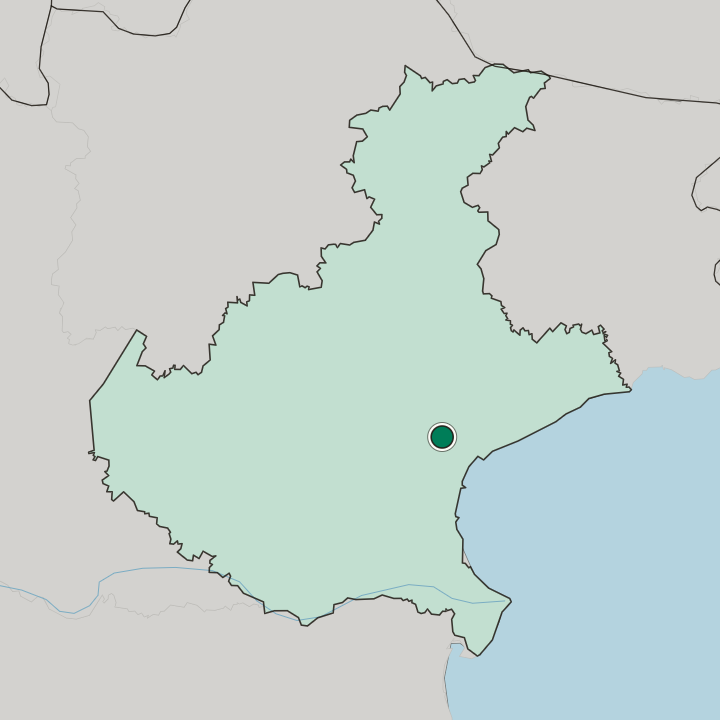
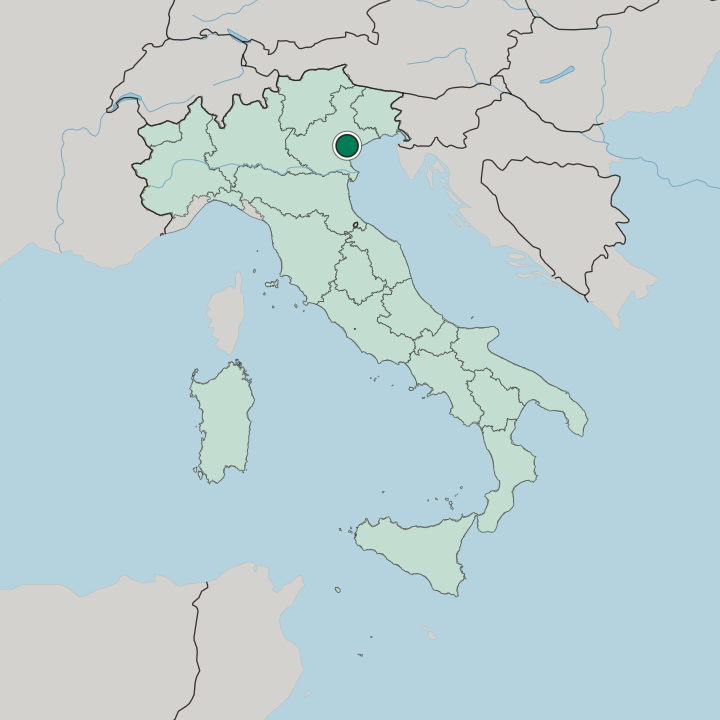
Mestre lies on the Italian mainland, opposite Venice. It forms the land-side part of the comune of Venice, set back from the island city across the water on the flat coastal plain of the Veneto region, where the road and the rail run inland from the shore. The ground here is low and level.
Its built-up streets reach out around the old core near the Castello di Mestre and the quarter of Carpenedo, merging with the neighbouring mainland districts that ring the edge of Venice.
What is the climate of Mestre?
Mestre has a temperate climate shaped by the sea. Lying on the low Veneto plain near the water of Venice, the mainland borough sees warm, humid summers and cool, damp winters, with mist settling over the flat ground through the colder months. Spring and autumn stay mild.
The water nearby keeps the seasons from sharp extremes, softening the summer heat and easing the winter cold, so conditions on the mainland stay gentler than the inland plains far from the coast.
How do you get to Mestre?
Most visitors reach Venice through Mestre. As the mainland side of the comune of Venice, the borough gathers the road and rail links that run in from the rest of the Veneto region before crossing the water to the island city. Trains run often to the islands.
From the central streets near the Castello di Mestre, buses and roads fan out across the mainland, while many travellers leave their cars here and go on to the historic centre on foot or by public transport.
Common questions
What is the best area to stay in Mestre?
Central Mestre: rail travellers crossing to Venice. Carpenedo: quieter residential nights. Around the M9 Museum: M9 Museum visitors. San Girolamo and the outer streets: families and longer stays.
Good for
More cities in Veneto
Updated September 2026