Italy · Veneto
Where to Stay in Padua, Veneto
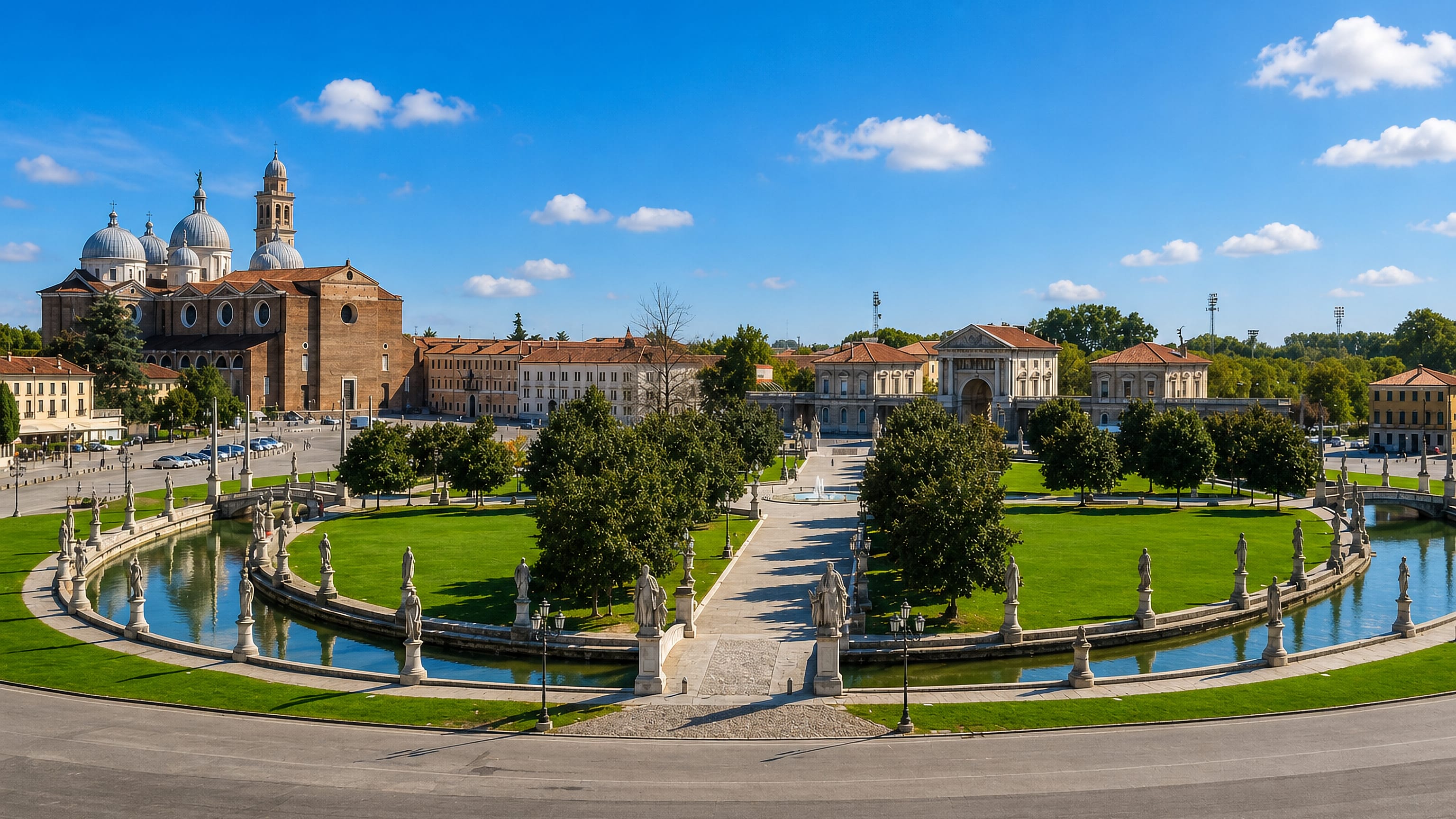
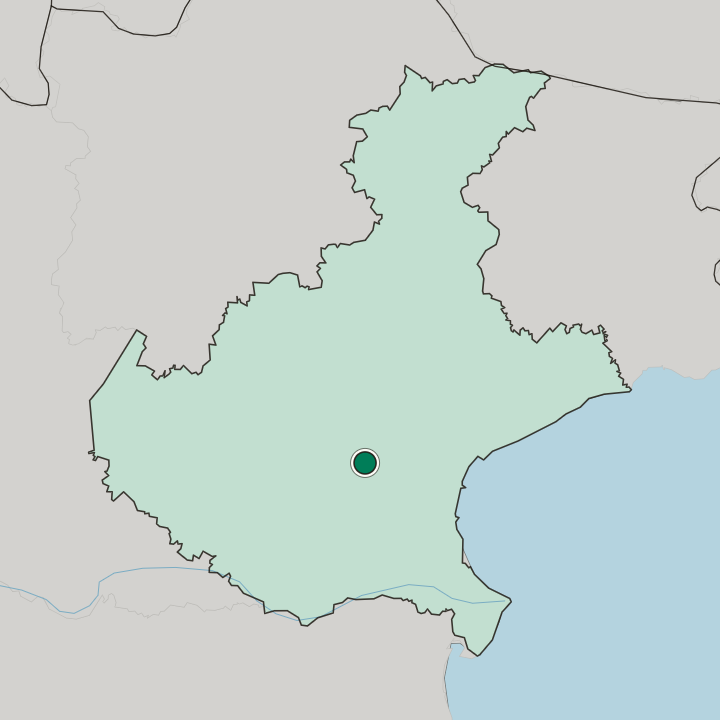
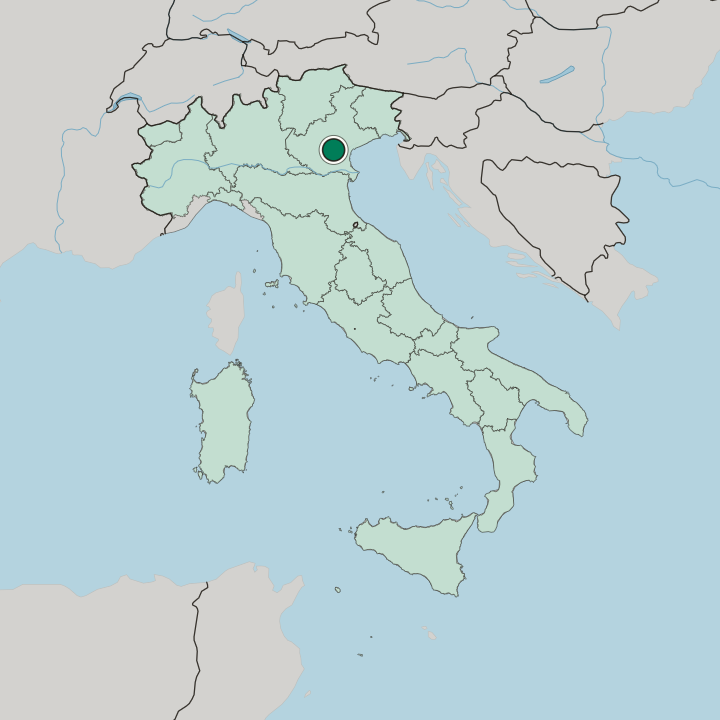
Padua stands on the river Bacchiglione in the middle of Veneto, a city of churches, chapels, and museums between Venice and Vicenza.
Hotel links are affiliate links: booking through them may earn us a commission, at no extra cost to you. It never affects how places are ranked. How this works



Where to stay in Padua
One neighbourhood here has its own guide — here's what it is best for.

 PaduaItaly
Arcella
Arcella is a district of Padua north of the central station, beside the Milan-Venice railway and holding the Sanctuary dell'Arcella.Where to stay →Hotel links are affiliate links: booking through them may earn us a commission, at no extra cost to you. It never affects how places are ranked. How this works
Find hotels in Padua
Direct booking searches for these neighbourhoods.
Around the Scrovegni Chapel
The Scrovegni Chapel, Palazzo Zuckermann, and the Church of the Eremitani stand in one block of streets, with the Civic Museums of Padua alongside them.Find hotels in Around the Scrovegni Chapelthe everyday city and a walk to the Loggia e Odeo CornaroThe Padua Cathedral quarter
Padua Cathedral, Santa Sofia, and church San Nicolò are all on foot from here, in streets the city uses for itself.Find hotels in The Padua Cathedral quarterslower evenings near the Scuola del SantoBy the Abbey of Santa Giustina
The Abbey of Santa Giustina, the Scuola del Santo, and Santa Croce make one walk from this end of the old centre.Find hotels in By the Abbey of Santa GiustinaHotel links are affiliate links: booking through them may earn us a commission, at no extra cost to you. It never affects how places are ranked. How this works
Things to do in Padua
Ranked by global recognition; descriptions from Wikidata (CC0).
Museums & Galleries
3- Civic Museums of Padua Heritage
- Scuola del Santo
- Museum Bottacin
Churches & Religious Sites
8- Scrovegni Chapel Heritage
- Abbey of Santa Giustina Heritage
- Church of the Eremitani Heritage
- St. George's Oratory Heritage
- Santa Sofia Heritage
Show 3 more →
- Church of Saint Francis the Greater Heritage
- church San Nicolò Heritage
- San Gaetano Church Heritage
Castles & Historic Sites
2- Palazzo Zuckermann Heritage
- Saint Andrew's Lion
worth knowingacross 3 categories in Padua
About Padua
What is Padua known for?
The Scrovegni Chapel draws the crowds, and the Civic Museums of Padua carry much of what the city has gathered around it over the centuries. Then come the churches. Padua Cathedral, the Abbey of Santa Giustina, and the Church of the Eremitani stand among the largest, while smaller foundations like Santa Sofia and San Gaetano Church fill in the streets between them.
The Astronomical Observatory of Padova is the outlier.
What are the main landmarks in Padua?
The Scrovegni Chapel is the one most visitors come for. Padua Cathedral, the Abbey of Santa Giustina, the Church of the Eremitani, San Clemente, and the Church of Saint Francis the Greater carry the weight among the larger churches, with Santa Croce, church San Nicolò, and Madonna Addolorata al Torresino behind them. Museums come next.
The Civic Museums of Padua, Museum Bottacin, Palazzo Zuckermann, and the Museum for Nature and Men divide the collections, while the Astronomical Observatory of Padova sits outside that pattern.
What is the history of Padua?
Religion built the first city that still stands. The Abbey of Santa Giustina, the Church of the Eremitani, San Clemente, and Santa Sofia belong to a long sequence of foundations, and Padua Cathedral sits at the head of it as the seat of the diocese. Art arrived with patronage.
The Scrovegni Chapel carries a family name, and the Scuola del Santo, the Santa Caterina complex, and the Loggia e Odeo Cornaro record the same habit of private and corporate building. Science took its turn. The Astronomical Observatory of Padova put the city into a different tradition, one of instruments and measurement, and the Museum of Precinema and the Museum for Nature and Men extend that line into collecting and display.
Museum Bottacin and Palazzo Zuckermann came out of the same collecting habit, alongside the Civic Museums of Padua. Position settled the rest. Padua lies west of Venice and southeast of Vicenza, with Verona further on, and that placing made it the economic and communications hub of the area.
The province of Padua takes its name from the city, and the wider Padua-Treviso-Venice metropolitan area ties it to Treviso and Venice in a single built-up corridor. The Bacchiglione still runs through it.
Where is Padua?
The Bacchiglione gives the city its water. Padua stands on the river's banks in the middle of Veneto, with Venice to one side and Vicenza and Verona to the other. The comune itself is small.
Its area is tight for a city of this rank, which is why the Padua-Treviso-Venice corridor counts for as much as the municipal boundary does.
What is the climate of Padua?
The Bacchiglione keeps the air damp through the cold months, and a river city on level ground holds that moisture far longer than anywhere with a sea wind to clear it. Summer is the other extreme. Inland Veneto warms hard between Venice and Vicenza, and Padua sits in the temperate band of the northern hemisphere, which puts that heat squarely in the middle of the year.
Spring and autumn sit between the two.
How do you get to Padua?
Padua works as the communications hub of the area, which is what makes arriving here simpler than reaching most of the towns around it. Venice is the common start. The city lies west of Venice and southeast of Vicenza, both close enough that a day trip in either direction takes nothing but the morning, with Verona a longer run.
Inside the centre, the Scrovegni Chapel, Padua Cathedral, and the Abbey of Santa Giustina are all within walking distance of one another, and the Bacchiglione is the landmark that orients the rest. Treviso sits on the same corridor.
Common questions
What is the best area to stay in Padua?
Around the Scrovegni Chapel: a trip built on the Scrovegni Chapel and the Civic Museums of Padua. The Padua Cathedral quarter: the everyday city and a walk to the Loggia e Odeo Cornaro. By the Abbey of Santa Giustina: slower evenings near the Scuola del Santo.
Good for
More cities in Veneto
Updated October 2026