Italy · Veneto
Where to Stay in Verona, Veneto
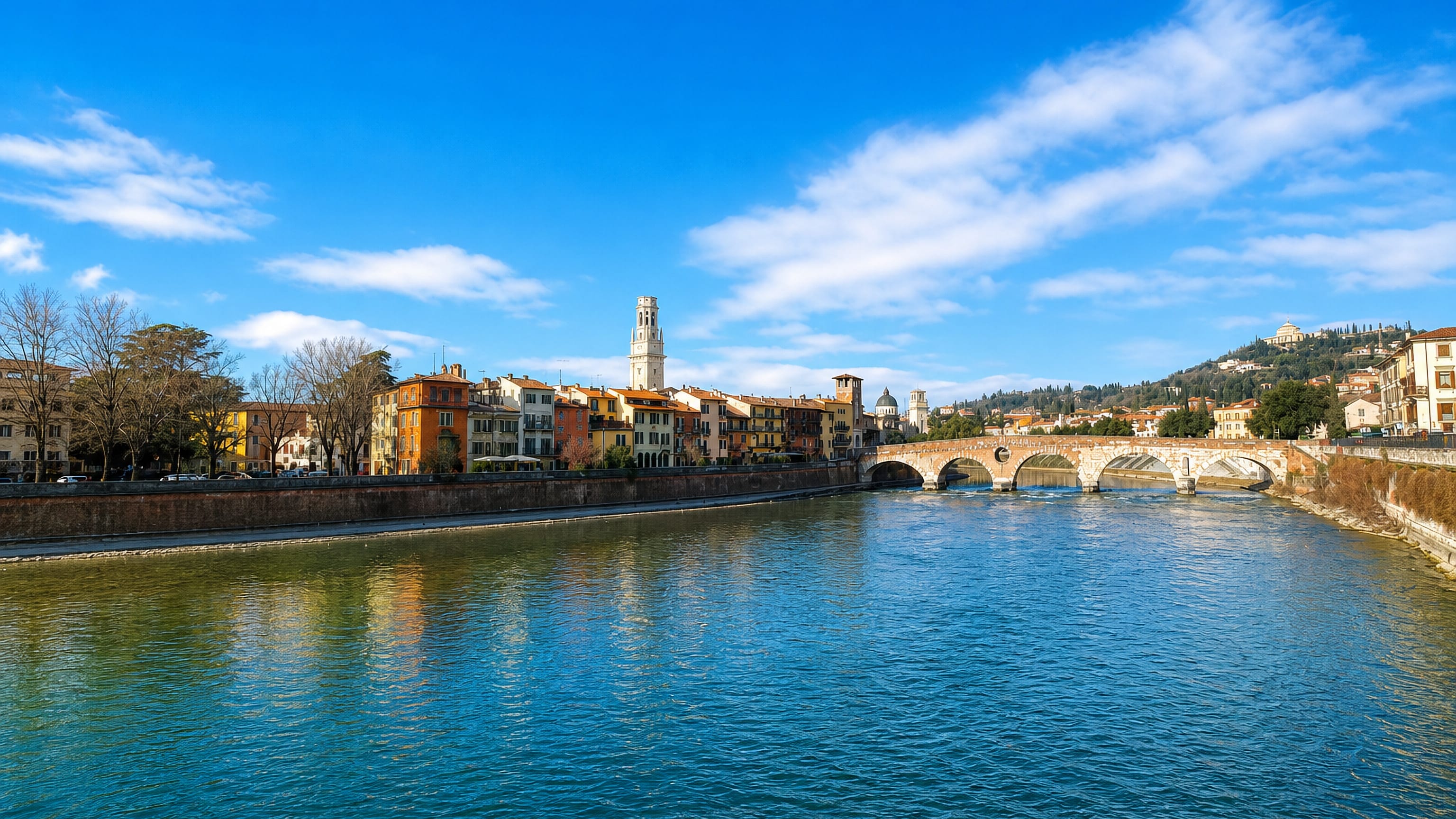
Opera carries across Roman stone at the Verona Arena, in Verona, the largest city of Veneto and the setting Shakespeare gave Romeo and Juliet.
Hotel links are affiliate links: booking through them may earn us a commission, at no extra cost to you. It never affects how places are ranked. How this works


Where to stay in Verona
Each area has its own feel; here's who each one suits.

 VeronaItaly
Veronetta
One of Verona's quarters, Veronetta sits inside a municipality whose register runs from the Verona Arena to Castel San Pietro.Where to stay → VeronaItaly
Porto San Pancrazio
A quarter of Verona listed with three churches and a war memorial, Porto San Pancrazio carries a register of its own that runs no further.Where to stay → VeronaItaly
Chievo
Chievo is a frazione of Verona on the Adige, west of the city and a short way out from its historic centre.Where to stay →Hotel links are affiliate links: booking through them may earn us a commission, at no extra cost to you. It never affects how places are ranked. How this works
Find hotels in Verona
Direct booking searches for these neighbourhoods.
Verona Arena
The Roman amphitheatre that carries the opera season, with the performance crowd arriving under the same windowsFind hotels in Verona ArenaMuseum days built around the Castelvecchio MuseumCastelvecchio
The castle, its collection, and the Roman house excavated under piazza Castelvecchio, a quarter that empties when the galleries closeFind hotels in CastelvecchioVisitors reading Verona upward from its Roman layerRoman theatre of Verona
The excavated theatre, with the Museo archeologico al teatro romano opening straight onto the digFind hotels in Roman theatre of VeronaSlower stays with Palazzo Maffei Casa Museo on the day's walkVerona Cathedral
The cathedral streets, with the Torre dei Lamberti and the Galleria d'arte moderna Achille Forti reachable on the same roundFind hotels in Verona CathedralHotel links are affiliate links: booking through them may earn us a commission, at no extra cost to you. It never affects how places are ranked. How this works
Things to do in Verona
Ranked by global recognition; descriptions from Wikidata (CC0).
Museums & Galleries
5- Castelvecchio Museum Heritage
- Museo Lapidario Maffeiano Heritage
- Galleria d’arte moderna Achille Forti Heritage
- Museo di Storia Naturale Heritage
- Palazzo Miniscalchi Heritage
Churches & Religious Sites
3- Verona Cathedral
- Sant'Anastasia
- San Fermo Maggiore
Castles & Historic Sites
5- Verona Arena Heritage
- Castelvecchio Heritage
- Arco dei Gavi Heritage
- Castel San Pietro Heritage
- Domus romana di piazza Castelvecchio Heritage
Landmarks & Notable Places
3- Torri Massimiliane Heritage
- Torre dei Lamberti
- Torre del Gardello
worth knowingacross 4 categories in Verona
About Verona
What is Verona known for?
Verona is a Roman city that never stopped using its Roman buildings, and the Verona Arena still holds an opera season. Shakespeare set Romeo and Juliet here. The old centre sits on the UNESCO World Heritage list, and the fairs and shows that fill the year run alongside the performances in the amphitheatre.
Castelvecchio carries the medieval record and houses the Castelvecchio Museum. Sant'Anastasia, San Fermo Maggiore and Verona Cathedral divide the church circuit between them, and the Torre dei Lamberti stands over the roofs.
What are the main landmarks in Verona?
Verona keeps its Roman layer in use. The Verona Arena still stages the opera season, the Roman theatre of Verona survives with the Museo archeologico al teatro romano set into it, and the Arco dei Gavi is the Roman arch among them. Below ground the record continues at the Domus di piazza Nogara, the Tempio di Giove Lustrale and the Archaeological area of Corte Sgarzerie.
Castelvecchio holds the Castelvecchio Museum, the Torre dei Lamberti and the Torre del Gardello mark the skyline, and Sant'Anastasia, San Fermo Maggiore and Verona Cathedral carry the church-building record.
What is the history of Verona?
Verona began as a Roman town, and the proof is still load-bearing. The Verona Arena and the Roman theatre of Verona both survive as places that still hold an audience, while the Tempio di Giove Lustrale, the Domus di piazza Nogara and the Domus romana di piazza Castelvecchio survive under the pavement. Digging keeps finding more.
The Via San Cosimo archaeological area and the Archaeological area of Corte Sgarzerie were opened out of ordinary city blocks, and the Arco dei Gavi still stands above the street. What came after Rome is legible the same way. The Scaligeri name survives on the Scavi Scaligeri, which now house the Centro internazionale di fotografia Scavi Scaligeri, and Castelvecchio survives as the building the Castelvecchio Museum occupies.
Church work filled the centuries between, at Sant'Anastasia, San Fermo Maggiore, Saint Lawrence church and Verona Cathedral. Towers rose beside them. The Torre dei Lamberti and the Torre del Gardello are the two that kept their height, and Castel San Pietro and the Torri Massimiliane continued the fortifying habit.
Verona's later fame came from a playwright who set Romeo and Juliet in it, and the old centre now sits on the UNESCO World Heritage list.
Where is Verona?
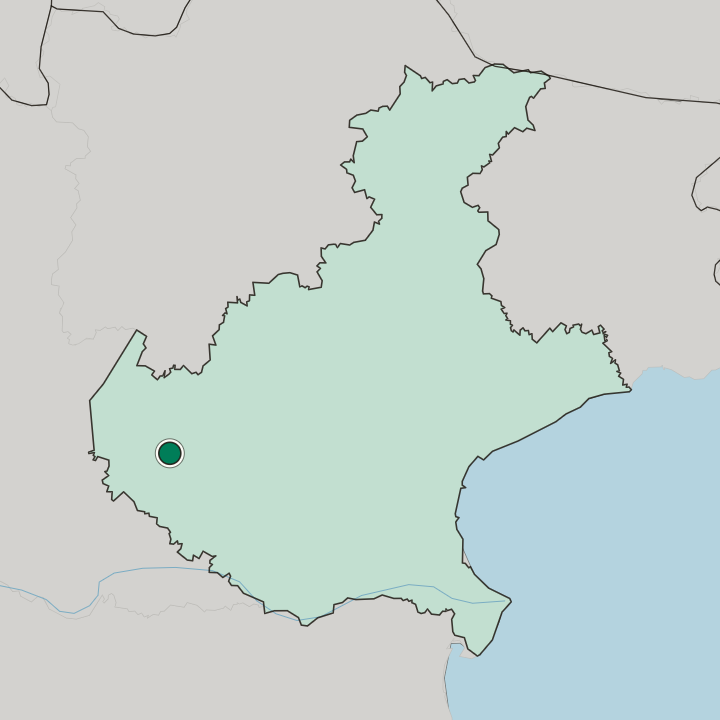
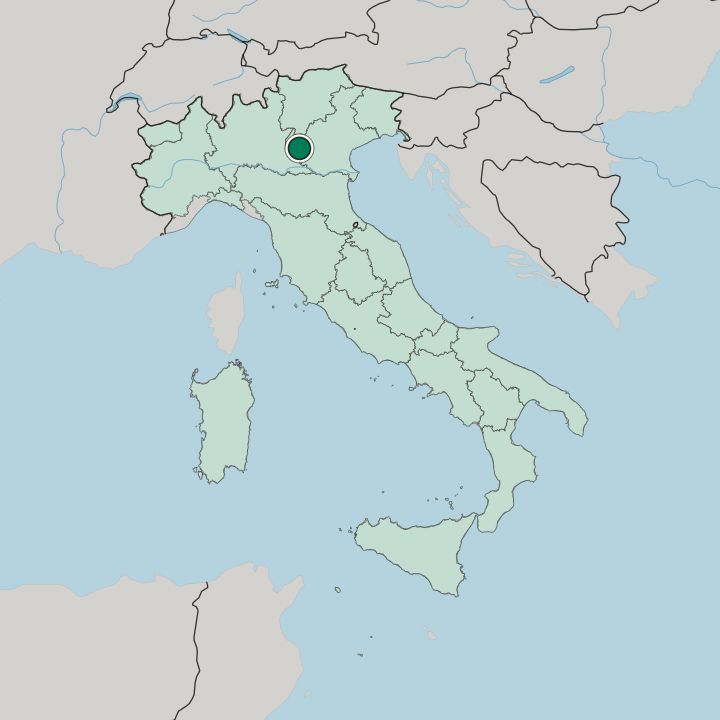
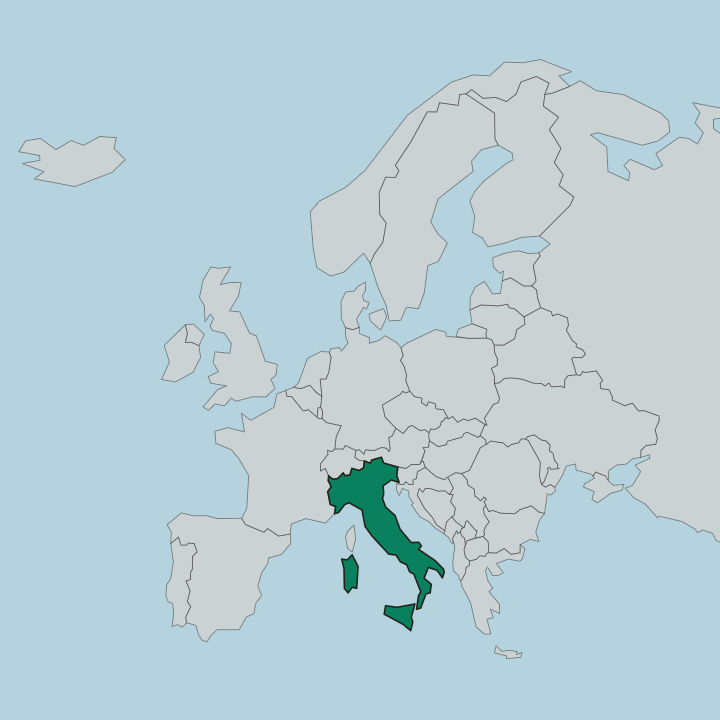
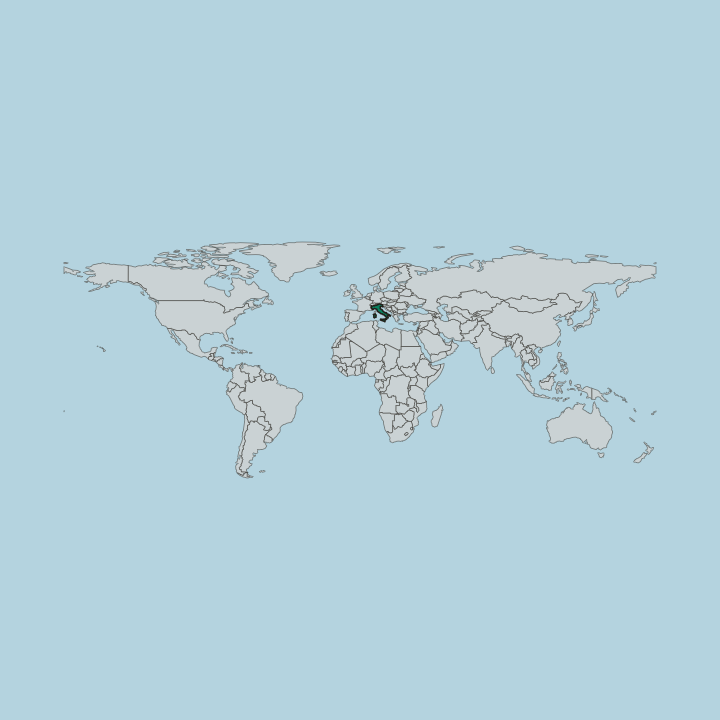
Verona lies in Veneto, in north-eastern Italy. Its municipality is the largest of any city in the region, and the largest in north-eastern Italy, so administrative Verona reaches well beyond the historic city that the UNESCO World Heritage list covers. Veneto has seven provincial capitals.
Verona is one of them, and it is the region's largest city by any reading, with the Verona Arena, Castelvecchio and Verona Cathedral standing inside that historic core.
What is the climate of Verona?
Verona sits in the temperate band, and its calendar reads the weather out loud. An open-air amphitheatre cannot sell a wet night, so the opera season claims the dry stretch of the year and the Verona Arena stands empty around it. Winter belongs to the indoor city.
The Castelvecchio Museum, the Museo di Storia Naturale and the Galleria d'arte moderna Achille Forti take the months when the stone is cold.
How do you get to Verona?
Verona receives two distinct crowds. The fairs and shows fill its exhibition calendar through the working year, while the opera season concentrates arrivals on the nights the Verona Arena performs. Both land in the same historic city.
That city is compact enough to cross on foot, so the walk from a room near Castelvecchio to a seat in the amphitheatre is the last leg of most journeys, whatever brought the visitor into Veneto.
Common questions
What is the best area to stay in Verona?
Verona Arena: Opera nights that end on foot. Castelvecchio: Museum days built around the Castelvecchio Museum. Roman theatre of Verona: Visitors reading Verona upward from its Roman layer. Verona Cathedral: Slower stays with Palazzo Maffei Casa Museo on the day's walk.
Good for
More cities in Veneto
Updated October 2026