Italy · Veneto
Where to Stay in Vicenza, Veneto
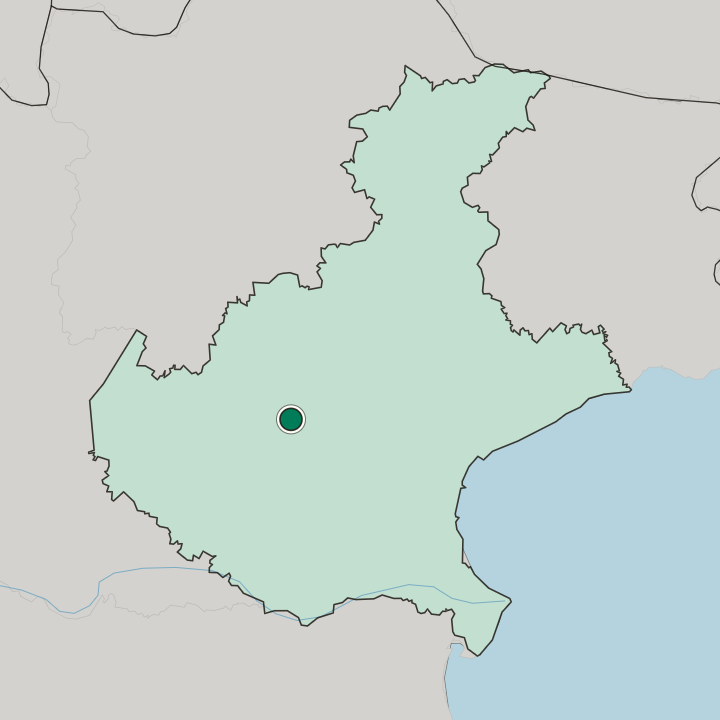
Vicenza is the Palladian city of Veneto, spread below Monte Berico where the Bacchiglione crosses northeastern Italy.
Hotel links are affiliate links: booking through them may earn us a commission, at no extra cost to you. It never affects how places are ranked. How this works


Where to stay in Vicenza
One neighbourhood here has its own guide — here's what it is best for.

 VicenzaItaly
Anconetta
Anconetta is a quarter of Vicenza, housing ground apart from the streets that carry the Basilica Palladiana and the Olympic Theatre.Where to stay →Hotel links are affiliate links: booking through them may earn us a commission, at no extra cost to you. It never affects how places are ranked. How this works
Find hotels in Vicenza
Direct booking searches for these neighbourhoods.
Around the Basilica Palladiana
Torre Bissara and Santa Corona stand within the same few blocks of the loggiasFind hotels in Around the Basilica PalladianaSlower nights with the sanctuary climb at the doorBelow Monte Berico
The hill south of the Bacchiglione keeps these streets quieter than the centre. Rooms are few around here — worth securing early.Find hotels in Below Monte BericoDrivers touring Villa Almerico Capra and Villa TrissinoThe villa country toward La Rotonda
Beds sit far apart among the farmland and villa gardens outside Vicenza. Few places to stay nearby — book ahead.Find hotels in The villa country toward La RotondaHotel links are affiliate links: booking through them may earn us a commission, at no extra cost to you. It never affects how places are ranked. How this works
Things to do in Vicenza
Ranked by global recognition; descriptions from Wikidata (CC0).
Museums & Galleries
4- Palazzo Leoni Montanari, Vicenza Heritage
- Museo del Risorgimento e della Resistenza Heritage
- Diocesan Museum of Vicenza Heritage
- Palazzo Chiericati Art Gallery Heritage
Churches & Religious Sites
3- Vicenza Cathedral Heritage
- Santa Corona Heritage
- Saint Lorenzo Church in Vicenza Heritage
Castles & Historic Sites
3- Basilica Palladiana Heritage
- Roman Cryptoporticus (Vicenza) Heritage
- Castello Scaligero Heritage
Stadiums & Sports
1- Palasport Città di Vicenza
Landmarks & Notable Places
2- Torre Bissara
- Torre del Tormento
worth knowingacross 5 categories in Vicenza
About Vicenza
Andrea Palladio built his career here.
What is Vicenza known for?
Villa Almerico Capra, the domed villa called La Rotonda, is the best known of the works he left across the province, and the Basilica Palladiana, Palazzo Chiericati, Palazzo Thiene and the Olympic Theatre put the same hand on the streets of the centre. UNESCO lists a group of them. Older fabric survives alongside it: Santa Corona, Vicenza Cathedral, the brick shaft of Torre Bissara.
The Museo del Gioiello sits among the city's museums.
What are the main landmarks in Vicenza?
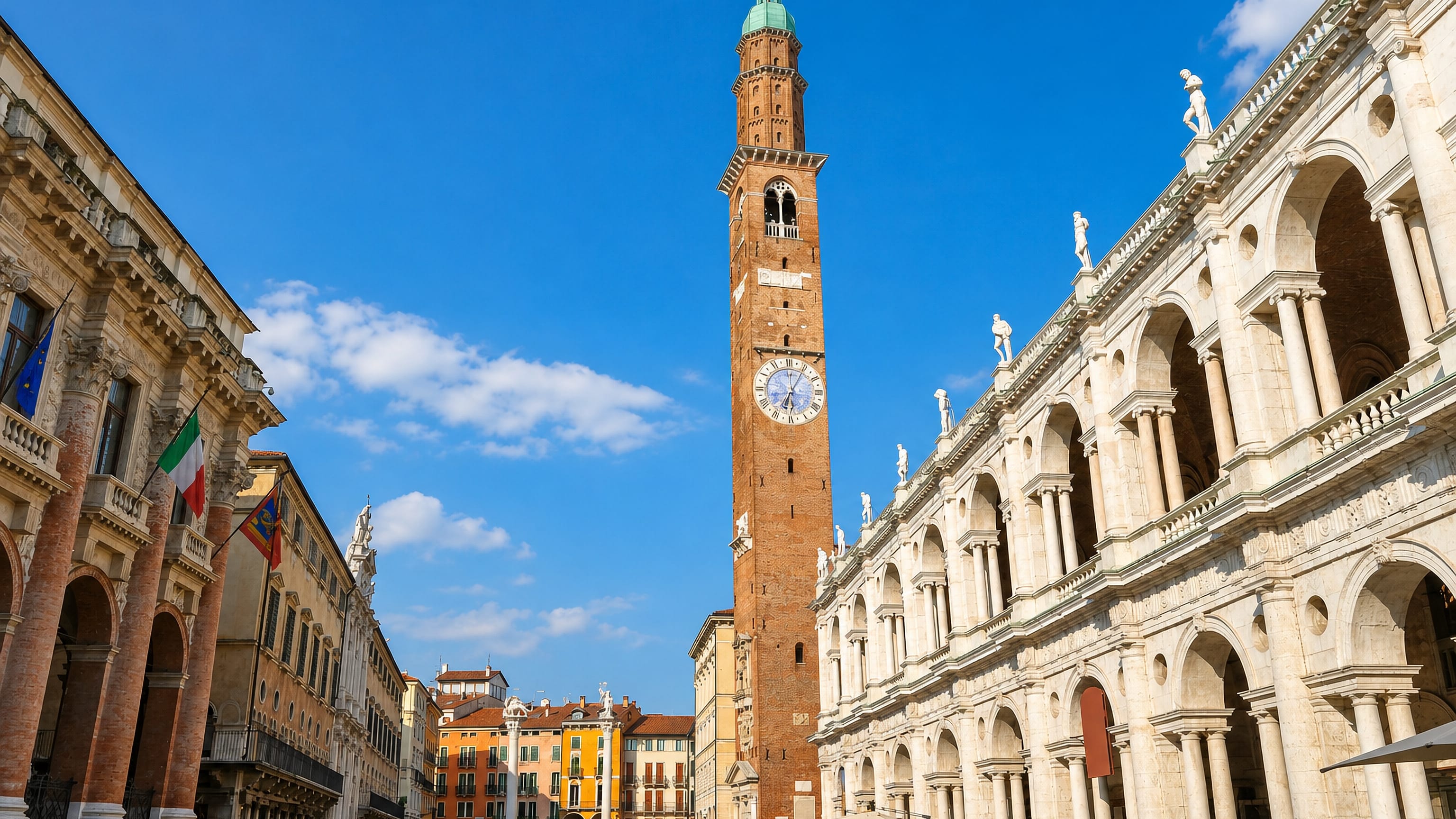
Palladio dominates the list. The Basilica Palladiana carries its loggias over the centre, the Olympic Theatre keeps a permanent stage set behind its doors, and Palazzo Chiericati, Palazzo Thiene and Palazzo Barbaran da Porto line the streets with the same façades. Santa Corona and Vicenza Cathedral hold the church side.
Torre Bissara and Torre del Tormento rise above the roofs, the Roman Cryptoporticus runs beneath them, and Palazzo Leoni Montanari keeps a gallery of its own.
What is the history of Vicenza?
Roman work lies underneath. The Roman Cryptoporticus still runs under the modern pavement, and further excavation beneath Vicenza Cathedral and at Corte dei Bissari has opened the older layers of the settlement that grew on the plain at the northern foot of Monte Berico. Medieval Vicenza left its towers and churches.
Torre Bissara and Torre del Tormento date from that age of communal building, Santa Corona was raised as a friars' church, and Castello Scaligero survives from the period of lordly rule that ended the free commune. Palladio's century remade the look of the place. Andrea Palladio worked here through his maturity, wrapping the medieval town hall in the loggias that made it the Basilica Palladiana, raising Palazzo Chiericati, Palazzo Thiene and Palazzo Barbaran da Porto for the local families, and closing his life with the Olympic Theatre.
Villa Almerico Capra went up in the country outside. Villa Trissino and the other country houses carried the same architecture into the province, and the group of them now holds UNESCO World Heritage listing under Palladio's name. Later centuries added their own institutions.
The Museo del Risorgimento e della Resistenza records the nineteenth-century unification struggle and the wartime resistance that followed it, the sanctuary on Monte Berico gathered its own museum, and the Centro internazionale di studi di architettura "Andrea Palladio" turned the study of the architect into a permanent trade of the city. Vicenza kept its role as the seat of its province throughout. The Museo del Gioiello opened inside the Basilica Palladiana itself, one more layer laid on a building that has served the city for centuries.
Where is Vicenza?
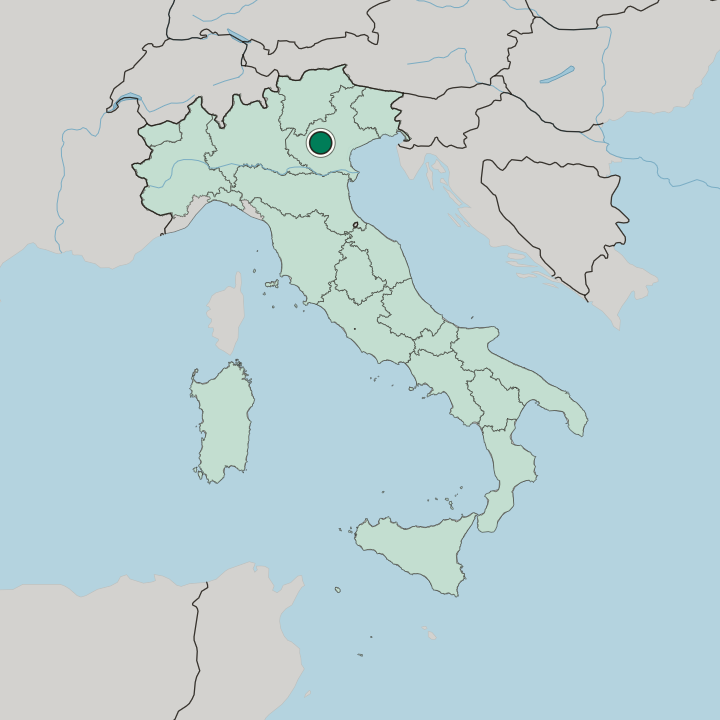
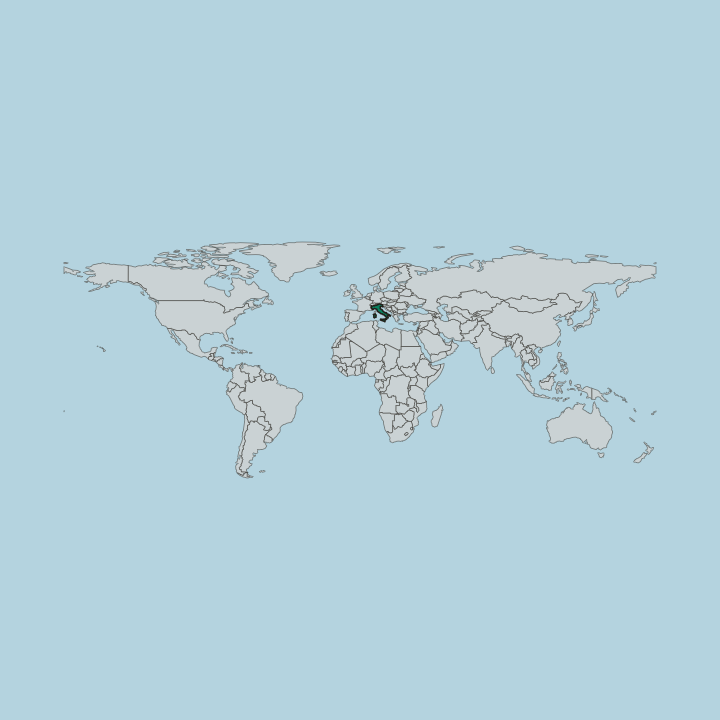
The Bacchiglione splits the built-up ground. Vicenza stands at the northern foot of Monte Berico in Veneto, so the hills close the view southward while the plain of northeastern Italy runs open to the north and east, carrying the eye toward Venice some sixty kilometres away. Milan lies far west of that.
The province around the city takes its name, and its villa country spreads over the low hills and the farmland between.
What is the climate of Vicenza?
Monte Berico shelters the city from the south, leaving Vicenza with the heavy summer air of the Veneto plain and the still, grey cold that settles over the Bacchiglione in winter. Seasons arrive clearly marked. Spring and autumn carry most of the rain, which is when the villa country around the city looks greenest and the walk up the hill is easiest.
Heat builds through July. Damp air lingers in the low ground.
How do you get to Vicenza?
Vicenza sits on the corridor between Milan and Venice, roughly sixty kilometres short of Venice and two hundred beyond Milan, which puts it on the main east-west run across the Veneto plain rather than at the end of any branch. Approaches from the north and east cross flat farmland. The southern side is different, since Monte Berico stands directly behind the centre and traffic works around its foot rather than over it.
The Bacchiglione edges the old core.
Common questions
What is the best area to stay in Vicenza?
Around the Basilica Palladiana: Walkers working through Palazzo Chiericati and the Olympic Theatre. Below Monte Berico: Slower nights with the sanctuary climb at the door. The villa country toward La Rotonda: Drivers touring Villa Almerico Capra and Villa Trissino.
Good for
More cities in Veneto
Updated October 2026