Italy · Veneto
Where to Stay in Rovigo, Veneto
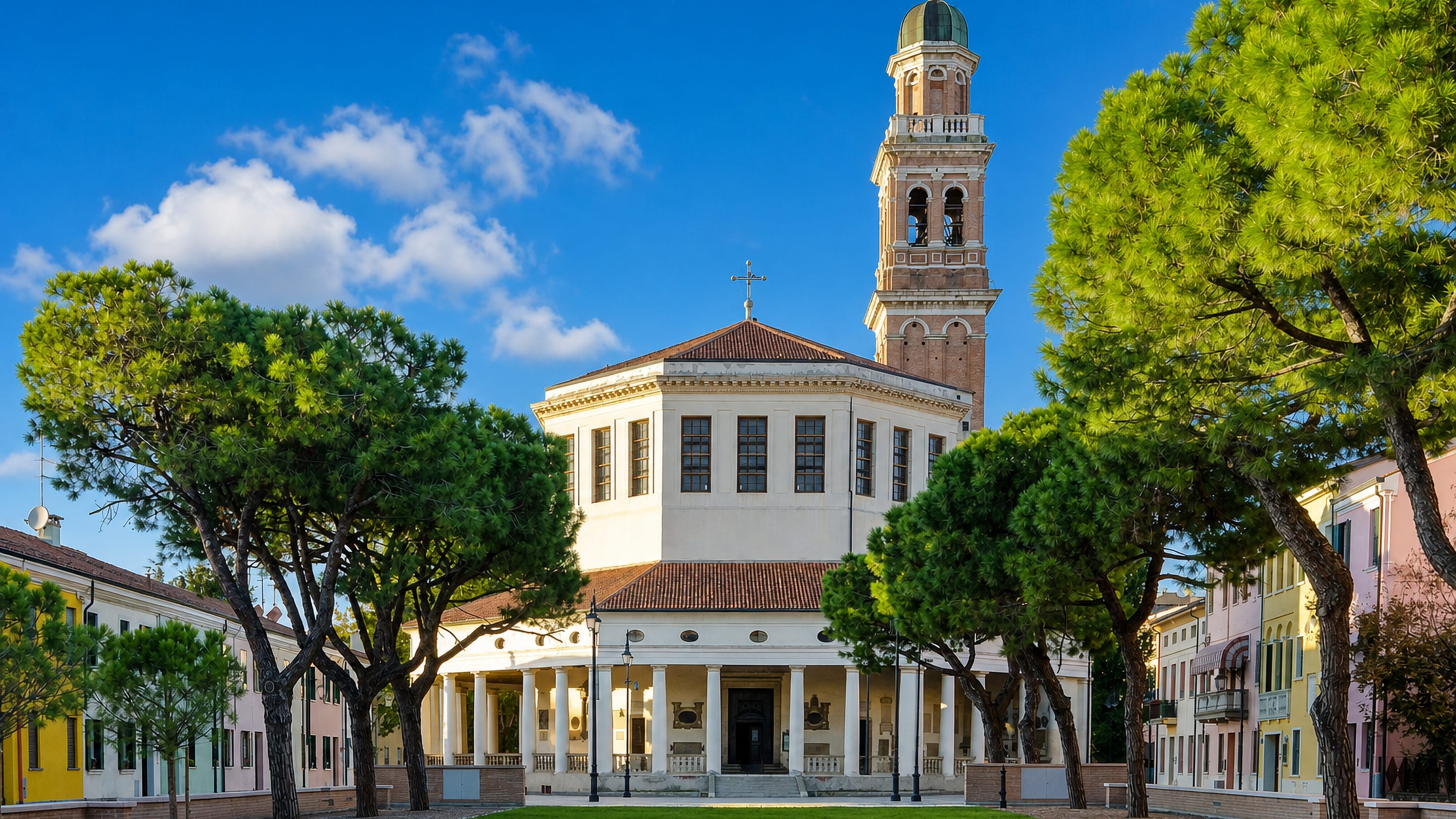
Rovigo is the capital of its province in Veneto, a city of old towers, parish churches, and the collections of the Accademia dei Concordi.
Hotel links are affiliate links: booking through them may earn us a commission, at no extra cost to you. It never affects how places are ranked. How this works


Where to stay in Rovigo
Where visitors usually base themselves, and why.
Rovigo is small enough to cross on foot, which removes most of the usual argument about where to stay and leaves the choice to whichever of its three subjects brought the visit about. Paintings come first. Beds near the Accademia dei Concordi di Rovigo put the Pinacoteca dell'Accademia dei Concordi e del Seminario Vescovile and the monumento a Benvenuto Tisi da Garofolo in the same few streets.
The old defences come second. Rooms by the Castello leave Donà Tower and Torre Mozza at the door, with Torre Pighin close behind and the Monument to Giuseppe Garibaldi among the same streets. Third come the churches.
San Bartolomeo, Santi Francesco e Giustina, Beata Vergine del Soccorso, and Santa Caterina, vergine e martire are all inside the walking city, and the Monastero degli Olivetani belongs to the same short round. The Museo dei Grandi Fiumi is the one fixed reason to look further out. Anyone travelling by car may prefer that side, and the Palazzetto dello Sport marks the part of Rovigo that works for the city itself rather than for visitors.
One night covers most of it.
Find hotels in Rovigo
Direct booking searches for these neighbourhoods.
Around the Accademia dei Concordi
The Accademia dei Concordi di Rovigo, its Pinacoteca, and the monument to Benvenuto Tisi da Garofolo stand within a few streets of one another.Find hotels in Around the Accademia dei Concordithe old defences and a short walk to Torre PighinBy the Castello and its towers
Donà Tower, Torre Mozza, and the Castello are on the doorstep here, with the Monument to Giuseppe Garibaldi in the streets alongside. Beds are limited here, so book early.Find hotels in By the Castello and its towersarriving by car and a morning given to the riversToward the Museo dei Grandi Fiumi
The Museo dei Grandi Fiumi and the Palazzetto dello Sport hold this side of Rovigo, where leaving a car is far simpler. Rooms are few around here — worth securing early.Find hotels in Toward the Museo dei Grandi FiumiHotel links are affiliate links: booking through them may earn us a commission, at no extra cost to you. It never affects how places are ranked. How this works
Things to do in Rovigo
Ranked by global recognition; descriptions from Wikidata (CC0).
Museums & Galleries
3- Museo dei Grandi Fiumi Heritage
- Accademia dei Concordi di Rovigo
- Pinacoteca dell'Accademia dei Concordi e del Seminario Vescovile
Churches & Religious Sites
3- Beata Vergine del Soccorso (Rovigo) Heritage
- Santi Francesco e Giustina Heritage
- San Bartolomeo Heritage
Castles & Historic Sites
3- Castello Heritage
- Monument to Giuseppe Garibaldi
- General officer Domenico Piva monument
Stadiums & Sports
1- Palazzetto dello Sport
Landmarks & Notable Places
3- Donà Tower Heritage
- Torre Pighin Heritage
- Torre Mozza Heritage
worth knowingacross 5 categories in Rovigo
About Rovigo
What is Rovigo known for?
The Accademia dei Concordi di Rovigo gives the city its reputation, and the Pinacoteca dell'Accademia dei Concordi e del Seminario Vescovile holds the paintings that come with it. Towers mark the skyline. Donà Tower and Torre Mozza stand with the Castello, while Torre Pighin belongs to the same habit of building upward.
Rivers are the third subject, and the Museo dei Grandi Fiumi takes them as its whole business.
What are the main landmarks in Rovigo?
Three towers and a castle account for the oldest of it: the Castello, Donà Tower, Torre Mozza, and Torre Pighin. Churches take the next tier, with San Bartolomeo, Santi Francesco e Giustina, Beata Vergine del Soccorso, Santa Caterina, vergine e martire, and the Monastero degli Olivetani between them. Monuments are scattered.
The Monument to Giuseppe Garibaldi, the General officer Domenico Piva monument, and the monumento a Benvenuto Tisi da Garofolo each mark a name the city chose to keep.
What is the history of Rovigo?
Water shaped the ground before anyone built on it, and the Museo dei Grandi Fiumi takes that as its subject, the great rivers of the country around rather than the city alone. Then came the towers. The Castello, Donà Tower, Torre Mozza, and Torre Pighin belong to a period when holding a position mattered more than decorating it, and they remain the hardest evidence for Rovigo's early standing.
Religion followed the same ground. San Bartolomeo, Santi Francesco e Giustina, Beata Vergine del Soccorso, and Santa Caterina, vergine e martire mark the parish structure, and the Monastero degli Olivetani adds the monastic side of it. Learning arrived as an institution.
The Accademia dei Concordi di Rovigo gathered books and paintings into one body, and the Pinacoteca dell'Accademia dei Concordi e del Seminario Vescovile still keeps that collection together with the seminary's own. Monuments record what came after. The Monument to Giuseppe Garibaldi and the General officer Domenico Piva monument name two figures the city chose to honour in public, and the monumento a Benvenuto Tisi da Garofolo names a third.
Rovigo holds the capital of the province that carries its name, and that is its standing inside Veneto. The rivers were here first.
Where is Rovigo?
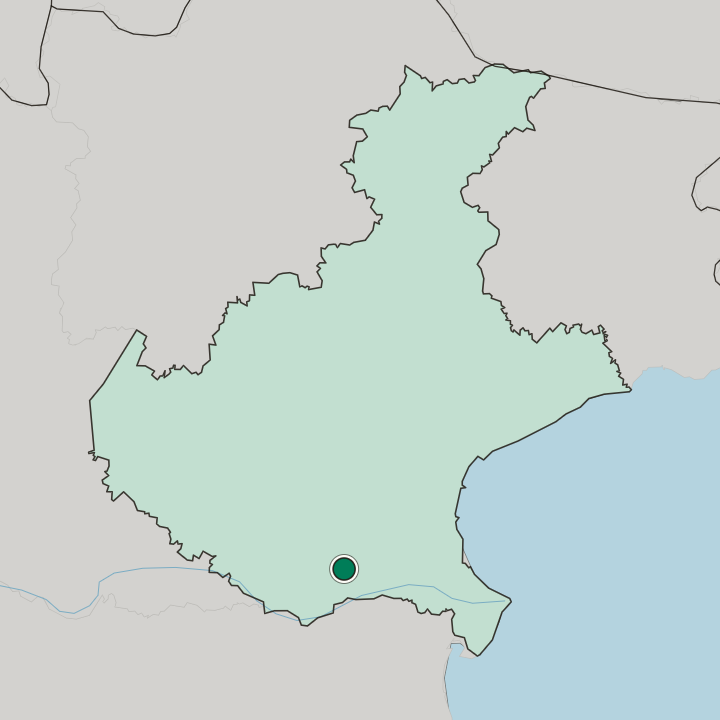
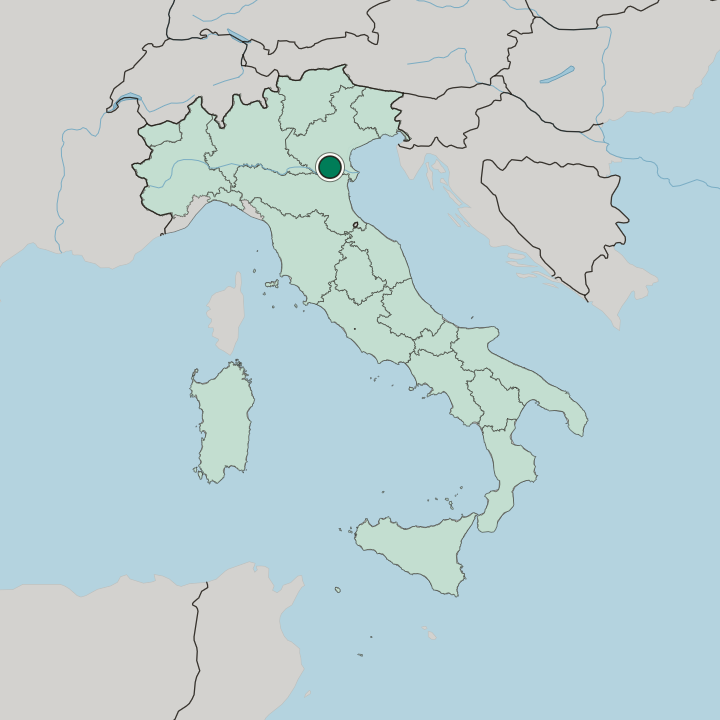
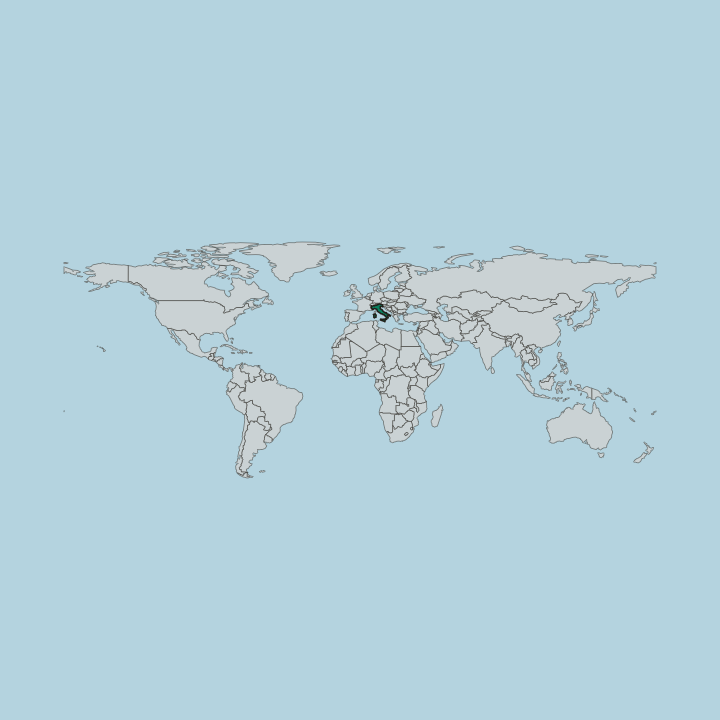
Rovigo lies in the river country of Veneto, at the head of the province that carries its name, with a comune spreading well past the built-up streets. Water is the local theme. The Museo dei Grandi Fiumi makes the point plainly, taking the great rivers as its subject rather than any single monument in the city.
The province of Rovigo is one of the administrative divisions of Veneto, and the city is its seat.
What is the climate of Rovigo?
Rovigo sits in the temperate band well inside Veneto, so its year swings between a warm middle and a cold end without much interference from any coast or mountain range. River country holds moisture. Air over the great rivers that the Museo dei Grandi Fiumi takes as its subject carries that water inland, and the cold half of the year feels heavier here than the temperature alone would suggest.
The Accademia dei Concordi di Rovigo is the obvious refuge on the worst days.
How do you get to Rovigo?
Rovigo is the capital of its province, so the province's roads run to it rather than around it. Veneto puts it among neighbours. The region's other cities are close enough that Rovigo is often reached as part of a wider trip through Veneto rather than as a destination approached on its own.
On arrival the walking is short, with the Castello, the Accademia dei Concordi di Rovigo, and San Bartolomeo inside the same few streets and the Museo dei Grandi Fiumi a little beyond. Torre Mozza is the marker.
Common questions
What is the best area to stay in Rovigo?
Around the Accademia dei Concordi: gallery days and the monumento a Benvenuto Tisi da Garofolo. By the Castello and its towers: the old defences and a short walk to Torre Pighin. Toward the Museo dei Grandi Fiumi: arriving by car and a morning given to the rivers.
Good for
More cities in Veneto
Updated October 2026