Japan · Gunma-ken
Where to Stay in Fujioka, Gunma-ken
Fujioka, a city of Gunma Prefecture in Japan since 1954, holds Sanbaseki Gorge, two kofun, and the Hongō Haniwa Kiln Site.
Hotel links are affiliate links: booking through them may earn us a commission, at no extra cost to you. It never affects how places are ranked. How this works


Where to stay in Fujioka
The practical side of choosing where to sleep.
Sanbaseki Gorge and the two kofun ask for different days, and a bed in Fujioka is easier to pick once that split is settled. The gorge is the outdoor day. Ōjizuka Kofun and Suwajinja Kofun are the alternative, mounded ground rather than exhibits, and a stay arranged around them treats Fujioka as an archaeological errand rather than a scenic one. Gunma Prefecture is the address either way.
The Hongō Haniwa Kiln Site sits with the mounds in subject if not in name. Then comes Takayama-sha. Takayama-sha is the one name here that is not a mound, a kiln, or a gorge, and its place on the register marks a different kind of record from the earthworks around it.
If quiet suits you, the kofun side gives it. Fujioka covers a moderate spread of Gunma Prefecture, so no single quarter of it holds all five names, and moving between Sanbaseki Gorge and Suwajinja Kofun is a journey rather than a walk. City status arrived in 1954.
The names on the register do not depend on that date, and the choice of where to sleep in Fujioka is really a choice of which of them to be near, Ōjizuka Kofun or the Hongō Haniwa Kiln Site or Sanbaseki Gorge.
Find hotels in Fujioka
Direct booking searches for these neighbourhoods.
Sanbaseki Gorge
Sanbaseki Gorge is the only natural feature on Fujioka's register and the one entry that fills a whole day outdoors. Few places to stay nearby — book ahead.Find hotels in Sanbaseki Gorgestays close to Fujioka's mounded tombsŌjizuka Kofun
Ōjizuka Kofun and Suwajinja Kofun are the two mounds, and a bed near the first shortens the run to the second. Rooms are few around here — worth securing early.Find hotels in Ōjizuka Kofunvisits pairing the kiln site with the kofunHongō Haniwa Kiln Site
The Hongō Haniwa Kiln Site is the fired-clay half of the same archaeology the two kofun stand for. Rooms are few around here — worth securing early.Find hotels in Hongō Haniwa Kiln Sitetrips built on Takayama-sha aloneTakayama-sha
Takayama-sha is the only name on Fujioka's list that is neither a tomb, a kiln, nor a gorge. Few places to stay nearby — book ahead.Find hotels in Takayama-shaquiet nights beside Suwajinja KofunSuwajinja Kofun
Suwajinja Kofun is the second of Fujioka's two mounds and the quieter reason to be in this part of Gunma Prefecture. Lodging is scarce in this area; reserve in advance.Find hotels in Suwajinja KofunHotel links are affiliate links: booking through them may earn us a commission, at no extra cost to you. It never affects how places are ranked. How this works
About Fujioka
What is Fujioka known for?
Two kofun anchor the register. Ōjizuka Kofun and Suwajinja Kofun are the mounded tombs, and the Hongō Haniwa Kiln Site puts a firing place on the same short list of five. Sanbaseki Gorge is the natural entry, cut into the ground of Gunma Prefecture. Takayama-sha completes the five.
Nothing here is a castle, and the city of 1954 took its name over ground that had been marked long before by mounds and kilns.
What are the main landmarks in Fujioka?
Five names, no more. Ōjizuka Kofun and Suwajinja Kofun are burial mounds, the Hongō Haniwa Kiln Site is a production site, Sanbaseki Gorge is cut rock, and Takayama-sha is none of those. Two of the five carry the word kofun in their own names. Gunma Prefecture holds the lot.
The register is short enough that a single visit covers it, and long enough that no two entries answer to the same reason for coming.
What is the history of Fujioka?
The mounds come first. Ōjizuka Kofun and Suwajinja Kofun are the oldest built things the register names, raised as tombs long before any municipal boundary in Gunma Prefecture existed to contain them. The Hongō Haniwa Kiln Site belongs with them. It records making rather than burial, and a kiln site is the kind of evidence that is read out of the ground rather than admired above it.
Sanbaseki Gorge predates all of it. Then comes Takayama-sha. Takayama-sha is the one name here that is not a mound, a kiln, or a gorge, and its place on the register marks a different kind of record from the earthworks around it. 1954 is the civic date.
That year gave Fujioka the status of a city in Gunma Prefecture, Japan, drawing a single administrative name around ground that had already been marked by tombs, by a kiln, and by a gorge. The order of arrival still shows. Ōjizuka Kofun, Suwajinja Kofun, and the Hongō Haniwa Kiln Site sit at the deep end of it, Takayama-sha in the middle, and the city itself at the near end.
Where is Fujioka?
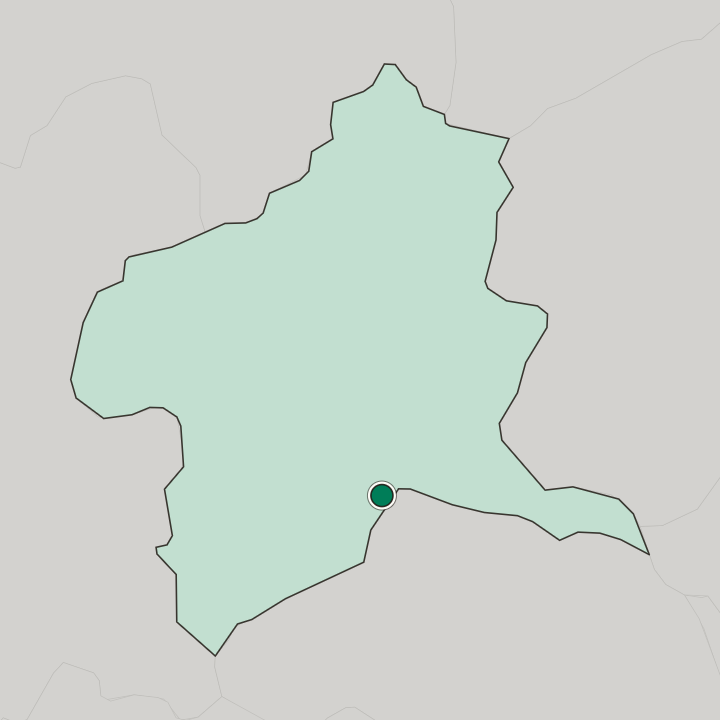
A gorge does the shaping. Sanbaseki Gorge is the one cut in Fujioka's ground that reads as landscape rather than as archaeology, and the rest of the city spreads across the temperate country of Gunma Prefecture around it. Ōjizuka Kofun and Suwajinja Kofun raise the ground in a smaller way. The Hongō Haniwa Kiln Site belongs to the same worked earth.
Japan's temperate band covers all of it.
What is the climate of Fujioka?
The gorge collects the rain. Fujioka sits in the temperate band, and Sanbaseki Gorge is the feature that shows what the wet months do, carrying water off the ground of Gunma Prefecture after the summer rain. Winters run cold and dry. Ōjizuka Kofun and Suwajinja Kofun are open to whatever the season brings, since a mound has no roof over it.
Gunma Prefecture shares the same seasonal frame across all five names.
How do you get to Fujioka?
Gunma Prefecture is the approach. Fujioka spreads over a moderate area, and its five names, Sanbaseki Gorge, Ōjizuka Kofun, Suwajinja Kofun, the Hongō Haniwa Kiln Site, and Takayama-sha, do not share one arrival point. Sites here sit genuinely far apart.
Reaching Sanbaseki Gorge is a separate outing from reaching the two kofun, and combining them takes planning rather than luck. Takayama-sha needs its own leg again.
Common questions
What is the best area to stay in Fujioka?
Sanbaseki Gorge: days given over to Sanbaseki Gorge. Ōjizuka Kofun: stays close to Fujioka's mounded tombs. Hongō Haniwa Kiln Site: visits pairing the kiln site with the kofun. Takayama-sha: trips built on Takayama-sha alone. Suwajinja Kofun: quiet nights beside Suwajinja Kofun.
More cities in Gunma-ken
Updated September 2026