Japan · Gunma-ken
Where to Stay in Maebashi, Gunma-ken
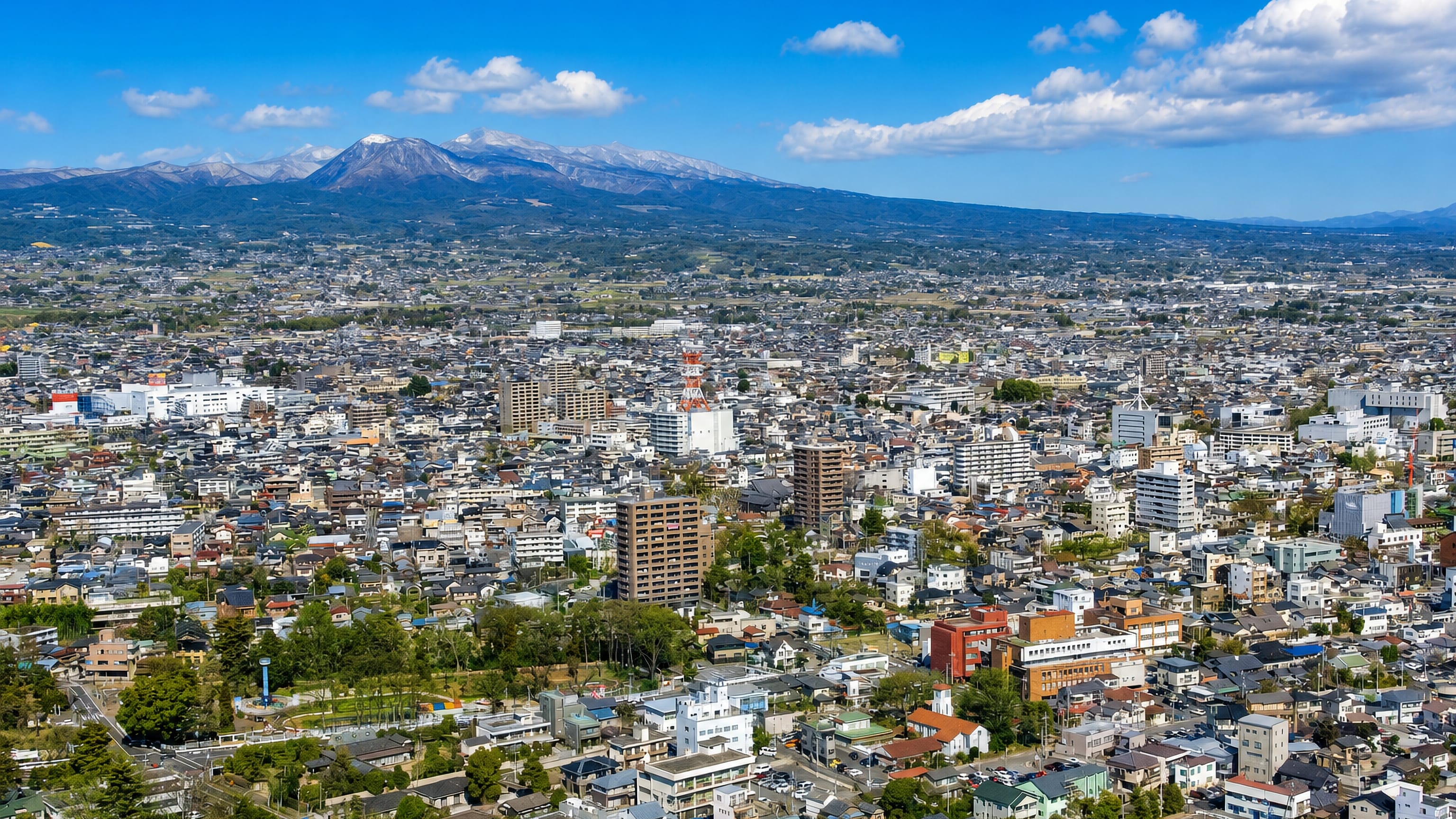
The Hirose River runs green through the middle of Maebashi, capital of Gunma Prefecture in northern Kantō, the city of water, greenery and poets.
Hotel links are affiliate links: booking through them may earn us a commission, at no extra cost to you. It never affects how places are ranked. How this works


Where to stay in Maebashi
Where the beds are, and what that means for the visit.
Maebashi keeps its rooms in a tight band between the station and the Hirose River, which is where the city actually functions. Arts Maebashi, the Maebashi City Museum of Literature and the shopping arcades all sit inside that band, and the willow channel gives the walk between them something better than a pavement. The river is never far from the door.
Book here if you have no car and want the galleries. North of the centre the ground begins to lift toward Mount Akagi. Rooms out that way are thinner and further apart, but they put the volcano's foothills, the woods and the Hidaka site within a short drive, and the air changes as soon as the fields start.
Cyclists like this side. It is the wrong base for anyone without wheels. West runs into Takasaki.
The two cities have grown together across the Tone River, so a room on that side works for anyone splitting time between them or moving on toward Fujioka and Honjō, and Luna Park keeps the children busy in between. Trains cross between the two all day.
Find hotels in Maebashi
Direct booking searches for these neighbourhoods.
The Hirose River band
Willow channel linking Arts Maebashi to the arcadesFind hotels in The Hirose River bandCyclists and drivers heading for the Hidaka siteThe Akagi foothills
Where the fields start climbing toward the volcanoFind hotels in The Akagi foothillsSplitting time between Maebashi and TakasakiThe Takasaki side
Grown-together streets across the Tone RiverFind hotels in The Takasaki sideHotel links are affiliate links: booking through them may earn us a commission, at no extra cost to you. It never affects how places are ranked. How this works
Things to do in Maebashi
Ranked by global recognition; descriptions from Wikidata (CC0).
Museums & Galleries
2- Hirosegawa Museum Heritage
- Arts Maebashi
Churches & Religious Sites
1- Maebashi Church
Castles & Historic Sites
1- Hidaka site
Parks & Gardens
1- Luna Park Heritage
worth knowingacross 4 categories in Maebashi
About Maebashi
What is Maebashi known for?
Maebashi is known as the city of water, greenery and poets, a name earned from its springs and the writers born along its streets. The Hirose River carries the first of those. Its willow-hung channel cuts through the centre past the Hirosegawa Museum, and a few streets away the Maebashi City Museum of Literature keeps the papers of Sakutarō Hagiwara, whose verse fixed the town in modern Japanese poetry.
Art came later. Arts Maebashi took over a department store on the main shopping street and turned it into the contemporary gallery.
What are the main landmarks in Maebashi?
Maebashi puts its landmarks along the Hirose River and the streets running off it. Arts Maebashi is the newest. The converted department store holds the contemporary gallery, and the Maebashi City Museum of Literature and the Hirosegawa Museum sit within the same few blocks, keeping the writing and the water that gave the city its name.
Maebashi Church stands a little further on, and the small rides of Luna Park run beside the park ground. The Hidaka site lies out past the fields.
What is the history of Maebashi?
Maebashi grew where the Tone River leaves the mountains and spreads onto the Kantō plain. People worked this ground early. The Hidaka site holds the traces of that farming settlement, dug out of the volcanic soil Mount Akagi laid down across the district long before any town existed here.
Silk made the modern city. Maebashi turned the water of the Hirose River and the mulberry fields of the surrounding plain into a filature trade, and the mills drew workers, merchants and eventually the Meiji-era congregation that raised Maebashi Church. Money followed the thread.
The main street filled with department stores, one of which now houses Arts Maebashi. Maebashi was incorporated as a city in 1889 and took the prefectural offices of Gunma Prefecture, a role it has held since against the steady pull of Takasaki next door. Poets came out of those streets.
Sakutarō Hagiwara wrote the town into modern Japanese verse, and the Maebashi City Museum of Literature was built to hold his papers and those of the writers who followed him. The willows still line the channel through the middle of the town.
Where is Maebashi?
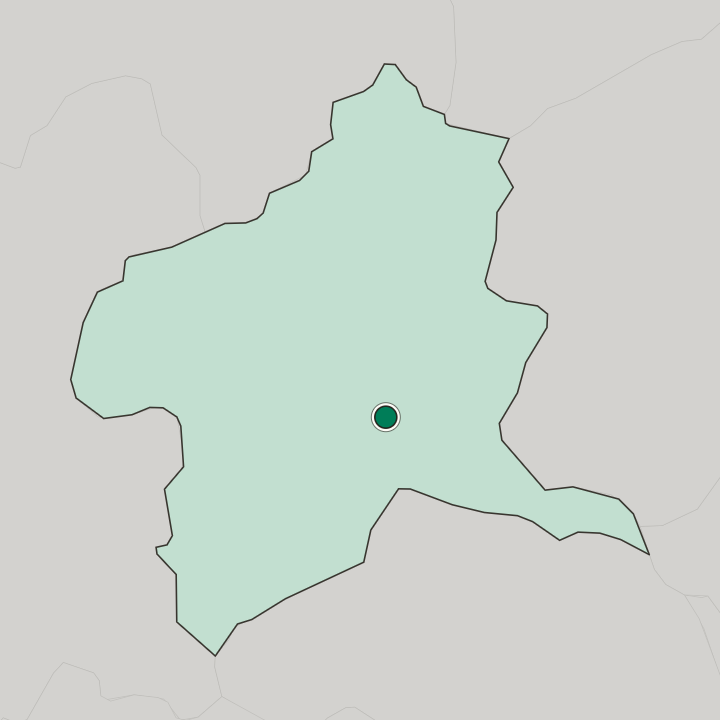
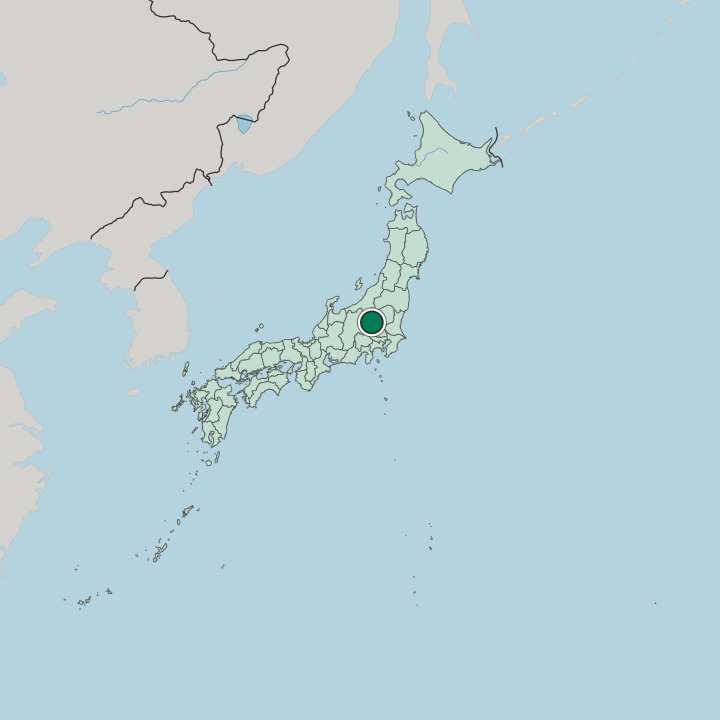
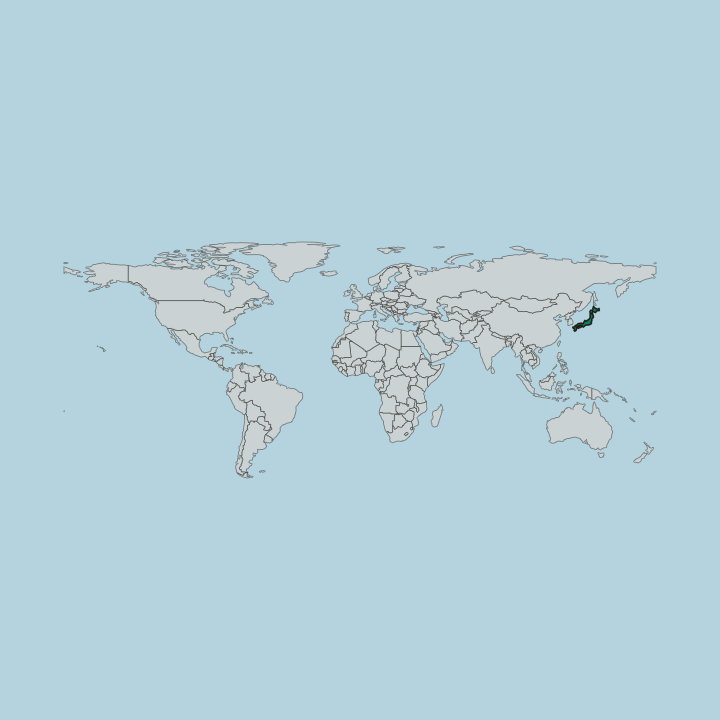
Maebashi lies on the northern edge of the Kantō plain, in Gunma Prefecture, where the Tone River comes down out of the hills. Mount Akagi stands over it. The volcano's long skirt fills the ground north of the city and its ash built the soil the plain is farmed on, while the Hirose River threads the centre and the flat land runs south toward Takasaki and Fujioka.
Everything tilts gently south. The mountains are visible from most streets on a clear morning.
What is the climate of Maebashi?
Maebashi spends its winters under the dry wind that pours down off Mount Akagi. Locals name that wind. It strips the moisture out of the air from late autumn onward, so the cold months stay bright, hard and almost snowless on the plain while the mountains behind take the snow instead.
Summer is the opposite. Heat builds over the Kantō plain until the afternoon thunder breaks it, and the Hirose River is the coolest thing in the centre.
How do you get to Maebashi?
Maebashi is reached from the Shinkansen station at Takasaki, a few minutes west along the line. Two local railways serve the city. They run in from Takasaki and from Kiryū to the platforms near the centre, and the buses that share those forecourts reach Mount Akagi, the Hidaka site and the towns out toward Ōta and Midori.
The expressway crosses the plain south of the built-up ground. Most visitors arrive by car.
Common questions
What is the best area to stay in Maebashi?
The Hirose River band: Gallery days without a car. The Akagi foothills: Cyclists and drivers heading for the Hidaka site. The Takasaki side: Splitting time between Maebashi and Takasaki.
Good for
More cities in Gunma-ken
Updated October 2026