Japan · Gunma-ken
Where to Stay in Midori, Gunma-ken
Midori, written Midori City, is a city of Gunma Prefecture in Japan formed in 2006 around the Iwajuku Site and four railway stations.
Hotel links are affiliate links: booking through them may earn us a commission, at no extra cost to you. It never affects how places are ranked. How this works


Where to stay in Midori
Where the beds are, and what that means for the visit.
Ōmama carries both a station and a museum, so a bed near Ōmama Station puts the Midori City Omama Museum under the same name. Three other stations exist. Gōdo Station, Kami-Kambai Station, and Sōri Station each serve a different part of Midori, and choosing between them is really choosing which end of the city to wake up in.
The Iwajuku Site pulls its own weight. The Iwajuku Museum carries the same name, and the two read as one destination rather than as two separate stops on a Gunma Prefecture itinerary. One collection stands outside that pattern.
The Tomihio Art Museum answers to none of the stations by name, and a stay chosen for it is a different stay from one chosen for the excavations. The Saishikada Nakajima Site is the quieter dig. If excavated ground is what suits you, the two sites and the Iwajuku Museum will fill a stay on their own.
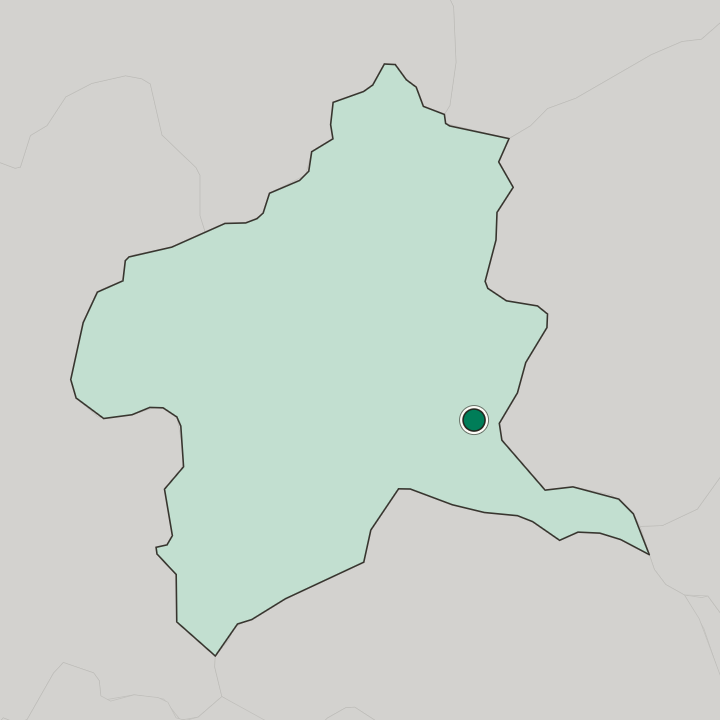
Midori came together in 2006. The city covers a broad stretch of Gunma Prefecture in Japan, so Sōri Station and Ōmama Station are not interchangeable, and a booking made without checking which one is nearest can cost a long transfer.
Find hotels in Midori
Direct booking searches for these neighbourhoods.
Ōmama Station
Ōmama Station and the Midori City Omama Museum carry the same name, which makes this the simplest base in Midori.Find hotels in Ōmama Stationvisits centred on the Iwajuku Site and its museumIwajuku Site
The Iwajuku Site and the Iwajuku Museum share a name and read as one destination rather than two. Rooms are few around here — worth securing early.Find hotels in Iwajuku Sitearrivals at the Sōri Station end of MidoriSōri Station
Sōri Station serves an end of Midori that Ōmama Station does not, and a bed near it suits a different itinerary. Beds are limited here, so book early.Find hotels in Sōri Stationart-led nights in this corner of Gunma PrefectureTomihio Art Museum
The Tomihio Art Museum is the one entry on Midori's register that answers to no station name. Rooms are few around here — worth securing early.Find hotels in Tomihio Art Museumsecond-day trips to the Saishikada Nakajima SiteSaishikada Nakajima Site
The Saishikada Nakajima Site is the quieter of Midori's two excavations and rarely the first stop of a visit. Lodging is scarce in this area; reserve in advance.Find hotels in Saishikada Nakajima SiteHotel links are affiliate links: booking through them may earn us a commission, at no extra cost to you. It never affects how places are ranked. How this works
Things to do in Midori
Ranked by global recognition; descriptions from Wikidata (CC0).
Museums & Galleries
3- Midori City Omama Museum Heritage
- Tomihio Art Museum
- Iwajuku Museum
Castles & Historic Sites
2- Iwajuku Site Heritage
- Saishikada Nakajima Site
worth knowingacross 2 categories in Midori
About Midori
What is Midori known for?
Stations and dig sites. Ōmama Station, Gōdo Station, Kami-Kambai Station, and Sōri Station give Midori four named stops, while the Iwajuku Site and the Saishikada Nakajima Site give it two named excavations. The Iwajuku Museum keeps the record of the first of those. Two more museums follow.
The Tomihio Art Museum and the Midori City Omama Museum round out a register in which nothing is a castle and nothing is a temple.
What are the main landmarks in Midori?
Nine names, four of them stations. Gōdo Station, Kami-Kambai Station, Sōri Station, and Ōmama Station make up that group, and the five remaining names divide between excavated ground and museum floors in Gunma Prefecture. The Iwajuku Site and the Saishikada Nakajima Site are the excavations.
The Iwajuku Museum, the Tomihio Art Museum, and the Midori City Omama Museum are the three collections. No castle appears.
What is the history of Midori?
2006 made the city. Midori is a recent name on the map of Gunma Prefecture, and Midori City is what the place is called in Japan's own script, but the ground under it was being dug and studied long before the municipality existed. The Iwajuku Site is the proof.
Excavated ground carries the name, and the Iwajuku Museum was built to hold what the digging produced rather than to mark the founding of a city. The Saishikada Nakajima Site is a second such record. Rail came in between. Ōmama Station, Gōdo Station, Kami-Kambai Station, and Sōri Station all predate the 2006 municipality, and the four of them were in place before the separate settlements of this part of Gunma Prefecture were joined under one name.
One older name survived. The Midori City Omama Museum carries the older name alongside the newer one, which is the clearest sign in the register of how the city was assembled. The Tomihio Art Museum belongs to no such lineage.
Gunma Prefecture held every one of these names before Midori was drawn around them, and it holds them still under a single civic title.
Where is Midori?
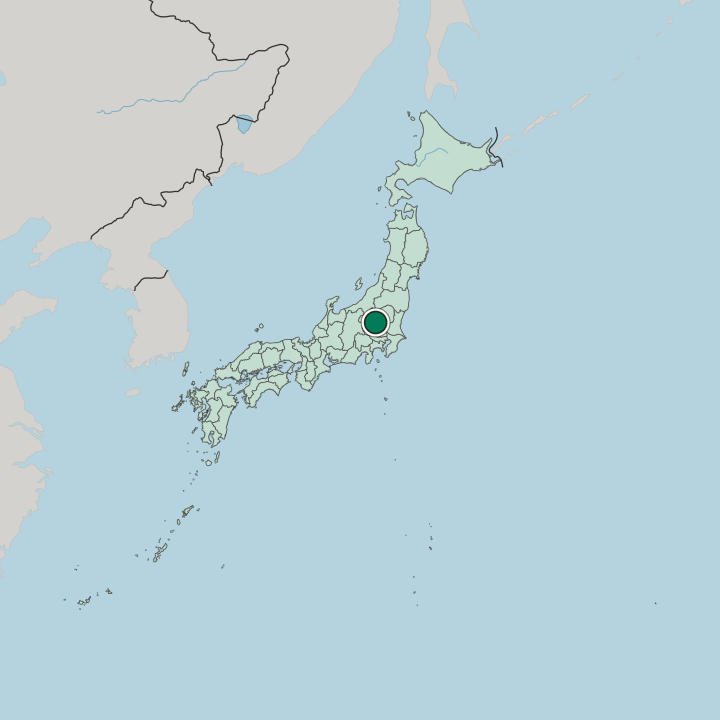
Temperate ground, spread wide. Midori covers a broad stretch of Gunma Prefecture, and the distance between Sōri Station and Ōmama Station is a fair measure of how far the city reaches. The Iwajuku Site occupies a piece of that ground.
The Saishikada Nakajima Site occupies another, and the two excavations together show that the useful ground here was not confined to one corner. Japan's temperate band frames the whole spread.
What is the climate of Midori?
Seasons swing here. Midori sits in the temperate band of Gunma Prefecture, where summer runs humid and the winter months turn cold and clear, and the difference between the two is the main thing a visit has to plan around. The Iwajuku Site is open ground.
Rain shifts a day there to the Iwajuku Museum or the Tomihio Art Museum without much loss. The Midori City Omama Museum takes the same wet afternoon.
How do you get to Midori?
Four stations serve the city. Ōmama Station, Gōdo Station, Kami-Kambai Station, and Sōri Station are the named stops, and the choice among them is the first decision a trip to Midori asks for. Rail is the obvious approach. Ōmama Station shares its name with the Midori City Omama Museum, which makes it the easiest stop to remember and the simplest to build a first day around. Gunma Prefecture holds the whole run of them.
Common questions
What is the best area to stay in Midori?
Ōmama Station: stays that keep the Midori City Omama Museum close. Iwajuku Site: visits centred on the Iwajuku Site and its museum. Sōri Station: arrivals at the Sōri Station end of Midori. Tomihio Art Museum: art-led nights in this corner of Gunma Prefecture. Saishikada Nakajima Site: second-day trips to the Saishikada Nakajima Site.
Good for
More cities in Gunma-ken
Updated September 2026