Japan · Gunma-ken
Where to Stay in Ōta, Gunma-ken
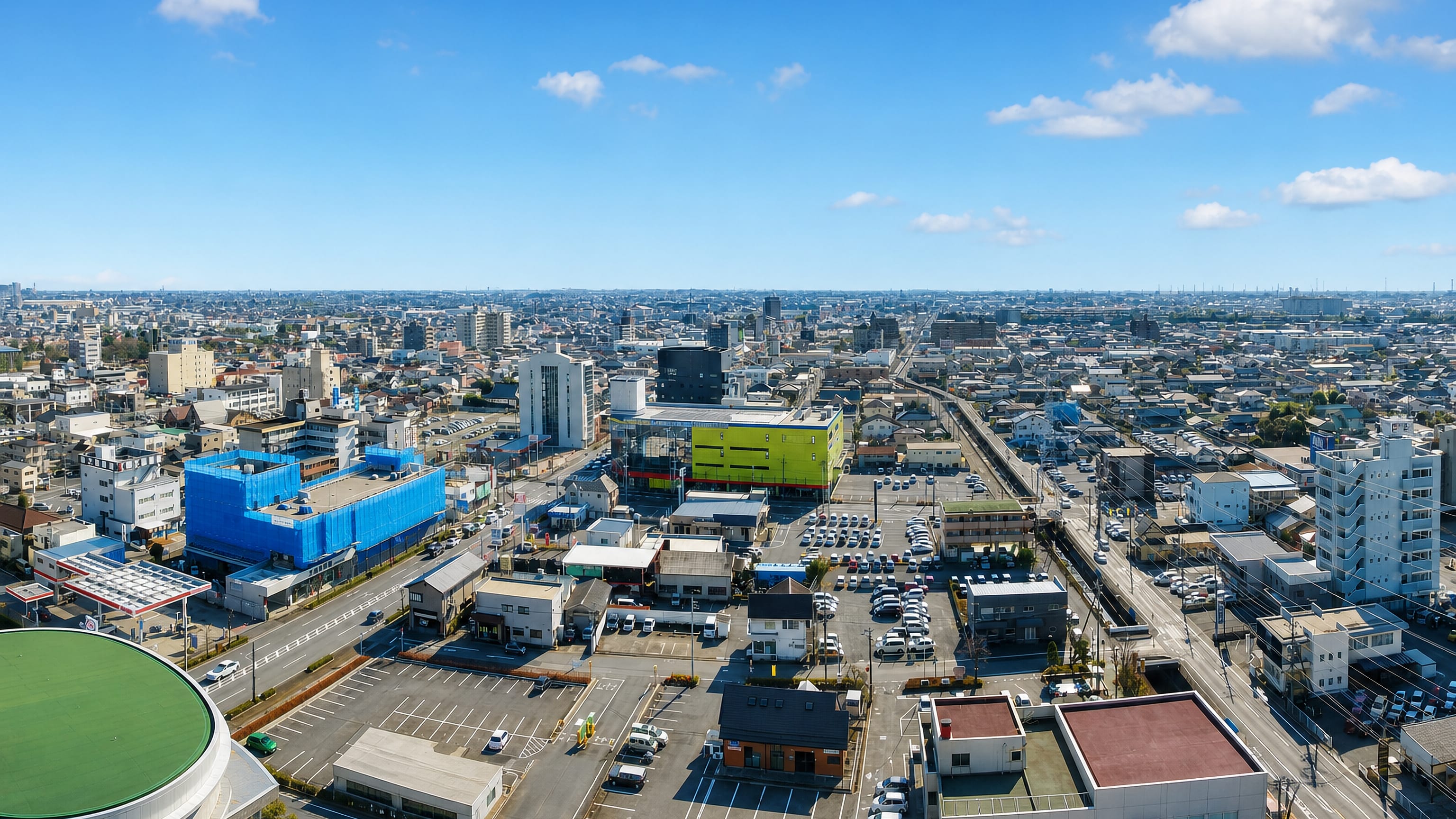
Ōta is a city in Gunma Prefecture where kofun burial mounds, the Nitta estate lands and the Subaru Visitor Center share one municipality.
Hotel links are affiliate links: booking through them may earn us a commission, at no extra cost to you. It never affects how places are ranked. How this works


Where to stay in Ōta
How the choice of base plays out on the ground.
Ōta Tenjin-yama Kofun and the Subaru Visitor Center pull a stay in opposite directions. The mound end of the city suits anyone whose reason for coming is the kofun themselves, because Nyotaisan Kofun and Tsuruyama Kofun belong to the same visit and a base among them turns three separate monuments into one morning. That is the slower half.
Beds there sit closer to fields than to shopfronts. Nothing in Ōta works as a resort quarter, and the practical question is which of its scattered sites you want to wake up nearest to, since the city spreads its interest between the mounds and the shrines rather than gathering it into one street. Serada Tōshō-gū marks a second choice, with Chōraku-ji Temple and the Nitta-no-shō National Historical Site lying in the same direction and the Nitta Gunchō ruins beyond them.
Ikushina Shrine offers a quieter third. Sorimachi Yakushi and Mikazukimura keep company with it, and a stay in that part of Ōta trades convenience for calm without putting any of the city's monuments genuinely far off. The indoor option is the last.
Rooms near the Art Museum & Library, Ota, put the Enkiri-dera Mantoku-ji Shiryō-kan and the Subaru Visitor Center inside the same day, which is the plan that survives rain. Weigh the weather before booking.
Find hotels in Ōta
Direct booking searches for these neighbourhoods.
The Ōta Tenjin-yama Kofun end
The kofun side of Ōta, where Ōta Tenjin-yama Kofun and Nyotaisan Kofun sit nearest to a night's sleep.Find hotels in The Ōta Tenjin-yama Kofun endshrine hours at Serada Tōshō-gū with Chōraku-ji Temple after themTowards Serada Tōshō-gū
Older ground around Serada Tōshō-gū, with the Nitta-no-shō National Historical Site and the Nitta Gunchō ruins lying the same way.Find hotels in Towards Serada Tōshō-gūcalm nights within reach of Sorimachi Yakushi and MikazukimuraBy Ikushina Shrine
The Ikushina Shrine quarter of Ōta, away from the museum side and close to Sorimachi Yakushi.Find hotels in By Ikushina Shrinea wet day divided between the Art Museum & Library, Ota and the Subaru Visitor CenterAround the Art Museum & Library, Ota
The roofed half of Ōta, where the Enkiri-dera Mantoku-ji Shiryō-kan and the Subaru Visitor Center hold an afternoon indoors.Find hotels in Around the Art Museum & Library, OtaHotel links are affiliate links: booking through them may earn us a commission, at no extra cost to you. It never affects how places are ranked. How this works
Things to do in Ōta
Ranked by global recognition; descriptions from Wikidata (CC0).
Museums & Galleries
2- Art Museum & Library, Ota
- Enkiri-dera Mantoku-ji Shiryō-kan
Castles & Historic Sites
2- Nitta-no-shō National Historical Site Heritage
- Nitta Gunchō ruins
Parks & Gardens
1- Mikazukimura
worth knowingacross 3 categories in Ōta
About Ōta
What is Ōta known for?
Burial mounds come first. Ōta Tenjin-yama Kofun heads a group that takes in Nyotaisan Kofun and Tsuruyama Kofun, and those earthworks share the city with the Nitta-no-shō National Historical Site and the Nitta Gunchō ruins. Shrines carry the rest. Ikushina Shrine and Serada Tōshō-gū hold the older religious ground, while Chōraku-ji Temple and the Enkiri-dera Mantoku-ji Shiryō-kan record a separate strand.
The Subaru Visitor Center answers to a different century.
What are the main landmarks in Ōta?
Three mounds anchor the visiting list: Ōta Tenjin-yama Kofun, Nyotaisan Kofun and Tsuruyama Kofun. Ikushina Shrine stands apart from them. Serada Tōshō-gū, Chōraku-ji Temple and Sorimachi Yakushi carry the temple and shrine side, while the Nitta-no-shō National Historical Site and the Nitta Gunchō ruins record the estate they are named for.
Mikazukimura belongs to the older set as well, and the Art Museum & Library, Ota, together with the Enkiri-dera Mantoku-ji Shiryō-kan, keeps the indoor options open. The Subaru Visitor Center closes the list.
What is the history of Ōta?
The mounds came first. Ōta Tenjin-yama Kofun, Nyotaisan Kofun and Tsuruyama Kofun are burial monuments raised long before the shrines and temples that now share the city with them, and they are the oldest works Ōta can point to. No city was left behind them. What came after is recorded in the ground instead, and the Nitta-no-shō National Historical Site preserves the estate that gives the site its name, with the Nitta Gunchō ruins standing in the same landscape.
Nitta names much of the old map here. Religious building marks the next layer, and Ikushina Shrine, Serada Tōshō-gū, Chōraku-ji Temple and Sorimachi Yakushi each carry a piece of it, spread across the municipality rather than gathered into one precinct. Mikazukimura sits in the same company.
The Enkiri-dera Mantoku-ji Shiryō-kan keeps the documentary side of that history. Ōta took its modern municipal form in 1889. Industry arrived later, and the Subaru Visitor Center is where that chapter is presented to visitors, a long way in character from the earthworks that opened the record. Ōta Tenjin-yama Kofun still marks the start of the sequence, and Serada Tōshō-gū, the Nitta Gunchō ruins and the Art Museum & Library, Ota, mark points along it.
Where is Ōta?
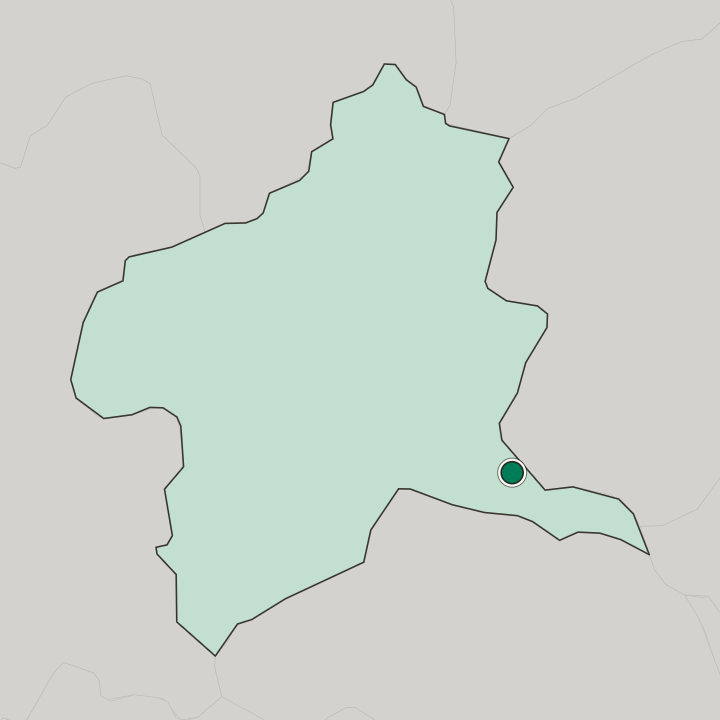
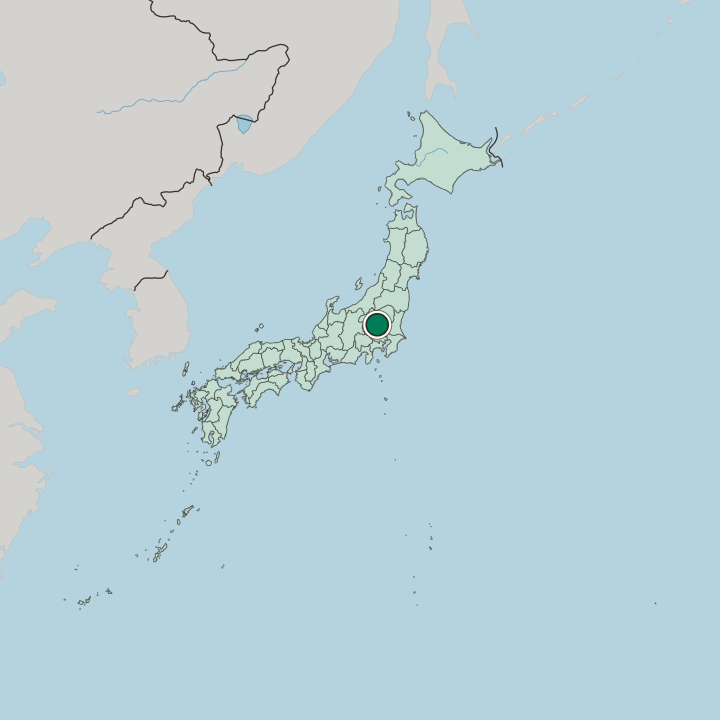
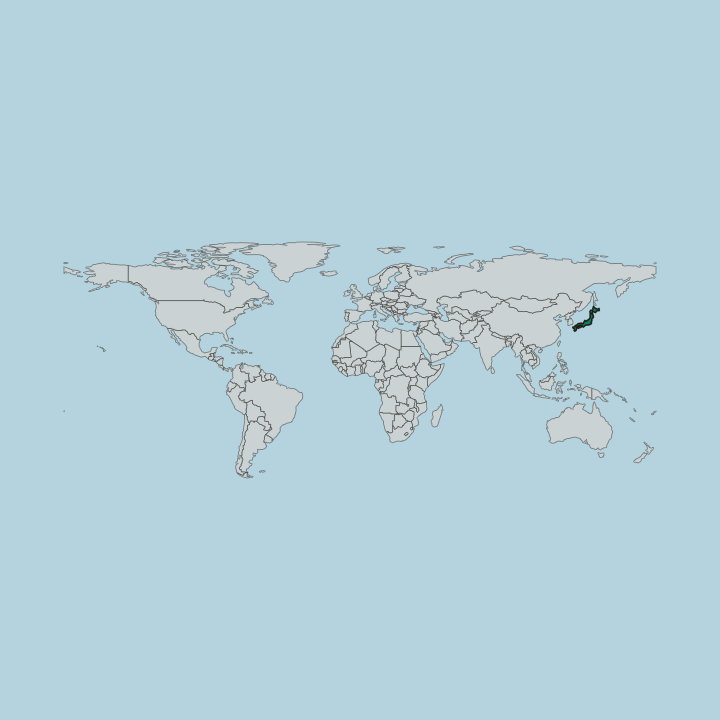
Gunma Prefecture sets the frame. Ōta lies inside it as a single municipality of the temperate belt of the northern hemisphere, which fixes the seasons it works through more firmly than any local landform does. The mounds supply the relief. Ōta Tenjin-yama Kofun, Nyotaisan Kofun and Tsuruyama Kofun are raised earth rather than natural hills, and they still read as deliberate shapes in ground otherwise built over. Nitta-no-shō National Historical Site keeps the old estate legible.
What is the climate of Ōta?
Seasons here run the temperate pattern. Ōta sits in the temperate band of the northern hemisphere, so the warm months fall in the middle of the year and the cold ones at either end of it, and outdoor days at the mounds follow that calendar. Daylight shortens at the cold end. The Art Museum & Library, Ota, and the Enkiri-dera Mantoku-ji Shiryō-kan absorb a wet afternoon better than Ōta Tenjin-yama Kofun does, since one is a field monument and the others are roofed.
How do you get to Ōta?
You reach Ōta over land. Ōta sits inside Gunma Prefecture, and most visits fold it into a wider circuit of the prefecture rather than treating the city as the single reason for the journey. Moving between the sites is the harder part, since Ōta Tenjin-yama Kofun, Nyotaisan Kofun, Tsuruyama Kofun and the Nitta-no-shō National Historical Site are separate monuments rather than one quarter to walk. A car earns its keep.
The Subaru Visitor Center and the Art Museum & Library, Ota, are roofed stops that can hold a day gone wet.
Common questions
What is the best area to stay in Ōta?
The Ōta Tenjin-yama Kofun end: mound mornings that take in Nyotaisan Kofun and Tsuruyama Kofun as well. Towards Serada Tōshō-gū: shrine hours at Serada Tōshō-gū with Chōraku-ji Temple after them. By Ikushina Shrine: calm nights within reach of Sorimachi Yakushi and Mikazukimura. Around the Art Museum & Library, Ota: a wet day divided between the Art Museum & Library, Ota and the Subaru Visitor Center.
Good for
More cities in Gunma-ken
Updated September 2026