Japan · Gunma-ken
Where to Stay in Isesaki, Gunma-ken
Silkworms, then engines. Isesaki keeps the Tajima Yahei Sericulture Farm and the Aikawa Archaeological Museum inside Gunma Prefecture.
Hotel links are affiliate links: booking through them may earn us a commission, at no extra cost to you. It never affects how places are ranked. How this works


Where to stay in Isesaki
Where visitors usually base themselves, and why.
Central beds do most of the work. Isesaki runs to 139 square kilometres, which is compact by the standards of a Japanese city, so a room near the middle keeps the Aikawa Archaeological Museum and the Subaru 360 birthplace inside a short circuit. Distances stay honest here.
Nothing on the list demands a full day of driving, and two or three of the named places can reasonably be paired in one afternoon. Silk changes the calculation. Anyone whose reason for coming is the Tajima Yahei Sericulture Farm does better on that side of the city, since an early arrival beats an early alarm and the Jūsanpōzuka Site fits into the same run.
Archaeology pulls the other way. The Sai District Shōsō ruins lie apart from the sericulture buildings, so a stay built around excavated ground rather than silkworms wants a different room and probably a car. One indoor certainty.
The Aikawa Archaeological Museum holds the material that makes sense of the sites, including work of the kind represented by Haniwa playing a Japanese harp, and it is the stop for a wet day. Book with a plan. If you want the farm and the ruins in a single stay, put the museum between them and let it decide which morning goes where.
Find hotels in Isesaki
Direct booking searches for these neighbourhoods.
Central Isesaki
Beds in central Isesaki hold the Aikawa Archaeological Museum and the Subaru 360 birthplace inside one manageable loop, which keeps a two-night visit simple.Find hotels in Central IsesakiSilk-history mornings starting at the Tajima Yahei Sericulture FarmBy the Tajima Yahei Sericulture Farm
A room on the Tajima Yahei Sericulture Farm side suits an early look at the silkworm buildings, with the Jūsanpōzuka Site a short drive further on. Rooms are few around here — worth securing early.Find hotels in By the Tajima Yahei Sericulture FarmDrivers pairing the Sai District Shōsō ruins with the Jūsanpōzuka SiteTowards the Sai District Shōsō ruins
Rooms on this edge of Isesaki are few, and the reward is standing at the Sai District Shōsō ruins before the day's traffic has built up. Beds are limited here, so book early.Find hotels in Towards the Sai District Shōsō ruinsHotel links are affiliate links: booking through them may earn us a commission, at no extra cost to you. It never affects how places are ranked. How this works
Things to do in Isesaki
Ranked by global recognition; descriptions from Wikidata (CC0).
Museums & Galleries
1- Aikawa Archaeological Museum
Castles & Historic Sites
3- Jūsanpōzuka Site
- Sai District Shōsō ruins
- スバル360誕生の地
Landmarks & Notable Places
1- Tajima Yahei Sericulture Farm Heritage
worth knowingacross 3 categories in Isesaki
About Isesaki
Sericulture leads the list.
What is Isesaki known for?
The Tajima Yahei Sericulture Farm carries a family name and the silkworm trade together, a direct witness to the older economy of this part of Gunma Prefecture. Excavation supplies the rest. The Aikawa Archaeological Museum, the Jūsanpōzuka Site and the Sai District Shōsō ruins account for the ground under the modern town, while the Subaru 360 birthplace marks an origin of an altogether later kind.
What are the main landmarks in Isesaki?
Six entries, three eras. The Jūsanpōzuka Site and the Sai District Shōsō ruins are the two archaeological sites, and Haniwa playing a Japanese harp is the single object among a list otherwise made of places. Silk holds the middle.
The Tajima Yahei Sericulture Farm stands for the trade that ran here for generations, while the Subaru 360 birthplace and the Aikawa Archaeological Museum bracket the modern end of the same story.
What is the history of Isesaki?
This ground was worked early. The Jūsanpōzuka Site and the Sai District Shōsō ruins record settlement and storage on this part of Gunma Prefecture long before any municipal boundary existed, and Haniwa playing a Japanese harp survives from the same distant stretch of the record. The museum keeps the evidence.
Material from those sites is gathered at the Aikawa Archaeological Museum rather than left scattered across 139 square kilometres of countryside. Silk came next. The Tajima Yahei Sericulture Farm belongs to the era when raising silkworms was a serious business here, and the buildings kept under that name are a reminder of an economy that has since moved on.
Then machinery: the Subaru 360 birthplace marks an origin the city claims in the industrial century, which is a very different kind of heritage from a haniwa figure or a storehouse foundation. Isesaki itself is recent. The city was constituted in 1940, later than most of what it contains, and its boundary simply drew a line around ground that had been farmed, dug and manufactured on for a very long time.
Three layers, one city. Excavation, sericulture and industry sit side by side on the same short list of names.
Where is Isesaki?
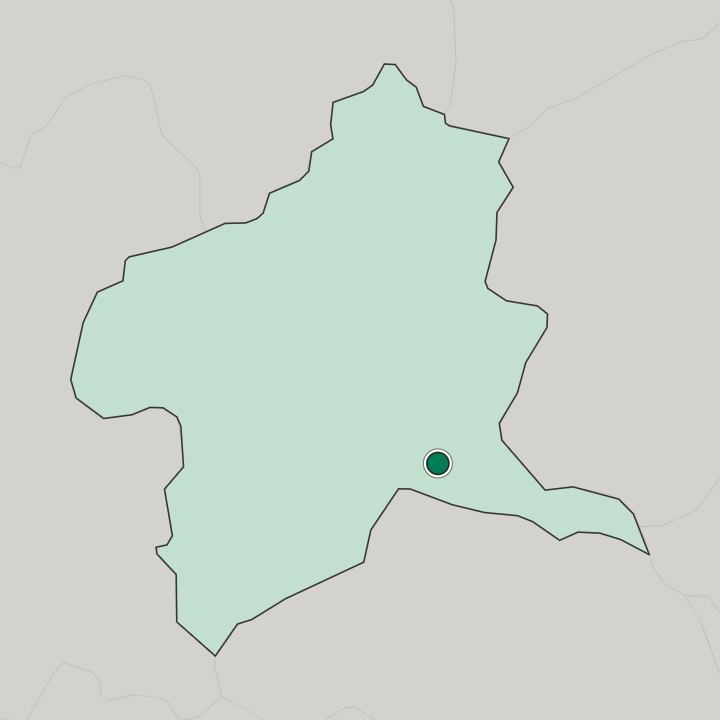
139 square kilometres is modest. Isesaki takes up that much of Gunma Prefecture, which puts its named places closer together than the sprawling municipalities elsewhere in Japan and makes a two-day visit realistic without long transfers. The temperate band applies here.
Seasons are properly marked rather than blurred, and that shows in how differently the Jūsanpōzuka Site reads in bare spring light and under full summer growth.
What is the climate of Isesaki?
Sharp lines divide the four seasons. Isesaki lies in the temperate band, so the year divides into a cold half and a warm one, and outdoor ground like the Sai District Shōsō ruins changes character completely between them. Winter favours the museum.
The Aikawa Archaeological Museum and the covered parts of the Tajima Yahei Sericulture Farm carry a cold afternoon far better than an open excavation does.
How do you get to Isesaki?
Gunma Prefecture supplies every approach. Roads and rail through the prefecture bring a traveller into the built-up middle of Isesaki, and that is the right place to start, because the Aikawa Archaeological Museum and the Subaru 360 birthplace are both close to it. A car helps after that.
The Tajima Yahei Sericulture Farm, the Jūsanpōzuka Site and the Sai District Shōsō ruins are spread across the wider 139 square kilometres and reward wheels rather than patience.
Common questions
What is the best area to stay in Isesaki?
Central Isesaki: Short stays circling the Aikawa Archaeological Museum. By the Tajima Yahei Sericulture Farm: Silk-history mornings starting at the Tajima Yahei Sericulture Farm. Towards the Sai District Shōsō ruins: Drivers pairing the Sai District Shōsō ruins with the Jūsanpōzuka Site.
Good for
More cities in Gunma-ken
Updated October 2026