Japan · Gunma-ken
Where to Stay in Kiryū, Gunma-ken
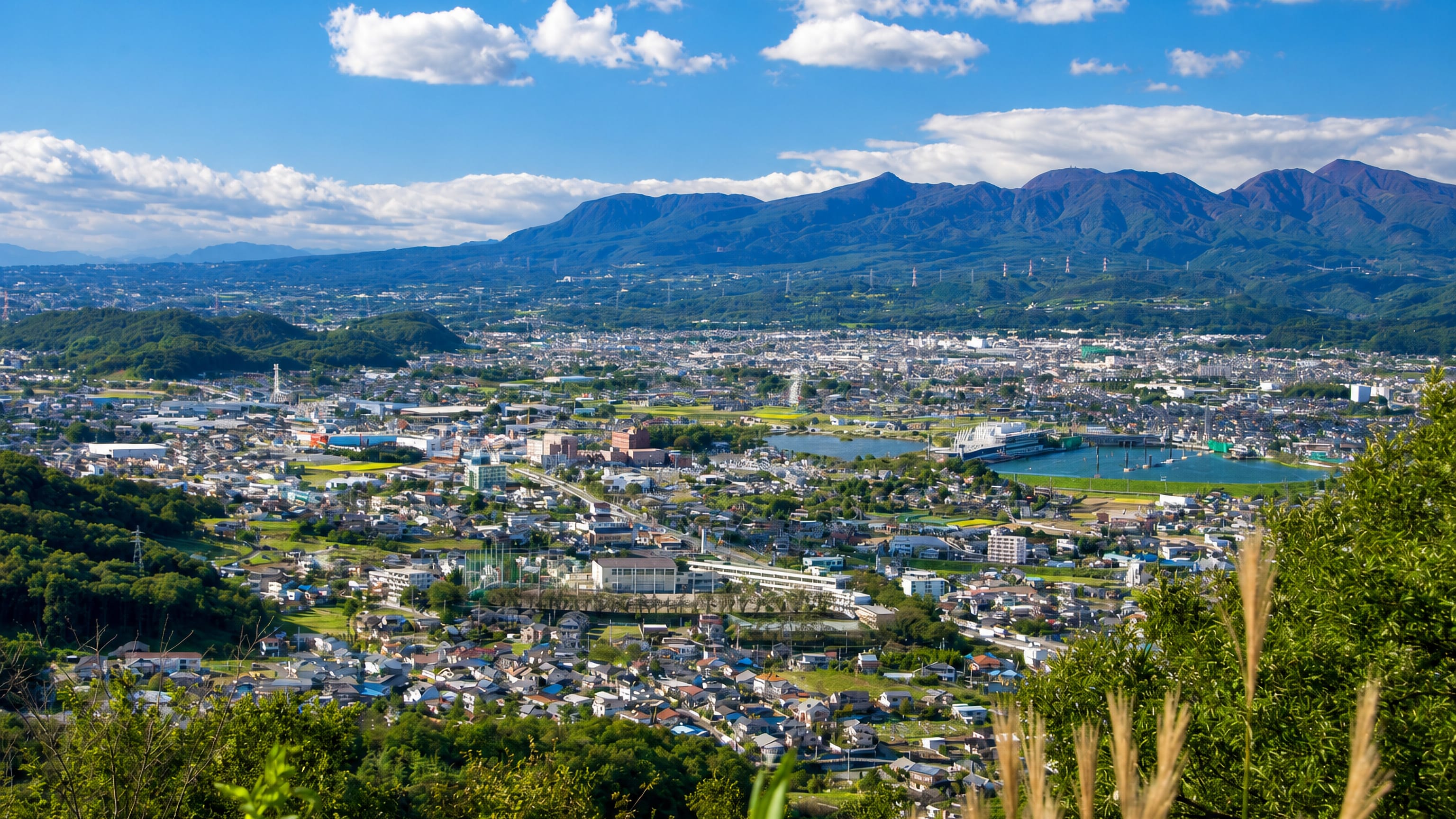
Cloth first, then galleries. Kiryū keeps the Textile Museum Yukari and the Okawa Museum of Art in Gunma Prefecture, within reach of Mount Akagi.
Hotel links are affiliate links: booking through them may earn us a commission, at no extra cost to you. It never affects how places are ranked. How this works


Where to stay in Kiryū
The practical side of choosing where to sleep.
Start with the museums. A central room puts the Textile Museum Yukari, the Kiryū History and Culture Museum and the Okawa Museum of Art within a day of each other on foot, which is the simplest version of a visit here and the one worth booking first. Kiryū is not enormous.
Its 274 square kilometres include a great deal of country, but the museum town at the middle stays small enough to work without a car for two nights. Green space changes the answer. Beds near Kiryū-ga-oka Park suit families and anyone with business at Kiryu City Athletic Stadium, and they trade a short museum walk for open ground at the end of the afternoon.
Then there is the wider trip. Kiryū is where journeys to Mount Akagi and the Watarase River valley begin, so a stay planned around either of those wants a room chosen for the road out rather than for the galleries. Heritage sits apart.
Important Cultural Property Hikobe Family Residence and Kennen Kinenkan are separate stops from the main museum cluster, and a car makes the difference between adding them and skipping them. Book early in autumn. If you want the valley colour and a bed near the Okawa Museum of Art in the same weekend, that combination is the first thing to disappear from a search.
Find hotels in Kiryū
Direct booking searches for these neighbourhoods.
Central Kiryū
A central Kiryū room holds the Textile Museum Yukari, the Kiryū History and Culture Museum and the Okawa Museum of Art in one walkable set.Find hotels in Central KiryūFamily nights beside Kiryū-ga-oka Park and Kiryu City Athletic StadiumBy Kiryū-ga-oka Park
Rooms around Kiryū-ga-oka Park give children open ground and put Kiryu City Athletic Stadium close for anyone here to compete or watch.Find hotels in By Kiryū-ga-oka ParkEarly departures for Mount Akagi or the Watarase River valleyThe Watarase River side
Lodging towards the Watarase River shortens the drive to Mount Akagi, though it leaves the Okawa Museum of Art on the far side of the morning. Beds are limited here, so book early.Find hotels in The Watarase River sideHotel links are affiliate links: booking through them may earn us a commission, at no extra cost to you. It never affects how places are ranked. How this works
Things to do in Kiryū
Ranked by global recognition; descriptions from Wikidata (CC0).
Museums & Galleries
3- Okawa Museum of Art
- Kennen Kinenkan
- 重要文化財 彦部家住宅
Castles & Historic Sites
2- Chiamigaido Site
- 普門寺遺跡
Nature & Outdoors
1- Kiryū-ga-oka Park
Stadiums & Sports
1- 桐生市陸上競技場
worth knowingacross 4 categories in Kiryū
About Kiryū
Cloth is the through-thread.
What is Kiryū known for?
The Textile Museum Yukari puts that trade on display and the Kiryū History and Culture Museum sets it beside everything else the town has been, which is a longer list than one industry suggests. Art takes an equal share. The Okawa Museum of Art handles that side alone, while Kiryū-ga-oka Park and Kiryu City Athletic Stadium give the outdoor half of a day in Kiryū somewhere to happen.
What are the main landmarks in Kiryū?
Nine names, four kinds. The Okawa Museum of Art, the Textile Museum Yukari and the Kiryū History and Culture Museum take the indoor half, and Kennen Kinenkan belongs with them. Two are excavations.
The Chiamigaido Site and Fumonji Site record the older ground, while Important Cultural Property Hikobe Family Residence is a listed house rather than a ruin, and Kiryū-ga-oka Park and Kiryu City Athletic Stadium supply the open space.
What is the history of Kiryū?
Excavation marks the beginning. The Chiamigaido Site and Fumonji Site hold the earliest record of occupation on this ground in Gunma Prefecture, and neither of them needs the town around it to make sense. Weaving came afterwards.
Cloth gave this part of the Kanto region a trade with a reach far beyond its own valley, and the Textile Museum Yukari exists because that work mattered enough to be kept and explained rather than simply replaced. Kiryu Town was the recorded name in 1889. Under it the municipality took shape across what is now 274 square kilometres, and the modern form Kiryu City belongs to the same continuous line rather than to a fresh start.
Houses survive from that era. Important Cultural Property Hikobe Family Residence is protected as an important cultural property and Kennen Kinenkan keeps another thread of the local record, both of them older than the museums that now interpret them. The institutions arrived last.
The Okawa Museum of Art and the Kiryū History and Culture Museum give the town its formal collections, and Kiryū-ga-oka Park and Kiryu City Athletic Stadium complete a civic layer that a weaving town of the last century would not have recognised.
Where is Kiryū?
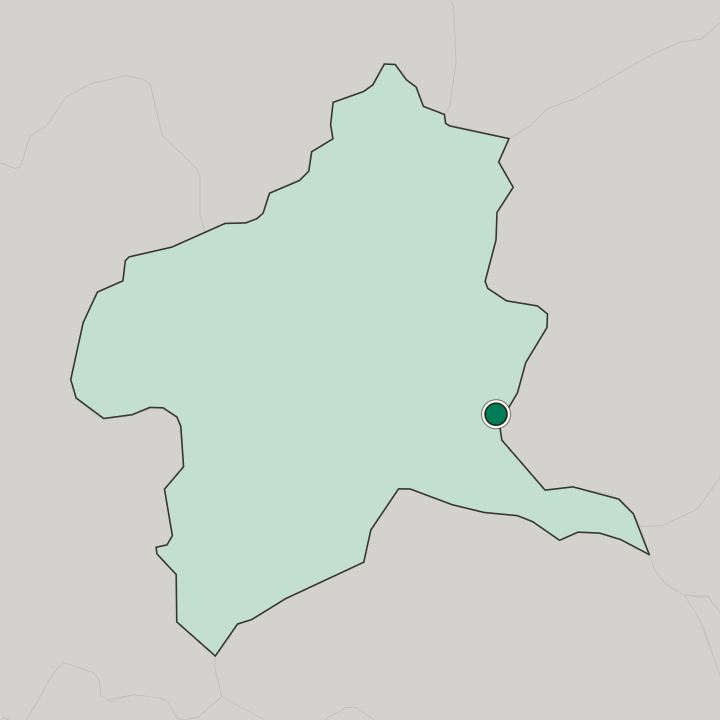
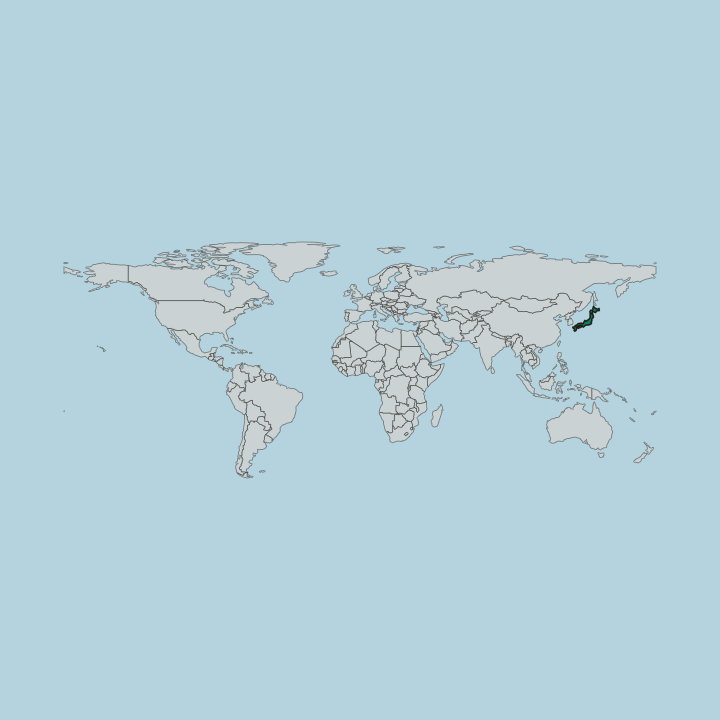
A mountain and a river define it. Kiryū occupies 274 square kilometres of the Kanto region, with Mount Akagi and the Watarase River valley as the two features that most journeys out of the town are aimed at. The built-up part is compact.
Kiryū-ga-oka Park, the Okawa Museum of Art and the Textile Museum Yukari all belong to that core, leaving the greater share of Gunma Prefecture ground beyond it lightly settled.
What is the climate of Kiryū?
Mount Akagi sets the tone. Its bulk gives the year around Kiryū a properly temperate shape, with a cold season that bites in the Watarase River valley and a summer warm enough to make an afternoon at Kiryu City Athletic Stadium hard work. Indoors covers the gaps.
The Okawa Museum of Art and the Textile Museum Yukari take the worst weather comfortably, which is why a Kiryū itinerary should keep one of them in reserve.
How do you get to Kiryū?
The Kanto region frames every approach. Routes through Gunma Prefecture bring a traveller into the middle of Kiryū, where the Textile Museum Yukari, the Kiryū History and Culture Museum and the Okawa Museum of Art are all within walking distance of each other. Onward trips need wheels.
Mount Akagi, the Watarase River valley, Important Cultural Property Hikobe Family Residence and the Chiamigaido Site all lie outside that core, and the road is the only sensible way to reach them.
Common questions
What is the best area to stay in Kiryū?
Central Kiryū: Textile-led days walking out from the Textile Museum Yukari. By Kiryū-ga-oka Park: Family nights beside Kiryū-ga-oka Park and Kiryu City Athletic Stadium. The Watarase River side: Early departures for Mount Akagi or the Watarase River valley.
Good for
More cities in Gunma-ken
Updated September 2026