Japan · Nagano-ken
Where to Stay in Azumino, Nagano-ken
Azumino is a city in Nagano Prefecture, a wide temperate municipality whose named sights are small museums rather than any single landmark.
Hotel links are affiliate links: booking through them may earn us a commission, at no extra cost to you. It never affects how places are ranked. How this works


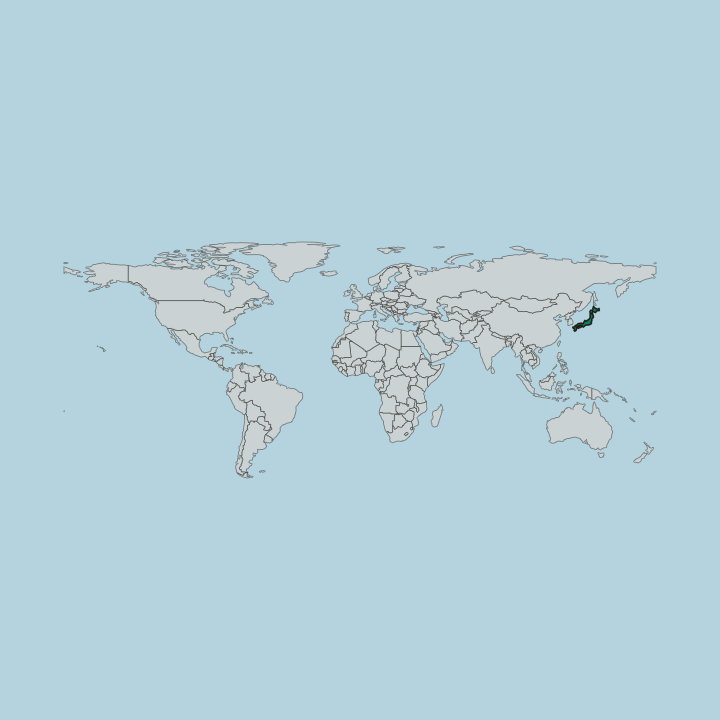
Where to stay in Azumino
The practical side of choosing where to sleep.
Azumino asks a visitor to pick a corner of a very large municipality. The Azumino Art Museum is the anchor most people settle on, and a room near it puts the city's principal collection and the Yukio Tabuchi Memorial Hall inside a day that needs no long drive to get started. Toyoshina is the other name.
The Toyoshina Local Museum gives that part of the city a reason of its own to be chosen, and a bed there trades the art museum's company for a quieter address still well inside the same city limits. Distance is the real constraint. Azumino covers over three hundred and thirty square kilometres of Nagano Prefecture, so a room taken at the wrong end of it turns the Jōkyō Gimin Memorial Museum, the Usui Yoshimi bungakukan and the Iinuma Hikoushi Kinenkan into three separate outings rather than one unhurried afternoon.
Beds thin out towards the edges. If a single address has to serve the whole visit, take the middle of the city and plan on short drives, because nothing here is packed tightly enough to be walked between.
Find hotels in Azumino
Direct booking searches for these neighbourhoods.
Around the Azumino Art Museum
The city's principal collection, with the Yukio Tabuchi Memorial Hall reachable in the same dayFind hotels in Around the Azumino Art MuseumA quieter address built around the Toyoshina Local MuseumToyoshina
One of the communities the city was assembled from, keeping its own museum and its own name. Lodging is scarce in this area; reserve in advance.Find hotels in ToyoshinaDrivers reaching the Jōkyō Gimin Memorial Museum and the Iinuma Hikoushi Kinenkan in one dayThe middle of the municipality
Central ground in a city too spread out to walk, shortening every drive rather than any one of themFind hotels in The middle of the municipalityHotel links are affiliate links: booking through them may earn us a commission, at no extra cost to you. It never affects how places are ranked. How this works
About Azumino
Small museums, spread wide.
What is Azumino known for?
Azumino's named sights are the Azumino Art Museum, the Toyoshina Local Museum and the Jōkyō Gimin Memorial Museum, none of them the sort of monument by which a city is usually recognised from a distance. Two carry personal names. The Yukio Tabuchi Memorial Hall and the Usui Yoshimi bungakukan attach themselves to individuals rather than to subjects, and the Iinuma Hikoushi Kinenkan makes a third institution of that same kind.
What are the main landmarks in Azumino?
The Azumino Art Museum leads the list. Toyoshina Local Museum handles the local record, while the Jōkyō Gimin Memorial Museum keeps a remembrance of its own and the Iinuma Hikoushi Kinenkan stands apart from both of them in subject and in setting. Several are named for people.
The Yukio Tabuchi Memorial Hall carries Yukio Tabuchi forward and the Usui Yoshimi bungakukan does the same for Usui Yoshimi, which in a city assembled out of separate communities is what a list of sights tends to look like.
What is the history of Azumino?
Azumino is a young name on old ground. The city was constituted in 2005, which makes it one of the newer municipal creations in Nagano Prefecture, and a founding date that late generally marks separate communities brought under a single name rather than one town growing into a city. Toyoshina is one of them.
The Toyoshina Local Museum still keeps that community's record under its own heading, which is the plainest surviving sign of how the modern city was put together. Older layers sit in the museums. The Jōkyō Gimin Memorial Museum preserves a memory the area chose to institutionalise, while the Usui Yoshimi bungakukan and the Yukio Tabuchi Memorial Hall tie the place to individuals whose names travelled further than the municipality ever did.
Another figure gets that treatment at the Iinuma Hikoushi Kinenkan. What Azumino has to say about itself is therefore distributed across half a dozen small institutions rather than gathered into one civic museum, which is very much what a merger completed in 2005 tends to leave behind it. The Azumino Art Museum is the largest of them.
Where is Azumino?
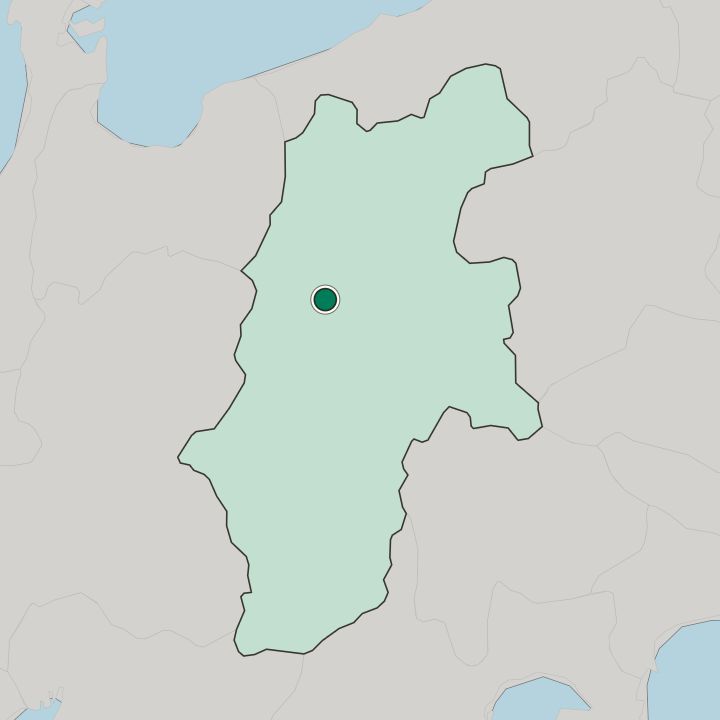
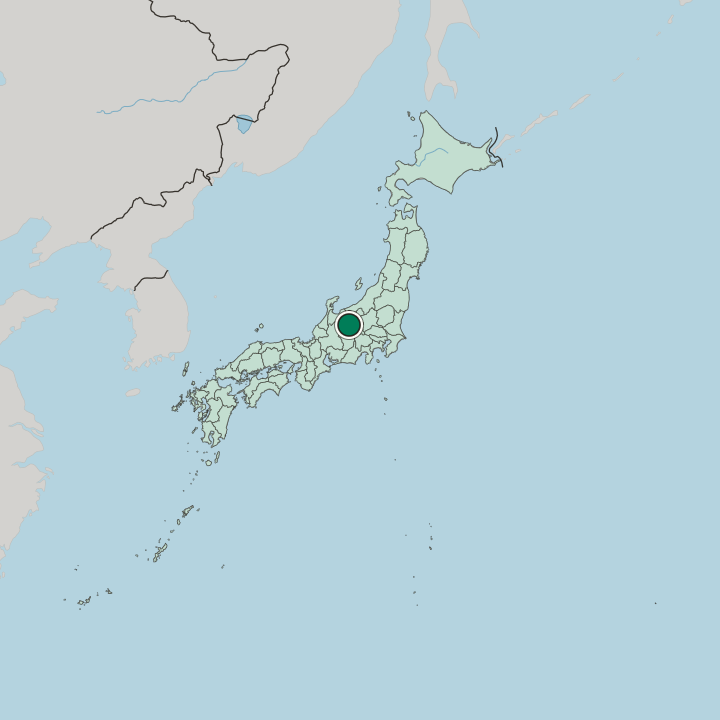
The municipality is broad. Azumino takes in over three hundred and thirty square kilometres of Nagano Prefecture, temperate ground rather than subtropical, and an area of that size necessarily holds far more open country than it does built-up street. Museums mark the settled parts.
The Azumino Art Museum and the Toyoshina Local Museum stand in different quarters of one city, which is a fair measure of how far the whole thing spreads.
What is the climate of Azumino?
Seasons here have edges. Azumino lies in the temperate band rather than the subtropical one, so Nagano Prefecture gives it a year that divides into four distinct parts instead of one long humid middle. Winter counts as a season.
When the weather closes a day down, the Azumino Art Museum, the Toyoshina Local Museum and the Jōkyō Gimin Memorial Museum are the hours indoors that a visitor falls back on.
How do you get to Azumino?
Azumino belongs to Nagano Prefecture, and arriving here means arriving somewhere inside a city of over three hundred square kilometres rather than at one point marked on a map. The middle is the target. Travellers coming for the Azumino Art Museum want the central part of the municipality, while the Toyoshina Local Museum and the Iinuma Hikoushi Kinenkan sit far enough off that a car decides whether they are seen at all.
Common questions
What is the best area to stay in Azumino?
Around the Azumino Art Museum: Guests treating the Azumino Art Museum as the fixed point of the trip. Toyoshina: A quieter address built around the Toyoshina Local Museum. The middle of the municipality: Drivers reaching the Jōkyō Gimin Memorial Museum and the Iinuma Hikoushi Kinenkan in one day.
Good for
More cities in Nagano-ken
Updated September 2026