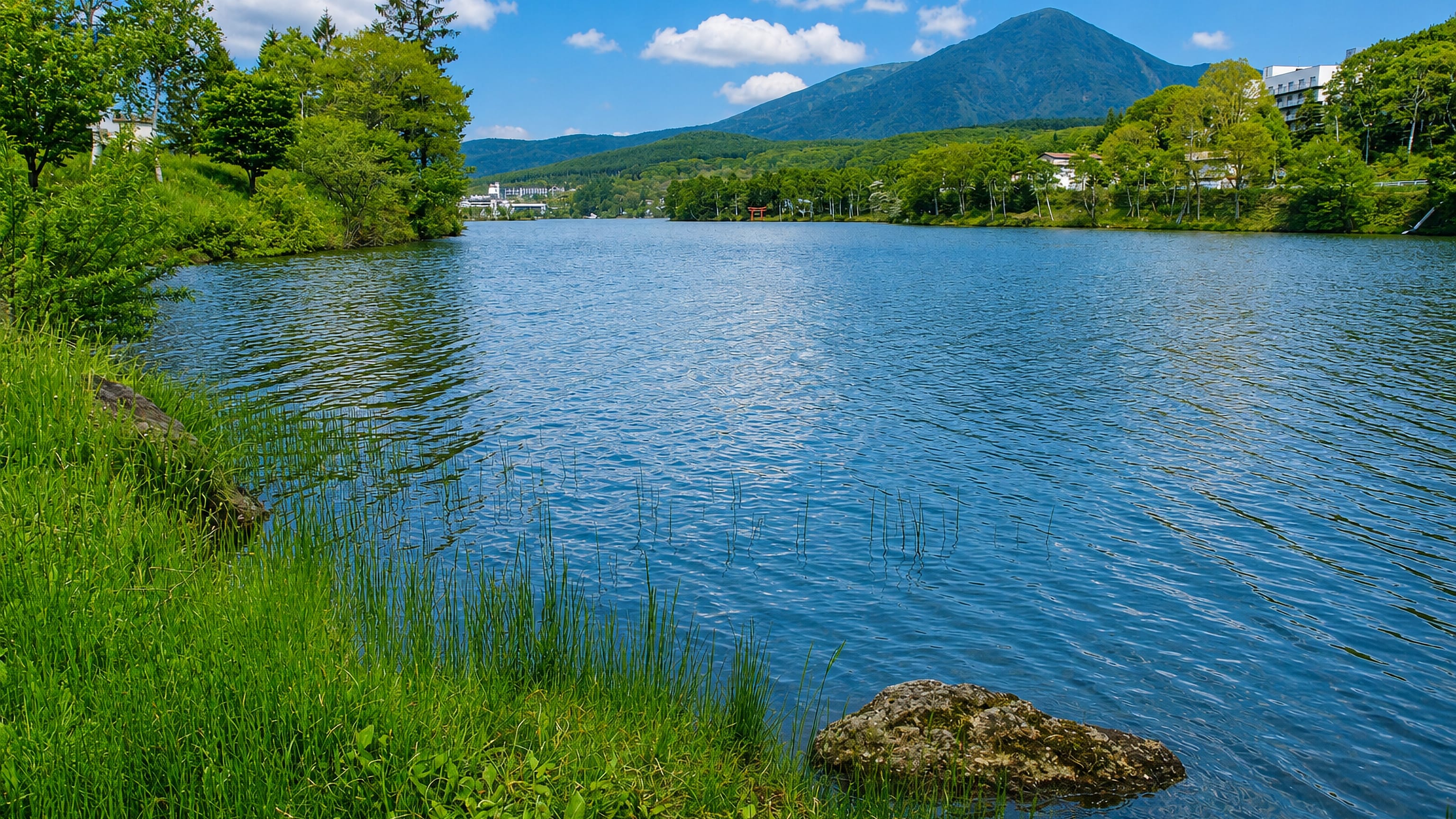
Japan · Nagano-ken
Where to Stay in Chino, Nagano-ken
Suwa taisha anchors Chino. The Nagano Prefecture city also holds the excavated Togariishi, Yosukeone Ruins and the Nakappara Site.
Hotel links are affiliate links: booking through them may earn us a commission, at no extra cost to you. It never affects how places are ranked. How this works


Where to stay in Chino
Where the beds are, and what that means for the visit.
The split is simple. Rooms in Chino divide between the built-up part of the city, where the everyday food and services sit, and the outlying stretches near the Togariishi, Yosukeone Ruins where beds are thinner on the ground. Suwa taisha pulls one way.
Anyone whose main reason for coming is the shrine, and the material about it kept at the Jinchōkan Moriya Historical Museum, gains very little from a base far out on the municipal edge. The museums argue the other side. A base out towards the Yatsugatake Museum and the Kōyōdō Museum of Art suits a slower visit built around driving between separate grounds, and the Nakappara Site sits in the same direction, which makes one run through the archaeology possible instead of two.
Warm months fill first. Supply is not deep in a municipality of this size, and the Suwa area draws its own visitors independently of Chino, so a late search narrows the field fast. The Suwa City Museum and the wider shrine district next door widen the options again for anyone willing to sleep outside the city boundary and drive in each morning.
Find hotels in Chino
Direct booking searches for these neighbourhoods.
Central Chino
Everyday food and services are concentrated here, and both the shrine approach at Suwa taisha and the Jinchōkan Moriya Historical Museum can be reached without a long drive out.Find hotels in Central ChinoStays built around the excavated dwelling floors of the Togariishi, Yosukeone RuinsThe Togariishi site surroundings
Rooms out this way put the Togariishi, Yosukeone Ruins, the Nakappara Site and the Yatsugatake Museum within a short run, at the cost of fewer places to eat after dark. Rooms are few around here — worth securing early.Find hotels in The Togariishi site surroundingsTravellers who want a deeper bed supply than Chino carries, with the Suwa City Museum at handThe Suwa side
The neighbouring Suwa area holds more accommodation and keeps the Suwa City Museum and the wider shrine district within an easy morning drive of Chino.Find hotels in The Suwa sideHotel links are affiliate links: booking through them may earn us a commission, at no extra cost to you. It never affects how places are ranked. How this works
Things to do in Chino
Ranked by global recognition; descriptions from Wikidata (CC0).
Museums & Galleries
3- Kōyōdō Museum of Art
- Yatsugatake Museum
- 蓼科高原芸術の森彫刻公園
Castles & Historic Sites
2- Togariishi, Yosukeone Ruins Heritage
- Nakappara Site
worth knowingacross 2 categories in Chino
About Chino
Shrines and dig sites.
What is Chino known for?
Suwa taisha is the oldest institution in reach of the city, and the Jinchōkan Moriya Historical Museum keeps material tied to the shrine tradition around it. The Togariishi, Yosukeone Ruins are the other anchor, an excavated settlement whose house floors were preserved rather than built over, with further finds recorded at the Nakappara Site. Two art museums sit beside them.
The Kōyōdō Museum of Art and the Yatsugatake Museum both keep collections in the city.
What are the main landmarks in Chino?
Ritual ground leads the list. Suwa taisha is the fixed point for most visitors, and the Jinchōkan Moriya Historical Museum nearby holds the documents and objects that explain what its observances involve. Then the dug ground.
Togariishi, Yosukeone Ruins and the Nakappara Site are the archaeological pair, while the Yatsugatake Museum, the Kōyōdō Museum of Art, the sculpture park listed as Tateshina Kogen Art Forest Sculpture Park and the Suwa City Museum fill out an afternoon for anyone with time left over.
What is the history of Chino?
Excavation tells the first part. The Togariishi, Yosukeone Ruins preserved the floor outlines of dwellings from a settlement that stood here long before the area entered any written record, and the Nakappara Site added a second body of evidence from the same deep period. Both grounds were kept rather than cleared.
That decision is why Chino can show an actual excavated surface instead of a display case standing in for one. Suwa taisha represents the next layer. The shrine counts among the oldest institutions in the Suwa area, and the collection at the Jinchōkan Moriya Historical Museum sets out documents, objects and family lines bound up with keeping its observances running.
Written continuity of that kind is rare. The city itself is recent. Chino was founded in 1955, so the municipality is far younger than the shrine ground beside it and younger still than the settlement traces inside its boundary, a gap of scale that shows in how the place presents itself.
Nagano Prefecture drew the line around all of it. The Yatsugatake Museum, the Kōyōdō Museum of Art and the Suwa City Museum came later again, part of the phase in which the finds and the art of the district were given permanent rooms.
Where is Chino?
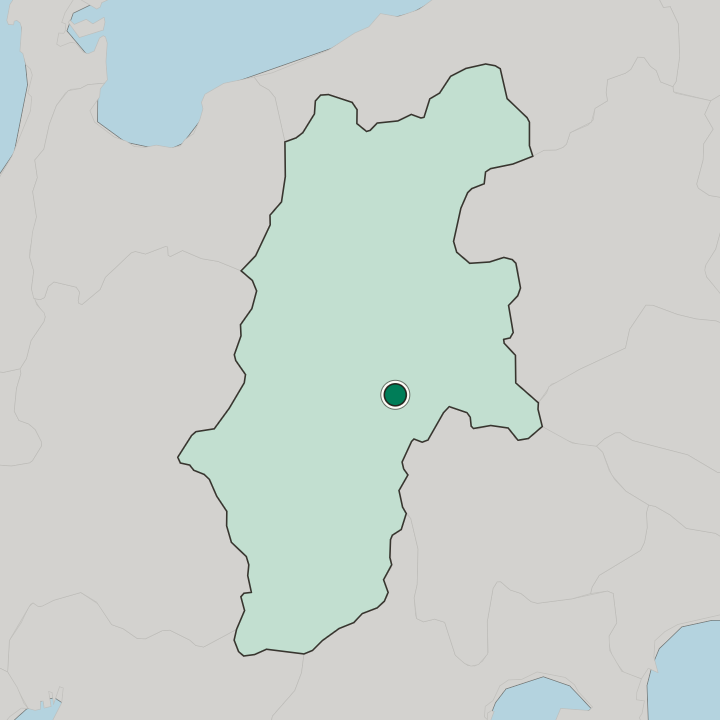
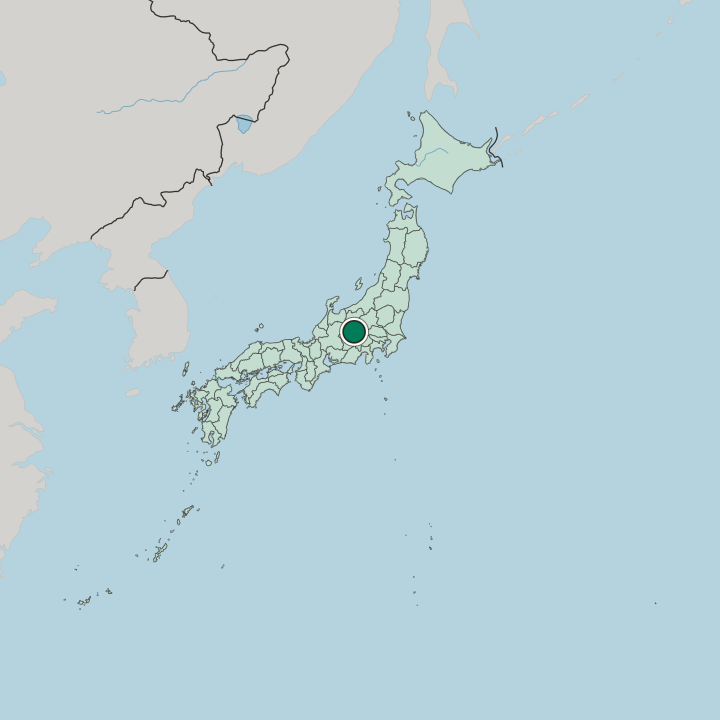
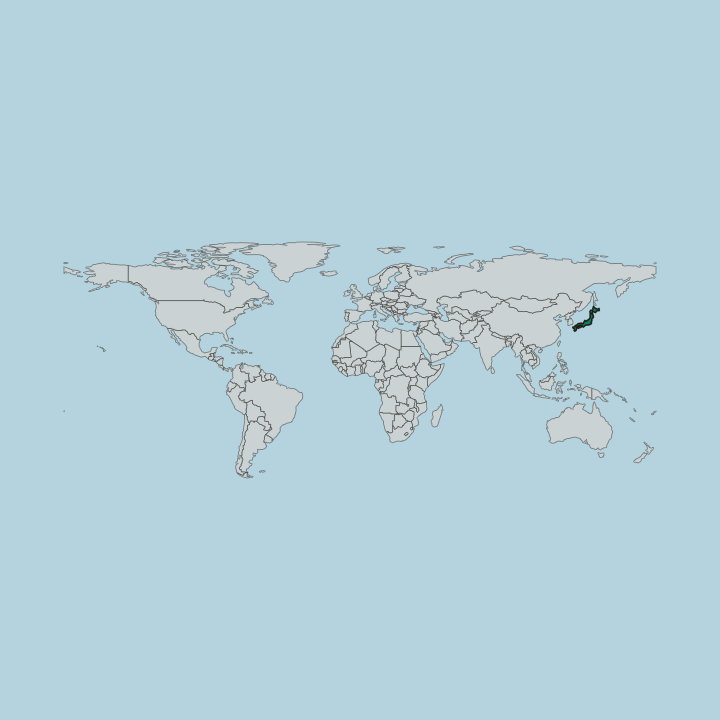
Area does most of the talking here. The city takes in 266 square kilometres of Nagano Prefecture, an extent that leaves a good deal of open ground between the built-up part and the outer boundary. Named places sit scattered across it.
Togariishi, Yosukeone Ruins and the Nakappara Site are separate grounds rather than one park, and the Yatsugatake Museum and Kōyōdō Museum of Art stand apart again, so seeing Chino means moving between points.
What is the climate of Chino?
Winter is the test here. Chino falls in the temperate band, so the year swings between a warm growing season and a cold one rather than holding steady, and that swing decides when the open excavated ground is comfortable to walk. Timing matters more than usual.
Anyone heading for the grounds at Suwa taisha or the exposed dwelling floors at Togariishi, Yosukeone Ruins is dealing with outdoor sites in every case, and the Yatsugatake Museum offers the indoor alternative when the weather closes in.
How do you get to Chino?
Arrival is the easy half. The routes that serve Chino run through Nagano Prefecture, and whichever one a visitor takes, the arrival point is only the start, because the sites themselves are scattered well beyond the built-up centre. A car changes the day.
Togariishi, Yosukeone Ruins, the Nakappara Site, the Yatsugatake Museum and the Kōyōdō Museum of Art each sit on their own ground, and Suwa taisha adds a stop again.
Common questions
What is the best area to stay in Chino?
Central Chino: Short visits pinned to Suwa taisha and the Jinchōkan Moriya Historical Museum. The Togariishi site surroundings: Stays built around the excavated dwelling floors of the Togariishi, Yosukeone Ruins. The Suwa side: Travellers who want a deeper bed supply than Chino carries, with the Suwa City Museum at hand.
Good for
More cities in Nagano-ken
Updated September 2026