Japan · Nagano-ken
Where to Stay in Matsumoto, Nagano-ken
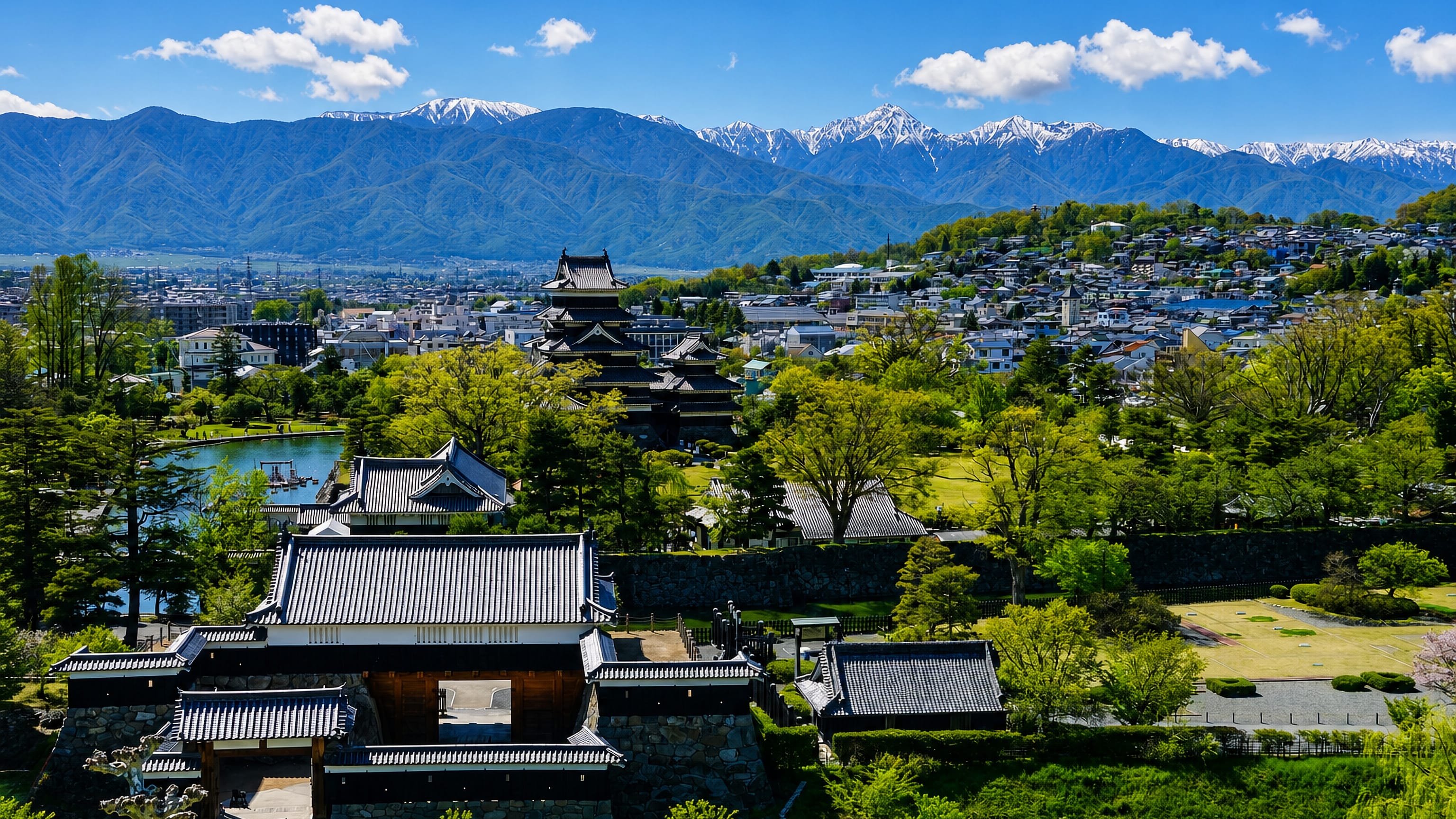
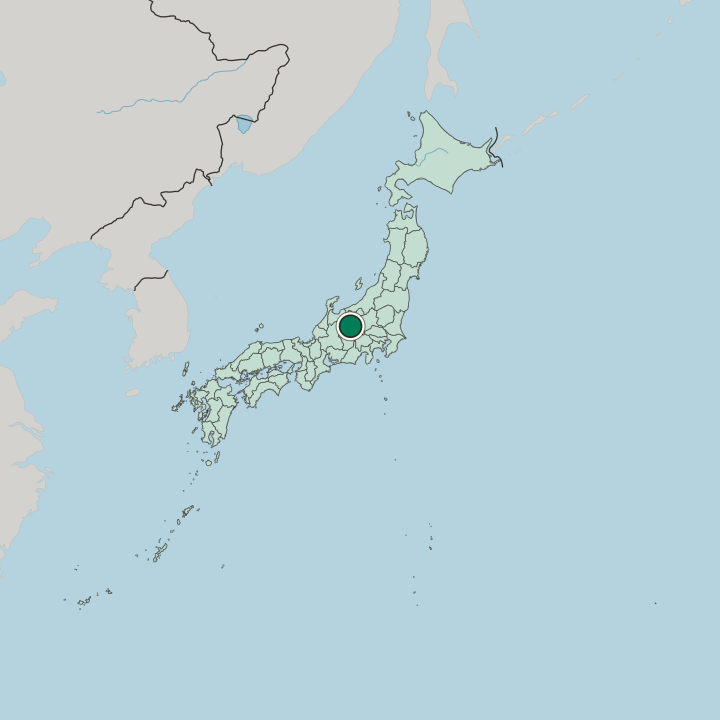
Matsumoto is a castle city in Nagano, central Japan, set in a broad basin below the peaks of the Japanese Alps.
Hotel links are affiliate links: booking through them may earn us a commission, at no extra cost to you. It never affects how places are ranked. How this works


Where to stay in Matsumoto
Where the beds are, and what that means for the visit.
Where you stay in Matsumoto turns on the castle. The old streets around Matsumoto Castle keep the moat, the museums, and the merchant lanes within a walk, and staying in the centre suits anyone here for the castle town. The willow-lined canal quiets at dusk.
Rooms sit near the keep and the old streets. Out toward the station and the mountains, the city spreads into quieter districts. A room away from the centre trades the castle for parking, hot springs, and an easy start toward the Alps.
The peaks rise white past the edge. If you want the castle and the museums, stay in the centre; if you want the mountains, take a room toward the hills. Either way, the black keep is close at hand.
Find hotels in Matsumoto
Direct booking searches for these neighbourhoods.
Around the castle
Around Matsumoto Castle in the old streets, within a walk of the merchant lanesFind hotels in Around the castleStays wanting hot springs and a start toward the AlpsStation and hills
Toward the station and the mountains, near the road to the Japanese AlpsFind hotels in Station and hillsHotel links are affiliate links: booking through them may earn us a commission, at no extra cost to you. It never affects how places are ranked. How this works
Things to do in Matsumoto
Ranked by global recognition; descriptions from Wikidata (CC0).
Museums & Galleries
3- Matsumoto Castle Heritage
- Former Kaichi School Heritage
- Japan Ukiyo-e Museum
Nature & Outdoors
1- AlpsPark
worth knowingacross 2 categories in Matsumoto
About Matsumoto
Matsumoto is famous for its black castle.
What is Matsumoto known for?
The great keep of Matsumoto Castle, called the Crow Castle for its dark walls, still stands whole from the age of the samurai, one of the oldest in Japan. The Japanese Alps rise white behind the town. Castle and mountains mark the city.
What are the main landmarks in Matsumoto?
Matsumoto Castle is the city's treasure. Its black keep and red bridge stand in a moat below the mountains, the Crow Castle, one of the finest original keeps in Japan. Schools and art fill the town.
The elegant Former Kaichi School keeps its Meiji grace, while the Japan Ukiyo-e Museum and the Matsumoto City Museum of Art gather woodblock prints and modern work.
What is the history of Matsumoto?
Matsumoto grew around a warlord's castle. In the age of warring states, the lords of the basin raised a stronghold on the plain, and in the sixteenth century they built the great black keep of Matsumoto Castle that stands whole even now. Peace made it a castle town.
Merchants and samurai filled the streets below the keep, and the town prospered on trade along the mountain roads. The modern age came with new schools and art. In the bright years of Meiji, Matsumoto built the elegant Former Kaichi School, one of the first Western-style schools in the land, and grew into a centre of learning below the Alps.
Art and music followed. The Japan Ukiyo-e Museum gathered its woodblock prints, the painter Yayoi Kusama was born in the town, and a great music festival now fills its summers. Climbers pass through on the way to the high peaks.
Matsumoto still keeps its black castle below the peaks.
Where is Matsumoto?
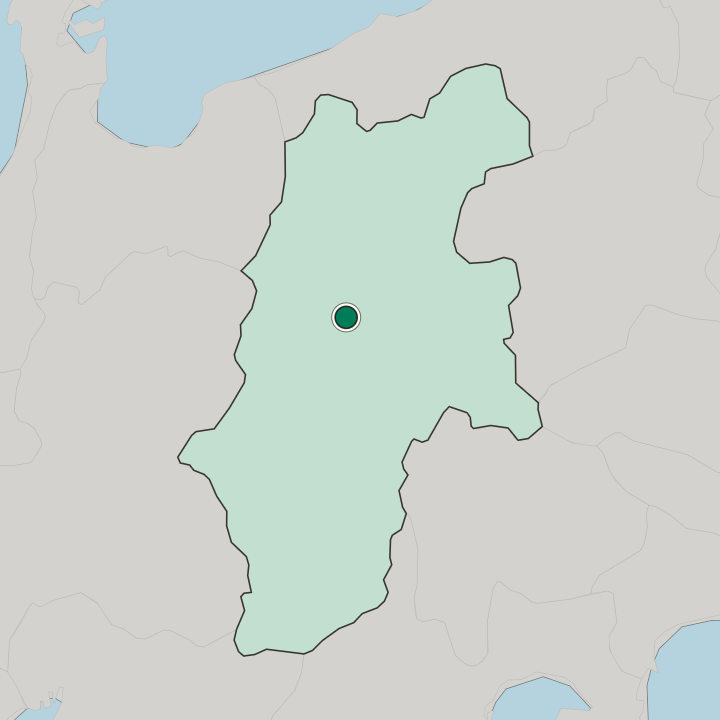
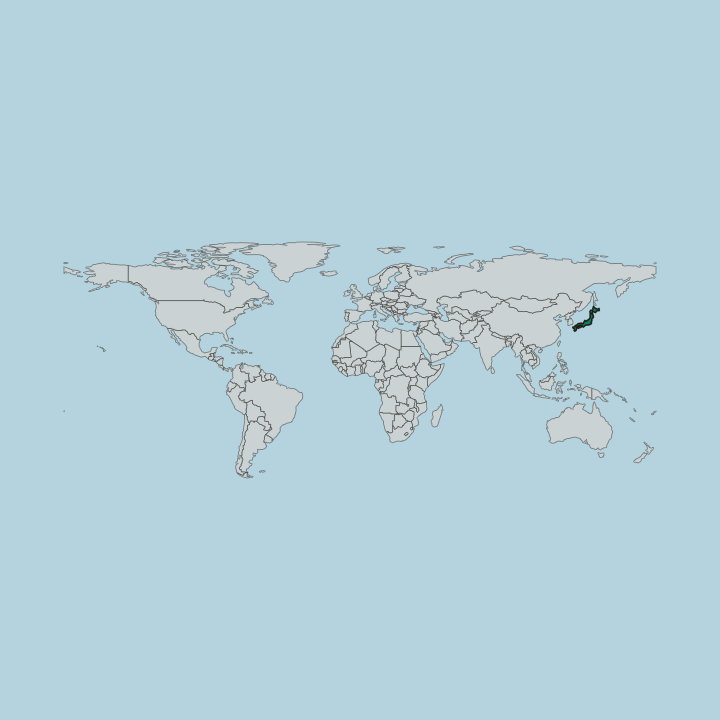
Matsumoto lies in a wide mountain basin. The city fills the flat floor of the Matsumoto Basin in central Nagano, ringed on the west by the high wall of the Northern Japanese Alps. Rice fields and orchards cover the plain.
Snowy peaks rise sharp above the town.
What is the climate of Matsumoto?
Matsumoto has a dry inland climate. Cold, clear winters and warm summers follow the seasons of the mountains, and the sheltered basin sees little rain or snow compared with the coasts. Frost comes early in the mountain air.
The peaks hold their snow into summer.
How do you get to Matsumoto?
Matsumoto lies in the mountains of central Japan. Trains run to the city from Tokyo and Nagoya across the ranges, and roads climb over the passes to the Alps and the Sea of Japan. Buses reach the high valleys of Kamikōchi.
Most arrive by rail into the mountain basin.
Common questions
What is the best area to stay in Matsumoto?
Around the castle: Visitors here for the castle, moat, and museums. Station and hills: Stays wanting hot springs and a start toward the Alps.
Good for
More cities in Nagano-ken
Updated September 2026