
Japan · Nagano-ken
Where to Stay in Saku, Nagano-ken
Saku splits between two eras. The Old Nakagomi School and the Saku Children's Science Dome for the Future stand inside the same Nagano Prefecture boundary.
Hotel links are affiliate links: booking through them may earn us a commission, at no extra cost to you. It never affects how places are ranked. How this works


Where to stay in Saku
How the choice of base plays out on the ground.
The centre or the outskirts. Rooms in the built-up part of Saku put the Saku Municipal Museum of Modern Art and the Saku Children's Science Dome for the Future within an easy hop, which suits a short visit with children or a wet week. The Old Nakagomi School pulls outward.
Anyone building a day around that building, Gorobē Yōsui and the Iwamurada Hikarigoke Sanchi is better served by a base with parking and a short road out of the centre. Saku is not small. The municipality covers 423 square kilometres of Nagano Prefecture, so the difference between one address and another can be a real drive before the day even starts, and that gap matters more than the room itself.
Book the location, not the label. A stay chosen for the Saku Municipal Museum of Modern Art and one chosen for the Old Nakagomi School are different trips, even though both carry the same city name on the booking. Saku dates from 1961, and the municipal shape it took then is why the visitor's map has no single obvious centre of gravity.
Find hotels in Saku
Direct booking searches for these neighbourhoods.
Central Saku
The Saku Municipal Museum of Modern Art and the Saku Children's Science Dome for the Future are both a short hop from here, which keeps a wet day workable.Find hotels in Central SakuDrivers pairing the Old Nakagomi School with Gorobē YōsuiOut by the Old Nakagomi School
A base out towards the Old Nakagomi School shortens the run to Gorobē Yōsui and the Iwamurada Hikarigoke Sanchi, at the cost of evening choice. Beds are limited here, so book early.Find hotels in Out by the Old Nakagomi SchoolFamilies using the Saku Children's Science Dome for the Future as the day's fixed pointNear the Science Dome
Rooms near the Saku Children's Science Dome for the Future suit a stay with children, and the Saku Municipal Museum of Modern Art fits into the same afternoon.Find hotels in Near the Science DomeHotel links are affiliate links: booking through them may earn us a commission, at no extra cost to you. It never affects how places are ranked. How this works
About Saku
Learning, in two registers.
What is Saku known for?
The Saku Children's Science Dome for the Future handles the modern end, while the Old Nakagomi School survives from a much earlier moment in the same city's education, and the Saku Municipal Museum of Modern Art adds a third indoor stop. The ground supplies the rest. Gorobē Yōsui and the Iwamurada Hikarigoke Sanchi round out the five names Saku is known by, and neither of them is a gallery.
What are the main landmarks in Saku?
The list runs modern to old. The Saku Children's Science Dome for the Future is the one aimed at children, the Saku Municipal Museum of Modern Art holds the art side, and the Old Nakagomi School preserves a building that stopped being a school. Gorobē Yōsui is different.
Neither it nor the Iwamurada Hikarigoke Sanchi is an exhibition hall, and both take a car and a bit of planning to reach from anywhere in Saku.
What is the history of Saku?
The city is younger than its school. Saku was founded in 1961, which puts the municipality well behind the Old Nakagomi School, a building that was already old when the modern boundary was drawn around it. That order matters.
Almost everything a visitor sees in Saku predates the corporate city, and the Old Nakagomi School makes that gap visible in a single building rather than a document. The school carries that story. Gorobē Yōsui belongs to an earlier layer again.
It sits on the same short landmark list as the Iwamurada Hikarigoke Sanchi, and both names have outlasted the administrative arrangements that surrounded them. The institutions are recent. The Saku Municipal Museum of Modern Art and the Saku Children's Science Dome for the Future belong to the era of the founded city, built by a municipality with 423 square kilometres to serve and a case to make for itself.
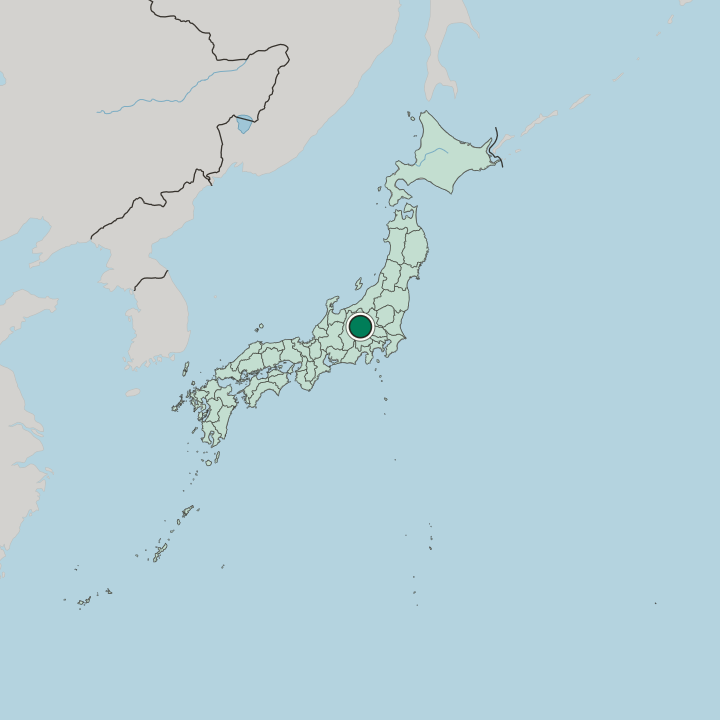
Nagano Prefecture supplies the frame. Saku's founding in 1961 gathered the ground, the Old Nakagomi School and the older names into a single administrative unit, and the visitor's version of the city still shows the seams between its parts.
Where is Saku?
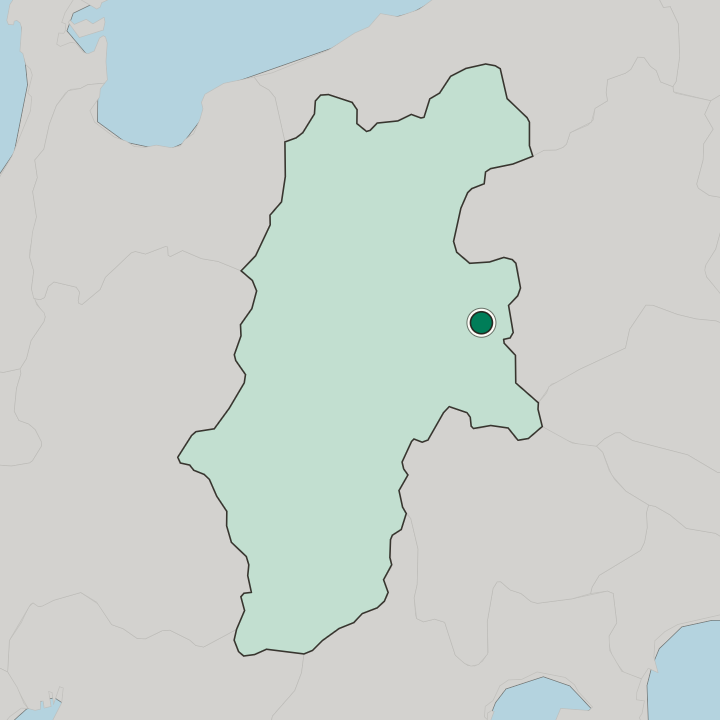
Scale first. Saku holds 423 square kilometres inside a single boundary in Nagano Prefecture, which is a large tract for one municipal name and the reason its five landmarks do not form a walkable circuit. The built-up part is compact.
Around it the ground opens out, and the Iwamurada Hikarigoke Sanchi, Gorobē Yōsui and the Old Nakagomi School sit at intervals across that wider area rather than clustered near the Saku Municipal Museum of Modern Art.
What is the climate of Saku?
Plan around the cold months. Saku lies in the temperate band, so the year divides into a warm stretch and a cold one, and the split decides whether Gorobē Yōsui and the Iwamurada Hikarigoke Sanchi are a pleasant morning or a grim one. Indoors, the city is ready.
The Saku Municipal Museum of Modern Art and the Saku Children's Science Dome for the Future absorb a cold or wet day without difficulty, which is worth knowing before committing a whole trip to the two names outside.
How do you get to Saku?
Most arrivals come in by road. Saku sits within Nagano Prefecture and takes its traffic from the prefecture's own network, but the more consequential question for a visitor is internal, because 423 square kilometres separate the far corners of one city name. The centre works on foot.
The Saku Municipal Museum of Modern Art and the Saku Children's Science Dome for the Future are the reachable pair without a vehicle, while the Old Nakagomi School, Gorobē Yōsui and the Iwamurada Hikarigoke Sanchi assume one.
Common questions
What is the best area to stay in Saku?
Central Saku: Museum-first stays anchored on the Saku Municipal Museum of Modern Art. Out by the Old Nakagomi School: Drivers pairing the Old Nakagomi School with Gorobē Yōsui. Near the Science Dome: Families using the Saku Children's Science Dome for the Future as the day's fixed point.
More cities in Nagano-ken
Updated September 2026