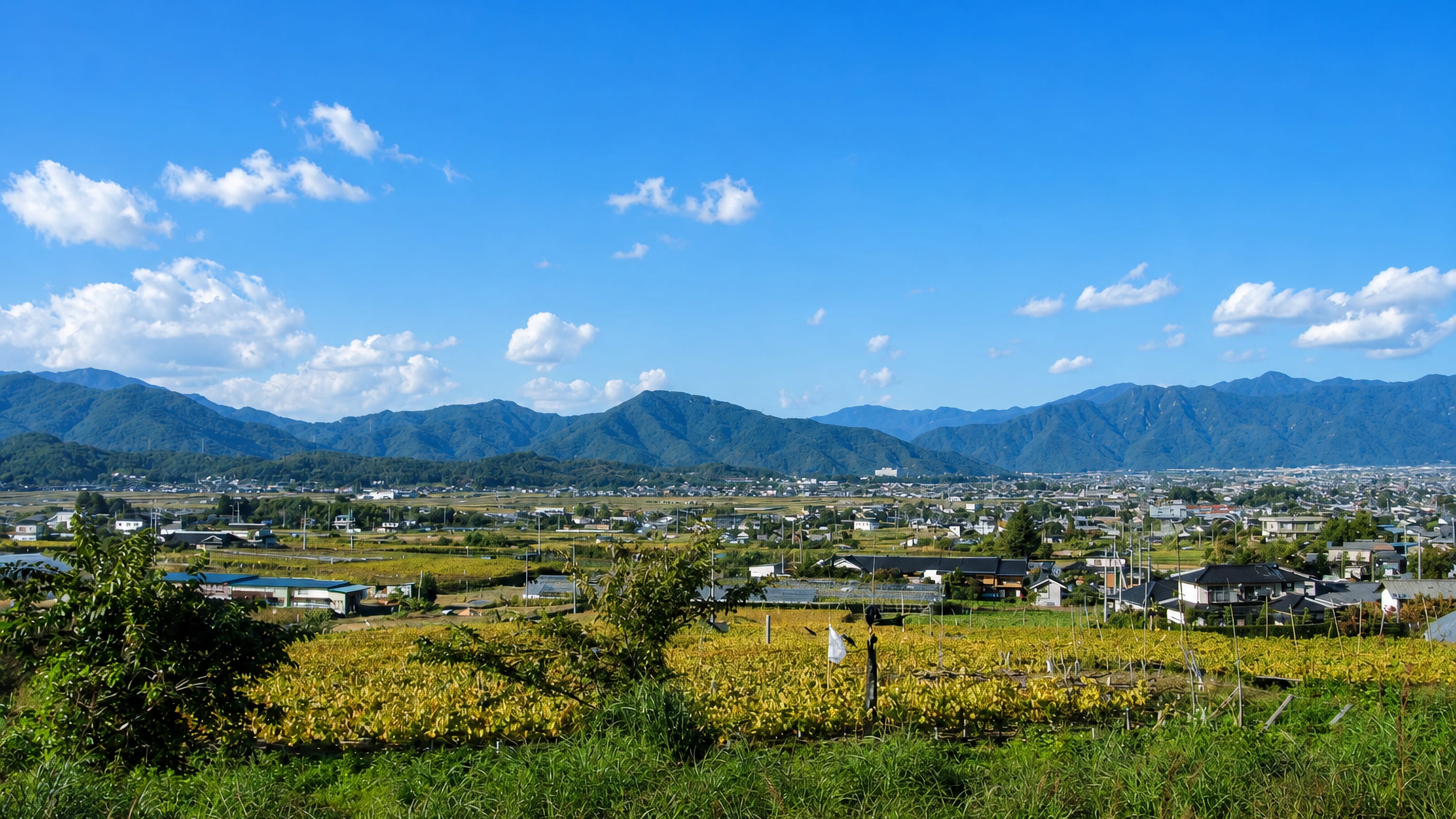
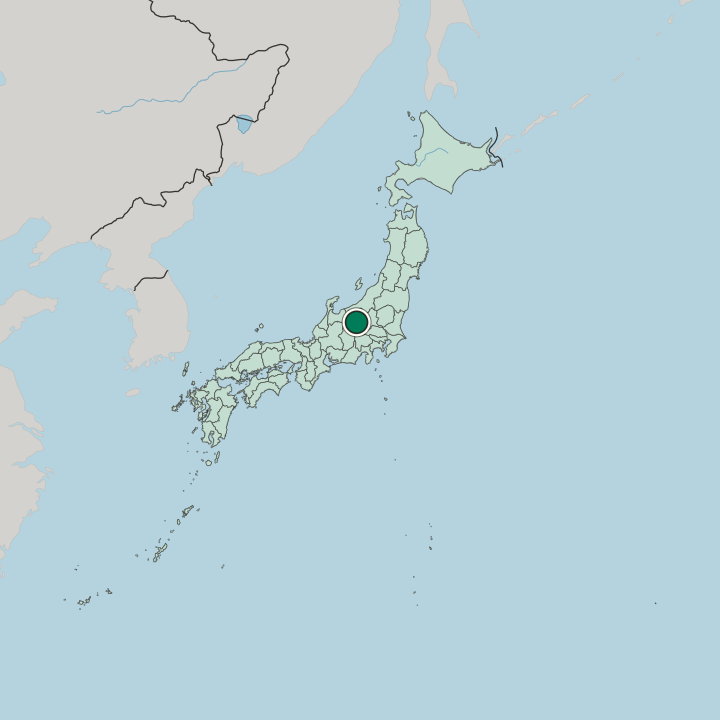
Japan · Nagano-ken
Where to Stay in Ueda, Nagano-ken
Two Kokubunji sites sit here. Ueda pairs Kokubunji Historical Park with the Shinano Kokubunji Museum inside a large Nagano Prefecture boundary.
Hotel links are affiliate links: booking through them may earn us a commission, at no extra cost to you. It never affects how places are ranked. How this works


Where to stay in Ueda
How the choice of base plays out on the ground.
Kokubunji or the centre. A room in the built-up part of Ueda keeps the Ueda City Museum and the Ozawa Wooden Sculpture Art Museum within reach on foot, while a base out near Kokubunji Historical Park trades that convenience for a quieter start next to the Shinano Kokubunji Museum. Size is the complication.
Ueda is the fifth largest city in Nagano Prefecture by area, with 552 square kilometres inside the boundary, so a room on the far side can cost an hour of the day. Numbers of beds follow the centre. Most of the accommodation sits in the built-up core, which is also where the evening food is, so a visit to Fujimoto Sericulture History Museum or the Ikenami Shōtarō Sanada Taiheiki Museum usually means driving out and back in the same day.
Old ground rewards an early start. Kokubunji Historical Park is quietest early, and a bed on that side of Ueda buys the first hour of it without a commute. Anyone without a car should stay central, because the Ueda City Museum, the shops and the food are the part of the city that works on foot.
Find hotels in Ueda
Direct booking searches for these neighbourhoods.
Central Ueda
The Ueda City Museum, the shops and the evening food share the same built-up core, which is the only part of Ueda that works properly on foot.Find hotels in Central UedaEarly starts at Kokubunji Historical Park and the Shinano Kokubunji MuseumBy Kokubunji Historical Park
Rooms on this side put Kokubunji Historical Park and the Shinano Kokubunji Museum within a walk, and the ground is quietest before the day's arrivals. Rooms are few around here — worth securing early.Find hotels in By Kokubunji Historical ParkDrivers heading for Fujimoto Sericulture History Museum and the Ozawa Wooden Sculpture Art MuseumThe outer municipality
Beds scattered across the outer 552 square kilometres suit a trip built on Fujimoto Sericulture History Museum and the Ozawa Wooden Sculpture Art Museum, with a car assumed. Beds are limited here, so book early.Find hotels in The outer municipalityHotel links are affiliate links: booking through them may earn us a commission, at no extra cost to you. It never affects how places are ranked. How this works
Things to do in Ueda
Ranked by global recognition; descriptions from Wikidata (CC0).
Museums & Galleries
3- Ikenami Shōtarō Sanada Taiheiki Museum
- 藤本蚕業歴史館
- Ozawa Wooden Sculpture Art Museum
Churches & Religious Sites
1- 信州上田教会
worth knowingacross 2 categories in Ueda
About Ueda
What is Ueda known for?
Ueda's named places are mostly museums. The Ueda City Museum covers the general record, the Ikenami Shōtarō Sanada Taiheiki Museum is built around one subject, and the Ozawa Wooden Sculpture Art Museum narrows to carved work. A second cluster sits apart.
Kokubunji Historical Park and the Shinano Kokubunji Museum work as a pair, one outdoors and one indoors, and the city also lists Fujimoto Sericulture History Museum and Shinshu Ueda Church among its named places.
What are the main landmarks in Ueda?
Seven names on the list. Kokubunji Historical Park and the Shinano Kokubunji Museum work as one stop, the Ueda City Museum sets out the general record, and the Ozawa Wooden Sculpture Art Museum and the Ikenami Shōtarō Sanada Taiheiki Museum each hold to a single subject. Two entries stay in Japanese.
Fujimoto Sericulture History Museum and Shinshu Ueda Church appear on the city's list under their own names, and a visitor will need them written down rather than translated when asking the way.
What is the history of Ueda?
The municipal record starts in 1889. Ueda took its modern form in that year under the name recorded as Ueda Town, and the boundary attached to it now covers 552 square kilometres, enough to make it the fifth largest city in Nagano Prefecture by area. The ground is far older.
Kokubunji Historical Park and the Shinano Kokubunji Museum exist because the site they sit on was significant long before any of this, and the park keeps that layer legible in the open air. Fujimoto Sericulture History Museum keeps its own subject. It sits on the same list as the Ikenami Shōtarō Sanada Taiheiki Museum, and the two together show how specific a single institution can be about what it collects.
The general collection sits apart. The Ueda City Museum carries the city's own account, while Shinshu Ueda Church and Fujimoto Sericulture History Museum appear beside it under names that reach the visitor untranslated. Growth explains the shape.
A boundary of 552 square kilometres does not come from one settlement, and the Ueda that a visitor now sees is the sum of the ground brought together after 1889, with the Ozawa Wooden Sculpture Art Museum and Kokubunji Historical Park among the names it now carries.
Where is Ueda?
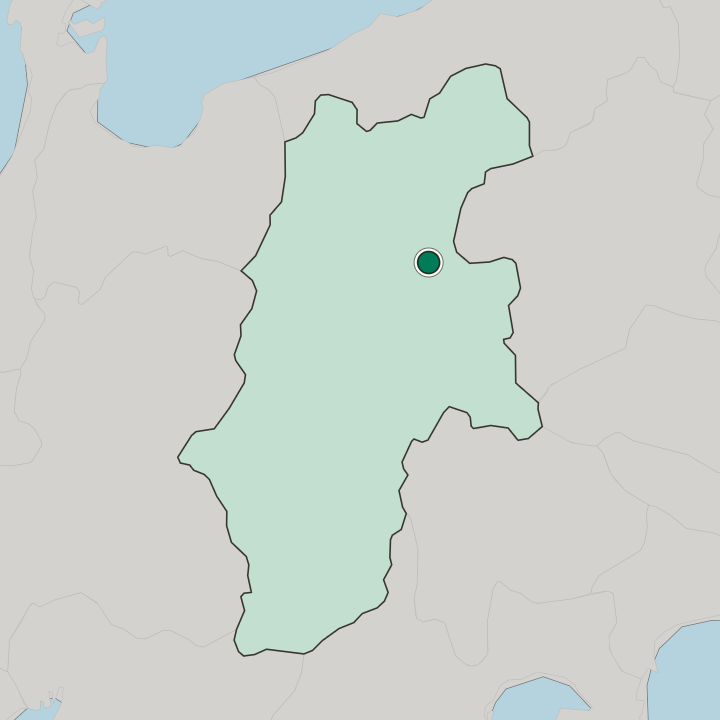
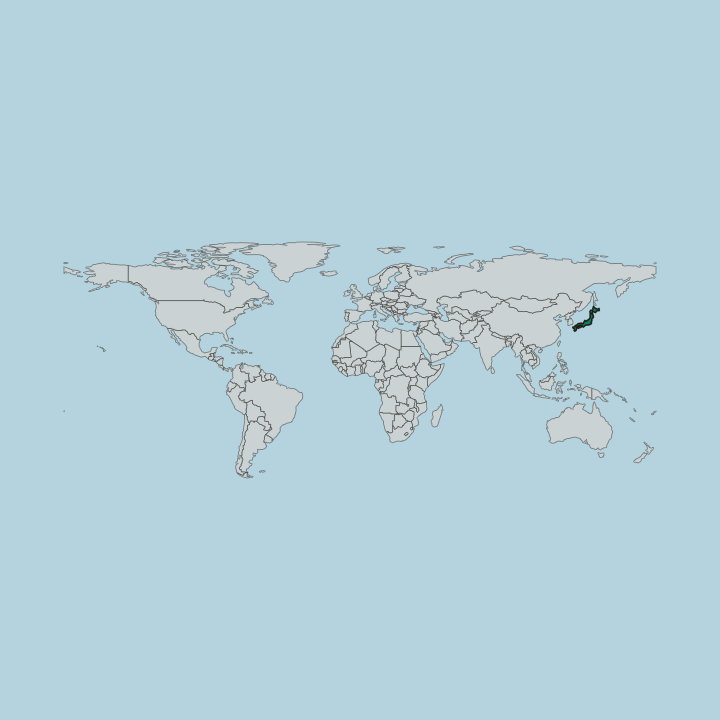
Fifth largest by area in the prefecture. Ueda holds 552 square kilometres of Nagano Prefecture, which puts a lot of ground between the built-up core and the outer edge, and explains why the landmark list spreads rather than clusters. The core is dense.
Most beds and most services belong to that core, while Kokubunji Historical Park, the Shinano Kokubunji Museum and the Ozawa Wooden Sculpture Art Museum occupy their own ground elsewhere inside the same boundary.
What is the climate of Ueda?
The year splits cleanly. Ueda falls inside the temperate band, so a warm season and a cold one divide the calendar between them, and the choice matters most for Kokubunji Historical Park, which is the one major stop with no roof over it. Everything else has walls.
The Ueda City Museum, the Shinano Kokubunji Museum, the Ozawa Wooden Sculpture Art Museum and the Ikenami Shōtarō Sanada Taiheiki Museum all hold up in bad weather, which makes a winter visit here less of a gamble than it sounds.
How do you get to Ueda?
The centre is the arrival point. Routes into Ueda come through Nagano Prefecture, and the built-up core is where they land, which is convenient for the Ueda City Museum and inconvenient for everything spread across the remaining 552 square kilometres. Hire something with wheels.
Kokubunji Historical Park, the Shinano Kokubunji Museum, Fujimoto Sericulture History Museum and the Ozawa Wooden Sculpture Art Museum are all easier with a vehicle, and a day that includes two of them without one will feel long.
Common questions
What is the best area to stay in Ueda?
Central Ueda: Car-free stays working outwards from the Ueda City Museum. By Kokubunji Historical Park: Early starts at Kokubunji Historical Park and the Shinano Kokubunji Museum. The outer municipality: Drivers heading for Fujimoto Sericulture History Museum and the Ozawa Wooden Sculpture Art Museum.
Good for
More cities in Nagano-ken
Updated September 2026