Japan · Niigata-ken
Where to Stay in Jōetsu, Niigata-ken
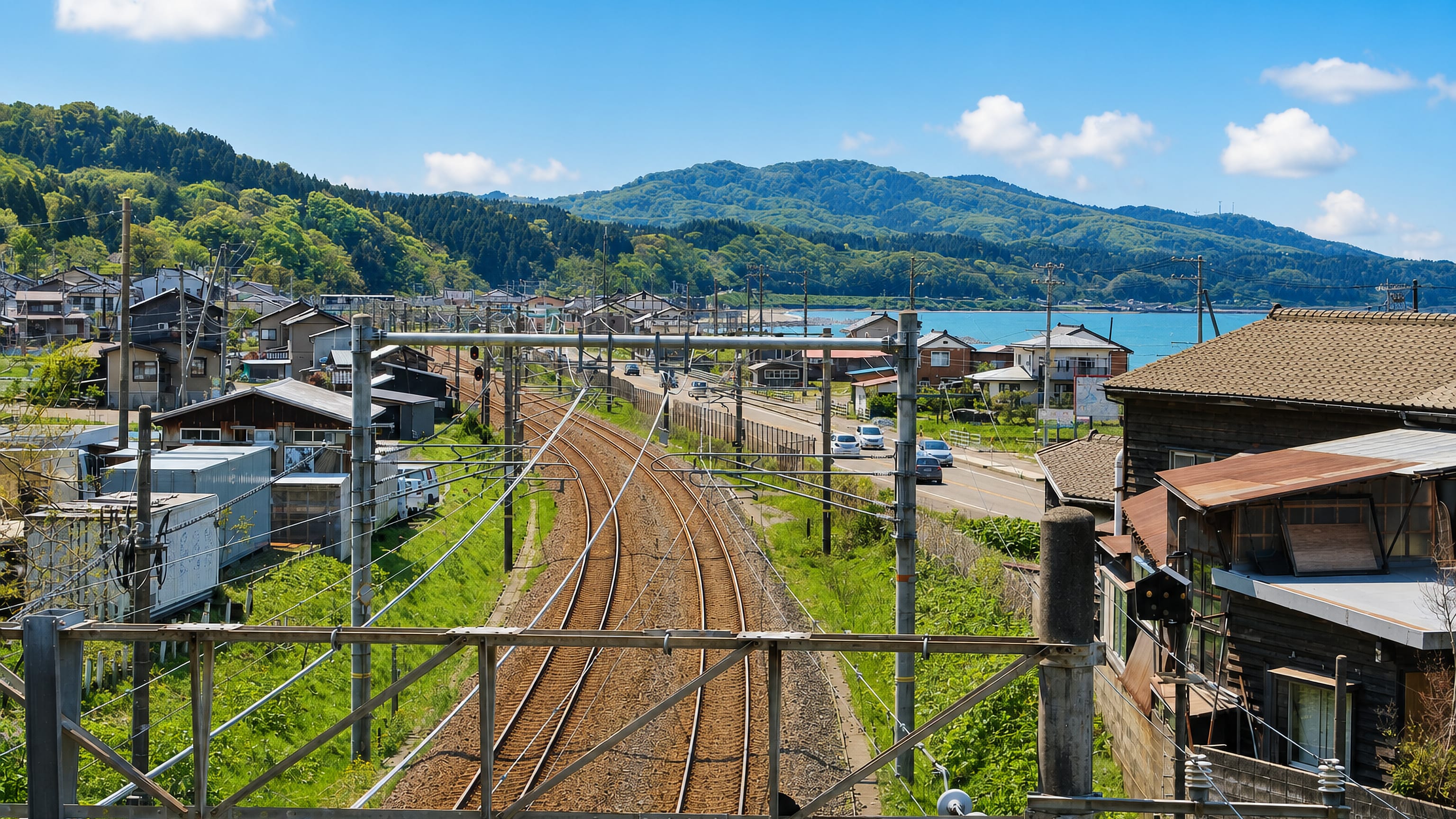
Jōetsu meets the Sea of Japan in Niigata Prefecture, a city of deep snow that grew out of the port at Naoetsu and the old town of Takada.
Hotel links are affiliate links: booking through them may earn us a commission, at no extra cost to you. It never affects how places are ranked. How this works


Where to stay in Jōetsu
The practical side of choosing where to sleep.
Jōetsu is really two towns and a lot of country between them. Naoetsu is the port, and the main train station carries its name, which makes it the obvious choice for anyone arriving by rail with a bag and no car. Takada is the other candidate.
The old city area holds the townscape and the cherry blossom, and in spring that decides the matter for most visitors, because a room inside the old quarter puts the blossom outside the door. Beyond those two the city is close to a thousand square kilometres of Niigata Prefecture, and the rest of the list sits out in it. Kasugayama Castle, the Miyaguchi Kofun Group, the Mizushina Kofun Group, and the Hida Sites are all country stops, reached by road and worth a day if the weather holds.
If you are travelling with children, the Joetsu Aquarium and the Joetsu Science Museum argue for a base in the built-up part rather than the country. Snow changes everything in winter. A central base and a short drive beat a scenic address when the roads are under it, and the Kobayashi Kokei Memorial Museum of Art, the Kobayashi Kokei House, and the Joetsu Gymnastics Arena Gymrena all keep working whatever falls.
Find hotels in Jōetsu
Direct booking searches for these neighbourhoods.
Takada, the old city area
The historic half of the city, with a townscape instead of a working harbourFind hotels in Takada, the old city areaRail arrivals at the station that took the Naoetsu nameNaoetsu, by the port
The harbour end of Jōetsu, where the Sea of Japan and the trains come togetherFind hotels in Naoetsu, by the portVisitors here for Kasugayama Castle and the Kasugayama Castle Ruins Story MuseumThe Kasugayama Castle side
A castle-ground base for the ruins and the hall that shares their name. Rooms are few around here — worth securing early.Find hotels in The Kasugayama Castle sideHotel links are affiliate links: booking through them may earn us a commission, at no extra cost to you. It never affects how places are ranked. How this works
Things to do in Jōetsu
Ranked by global recognition; descriptions from Wikidata (CC0).
Museums & Galleries
1- Kobayashi Kokei Memorial Museum of Art
Castles & Historic Sites
2- Hida Sites Heritage
- Miyaguchi Kofun Group Heritage
Stadiums & Sports
1- Joetsu Gymnastics Arena Gymrena
Landmarks & Notable Places
1- Kobayashi Kokei House Heritage
worth knowingacross 4 categories in Jōetsu
About Jōetsu
Snow is the headline.
What is Jōetsu known for?
Jōetsu borders the Sea of Japan, which is where the winter comes from, and the city is known for that snow along with sake, Koshihikari rice, and a cherry-blossom festival that comes round each spring. Naoetsu gave the station its name. The port is the other half of the story, Kasugayama Castle the oldest, and Takada the district that carries the label of old city area.
What are the main landmarks in Jōetsu?
Kasugayama Castle sits at the top of the list. The Miyaguchi Kofun Group, the Mizushina Kofun Group, and the Hida Sites carry a record older than the castle, three sets of ground that make the archaeology of Jōetsu more substantial than its skyline. Art has two addresses.
The Kobayashi Kokei Memorial Museum of Art and the Kobayashi Kokei House keep one artist's work and one artist's house, while the Joetsu Aquarium, the Joetsu Science Museum, the Joetsu Gymnastics Arena Gymrena, Ukiyo Ryotei, and the Kasugayama Castle Ruins Story Museum fill out a list that covers most tastes.
What is the history of Jōetsu?
The kofun came first. Miyaguchi Kofun Group and Mizushina Kofun Group mark burial ground from long before any of the names on a modern map, and the Hida Sites add a third piece of the same early record to a city that is otherwise thought of as modern. Kasugayama Castle follows them.
The stronghold gave this stretch of Niigata Prefecture its military centre, and Kasugayama Castle Ruins Story Museum exists to tell that part of the story. Jōetsu itself dates only from 1971. 1971 is a municipal date, not a historical one. The name is younger than either of the places it covers, and Naoetsu, the port that named the main station, and Takada, the old city area, are still the two that people use in practice.
Two names, one municipality. Trade explains the coast, since a port on the Sea of Japan meant that sake and Koshihikari rice had a route out of a province known for its snow. The Kobayashi Kokei House belongs to a later and quieter chapter, and Ukiyo Ryotei to the same layer of a town that had grown prosperous enough to keep old buildings standing.
Where is Jōetsu?
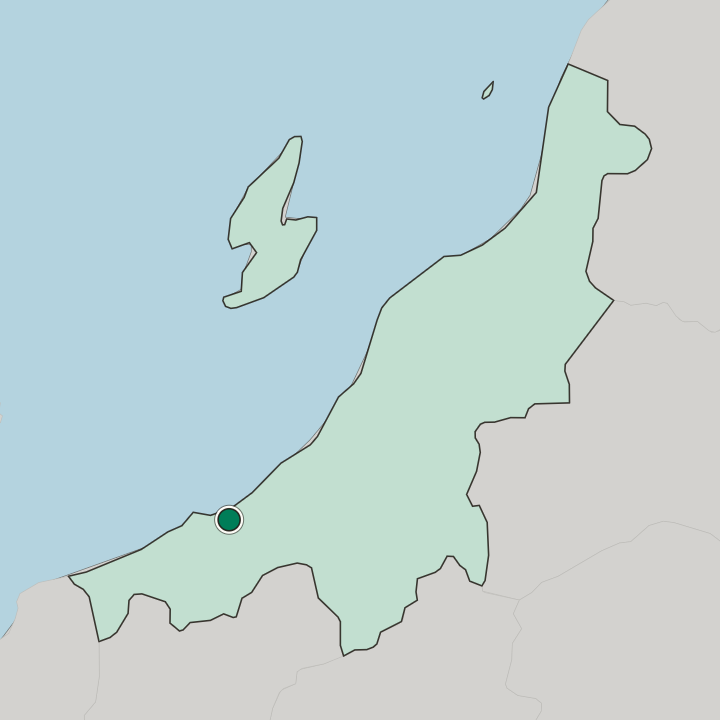
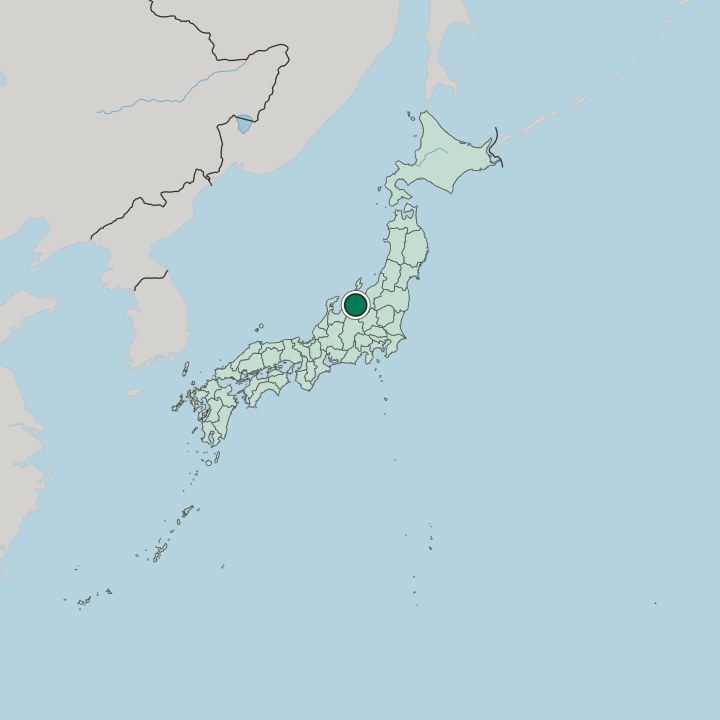
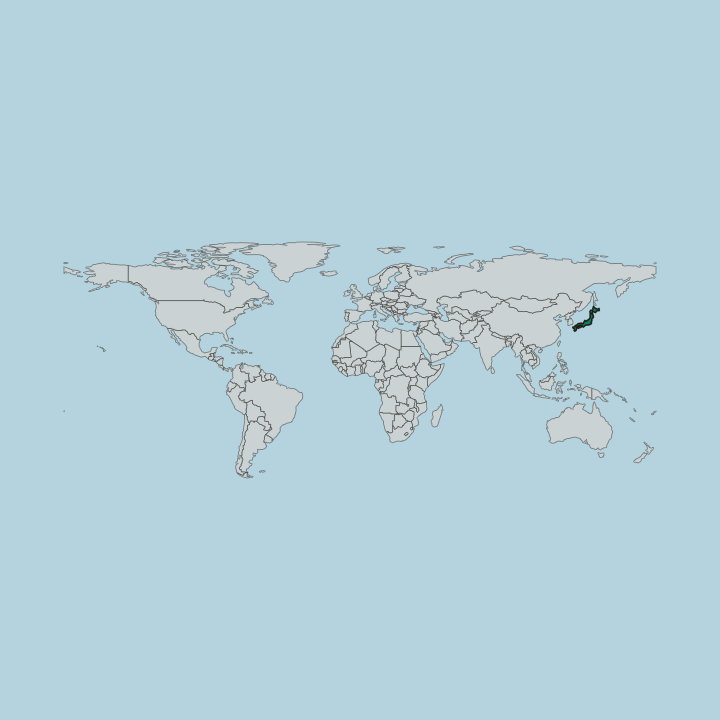
Jōetsu ends at the Sea of Japan. Close to a thousand square kilometres of Niigata Prefecture carry the city name, taking in the harbour at Naoetsu, the old city area at Takada, and country that holds the Miyaguchi Kofun Group and the Hida Sites. Kasugayama Castle belongs to that country.
A municipality of this size on a snow coast means the difference between one part of Jōetsu and another is measured in driving time rather than in a walk across town.
What is the climate of Jōetsu?
The Sea of Japan makes the winters. Winter air comes off that water, and Jōetsu is known for the amount of snow it gets, which is the single fact that governs how a visit here is planned between about December and March. Spring is the reward.
The cherry-blossom festival comes at the end of it and the city fills up accordingly, while the temperate summer that follows is the season for the Miyaguchi Kofun Group and the country parts of the municipality.
How do you get to Jōetsu?
Naoetsu named the station. The main train station carries the port's name, which is the most useful thing to know about arriving in Jōetsu, since the city's own name will not be the one on the platform sign. Takada is the other anchor.
Everything beyond those two, Kasugayama Castle, the Mizushina Kofun Group, and the Hida Sites included, needs a car and a tolerance for winter road conditions on the Sea of Japan coast.
Common questions
What is the best area to stay in Jōetsu?
Takada, the old city area: Cherry-blossom season inside Jōetsu's old quarter. Naoetsu, by the port: Rail arrivals at the station that took the Naoetsu name. The Kasugayama Castle side: Visitors here for Kasugayama Castle and the Kasugayama Castle Ruins Story Museum.
Good for
More cities in Niigata-ken
Updated September 2026