Japan
Niigata-ken, Japan — Towns & Travel Guide
Niigata is Japan's snow country on the Sea of Japan, famed for deep winters, the nation's leading rice harvest, and high-quality sake.
Hotel links are affiliate links: booking through them may earn us a commission, at no extra cost to you. It never affects how places are ranked. How this works


Towns & cities in Niigata-ken
Pick a town or city — each links to where to stay.

 Japan
Japan
Niigata
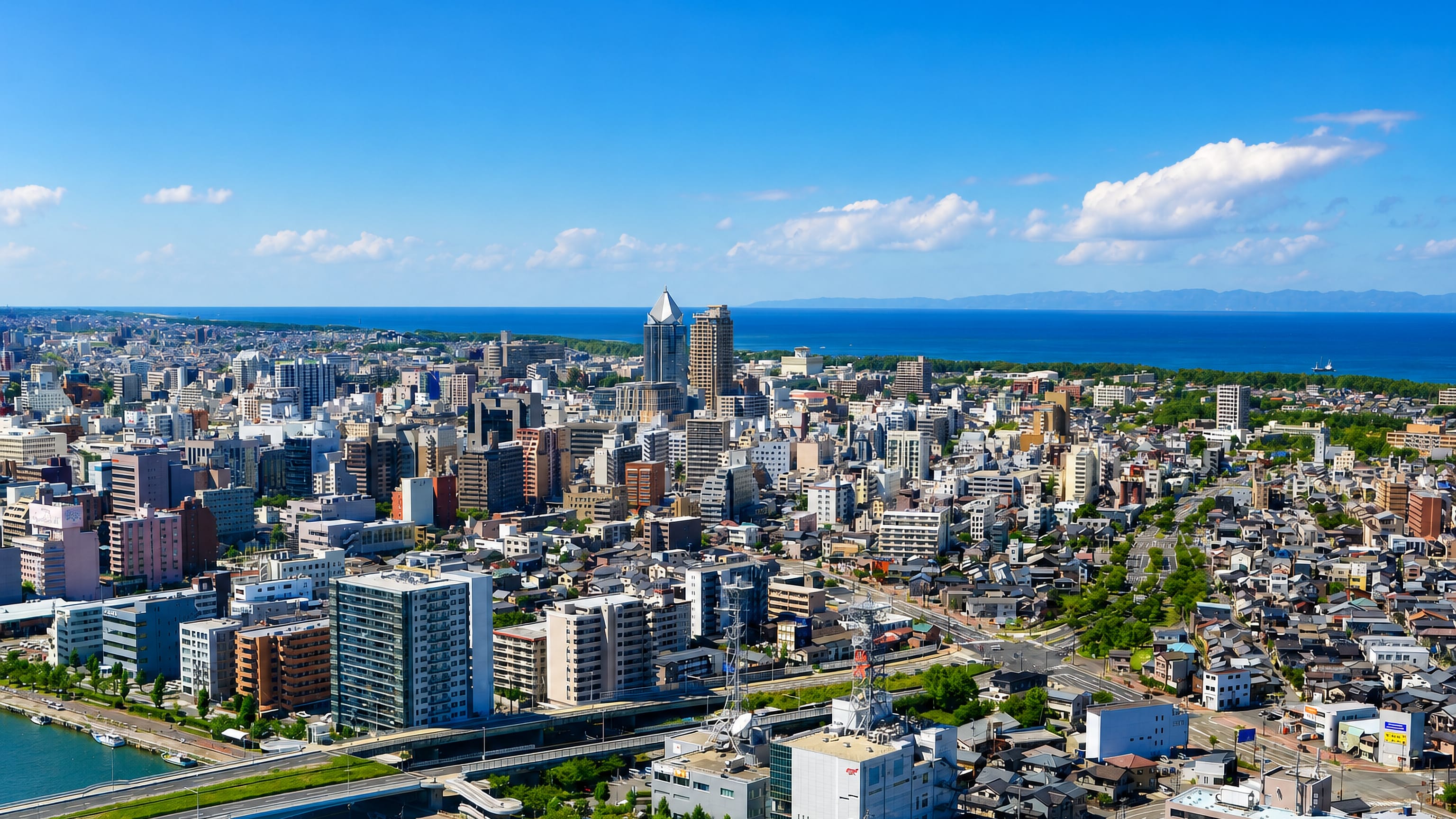
The Shinano River splits Niigata before it reaches the Sea of Japan, the largest city on the west coast of Honshu and capital of Niigata Prefecture.Where to stay →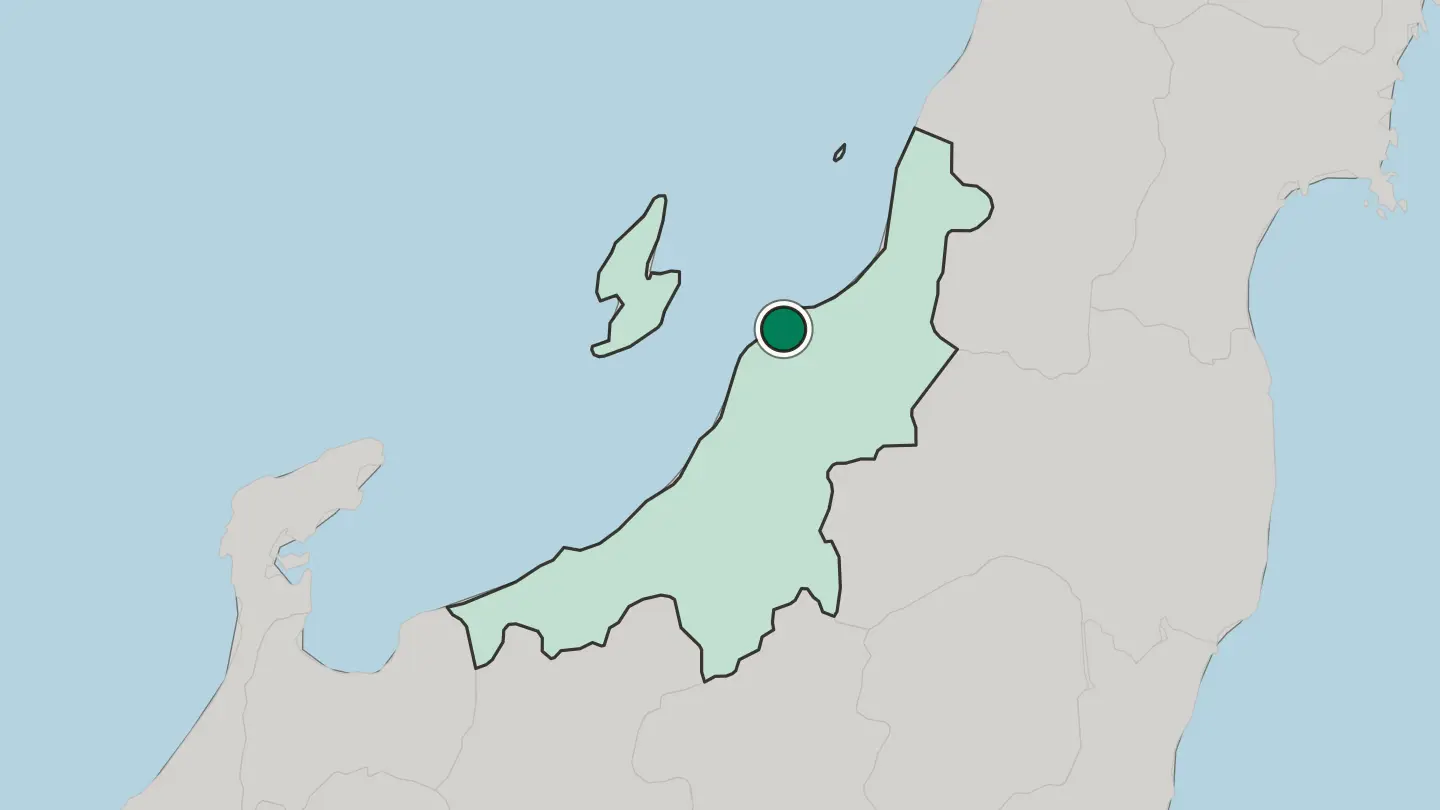
 Japan
Japan
Nagaoka
Nagaoka is the second city of Niigata Prefecture in Japan, and the Nagaoka War Damage Exhibit Hall gives it its plainest subject.Where to stay →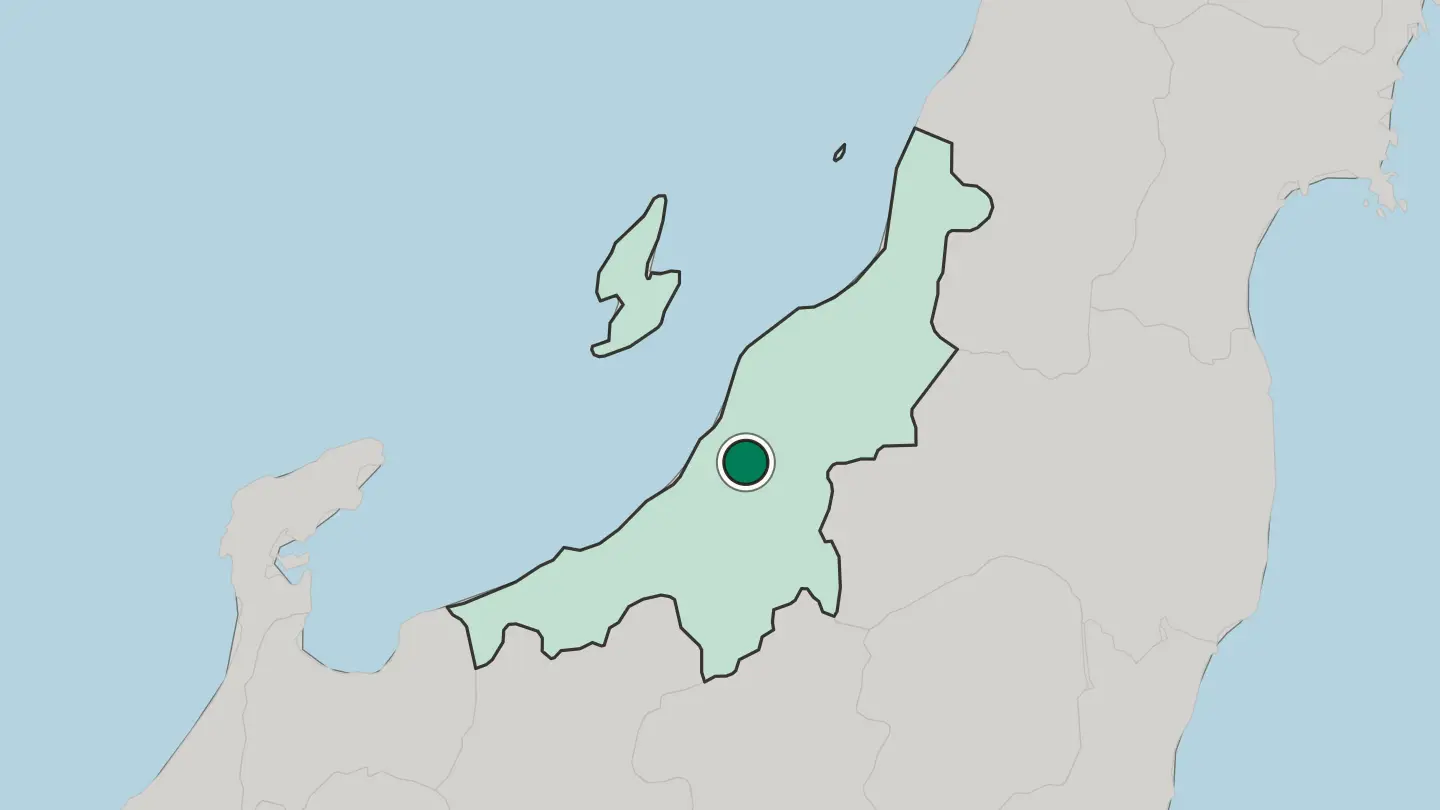
 Japan
Japan
Jōetsu
Jōetsu meets the Sea of Japan in Niigata Prefecture, a city of deep snow that grew out of the port at Naoetsu and the old town of Takada.Where to stay →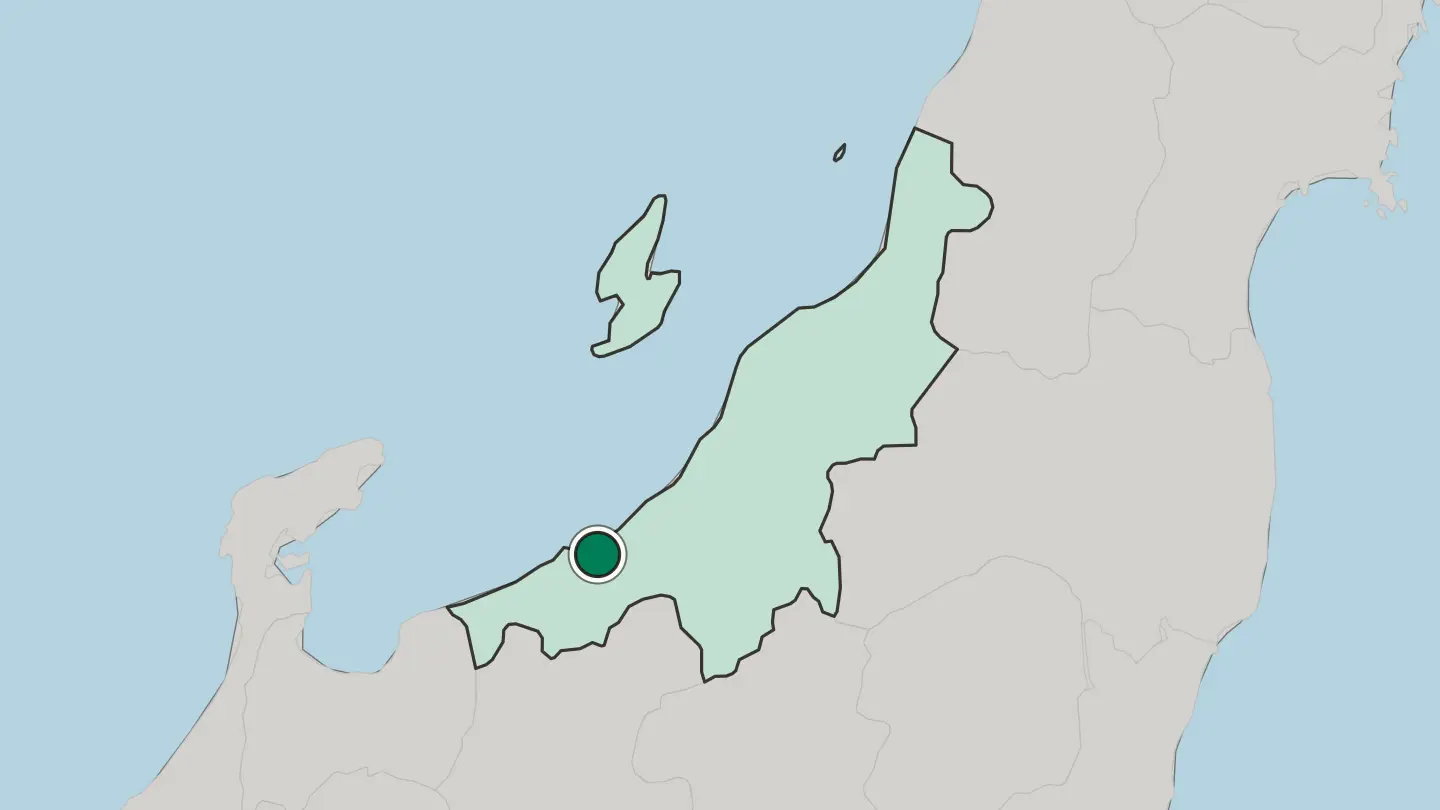
 Japan
Japan
Shibata
Shibata is a castle town in Niigata Prefecture, Japan, built around Shibata Castle with Shimizu-en among its older named sites.Where to stay →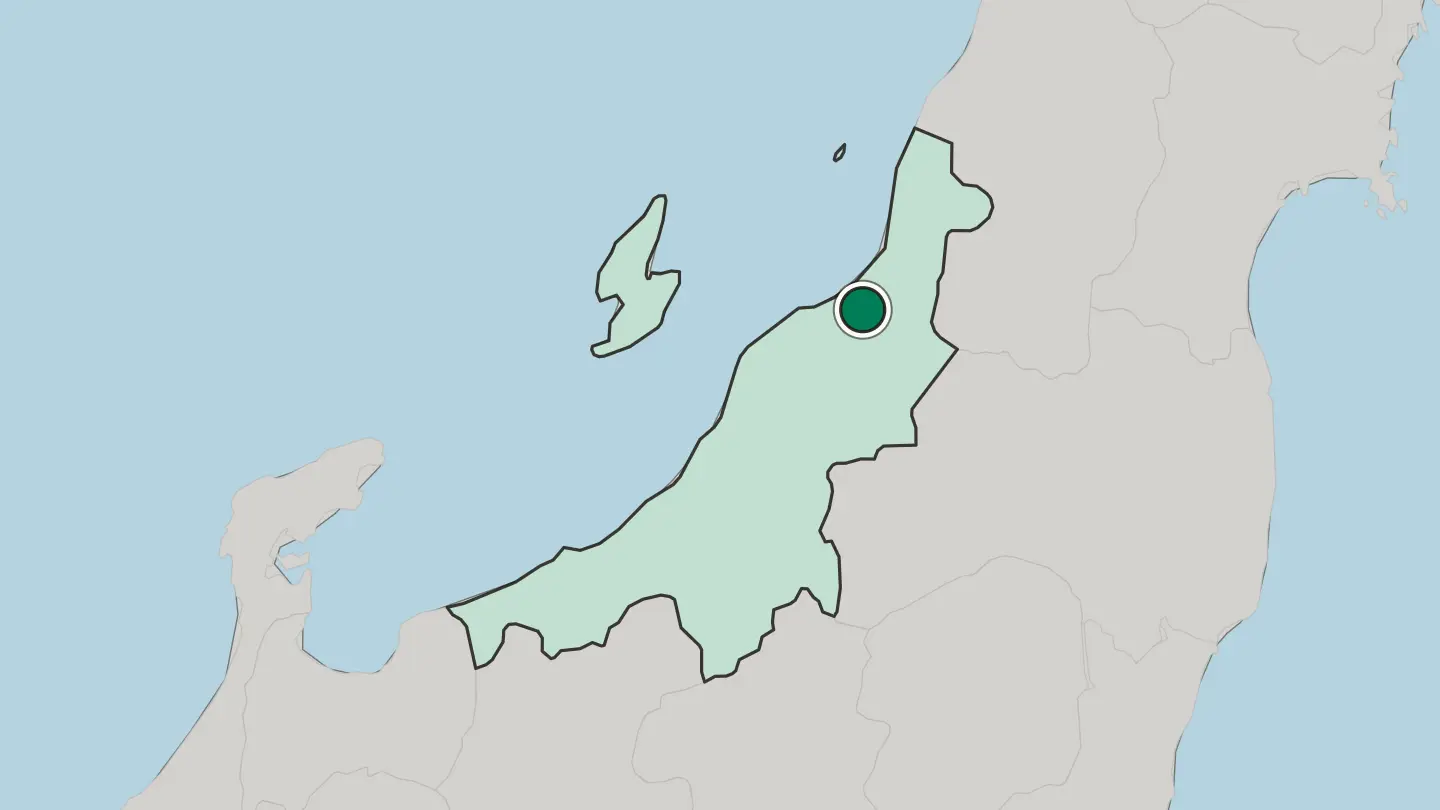
 Japan
Japan
Sanjō
Sanjō is a city of Niigata Prefecture in Japan, known through its two industrial-materials museums.Where to stay →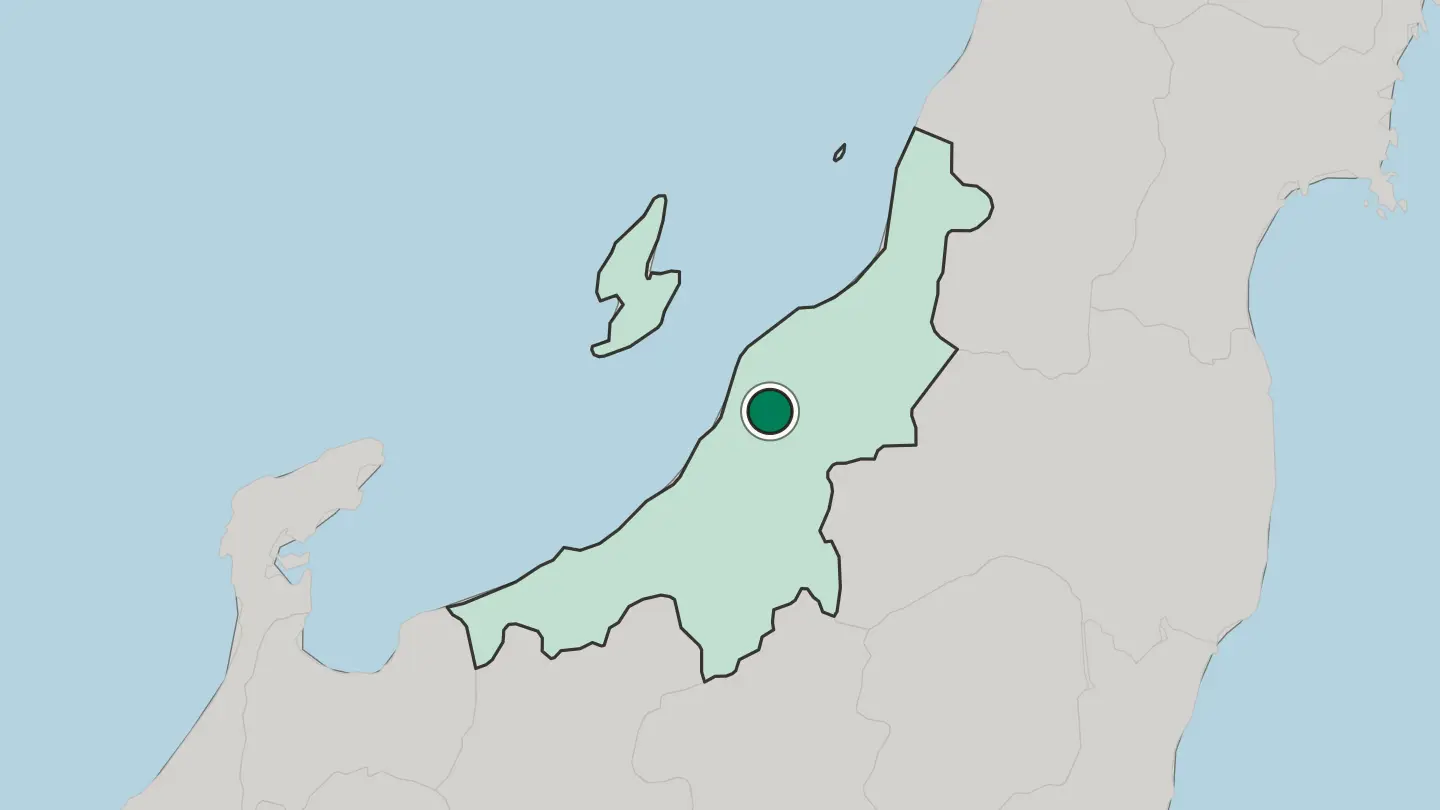 Japan
Japan
Tsubame
Tsubame is a compact city of Niigata Prefecture, Japan, holding the Tsubame Industrial Materials Museum and the Teradomari Aquarium.Where to stay →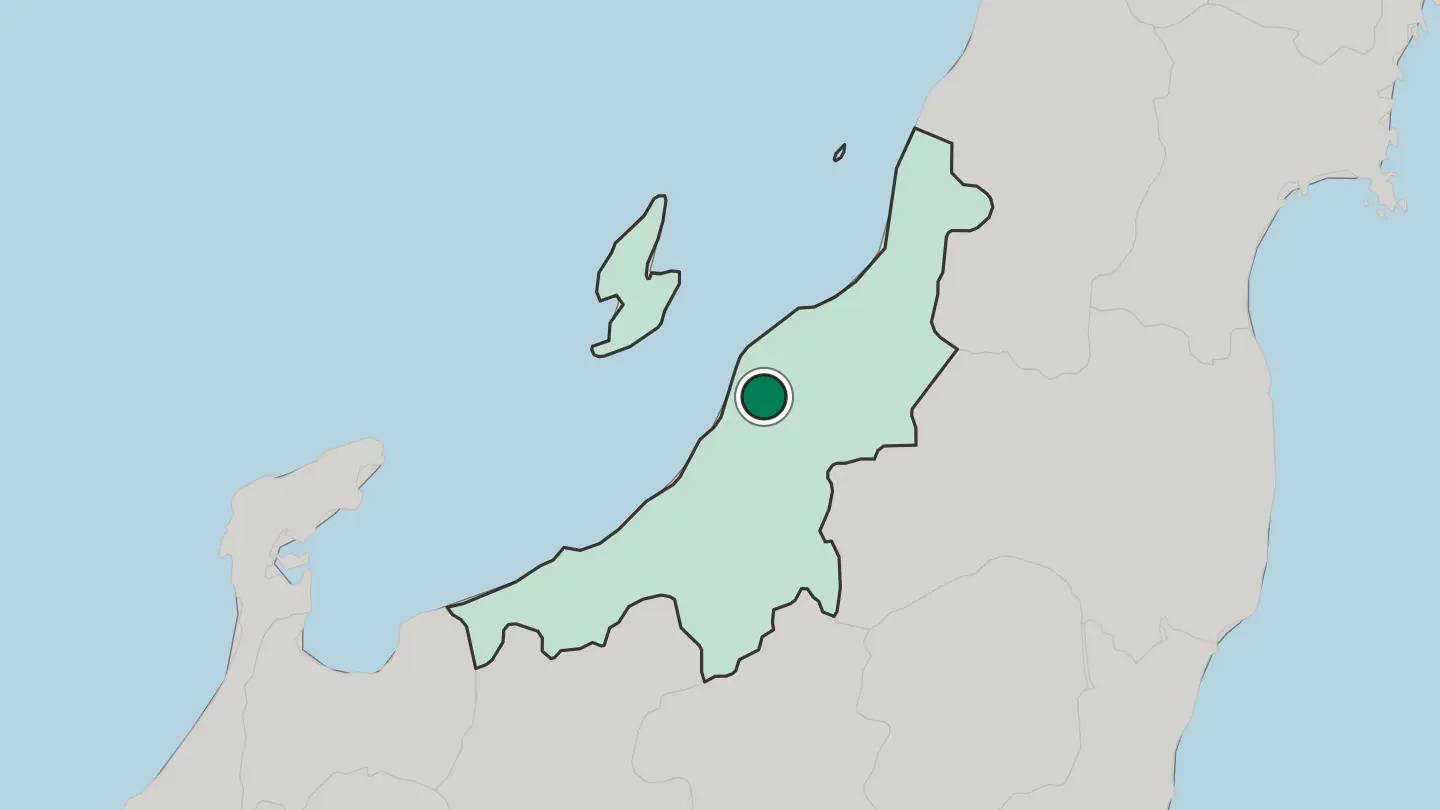
 Japan
Japan
Murakami
Murakami is a city in northern Niigata Prefecture, Japan, holding Sasagawa Nagare and the Yamamoto Site inside one wide municipal boundary.Where to stay →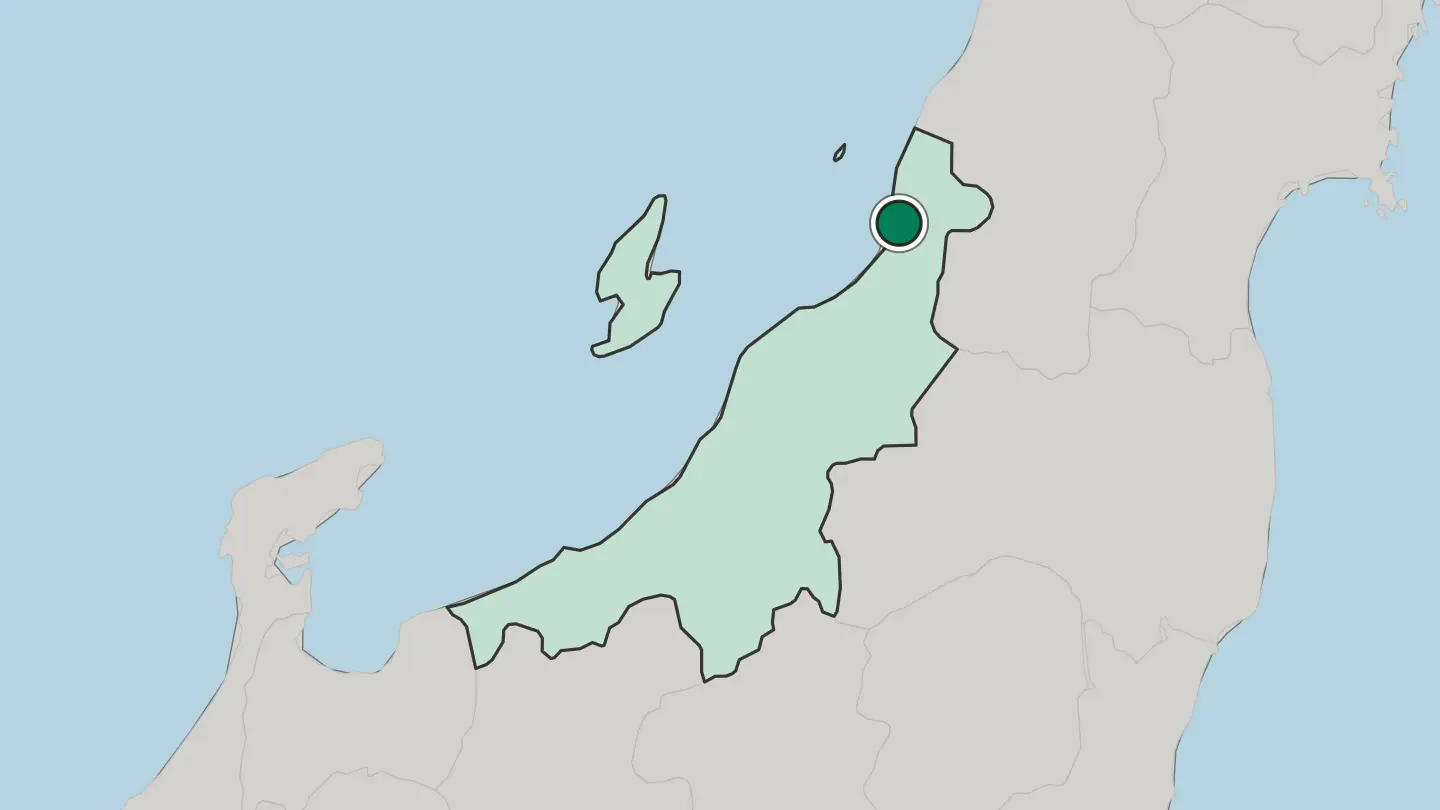
 Japan
Japan
Tōkamachi
Tōkamachi carries the name of a market held on every tenth day, set in the Echigo-Tsumari country of Niigata Prefecture, Japan.Where to stay →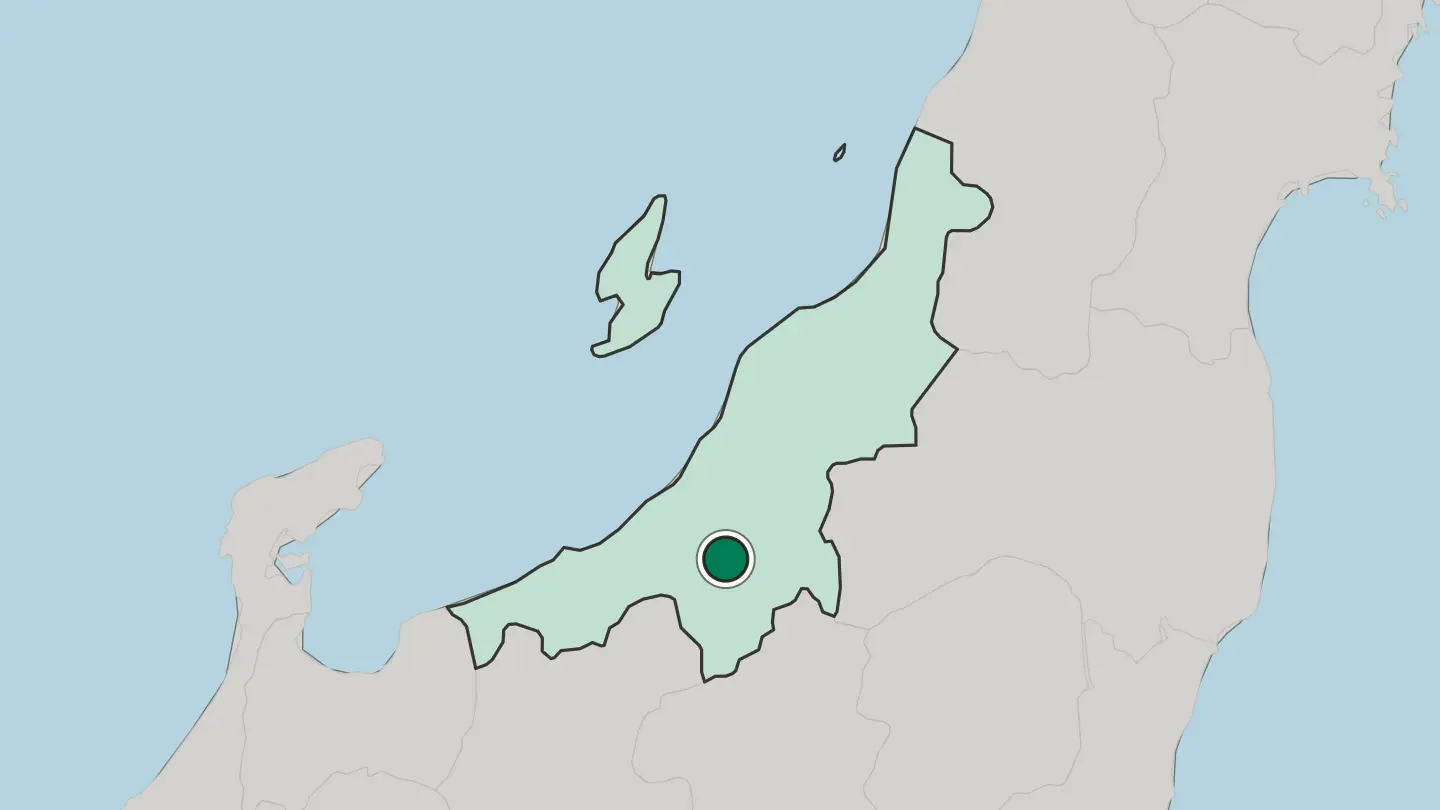
All towns & cities (9)
 Japan
Japan
Sado
Sado is a city covering the whole of Sado Island in Niigata Prefecture, where the Sado Island Gold Mines shaped generations of island work.Where to stay →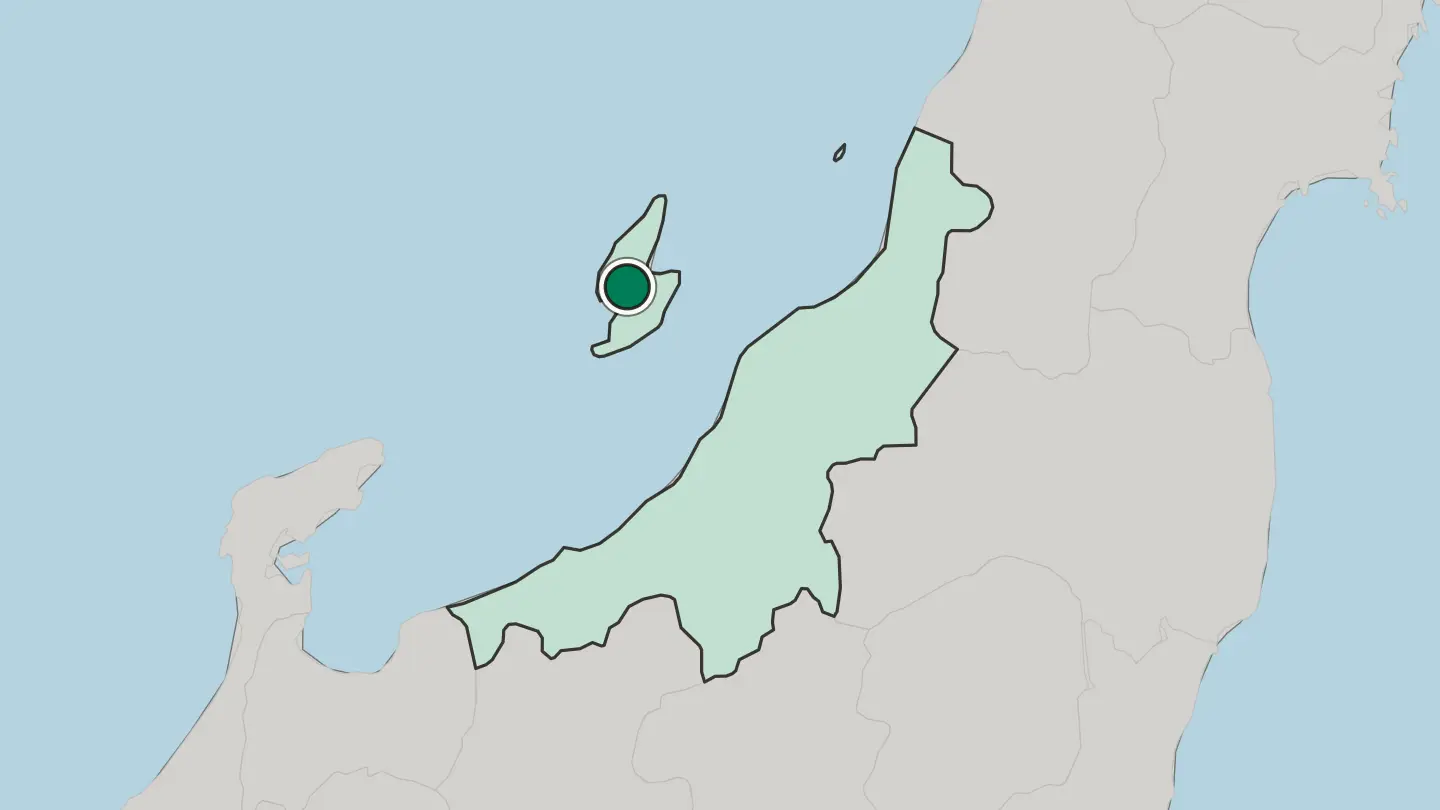
Hotel links are affiliate links: booking through them may earn us a commission, at no extra cost to you. It never affects how places are ranked. How this works
About Niigata-ken
What is Niigata-ken known for?
Niigata is Japan's rice bowl. The prefecture harvests more rice than any other, and its Koshihikari from the Uonuma hills is widely considered the highest-quality rice in Japan, grown on snowmelt and the silt of the Echigo Plain. That same clean water goes into the high-quality sake Niigata is known for across Japan.
Winters here are deep, burying the inland valleys under metres of snow that Kawabata turned into literature. Sado Island lies offshore, its centuries-old gold mines listed as a World Heritage site.
Where is Niigata-ken?
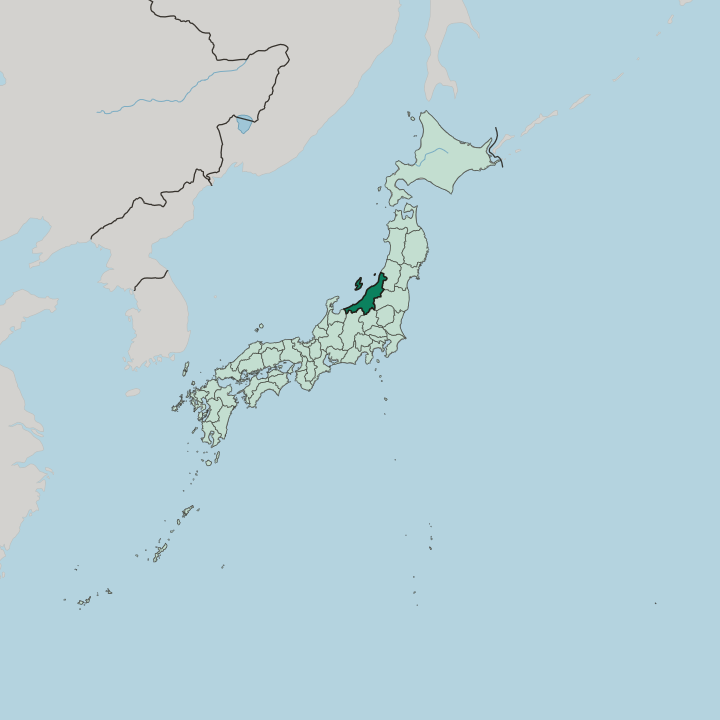
Niigata stretches along the Sea of Japan for some 240 kilometres, a long ribbon of coast on the western flank of Honshu, in the northern part of the Chūbu region. Between the water and the mountains lies the Echigo Plain, the widest lowland on this side of Japan, built up over millennia from silt carried down by the rivers. Two of them define it.
The Shinano River, the longest in the country, gathers in the Japanese Alps and empties into the sea at Niigata city; the Agano flows in from the east through Fukushima. Their floodplain grows the rice the prefecture is known for. Offshore, across a strait, rises Sado Island, the sixth largest island of Japan and a mountainous world of its own.
Inland the ground climbs fast. The Echigo mountains and volcanoes such as Mount Myōkō wall the prefecture off from its neighbours, and it is these ridges that wring the snow from the winter wind. Toyama and Nagano prefectures border Niigata to the southwest, Gunma to the south, Fukushima to the east, and Yamagata to the northeast. Everything tilts toward the water.
Rivers, roads, railways and the great plain all run down from the mountains to the Sea of Japan.
What is Niigata-ken like?
Life here is organised around rice and snow. Niigata grows more of the crop than any prefecture, and its Koshihikari is widely held to be Japan's best rice, milled into the sake that pours from breweries across the Echigo Plain. Winter is the other constant.
Snow buried these valleys so deeply that it shaped a whole material culture, from the snow-bleached ramie of Echigo-jōfu cloth to the practice of storing rice and sake in the drifts. Kawabata Yasunari set his novel Snow Country in the hot-spring town of Yuzawa. Sado Island keeps its own traditions offshore.
The island's four centuries of gold mining are marked at Aikawa, its endangered toki ibis are bred back into the hills, and the Kodō taiko drummers who tour the world make their home there. On the mainland, the metalworkers of Tsubame and Sanjō hammer out much of the nation's cutlery, while every August the Nagaoka Festival throws vast fireworks over the Shinano River in memory of the city's wartime dead. These are not museum pieces.
They are how the place still works.
What is the history of Niigata-ken?
Two old provinces underlie the prefecture. The mainland was Echigo, whose districts the Meiji government fused into Niigata in 1870. The island of Sado came later, run as the separate Aikawa Prefecture until it too was folded into Niigata in 1876.
Sado had mattered to the shogunate long before that: its Aikawa gold and silver mines, worked hard from 1601, helped bankroll the Tokugawa in Edo, and they were listed as a World Heritage site in 2024 after nearly four centuries of digging. Niigata's own port opened to foreign trade in 1869, one of the handful chosen when Japan reopened to the world.
What is the climate of Niigata-ken?
Niigata's mountains get some of the heaviest snow in the world. Cold, dry air pours off the Asian mainland each winter, soaks up moisture over the Sea of Japan, and dumps it as snow the moment it hits the Echigo mountains. The coast around Niigata city stays wet and grey; the mountain towns of the Uonuma valleys can lie under several metres of it.
Summers flip the pattern, turning warm and humid over the rice plain. The word for this coast is simple. It is snow country.
How do you get to Niigata-ken?
Most visitors come by train from Tokyo. The Jōetsu Shinkansen bores through the mountains that wall off the snow country, surfacing at Echigo-Yuzawa before running on through Nagaoka to Niigata in about two hours. That tunnel is the one Kawabata's traveller rides into the white.
Niigata Airport handles mainly domestic flights, with a scatter of routes to nearby Asian cities. Ferries cross from Niigata city out to Sado Island. Beyond the rail line, roads climb over the passes from Nagano and Gunma.
Common questions
What is the best area to stay in Niigata-ken?
Niigata: a first base and the sake counters of Ponshukan. Echigo-Yuzawa: snow-country onsen an hour from Tokyo. Myōkō: long ski weeks under Mount Myōkō. Nagaoka: the Shinano valley and the great river fireworks.
Good for
More regions in Japan
Updated October 2026