Japan · Niigata-ken
Where to Stay in Tōkamachi, Niigata-ken
Tōkamachi carries the name of a market held on every tenth day, set in the Echigo-Tsumari country of Niigata Prefecture, Japan.
Hotel links are affiliate links: booking through them may earn us a commission, at no extra cost to you. It never affects how places are ranked. How this works


Where to stay in Tōkamachi
How the choice of base plays out on the ground.
Matsudai or the old market town: that is the decision. A bed in central Tōkamachi keeps the Tōkamachi City Museum and the Sasayama Site material at walking range, and it leaves the shops and services of the town that the tenth-day market built on the same few streets. Most visits start there.
Matsudai suits the other kind of trip, the one aimed squarely at Matsudai Nohbutai and the art scattered through the Echigo-Tsumari hills, because staying out at that end removes the longest single drive from every day of the stay. Kiyotsu Gorge makes a third case. Its side of the municipality is the least built-up, well away from the museum addresses, and it rewards anyone who wants the gorge before the day warms up rather than after a long approach.
Rooms are not evenly spread across a city of this area. The practical rule is to pick the corner holding the two or three places that prompted the trip, then treat everything else in Tōkamachi as a day trip out and back. A car earns its keep in either corner.
Find hotels in Tōkamachi
Direct booking searches for these neighbourhoods.
Central Tōkamachi
The Tōkamachi City Museum and the Sasayama Site pottery sit here, among the streets the tenth-day market laid out.Find hotels in Central Tōkamachiart trips pointed at Matsudai NohbutaiMatsudai
Matsudai Nohbutai stands far out from the centre, so a room here cuts the longest drive out of the itinerary. Lodging is scarce in this area; reserve in advance.Find hotels in Matsudaian early walk into Kiyotsu GorgeKiyotsu Gorge side
Kiyotsu Gorge lies apart from every museum address, in the least built-up quarter of the municipality. Beds are limited here, so book early.Find hotels in Kiyotsu Gorge sideHotel links are affiliate links: booking through them may earn us a commission, at no extra cost to you. It never affects how places are ranked. How this works
About Tōkamachi
Museums outnumber the usual small-city ration.
What is Tōkamachi known for?
Museum on Echigo-Tsumari (MonET), the Mithila Museum, and the Hachi & Seizo Tashima Museum of Picture Book Art each take a different subject, and Matsudai Nohbutai adds a fourth address to the same habit of building for display. Kiyotsu Gorge answers on the landscape side. The Sasayama Site supplies the deep past, its excavated deep-bowl pottery catalogued as a named object of Niigata Prefecture, while the Tōkamachi City Museum gathers the local strands under one roof.
What are the main landmarks in Tōkamachi?
Kiyotsu Gorge is the landscape headline, a cut through the uplands that owes nothing to anyone's programme. Matsuo Shrine keeps the older religious ground. Then come the built attractions: Museum on Echigo-Tsumari (MonET) and Matsudai Nohbutai for contemporary work, the Mithila Museum for painting from far outside Japan, and the Hachi & Seizo Tashima Museum of Picture Book Art for illustration.
The Sasayama Site is a dig, not a display. Tōkamachi City Museum holds the thread that runs between them.
What is the history of Tōkamachi?
The name is a calendar. A market met on every tenth day of the month, and the settlement that grew up around that fixture took the arrangement into its own name, exactly as the neighbouring former town of Muikamachi did with a market falling on days ending in six. Trade set the rhythm before administration did.
Long before either market, people were already living on this ground, and the Sasayama Site gave up deep-bowl pottery catalogued as a named object of Niigata Prefecture in its own right. Matsuo Shrine belongs to the older religious layer, one of the fixed points that predates any municipal map. The city in its modern form dates to 1954.
Everything after that has been consolidation, separate valleys and settlements folded under a single name, which is part of why some edges of the Tōkamachi boundary are described as not well defined. Kiyotsu Gorge stood through all of it. The museums came last, and Museum on Echigo-Tsumari (MonET), Matsudai Nohbutai, the Mithila Museum, and the Hachi & Seizo Tashima Museum of Picture Book Art together mark a decision to make art and display central to what the city offers a visitor.
Where is Tōkamachi?
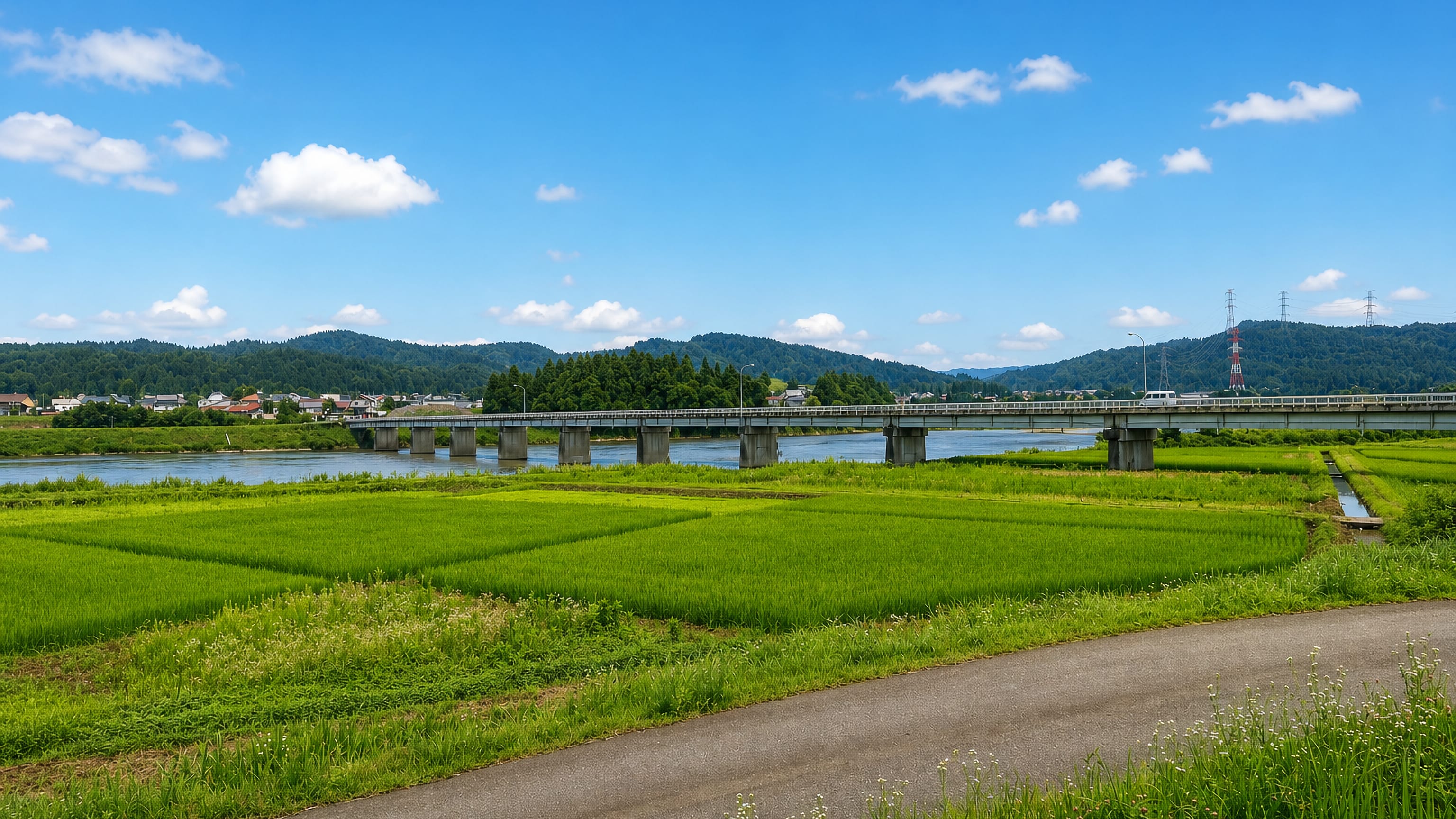
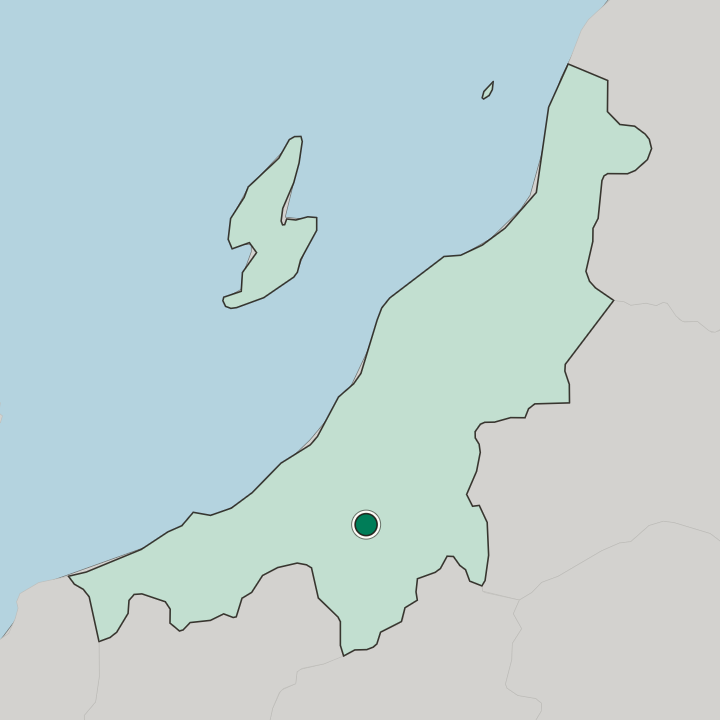
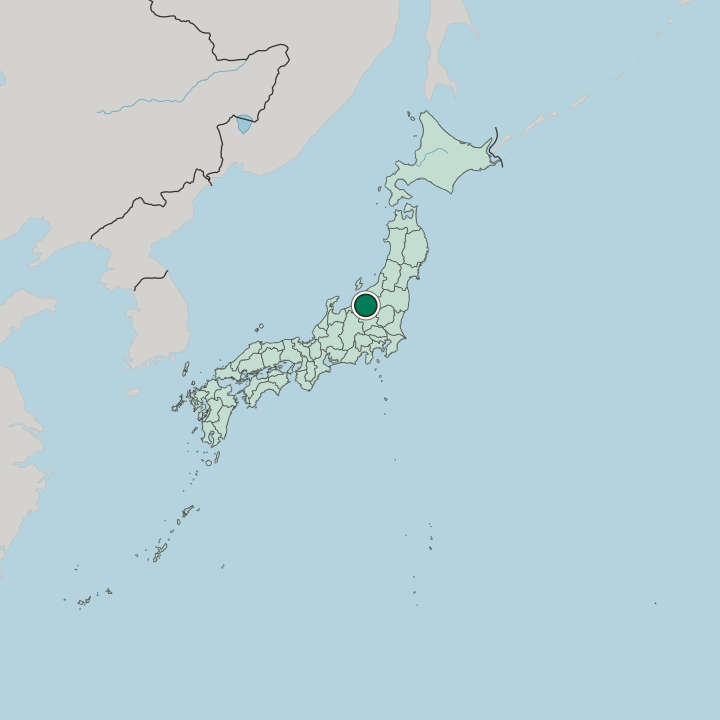
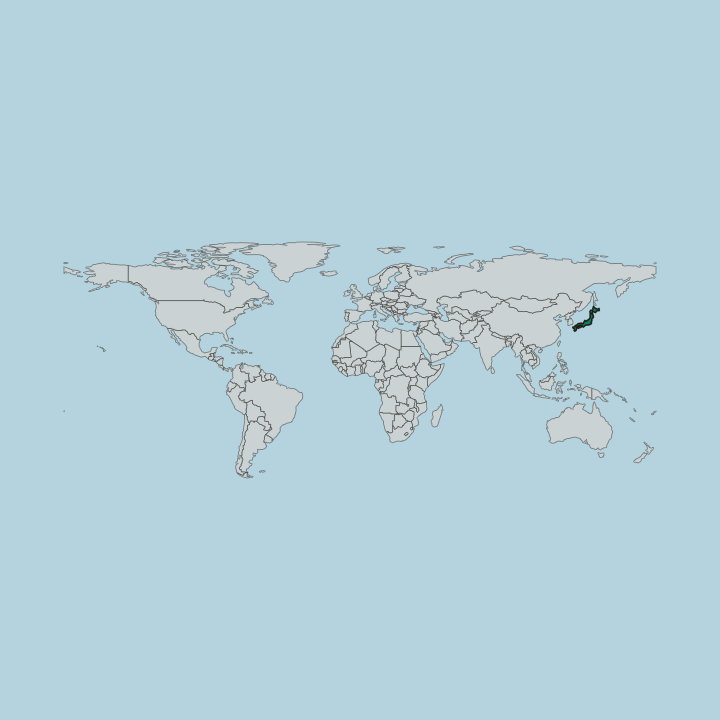
Tōkamachi is gorge country. Kiyotsu Gorge cuts through it, and the municipality wraps close to six hundred square kilometres of valley and slope around that cut, ground enough that some of the city's own borders are recorded as not well defined. Matsudai lies well out in it.
The Echigo-Tsumari name covers the wider district Tōkamachi sits inside, and the Museum on Echigo-Tsumari (MonET) carries that district name in its title.
What is the climate of Tōkamachi?
Kiyotsu Gorge does not share the weather of the open ground above it, and a municipality of this size, spread across slope and valley in Niigata Prefecture, runs several small climates at once beneath one temperate heading. Seasons here are distinct. Elevation rather than distance decides which part of Tōkamachi turns first, so the ground around Matsudai and the valley floor do not change in the same week.
How do you get to Tōkamachi?
The city runs far past its centre. Roads do most of the work between Tōkamachi's places, since Matsudai Nohbutai, Kiyotsu Gorge, and the Mithila Museum stand at real distances from one another rather than along one street. Anyone arriving for the Echigo-Tsumari museums should expect to be moving between them for a good part of the day, which is worth settling before the itinerary is fixed.
Common questions
What is the best area to stay in Tōkamachi?
Central Tōkamachi: museum days that begin at the Tōkamachi City Museum. Matsudai: art trips pointed at Matsudai Nohbutai. Kiyotsu Gorge side: an early walk into Kiyotsu Gorge.
Good for
More cities in Niigata-ken
Updated September 2026