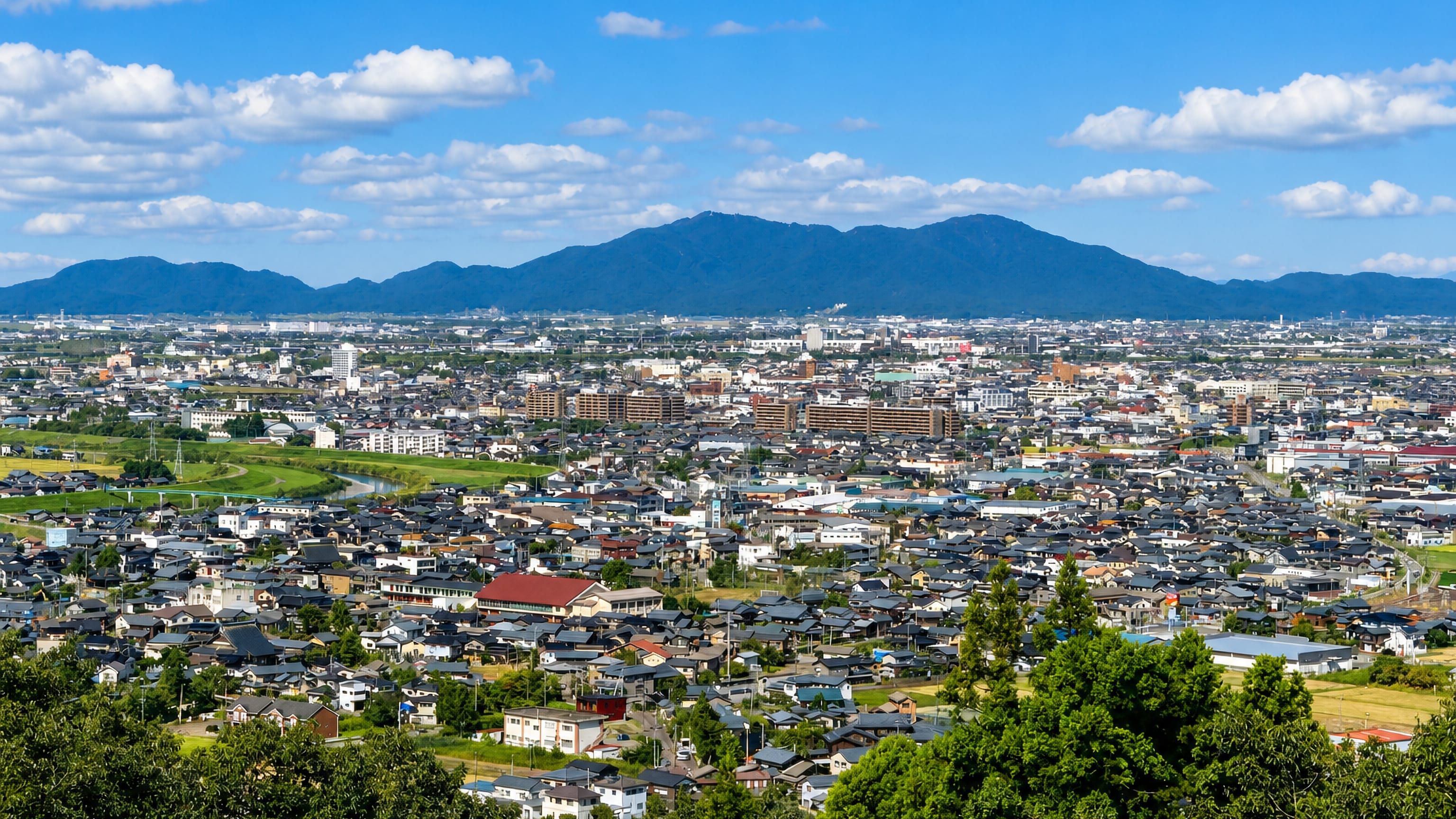
Japan · Niigata-ken
Where to Stay in Sanjō, Niigata-ken
Sanjō is a city of Niigata Prefecture in Japan, known through its two industrial-materials museums.
Hotel links are affiliate links: booking through them may earn us a commission, at no extra cost to you. It never affects how places are ranked. How this works


Where to stay in Sanjō
How the choice of base plays out on the ground.
The Sanjo City Museum of Historical, Folkloric and Industrial Materials fixes the centre of a stay. A room within reach of it puts the one collection that carries the city's own name inside a short walk, which is the whole argument for staying central in a place this size. That side is the practical one.
Nothing else in Sanjo competes for the position. Tsubame is the alternative, and the Tsubame Industrial Materials Museum on Sanjō's landmark list is the clearest sign of how closely the two industrial towns sit together in Niigata Prefecture. Beds there change the day only slightly. Anyone unwilling to cross a boundary each morning should stay put.
Out on the wider municipal ground the calculation changes again. More than four hundred square kilometres answer to Sanjo, most of it well away from either museum, and a car turns that spread from an obstacle into an ordinary drive. Space is easier to find there.
The ground Sanjō-shi covers reaches far past whatever the original town amounted to, which is why the choice here comes down to walking or driving.
Find hotels in Sanjō
Direct booking searches for these neighbourhoods.
Beside the Sanjo City Museum
The one collection carrying the city's own name sits inside a short walk of these roomsFind hotels in Beside the Sanjo City MuseumStays that open with the Tsubame Industrial Materials MuseumToward Tsubame
The neighbouring industrial town's side of the boundary, worth it when Sanjo fills. Rooms are few around here — worth securing early.Find hotels in Toward TsubameDrivers working across four hundred square kilometres of Niigata PrefectureThe outer municipal ground of Sanjo
Space to park and a long approach to both industrial-materials collections. Lodging is scarce in this area; reserve in advance.Find hotels in The outer municipal ground of SanjoHotel links are affiliate links: booking through them may earn us a commission, at no extra cost to you. It never affects how places are ranked. How this works
About Sanjō
Industry frames the local record.
What is Sanjō known for?
The Sanjo City Museum of Historical, Folkloric and Industrial Materials keeps the working thread together with the folk one, which tells a visitor most of what Sanjō has chosen to remember about itself. Two museums, one subject. The Tsubame Industrial Materials Museum carries a neighbour's name on this city's own list, and the pairing says as much about the wider district as either building does alone.
What are the main landmarks in Sanjō?
The list runs to two entries. Sanjo City Museum of Historical, Folkloric and Industrial Materials is the one that belongs to the city outright, holding the folk record and the industrial one in the same building. Tsubame lends the other.
The Tsubame Industrial Materials Museum sits on this list under a neighbour's name, which is a fair description of how closely the two collections overlap.
What is the history of Sanjō?
Sanjō was established in 1889. The record keeps two written forms of the name, Sanjo Town and Sanjo, and the difference between them is the difference between a town and the city that grew out of it. Both forms survive.
The name also appears without its macron, as Sanjo, on the museum that carries it. Sanjō-shi is how the municipality is written in full, and the older form belongs to the ground the town first covered. Industry is what the museums record.
The Sanjo City Museum of Historical, Folkloric and Industrial Materials sets the working past beside the domestic one, which is an unusual pairing to build a single collection around and a revealing one for a town of this kind. Materials came first. The word runs through both museum names, and it points at a trade in things made rather than things grown.
Tsubame belongs to the same story. The Tsubame Industrial Materials Museum appears on Sanjō's landmark list rather than only on its neighbour's, which is what happens when two towns in Niigata Prefecture work the same trades for long enough. Boundaries blur in the record.
More than four hundred square kilometres of Japan answer to this one municipal name, and the museums between them are the only formal account of what filled it.
Where is Sanjō?
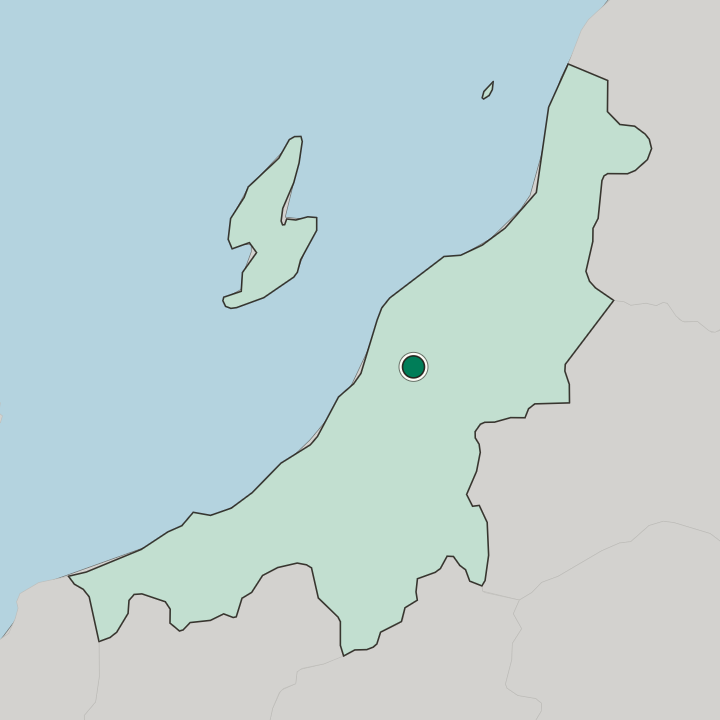
More than four hundred square kilometres answer to Sanjō. That is a large municipal area for a place whose named sites number two, and most of it lies well away from either museum door. Tsubame shares the district.
Niigata Prefecture holds both, and the working country between them is what put an industrial-materials collection in each.
What is the climate of Sanjō?
Weather barely alters the plan here. Both of Sanjō's named sites are indoor collections, so a wet week costs nothing that a dry one would have delivered, and the temperate year does the rest without much drama. The museums do not mind.
What the weather does change is the drive across four hundred square kilometres between the Sanjo City Museum of Historical, Folkloric and Industrial Materials and the Tsubame Industrial Materials Museum.
How do you get to Sanjō?
Two stops make the itinerary. The Sanjo City Museum of Historical, Folkloric and Industrial Materials and the Tsubame Industrial Materials Museum can both be taken in one day, which is unusual for a municipality spread across four hundred square kilometres. Order matters more than distance.
A visitor basing themselves in Sanjo crosses toward Tsubame once, while one starting from the neighbour makes the same crossing in reverse and finishes where Sanjō's own collection stands.
Common questions
What is the best area to stay in Sanjō?
Beside the Sanjo City Museum: First nights anchored on the Sanjo City Museum of Historical, Folkloric and Industrial Materials. Toward Tsubame: Stays that open with the Tsubame Industrial Materials Museum. The outer municipal ground of Sanjo: Drivers working across four hundred square kilometres of Niigata Prefecture.
More cities in Niigata-ken
Updated October 2026