Japan · Niigata-ken
Where to Stay in Shibata, Niigata-ken
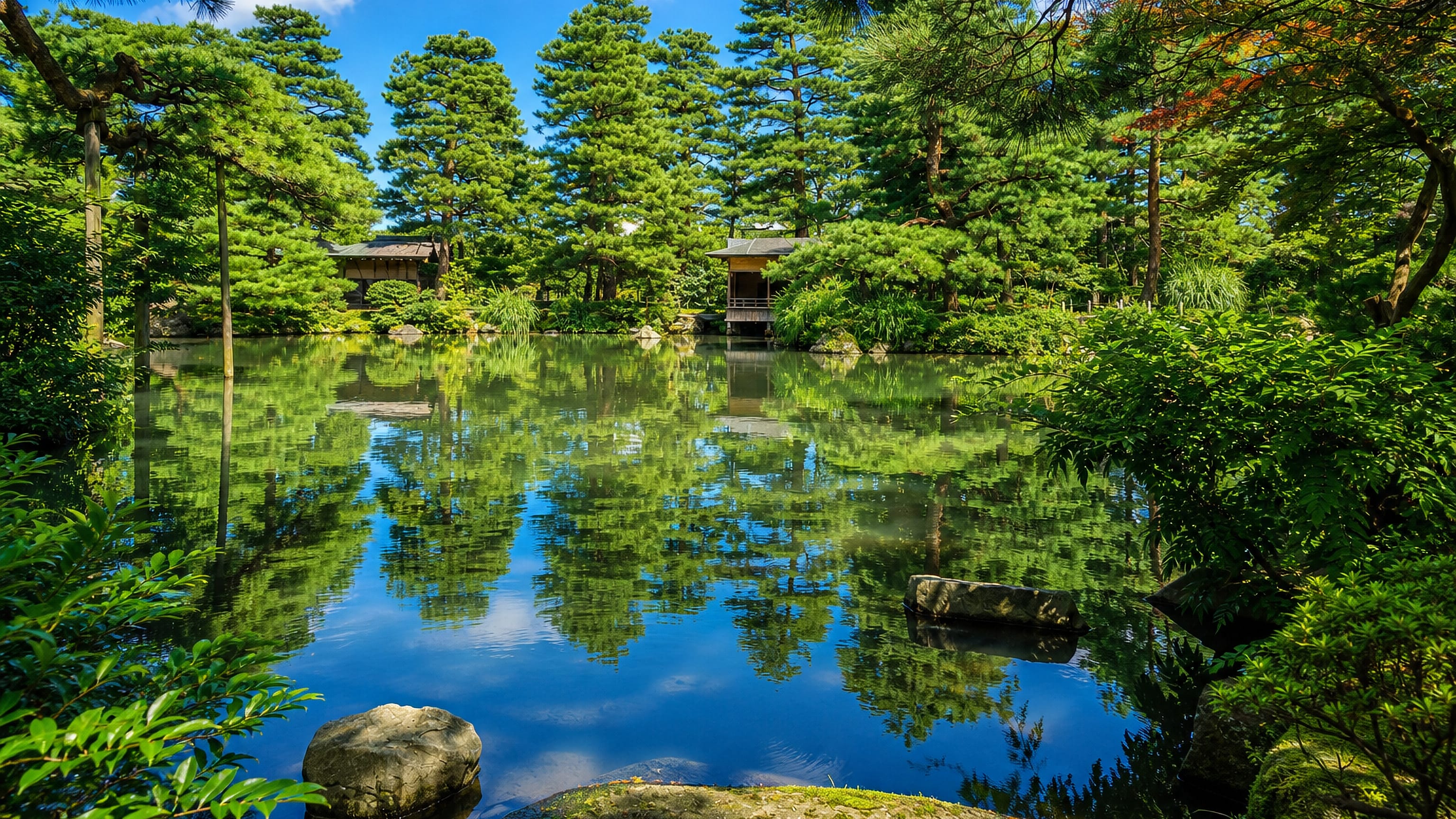
Shibata is a castle town in Niigata Prefecture, Japan, built around Shibata Castle with Shimizu-en among its older named sites.
Hotel links are affiliate links: booking through them may earn us a commission, at no extra cost to you. It never affects how places are ranked. How this works


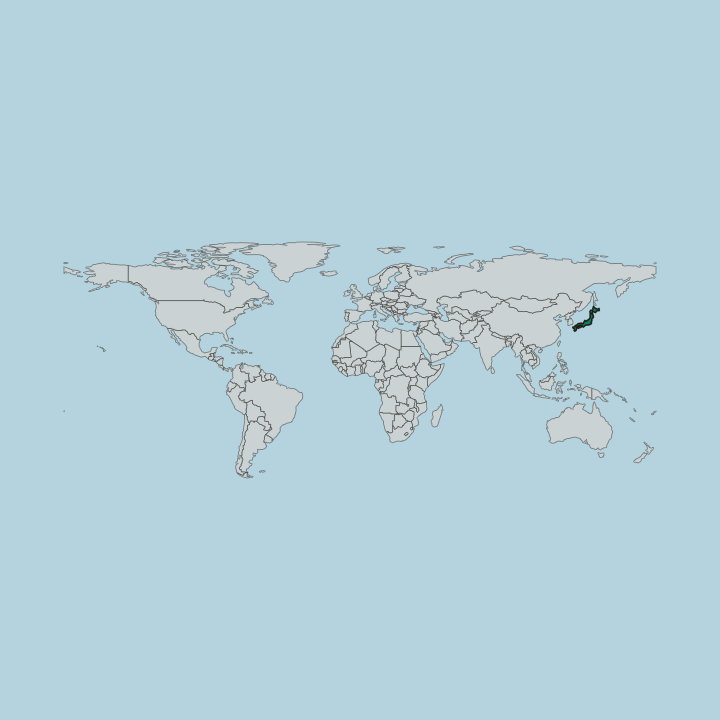
Where to stay in Shibata
How the choice of base plays out on the ground.
Shibata Castle decides the first choice. Rooms near the castle put Ashigaru Nagaya and Shirakabe Barracks within the same short circuit, so a single evening can take in the whole of the fortress quarter without a vehicle. Walking wins here.
That is the base most first visits want. Shimizu-en heads the second choice. A room reached from it suits travellers who put the quieter sites ahead of the walls, and it leaves Zōshunkaku, Sekisensō and Ijimino Ochaya as short additions rather than separate outings.
Fewer beds sit that way. Shibata covers more than five hundred square kilometres of Niigata Prefecture, and the outer parts of that are far enough from Shibata Town that a night there means a long return in the morning. The Kōji Fukiya Memorial Museum of Art is the third pull.
Anyone whose interest runs to the museum rather than the castle will find the walking distances change accordingly, and a base chosen for one rarely serves the other as well. One town, two centres. Both have long settled into their own ground, and neither has absorbed the other.
Find hotels in Shibata
Direct booking searches for these neighbourhoods.
The Shibata Castle quarter
The fortress ground itself, tight enough that no part of it calls for a vehicleFind hotels in The Shibata Castle quarterSlower stays led by Shimizu-en and ZōshunkakuThe Shimizu-en end
Quieter ground from which Sekisensō and Ijimino Ochaya become short additions. Beds are limited here, so book early.Find hotels in The Shimizu-en endVisits built on the Kōji Fukiya collection rather than on the castleAround the Kōji Fukiya Memorial Museum of Art
The single address on this list carrying a person's name instead of a fortress's. Rooms are few around here — worth securing early.Find hotels in Around the Kōji Fukiya Memorial Museum of ArtHotel links are affiliate links: booking through them may earn us a commission, at no extra cost to you. It never affects how places are ranked. How this works
About Shibata
The castle sets the terms.
What is Shibata known for?
Shibata Castle stands at the head of the local list, and Shirakabe Barracks carries the garrison side of the same story into the buildings that outlasted it. Shimizu-en follows on. Zōshunkaku, Sekisensō and Ijimino Ochaya belong with it in the quieter register, while the Kōji Fukiya Memorial Museum of Art carries the only name on the list that is a person's rather than a place's.
What are the main landmarks in Shibata?
Eight names make the register. Shibata Castle leads it, with Ashigaru Nagaya and Shirakabe Barracks attached to the same military ground and Zōshunkaku on the list beside them. Shimizu-en sits apart from those.
Sekisensō and Ijimino Ochaya close the older run, and the Kōji Fukiya Memorial Museum of Art is the modern entry, built around one named figure rather than around a building's own past.
What is the history of Shibata?
Shibata Castle came before the paperwork. The fortress fixed the shape of the settlement around it, and Ashigaru Nagaya survives on that same castle ground. Soldiers stayed on.
Shirakabe Barracks belongs to a later military layer that put the same ground to the same use, which is how a castle town keeps its character long after the castle stops mattering. Shibata was established in 1889. The municipal history proper starts there, well after the castle had done its work, and the older sites belong to the centuries the municipality inherited.
Names outlast administrations. Zōshunkaku, Sekisensō and Ijimino Ochaya carry that older register forward without needing the town's paperwork to explain them. Shimizu-en stands apart from the military names.
Nothing about it belongs to the garrison story, and its place on Shibata's list argues for a town that had more than a fortress to keep even while the fortress was still working. The museum came last. The Kōji Fukiya Memorial Museum of Art fixed one name to the town in a way no wall could, and it is the one entry on the list that owes nothing to the castle.
Where is Shibata?
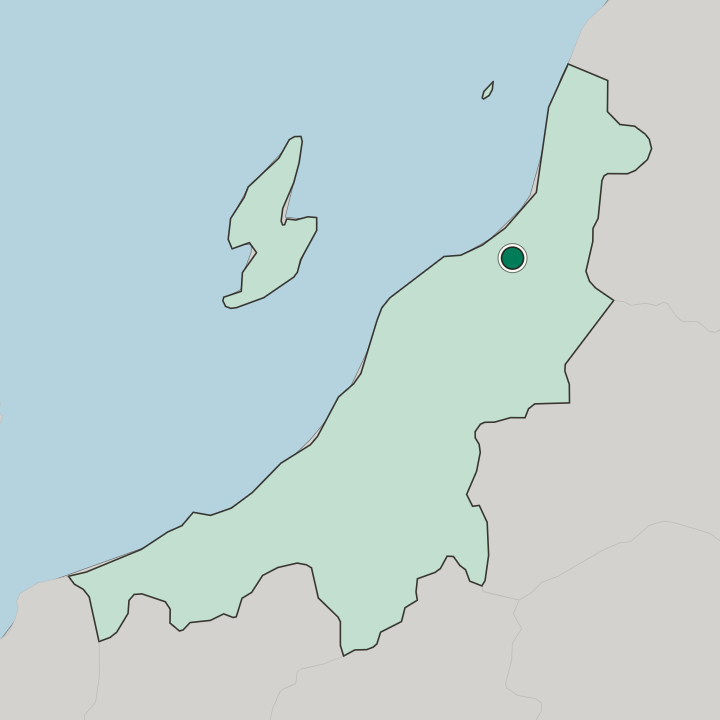
More than five hundred square kilometres answer to Shibata. The castle quarter takes up a small share of that, and the rest runs out across Niigata Prefecture in ground the list of eight names barely touches. Distances open up quickly.
Shibata Castle, Shimizu-en and the Kōji Fukiya Memorial Museum of Art make a single day's itinerary between them, while the outer municipality is another matter entirely.
What is the climate of Shibata?
Season decides which half of the list works. Shibata Castle, Ashigaru Nagaya and Shimizu-en are outdoor propositions, and a wet stretch of the temperate year strips most of the pleasure out of walking between them. Indoors is thinner here.
The Kōji Fukiya Memorial Museum of Art is the reliable wet-weather stop, which makes timing matter more in Shibata than in a town with a dozen roofed collections.
How do you get to Shibata?
The castle quarter is the arrival point that matters. Shibata Castle, Shirakabe Barracks and Ashigaru Nagaya belong together as one stop, which spares a visitor without a car any real difficulty. Everything else spreads out.
Reaching Shimizu-en, Sekisensō and the Kōji Fukiya Memorial Museum of Art in one afternoon depends on how much of five hundred square kilometres a traveller is willing to cross.
Common questions
What is the best area to stay in Shibata?
The Shibata Castle quarter: Evenings circling Shibata Castle, Ashigaru Nagaya and Shirakabe Barracks on foot. The Shimizu-en end: Slower stays led by Shimizu-en and Zōshunkaku. Around the Kōji Fukiya Memorial Museum of Art: Visits built on the Kōji Fukiya collection rather than on the castle.
More cities in Niigata-ken
Updated October 2026