Japan · Niigata-ken
Where to Stay in Niigata, Niigata-ken
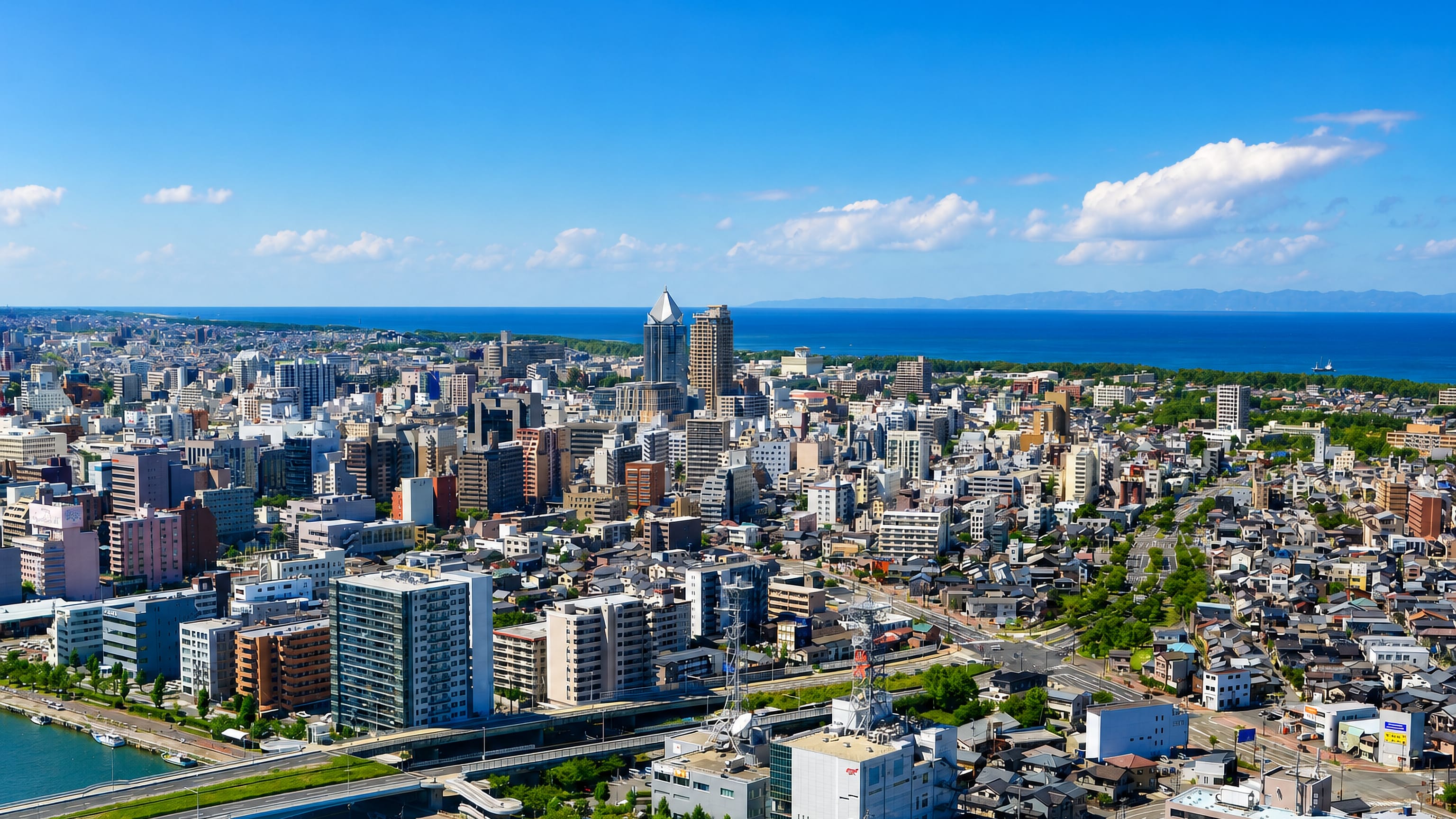
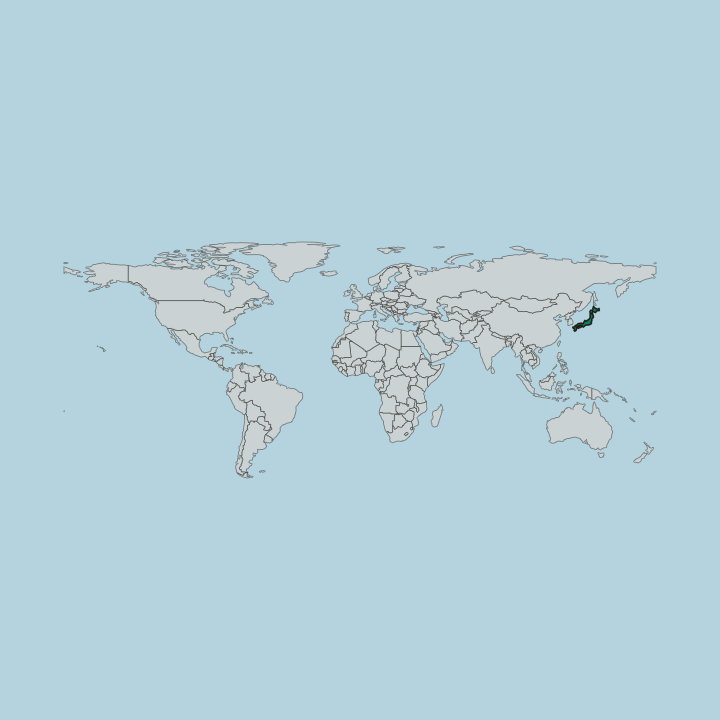
The Shinano River splits Niigata before it reaches the Sea of Japan, the largest city on the west coast of Honshu and capital of Niigata Prefecture.
Hotel links are affiliate links: booking through them may earn us a commission, at no extra cost to you. It never affects how places are ranked. How this works


Where to stay in Niigata
Each area has its own feel; here's who each one suits.

 NiigataJapan
Kamitokoro
Kamitokoro is a district of Niigata, listed as Kamitokoro, Chuo-ku, holding the Niigata Prefectural Government Memorial Hall.Where to stay →NiigataJapanYachiyo
Yachiyo is a district of Niigata, the Sea of Japan city whose Rainbow Tower at Bandai City stands within this quarter.Where to stay → NiigataJapan
Bandai
Bandai is a district of Chuo ward in Niigata built on ground filled during the Shinano river works, and now one of the two commercial centres of the city.Where to stay →Hotel links are affiliate links: booking through them may earn us a commission, at no extra cost to you. It never affects how places are ranked. How this works
Find hotels in Niigata
Direct booking searches for these neighbourhoods.
Bandai City
Arcades on the right bank between the station and the bridgeFind hotels in Bandai CityTeahouse lanes and quiet nights across the waterFurumachi
The pre-port town on the left bank of the ShinanoFind hotels in FurumachiFamilies at the aquarium and drivers bound for MurakamiThe coast road
Dunes and open water where the Sea of Japan startsFind hotels in The coast roadHotel links are affiliate links: booking through them may earn us a commission, at no extra cost to you. It never affects how places are ranked. How this works
Things to do in Niigata
Ranked by global recognition; descriptions from Wikidata (CC0).
Museums & Galleries
3- Niigata Prefectural Government Memorial Hall Heritage
- Niitsu House Heritage
- Niigata City Art Museum
Churches & Religious Sites
1- Christ the King Cathedral, Niigata
worth knowingacross 2 categories in Niigata
About Niigata
What is Niigata known for?
Niigata is known as the port at the mouth of the Shinano River, facing the Sea of Japan with Sado Island out on the horizon. Bandai Bridge holds the city together. The arcades and department stores of Bandai City fill the right bank while the older streets keep to the left, and the Niigata Prefectural Government Memorial Hall still stands from the years when this was one of the treaty ports.
Manga is the newer export. The Niigata City Manga House and the Niigata Manga Animation Museum trade on a run of artists the city produced.
What are the main landmarks in Niigata?
Niigata lines its landmarks along both banks of the Shinano River. Bandai Bridge is the first of them. Its arches carry the main road over the water between the two halves of the city, with the Niigata Bandaijima Art Museum standing on the seaward side and the brick of the Niigata Prefectural Government Memorial Hall further in.
Collections fill out the rest of the list. The Niigata City History Museum, the Niigata City Art Museum and the Niigata City Aquarium Marinepia Nihonkai spread from the old town out to the shore.
What is the history of Niigata?
Niigata grew at the mouth of the Shinano River, the longest river in the country. Boats made the town. Rice, timber and people moved down the water to the sea and out along the coast, and the settlement on the sandbanks became the busiest landing on this shore long before it held any formal standing.
The port was opened to foreign trade in 1869. Niigata was named one of the treaty ports, and the offices, consulates and western-style buildings that followed left their mark near the river, where the Niigata Prefectural Government Memorial Hall still stands from those decades. Furumachi entertained the traffic.
Its teahouse lanes ran on the trade the harbour brought in. Niigata was incorporated as a city in 1889 and later absorbed the towns around it across the plain of Niigata Prefecture. The river was tamed in stages.
A relief channel cut through to the sea took the worst of the floods off the delta, the drained land behind it became prime rice ground, and the modern centre grew up on both banks around Bandai Bridge. The old sandbanks are buried under all of it.
Where is Niigata?
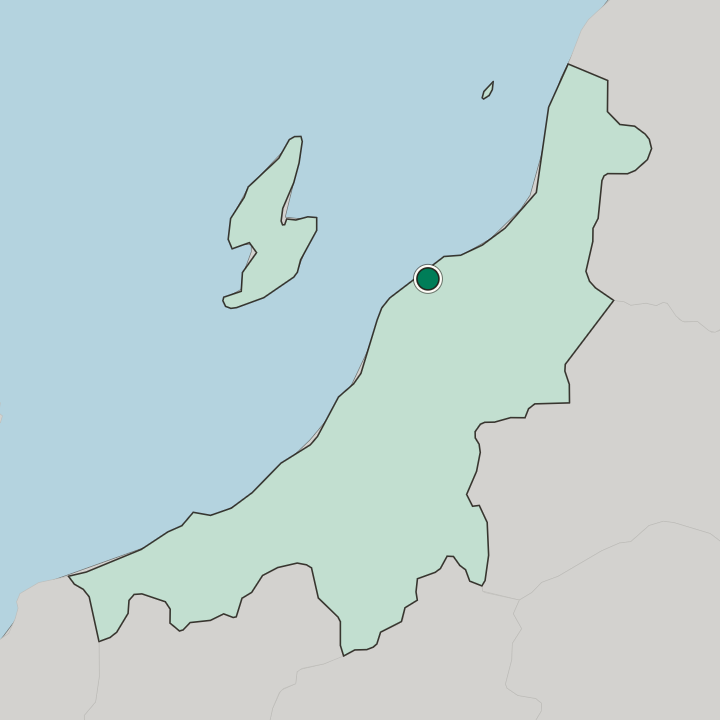
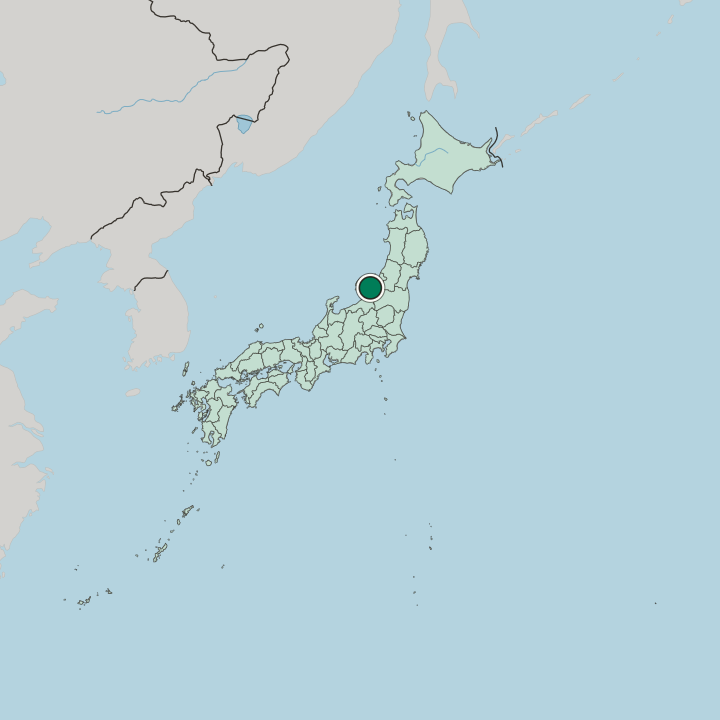
Niigata lies on the coast of Niigata Prefecture, in the Chūbu region of Japan, at the mouth of the Shinano River. The land is flat and wet. A wide alluvial plain runs inland behind the dunes, cut by channels and drained for rice, and the built-up city spreads across both banks of the river until it thins out toward Tsubame and Sanjō.
Sado Island lies offshore to the north west. Hills only begin well back from the coast.
What is the climate of Niigata?
Niigata takes the winter straight off the Sea of Japan. Wet snow is the result. Air crossing the water picks up moisture and dumps it on the coast and the mountains behind, so the cold months here run grey and heavy rather than bitter, and the city clears its streets more often than it freezes.
Summer flips it entirely. Heat and humidity settle over the rice plain, and the sea breeze that reaches Bandai Bridge is the only relief in the centre.
How do you get to Niigata?
Niigata is the northern end of the Shinkansen line that crosses the mountains from the Kantō plain. Trains come through the tunnels. The route runs under the snow country and drops onto the coastal plain at the city station, a short walk from Bandai City and the bridge, while ferries leave the harbour for Sado Island.
Local lines serve Tsubame, Sanjō and Shibata. An airport sits east of the river mouth.
Common questions
What is the best area to stay in Niigata?
Bandai City: Boat departures for Sado and early trains. Furumachi: Teahouse lanes and quiet nights across the water. The coast road: Families at the aquarium and drivers bound for Murakami.
Good for
More cities in Niigata-ken
Updated October 2026