Japan · Niigata-ken
Where to Stay in Sado, Niigata-ken
Sado is a city covering the whole of Sado Island in Niigata Prefecture, where the Sado Island Gold Mines shaped generations of island work.
Hotel links are affiliate links: booking through them may earn us a commission, at no extra cost to you. It never affects how places are ranked. How this works


Where to stay in Sado
Where the beds are, and what that means for the visit.
Aikawa and the Ogi Coast are the two real choices. The Cultural Landscape of the Mining and Mining Town in Aikawa puts a bed within reach of Sado Mine and the Tsurushi silver mine, which is the right base for anyone who came for the workings rather than the water. Mining ground first.
Rooms there sit among the buildings the industry left behind. The Ogi Coast side trades all of that for shoreline. Shukunegi belongs to the same coastal half of the list, and a night at that end suits travellers who want shoreline and settlement in one morning rather than a day underground.
Beds are fewer out there. Sado covers more than eight hundred square kilometres and comprises an entire island, so choosing wrongly costs a long drive rather than a short walk. Nishimikawa is the third option and the quietest.
Sado Nishimikawa Gold Park and the Landscape of the rural villages where gold mining originated in Nishimikawa sit at that end, and the Art and Natural History Museum of Sado gives a wet afternoon somewhere to go. That end stays quiet. Whichever base wins, Myōsen-ji Temple and Sado Kokubun-ji Temple are the stops most itineraries add between them.
Find hotels in Sado
Direct booking searches for these neighbourhoods.
Aikawa
The mining town's own streets, with the workings a short move from the doorFind hotels in AikawaShoreline mornings that take in ShukunegiThe Ogi Coast end
Coastal ground where the settlement and the sea come before any mine shaft. Lodging is scarce in this area; reserve in advance.Find hotels in The Ogi Coast endQuiet nights beside Sado Nishimikawa Gold ParkNishimikawa
The rural gold-washing valleys, thin on rooms and well clear of the Aikawa traffic. Rooms are few around here — worth securing early.Find hotels in NishimikawaHotel links are affiliate links: booking through them may earn us a commission, at no extra cost to you. It never affects how places are ranked. How this works
Things to do in Sado
Ranked by global recognition; descriptions from Wikidata (CC0).
Museums & Galleries
3- Art and Natural History Museum of Sado
- Sado Hangamura Art Museum
- Ōtaki Gakusha
Castles & Historic Sites
2- Shimokō Site Heritage
- Chōjagadaira Site Heritage
Parks & Gardens
1- Sado Nishimikawa Gold Park
worth knowingacross 3 categories in Sado
About Sado
Gold did the shaping.
What is Sado known for?
Sado Mine and the Aikawa mine drew the island's working life around them for generations, and the Sado Island Gold Mines are the reason most arrivals know the name at all. The coasts answer from the other side. Ogi Coast and Sotokaifu Coast carry the shoreline half of the reputation, and Shukunegi belongs to the same stretch of named ground.
What are the main landmarks in Sado?
Mines dominate the register. Sado Mine and the Aikawa mine head it, the Tsurushi silver mine and the Nishimikawa Placer Gold Mine extend it, and the Sado Island Gold Mines gather that whole industry under a single name. Temples supply the counterweight.
Myōsen-ji Temple and Sado Kokubun-ji Temple are the best known of them, while Rengebu-ji Temple and Shōbō-ji Temple sit further out, and Ōtaki Gakusha reaches back to a different kind of building altogether.
What is the history of Sado?
The Shimokō Site and the Chōjagadaira Site come first. Both predate every shaft and every hall on the list, and they establish that Sado Island held settled life long before gold gave it a name beyond Niigata Prefecture. Temples followed.
Sado Kokubun-ji Temple and Seson-ji Temple belong to that religious layer, spread across the island rather than gathered into a single quarter. Gold changed the terms. Sado Mine and the Aikawa mine put an industry at the centre of island life, and the Cultural Landscape of the Mining and Mining Town in Aikawa records what that did to one settlement.
Other valleys worked too. The Tsurushi silver mine and the Nishimikawa Placer Gold Mine belong to that spread, and the Landscape of the rural villages where gold mining originated in Nishimikawa keeps the earliest end of it. The city itself is recent.
Sado became a single municipality in 2004, when the whole of Sado Island came under one name, and the administrative map finally matched the shape of the coastline. One island, one city. Ōtaki Gakusha and the Art and Natural History Museum of Sado hold the record of what came before that merger.
Where is Sado?
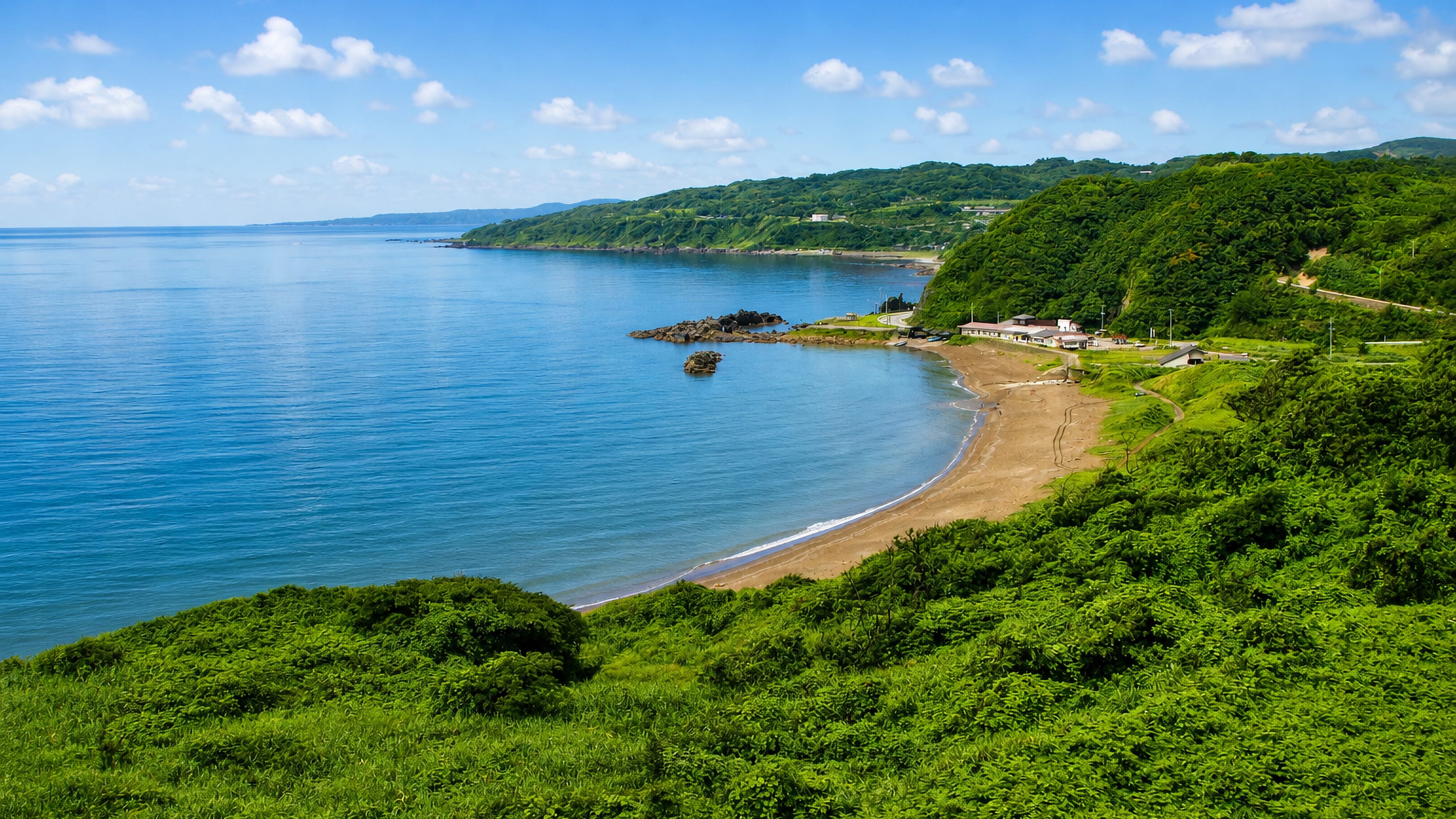
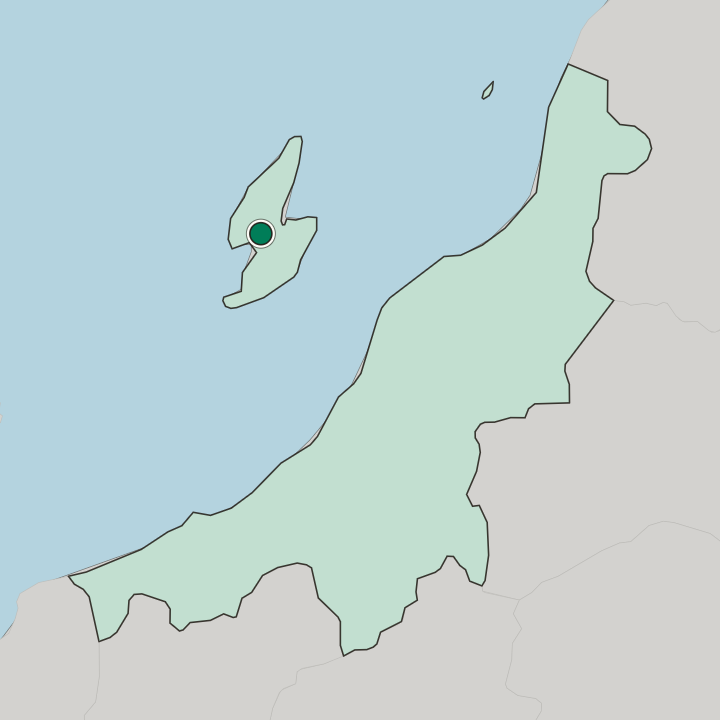
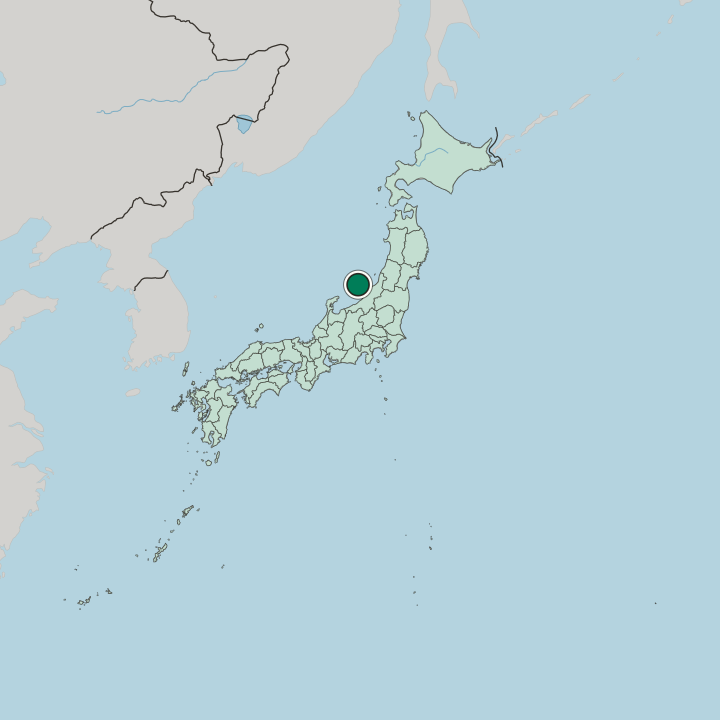
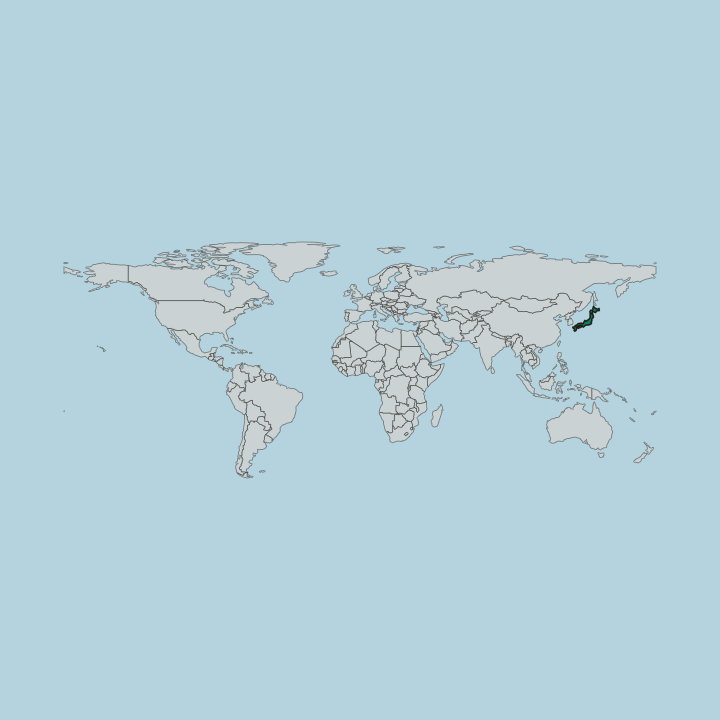
Sado is an island city and nothing else. The municipality covers more than eight hundred square kilometres and takes in the whole of Sado Island, which ranks sixth in area among Japan's islands behind the four main ones and Okinawa Island. Two coasts carry names.
Ogi Coast and Sotokaifu Coast are those two, and Aikawa and Nishimikawa carry the mining half of the island's map.
What is the climate of Sado?
The sea works on both coasts at once. Sotokaifu Coast and Ogi Coast take the weather before anywhere inland does, and a rough spell there rearranges a day faster than the mild temperate averages would lead anyone to expect. Underground is weatherproof.
Sado Mine and the Art and Natural History Museum of Sado carry a wet afternoon, which matters on ground where the shoreline supplies much of the reason to visit.
How do you get to Sado?
Distance is the problem, not access. More than eight hundred square kilometres of Sado Island lie between Aikawa at one end of the list and Ogi Coast at the other, and no visit fits both plus Nishimikawa into a single unhurried day. A car earns its keep.
Sado Mine, Shukunegi and the Sado Nishimikawa Gold Park each belong to a different part of the island, so the order they are taken in decides how much of the day goes to moving.
Common questions
What is the best area to stay in Sado?
Aikawa: Days given over to Sado Mine and the Tsurushi silver mine. The Ogi Coast end: Shoreline mornings that take in Shukunegi. Nishimikawa: Quiet nights beside Sado Nishimikawa Gold Park.
Good for
More cities in Niigata-ken
Updated October 2026