Japan · Shizuoka
Where to Stay in Fujieda, Shizuoka
Fujieda, a Shizuoka Prefecture city, keeps the Shida Gunga ruins of a provincial district office, the Nyakuōji Kofun Cluster and the Sengan Embankment.
Hotel links are affiliate links: booking through them may earn us a commission, at no extra cost to you. It never affects how places are ranked. How this works


Where to stay in Fujieda
Where visitors usually base themselves, and why.
Rooms cluster near the station. Most of what a visitor to Fujieda actually wants sits within a short ride of that built-up strip, and the Fujieda City Provincial Museum and Literary Museum is the stop that anchors a first day for anyone who has come for the archaeology. Shida is the other pull.
Beds out toward the Shida Gunga ruins are thin on the ground, but they suit a traveller who would rather wake beside the excavated compound than in the commercial middle of the city. Sengan Embankment sets a slower option. The Seto Colored Rice Folk Museum stands on that agricultural ground with the Nyakuōji Kofun Cluster reachable from the same base, and a stay pointed there suits anyone treating Fujieda as farmland with monuments in it rather than as a stop between larger stations. Yaizu takes the overflow.
The Yaizu Sportsground marks the neighbouring town where a fuller stock of rooms sits, and the prefectural capital Shizuoka, which absorbed neighbouring Shimizu in 2005, holds far more again for a traveller who wants choice. Fujieda repays a short stay. Everything named here belongs to one compact municipality of the Chubu region, so a single base works whichever of the three sides of the city you pick, and the moves between them are measured in minutes rather than hours.
Find hotels in Fujieda
Direct booking searches for these neighbourhoods.
Fujieda station strip
The commercial middle of Fujieda, where the provincial and literary collections and the ordinary shops sit close together.Find hotels in Fujieda station stripwaking beside the excavated compound of the Shida Gunga ruinsShida
The quieter Shida side of Fujieda, where the district-office excavation rather than the shops sets what a morning looks like. Beds are limited here, so book early.Find hotels in Shidafarmland stays reaching the Seto Colored Rice Folk Museum and the Nyakuōji Kofun ClusterSengan Embankment
The worked agricultural ground behind Sengan Embankment, where the coloured-rice collection and the burial mounds share one flat approach. Rooms are few around here — worth securing early.Find hotels in Sengan Embankmenta deeper stock of rooms near the Yaizu SportsgroundYaizu
The neighbouring town whose sportsground and larger lodging supply cover the nights Fujieda itself cannot.Find hotels in YaizuHotel links are affiliate links: booking through them may earn us a commission, at no extra cost to you. It never affects how places are ranked. How this works
About Fujieda
What is Fujieda known for?
Administration left the deepest mark on Fujieda, because the Shida Gunga ruins preserve the seat of a district office from the era when provincial government was run out of timber compounds rather than towns. Older ground lies close by. The Nyakuōji Kofun Cluster gathers burial mounds within the same municipality, while the Fujieda City Provincial Museum and Literary Museum reads both that archaeology and the writers the place produced.
Farming supplies the third strand. Sengan Embankment and its Seto Colored Rice Folk Museum keep the water-management side of the story.
What are the main landmarks in Fujieda?
Excavation gives Fujieda its headline sites, and the Shida Gunga ruins are the clearest of them, an administrative compound read from post-holes and foundation stones rather than from standing walls. Mounds follow. The Nyakuōji Kofun Cluster covers the burial end of the same long record, and the Fujieda City Provincial Museum and Literary Museum sets both against the writing produced later.
Two more stops round it off. Sengan Embankment carries the Seto Colored Rice Folk Museum, and the Yaizu Sportsground serves the neighbouring town.
What is the history of Fujieda?
Burial came first. The Nyakuōji Kofun Cluster belongs to the mound-building centuries, when local authority was expressed by earth and grave goods instead of by written office, and the ground it occupies stayed in use long after that practice ended. Government followed.
Shida Gunga ruins mark the compound from which a district of the old province was administered, and the name Shida still attaches to the part of Fujieda where the excavation lies. Water management shaped the flat land. Sengan Embankment was raised to hold and direct it, and the Seto Colored Rice Folk Museum beside it keeps the varieties and tools that the reclaimed fields produced.
The modern city is young. Fujieda was constituted in 1954, drawing together settlements that had grown along the road through Shida, and the Fujieda City Provincial Museum and Literary Museum was later given the double task of presenting the excavated record and the authors who worked here. Membership of the World Health Organization's Alliance for Healthy Cities marks a more recent chapter, one that places Fujieda alongside the prefectural capital Shizuoka and the neighbouring town of Yaizu in a network built around public health rather than heritage.
Where is Fujieda?
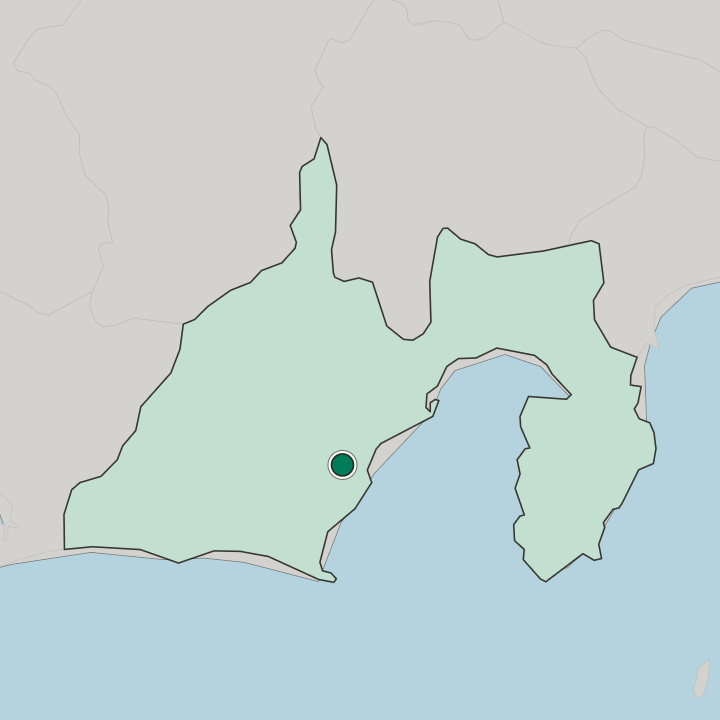
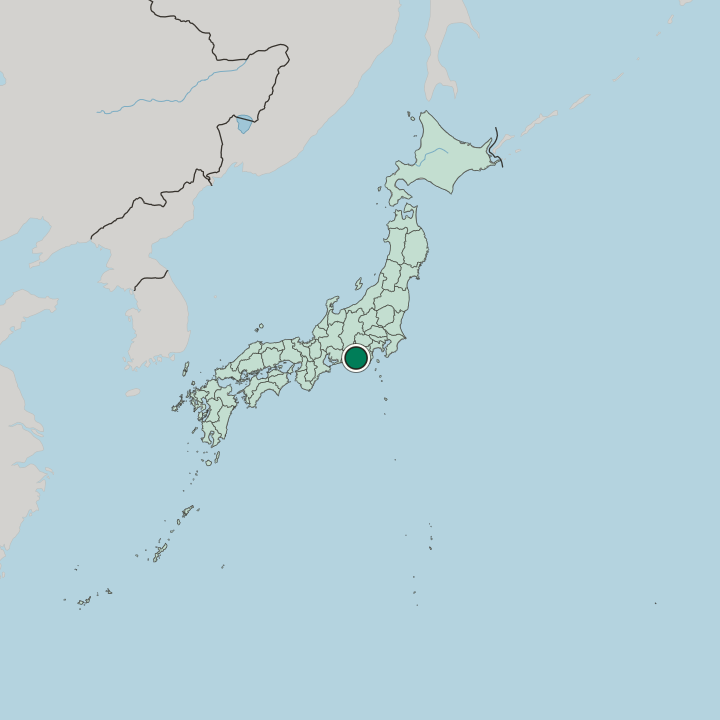
Flat worked land dominates. Fujieda occupies part of the settled lowland of Shizuoka Prefecture within the Chubu region, ground level enough that Sengan Embankment had to be built to manage the water crossing it. Slopes edge the town.
The Nyakuōji Kofun Cluster and the Shida Gunga ruins sit on that firmer margin, above the fields but well short of anything that would count as upland, and Yaizu lies close enough to fold into the same day.
What is the climate of Fujieda?
The subtropical band sets the terms across Shizuoka Prefecture, so Fujieda gets long humid summers, a wet middle to the year and winters too short to interrupt much of anything on the ground. Rain is the planning problem. Sengan Embankment exists because that water has to be handled, and the fields behind it were laid out with the same season in mind.
Indoors is easy enough. The Fujieda City Provincial Museum and Literary Museum and the Seto Colored Rice Folk Museum take a soaked afternoon without complaint.
How do you get to Fujieda?
Shizuoka is the way in. The prefectural capital, which took in neighbouring Shimizu in 2005, carries the long-distance services that a visitor to Fujieda transfers out of, and the run down the Chubu corridor from there is a short one. Yaizu is the next town along.
Between it and Fujieda the Yaizu Sportsground, the Shida Gunga ruins and Sengan Embankment sit close enough that a hired car covers all three in a morning.
Common questions
What is the best area to stay in Fujieda?
Fujieda station strip: first nights within a short ride of the Fujieda City Provincial Museum and Literary Museum. Shida: waking beside the excavated compound of the Shida Gunga ruins. Sengan Embankment: farmland stays reaching the Seto Colored Rice Folk Museum and the Nyakuōji Kofun Cluster. Yaizu: a deeper stock of rooms near the Yaizu Sportsground.
More cities in Shizuoka
Updated September 2026