Japan · Shizuoka
Where to Stay in Itō, Shizuoka
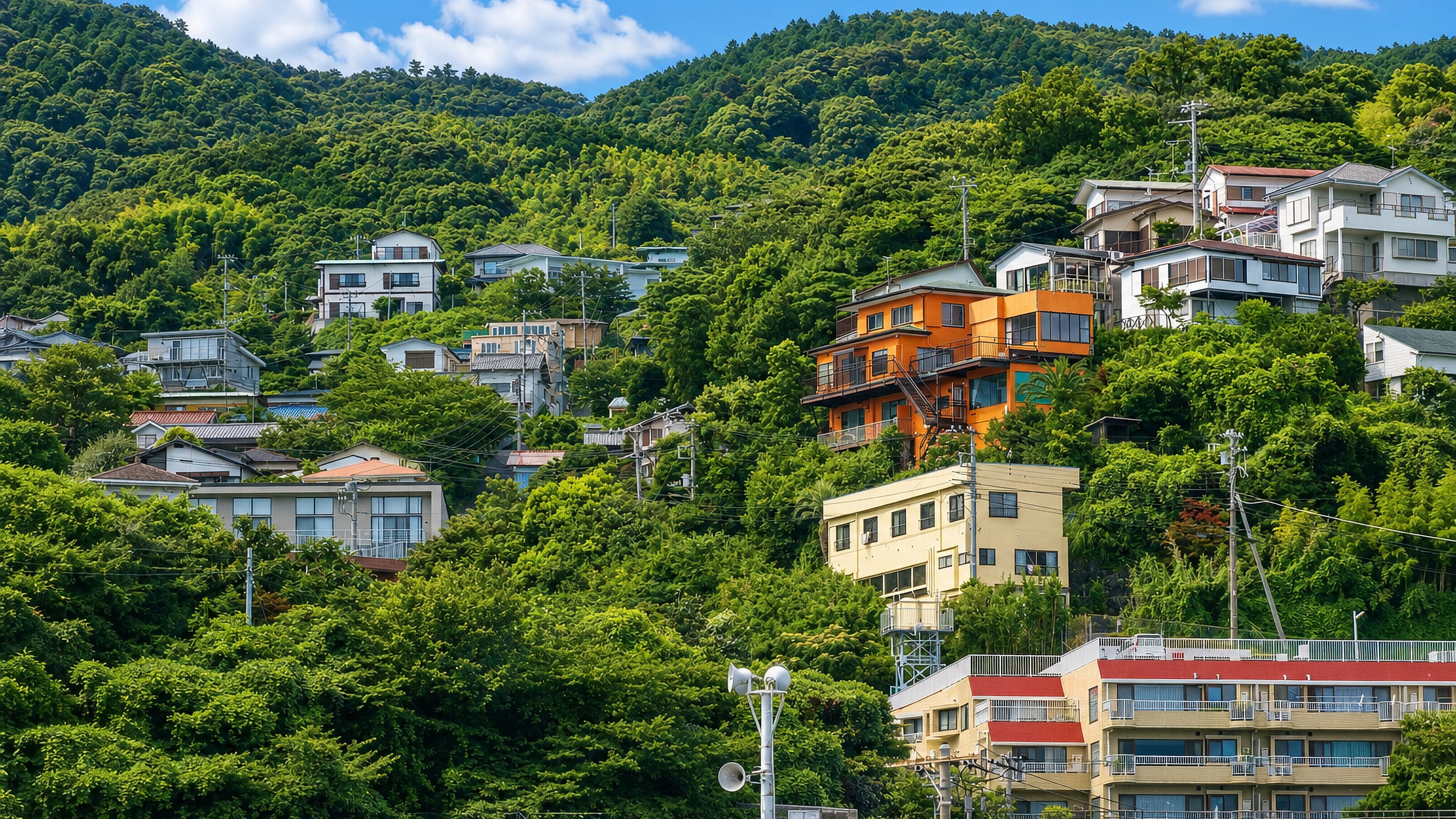
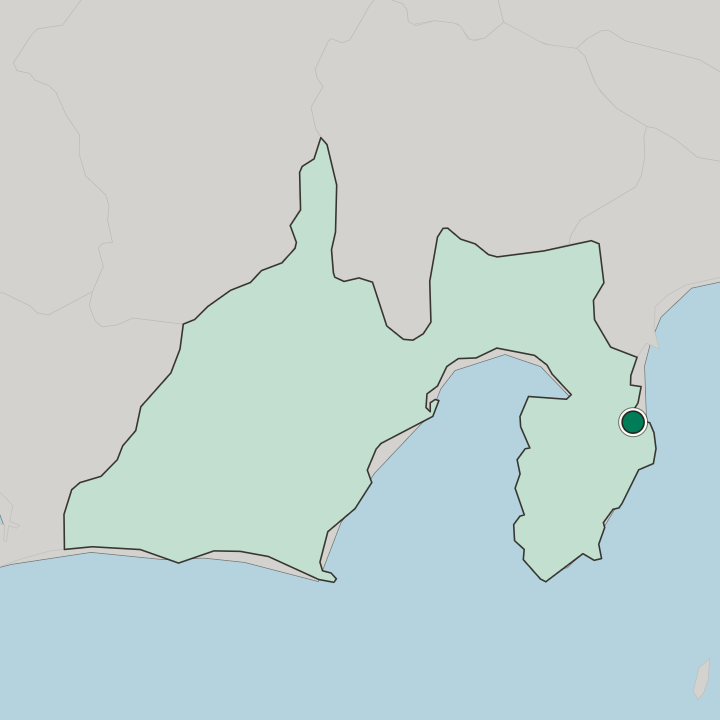
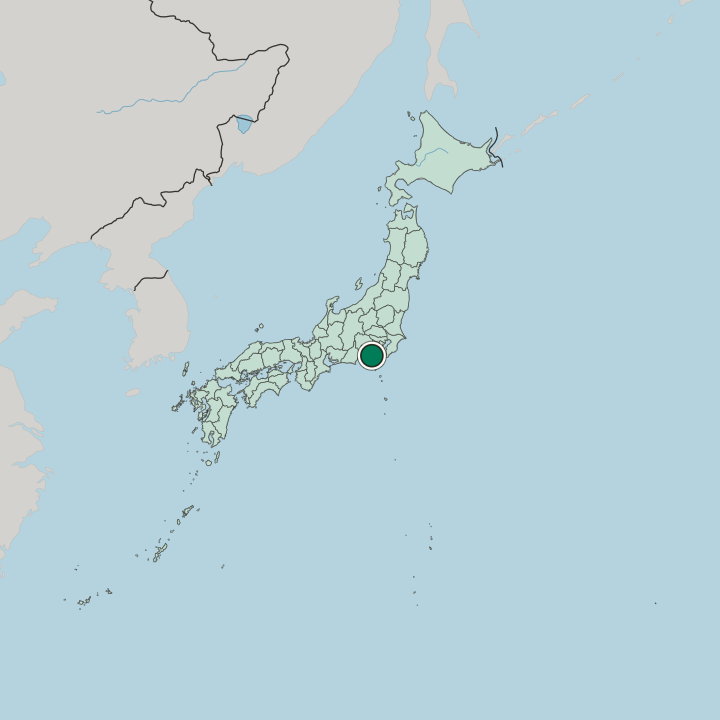
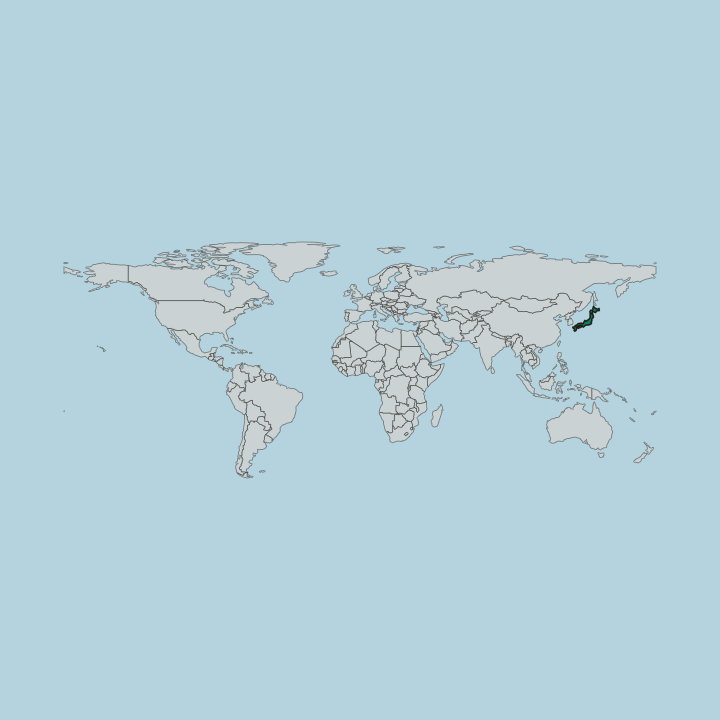
Itō, whose name reads as East Izu, lies on the eastern shore of the Izu Peninsula beneath Mount Ōmuro, in Shizuoka Prefecture.
Hotel links are affiliate links: booking through them may earn us a commission, at no extra cost to you. It never affects how places are ranked. How this works


Where to stay in Itō
The practical side of choosing where to sleep.
The shore takes most visitors. Rooms along Itō's eastern seafront put the water on one side and the Stone Quarries for Edo Castle within a short run along the coast, which suits anyone whose days are meant to be spent outdoors rather than working through collections. Mount Ōmuro is the alternative.
Beds on the slopes below the mountain sit among the museum cluster, so the Izu Music Box Museum, The Cat Museum and the Nosaka Automata Museum become a matter of stepping outside rather than of arranging transport. Art sets a third pattern. The Ikeda Museum of 20th Century Art holds the most substantial collection in Itō, and a base near it makes sense for a visitor who wants one serious morning indoors and the Izu Peninsula coast for the rest.
Oddity has its own following. Maboroshi Hakurankai, the Ayashii Shōnen Shōjo Museum and Ryū no Toride are the stops that reward a traveller with an appetite for the strange, and they are scattered widely enough that a car earns its keep. Nothing here sits far from anything else.
Itō is not large, and a single base anywhere between the seafront and Mount Ōmuro reaches everything named here inside a day, which is why the choice turns on the view you want from the window.
Find hotels in Itō
Direct booking searches for these neighbourhoods.
Itō seafront
The waterfront strip of Itō, where the coast that supplied Edo Castle its building stone runs immediately below the rooms.Find hotels in Itō seafrontwalking out to the Izu Music Box Museum and The Cat Museum on footMount Ōmuro slopes
The ground under Mount Ōmuro, where the small-museum cluster of Itō is packed tightest.Find hotels in Mount Ōmuro slopesone serious morning inside the Ikeda Museum of 20th Century ArtIkeda Museum quarter
The quieter inland side of Itō built around the town's largest art collection, with the Nosaka Automata Museum close by. Few places to stay nearby — book ahead.Find hotels in Ikeda Museum quarterHotel links are affiliate links: booking through them may earn us a commission, at no extra cost to you. It never affects how places are ranked. How this works
Things to do in Itō
Ranked by global recognition; descriptions from Wikidata (CC0).
Museums & Galleries
3- The Cat Museum
- Ikeda Museum of 20th Century Art
- Nosaka Automata Museum
Nature & Outdoors
1- Mount Ōmuro Heritage
Parks & Gardens
2- Maboroshi Hakurankai
- Ayashii Shōnen Shōjo Museum
Landmarks & Notable Places
1- Ryū no Toride
worth knowingacross 4 categories in Itō
About Itō
What is Itō known for?
Small museums are the local speciality, and Itō carries an improbable number of them for a coastal town of its size: the Ikeda Museum of 20th Century Art, the Nosaka Automata Museum, the Izu Music Box Museum and The Cat Museum all sit within one municipality. Mount Ōmuro rises behind. That mountain is the landform the town is read against, and the Stone Quarries for Edo Castle mark the shore where building stone was cut and shipped away.
What are the main landmarks in Itō?
Mount Ōmuro comes first, the mountain that dominates the ground behind Itō and gives this part of the eastern Izu Peninsula its outline. The shore answers it. Stone Quarries for Edo Castle preserve the cuttings where blocks were taken for a fortress far from here.
Collections do the rest. The Ikeda Museum of 20th Century Art, the Izu Music Box Museum, the Nosaka Automata Museum, The Cat Museum, the Ayashii Shōnen Shōjo Museum and Maboroshi Hakurankai run from serious painting to outright curiosity, with Ryū no Toride added to the same list.
What is the history of Itō?
Stone links Itō to a distant capital. The Stone Quarries for Edo Castle record the years when this stretch of the Izu Peninsula coast was worked for building blocks, loaded onto ships and sent away to raise a fortress that the quarrymen themselves would never see. The rock was close to hand.
Mount Ōmuro stands over the same ground, and the workings lay where a ship could be loaded straight from the cutting. The city itself is recent. Itō was constituted in 1947, a status that recognised a shoreline settlement rather than an inland administrative seat, and the name it carries reads simply as East Izu.
Collections arrived afterwards. The Ikeda Museum of 20th Century Art brought serious painting to a town that had none, and the Izu Music Box Museum, the Nosaka Automata Museum and The Cat Museum followed as visitors began coming for the coast of Shizuoka Prefecture in numbers. Curiosity became an industry of its own.
Maboroshi Hakurankai, the Ayashii Shōnen Shōjo Museum and Ryū no Toride belong to that later wave, and together they explain why a small place on the eastern shore ended up with a museum list longer than its street plan would suggest.
Where is Itō?
Water on one side, volcano on the other. Itō occupies a narrow strip on the eastern shore of the Izu Peninsula, with the ground climbing almost immediately inland toward Mount Ōmuro, so the town is long rather than deep. The quarried coast shows the rock.
Stone Quarries for Edo Castle cut into the same material that the peninsula is built from, and the rest of Shizuoka Prefecture lies beyond the neck of the Izu Peninsula.
What is the climate of Itō?
The sea does the moderating at Itō, keeping this subtropical stretch of the Izu Peninsula warmer in winter and less brutal in summer than ground the same distance inland would be. Mount Ōmuro shelters the town behind. Rain arrives in bulk.
When it does, the Ikeda Museum of 20th Century Art and the Nosaka Automata Museum are the reliable indoor hours, while the mountain and the quarried shore want a clear day.
How do you get to Itō?
Approach follows the coast. Itō is reached along the eastern shore of the Izu Peninsula rather than across it, since the high ground around Mount Ōmuro makes the direct inland route the slower one for anyone coming from the rest of Shizuoka Prefecture. Wheels help on arrival.
The Izu Music Box Museum, The Cat Museum and Ryū no Toride are spread across the slopes, and the Stone Quarries for Edo Castle sit down at the water.
Common questions
What is the best area to stay in Itō?
Itō seafront: waking on the eastern Izu shore near the Stone Quarries for Edo Castle. Mount Ōmuro slopes: walking out to the Izu Music Box Museum and The Cat Museum on foot. Ikeda Museum quarter: one serious morning inside the Ikeda Museum of 20th Century Art.
Good for
More cities in Shizuoka
Updated September 2026