
Japan
Shizuoka, Japan — Towns & Travel Guide
Shizuoka is the Pacific-coast prefecture that carries Mount Fuji's southern slopes, on the historic Tōkaidō route between Tokyo and Kyoto.
Hotel links are affiliate links: booking through them may earn us a commission, at no extra cost to you. It never affects how places are ranked. How this works


Towns & cities in Shizuoka
Pick a town or city — each links to where to stay.

 Japan
Japan
Shizuoka
The old Sumpu castle ground still sets the grid of central Shizuoka, capital of Shizuoka Prefecture in the Chubu region, known for the Toro site.Where to stay →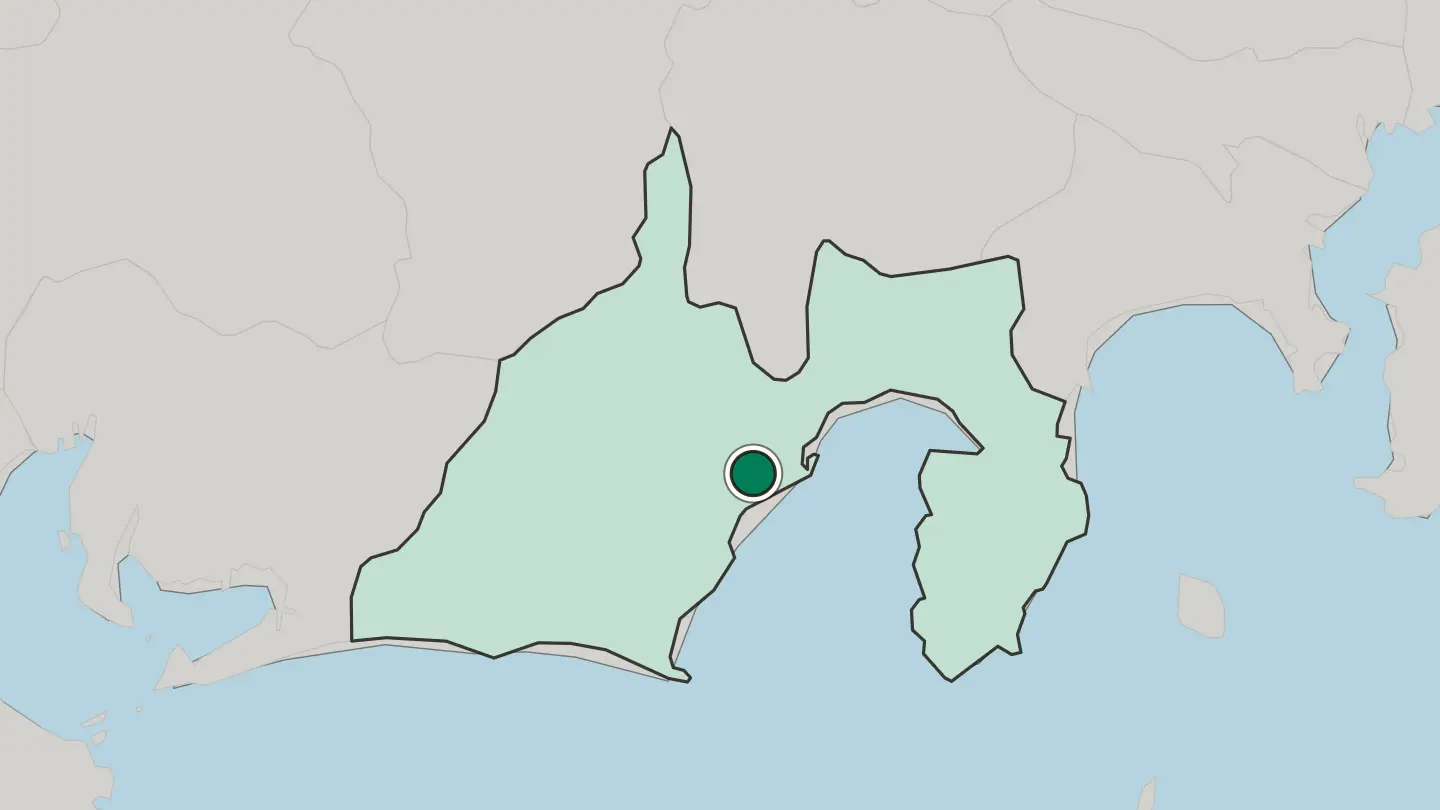
 Japan
Japan
Fuji
Fuji is the third largest city of Shizuoka Prefecture, keeping Sengen Kofun, the Kiya Edo Museum and a museum devoted to Princess Kaguya.Where to stay →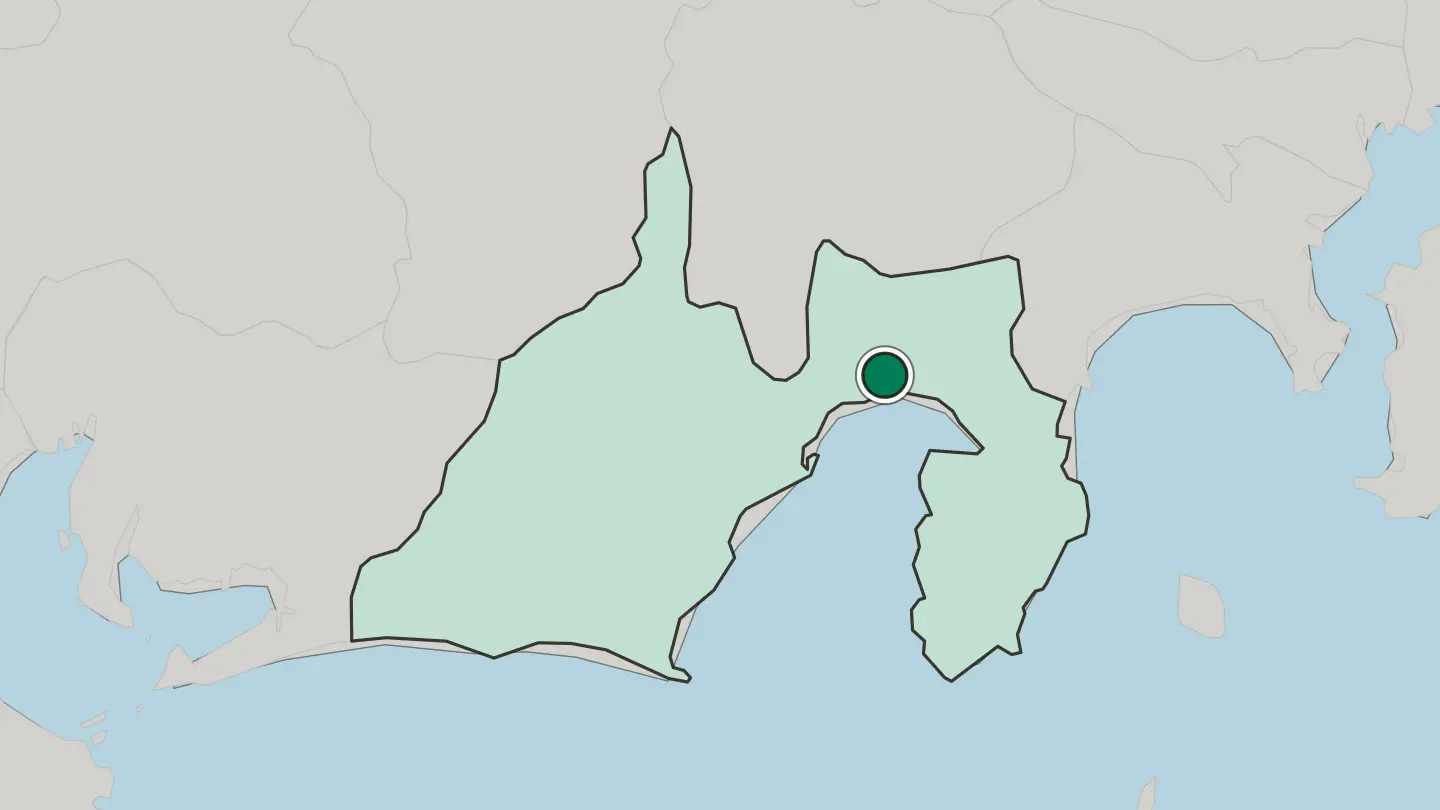
 Japan
Japan
Numazu
The Numazu Deep Sea Aquarium and View-O anchor Numazu, a city of eastern Shizuoka Prefecture in Japan.Where to stay →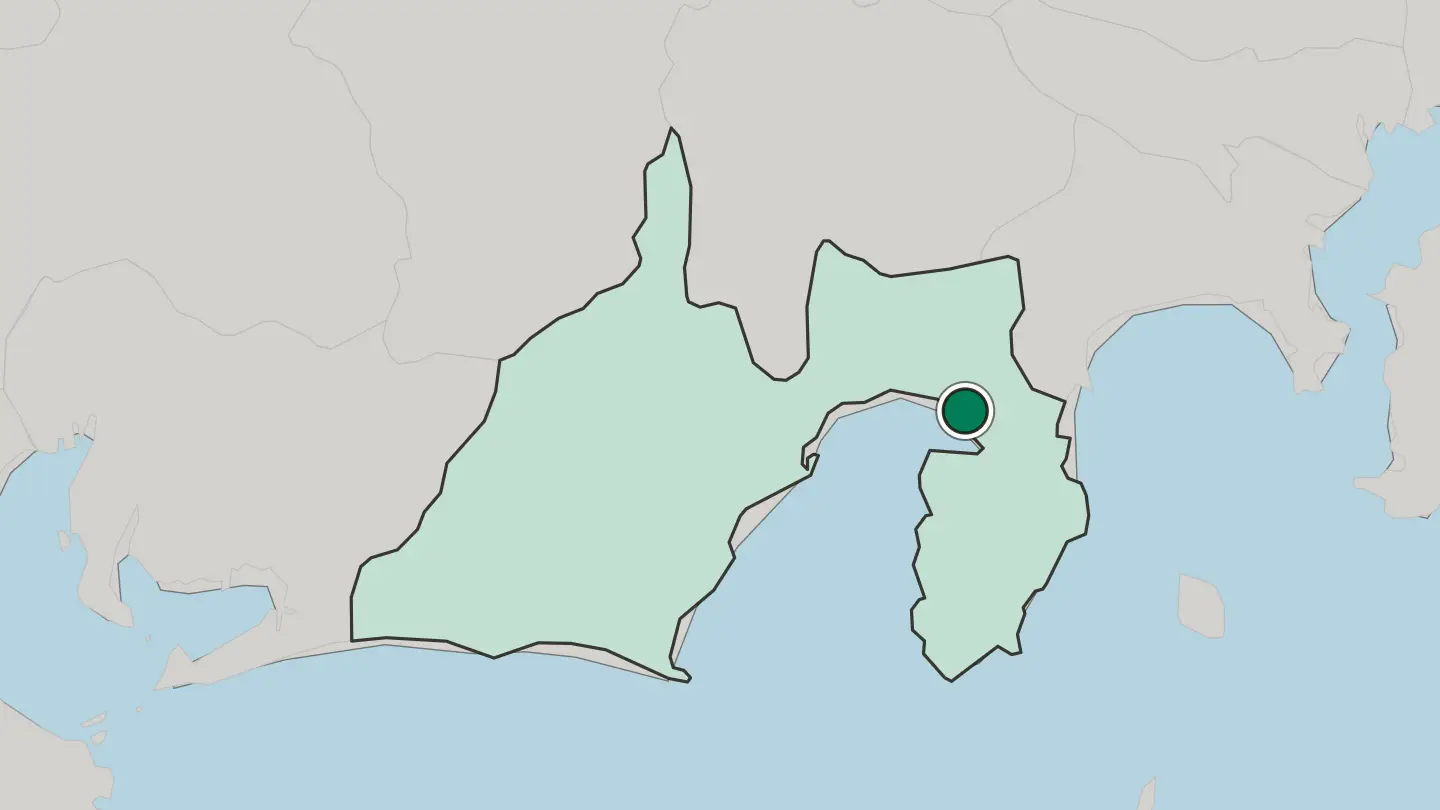 Japan
Japan
Iwata
Iwata is a Shizuoka Prefecture city built around Yamaha Motor Corporation, the football club Júbilo Iwata and a landscape of kofun burial mounds.Where to stay →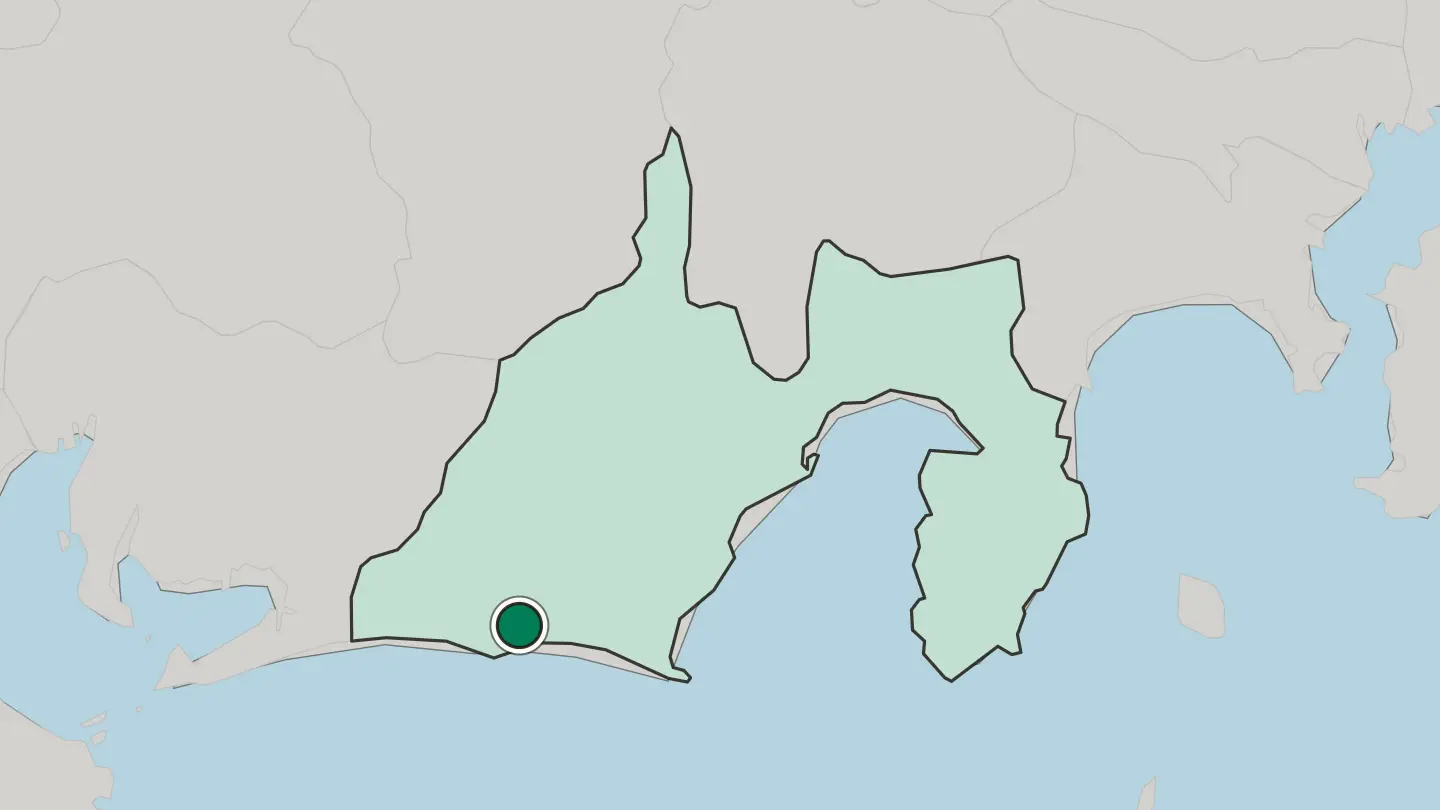 Japan
Japan
Fujieda
Fujieda, a Shizuoka Prefecture city, keeps the Shida Gunga ruins of a provincial district office, the Nyakuōji Kofun Cluster and the Sengan Embankment.Where to stay →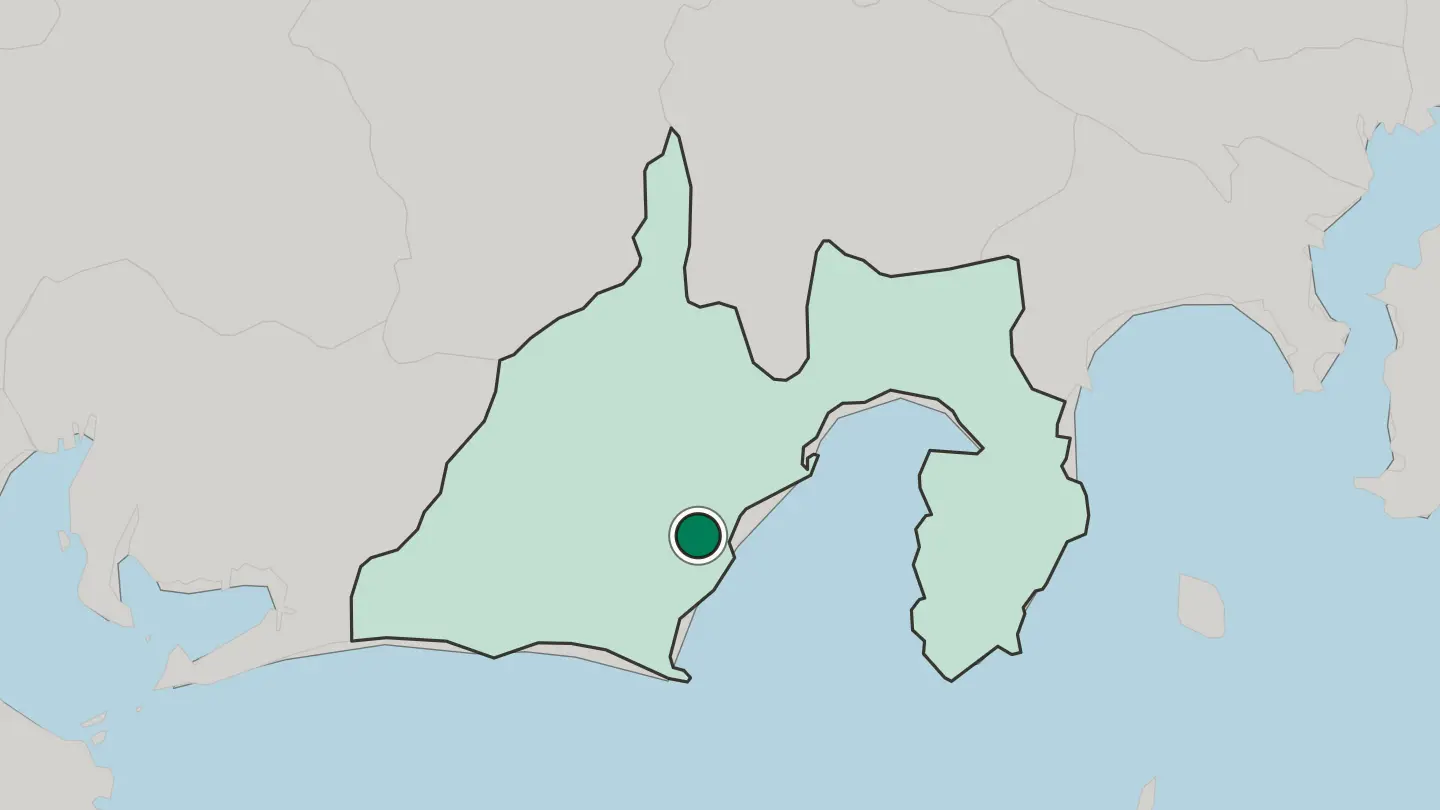 Japan
Japan
Yaizu
Yaizu is a commercial fishing port in Shizuoka Prefecture, Japan, with the Yaizu Fishery Museum and a memorial museum to Lafcadio Hearn.Where to stay →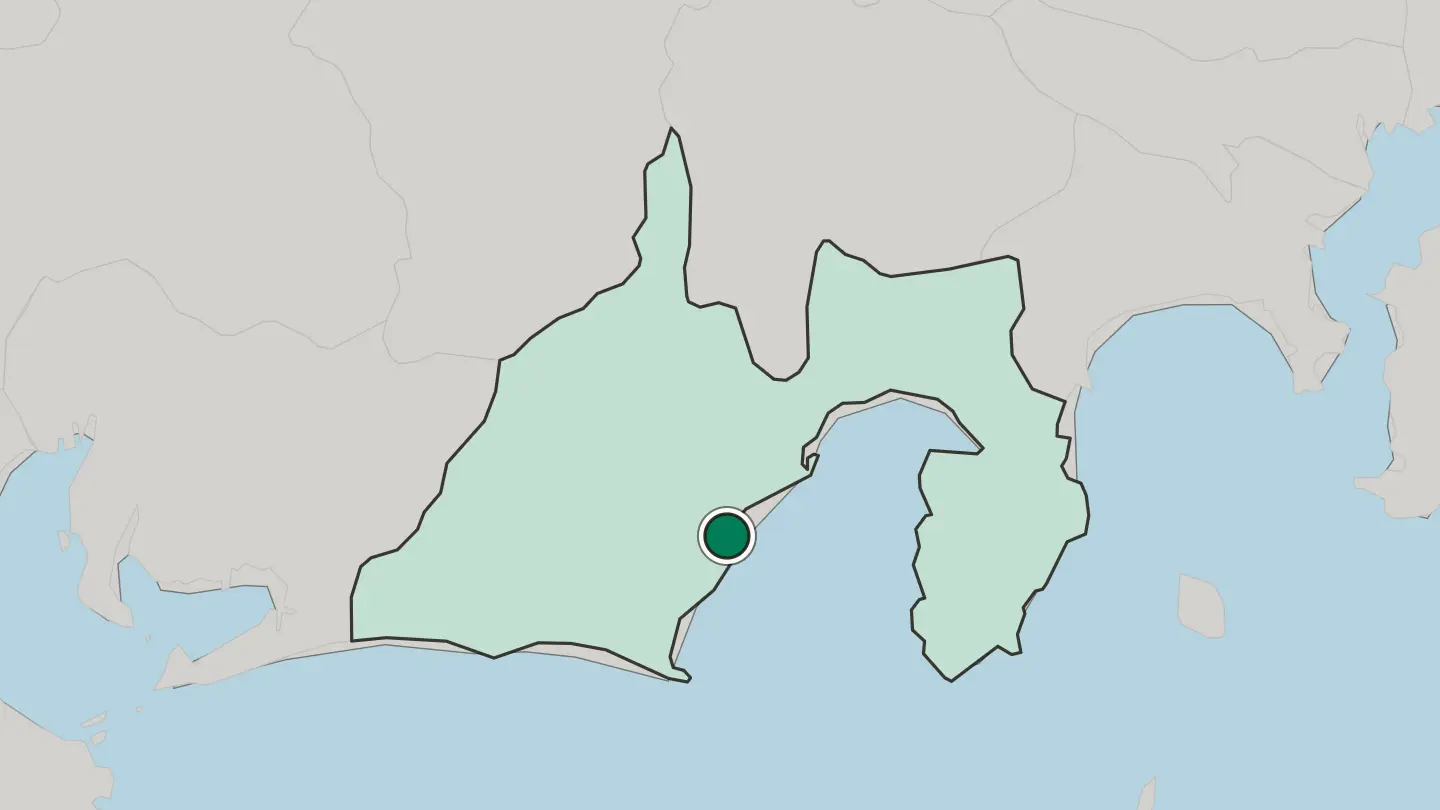
 Japan
Japan
Fujinomiya
Fujinomiya is a town at the western foot of Mount Fuji in Shizuoka, Japan, and the seat of Fuji's head shrine.Where to stay →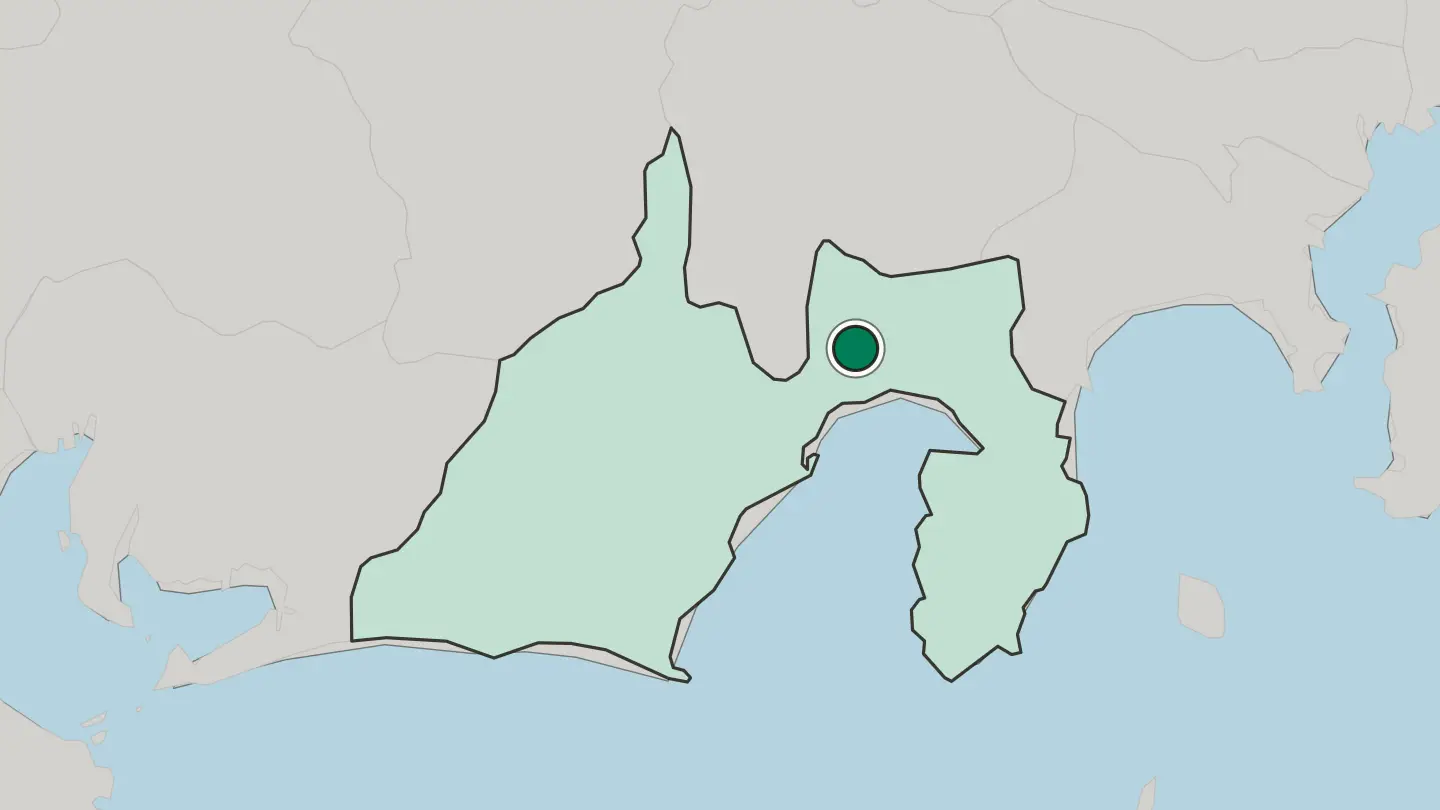
 Japan
Japan
Kakegawa
Kakegawa is a city of western Shizuoka Prefecture, Japan, holding the Kakegawa Ninomaru Museum of Art, Shiseido Art House and Kakegawa Kachoen.Where to stay →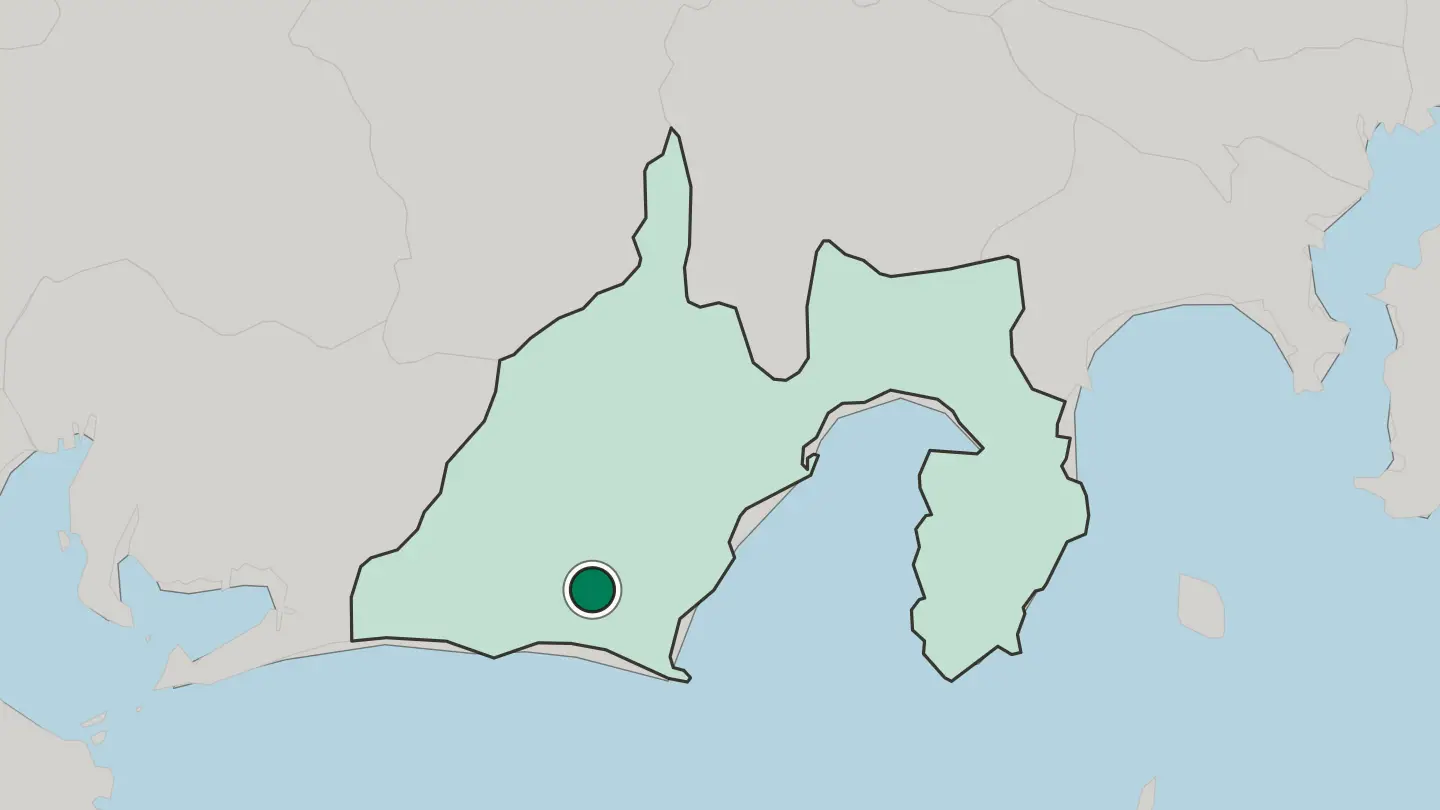
All towns & cities (14)
 Japan
Japan
Mishima
Rakuju-en, the Sano Art Museum and the House of Mishima Lunar Calendar Publisher mark Mishima, a city of eastern Shizuoka Prefecture in Japan.Where to stay →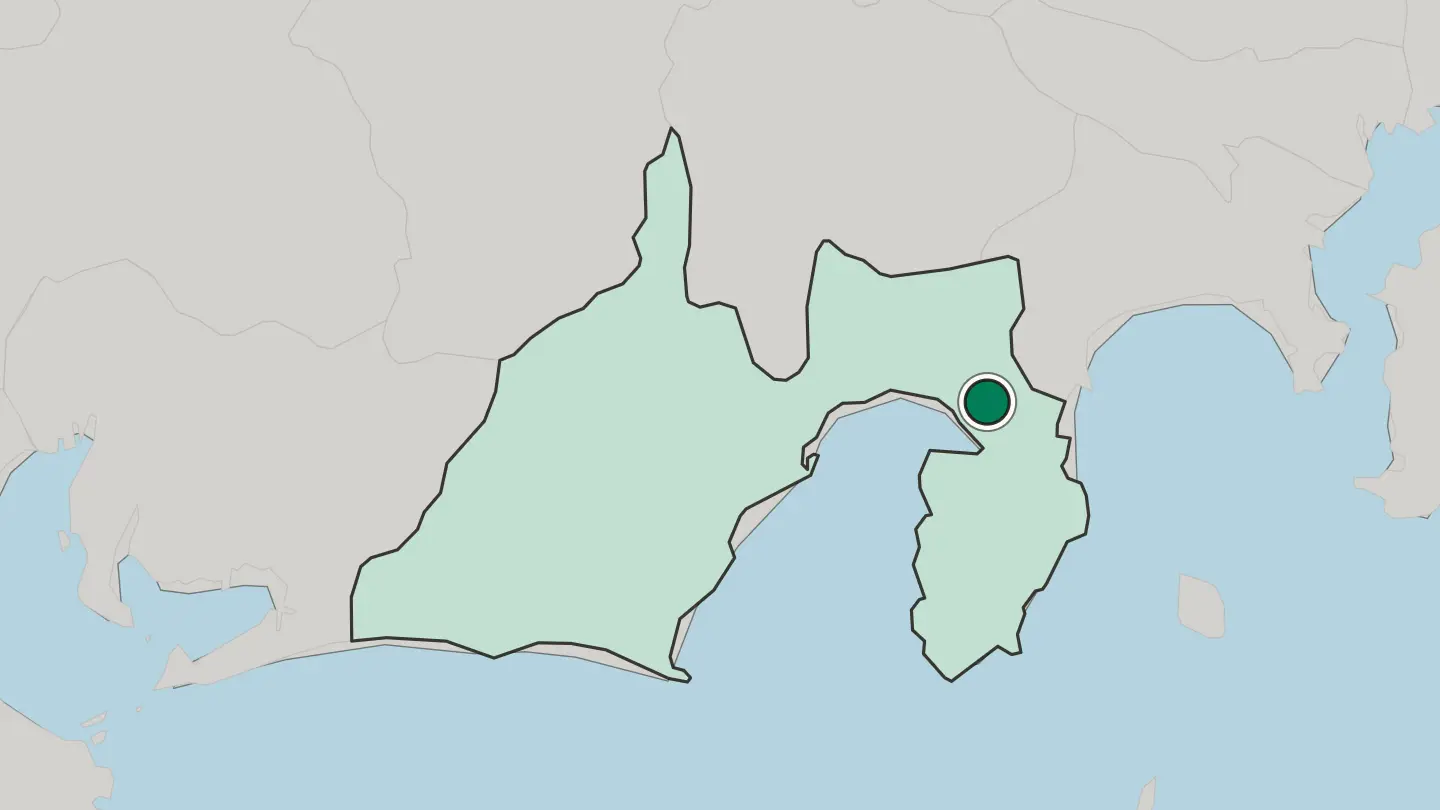
 Japan
Japan
Shimada
Shimada, constituted as Shimada Town, stands on the Ōi-gawa in Shizuoka Prefecture, with the Tea Museum and the old Kawagoshi crossing relics.Where to stay →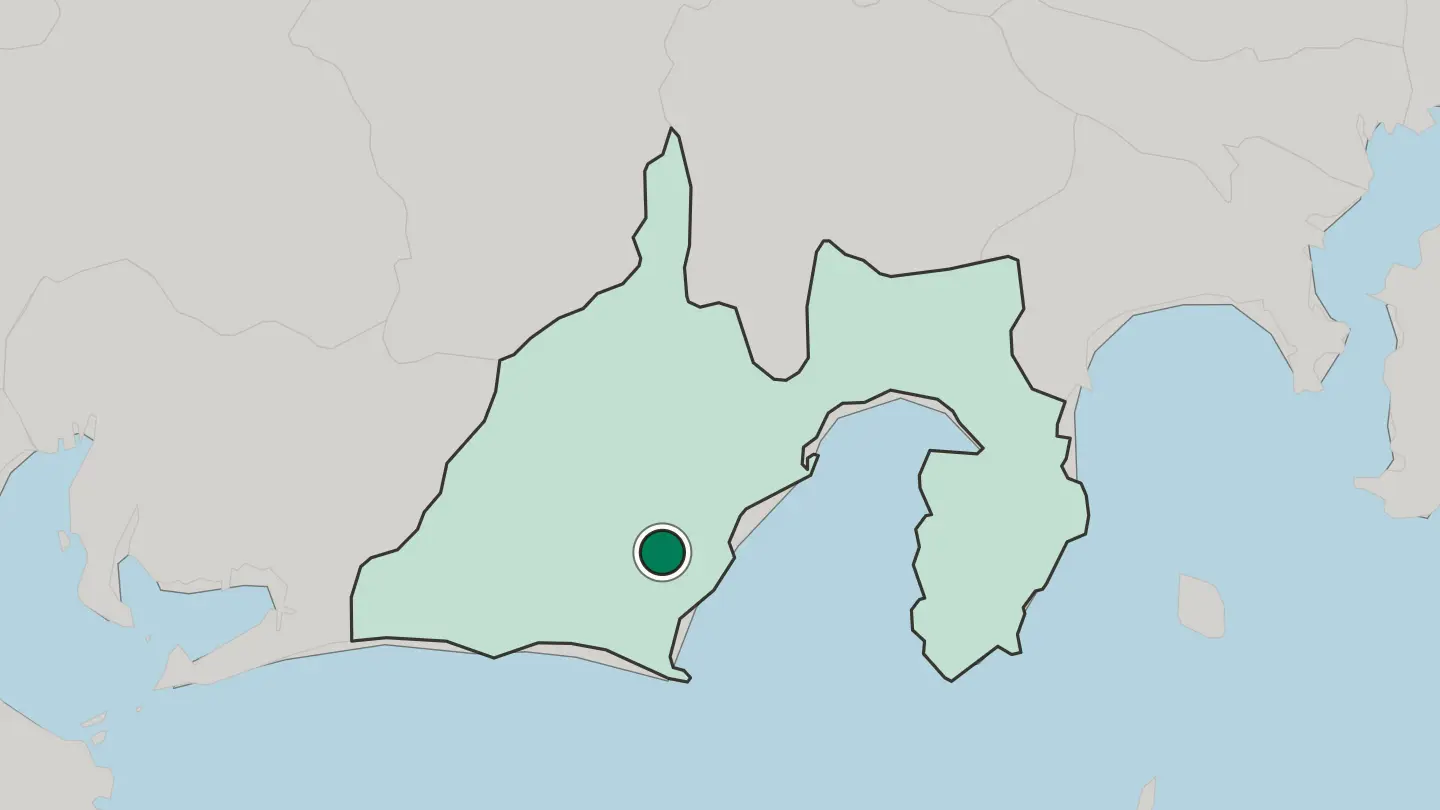 Japan
Japan
Fukuroi
Fukuroi, constituted as Yamana Town, is a Shizuoka Prefecture city near the Shiseido Corporate Museum, the Yamaha Communication Plaza and Yusan-ji Temple.Where to stay →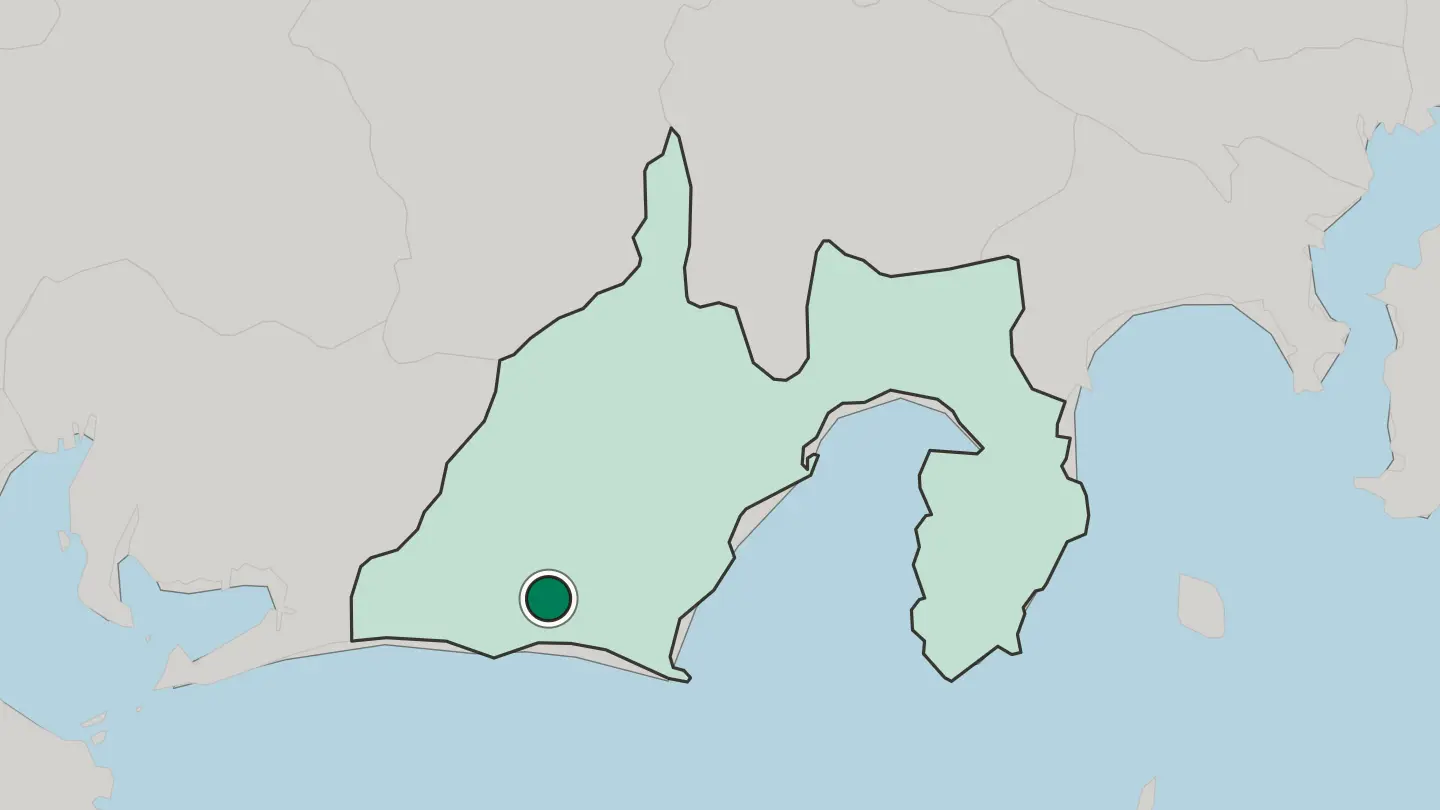
 Japan
Japan
Gotemba
Gotemba stands on the southeastern flank of Mount Fuji, one of the starting points for the climb and a town known for outlet shopping.Where to stay →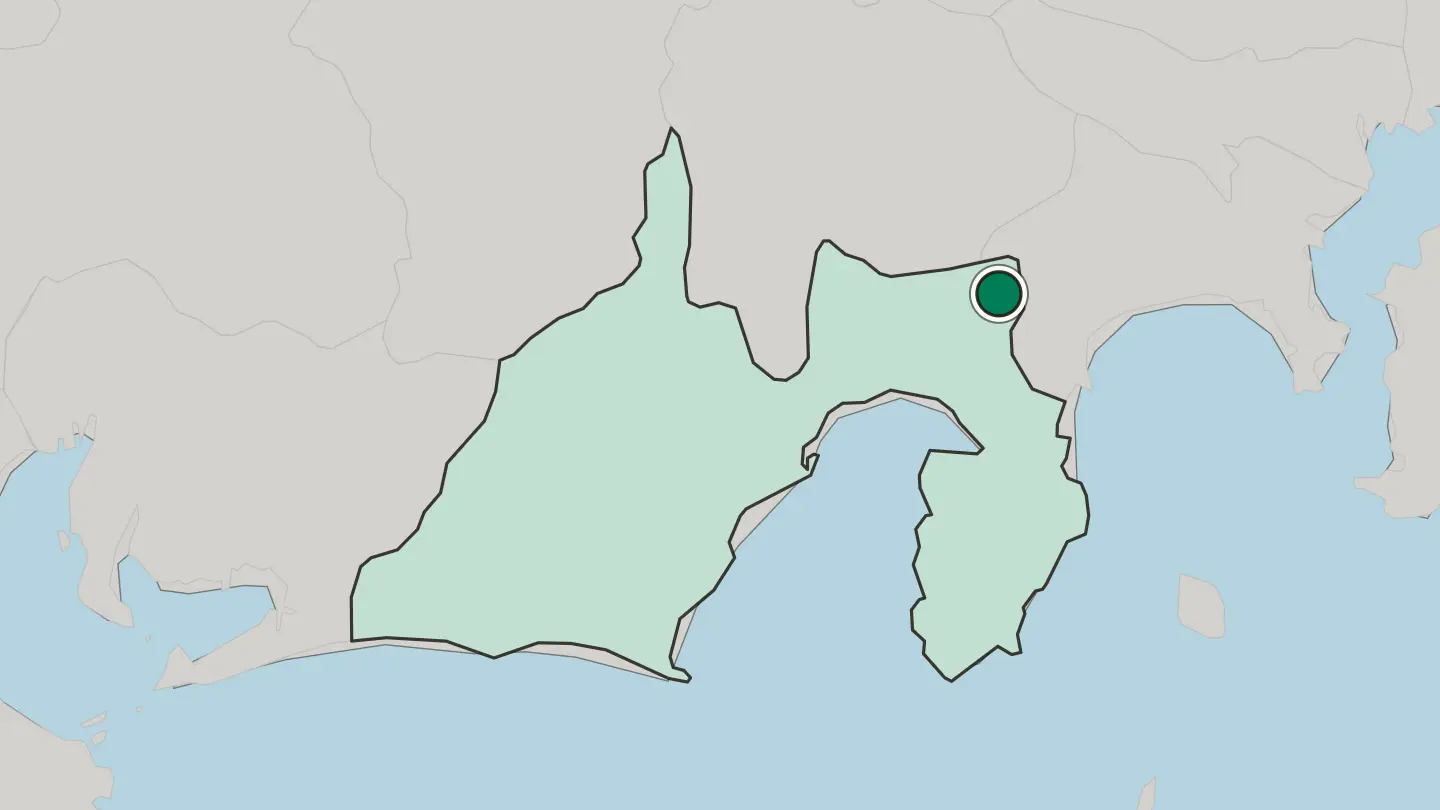
 Japan
Japan
Itō
Itō, whose name reads as East Izu, lies on the eastern shore of the Izu Peninsula beneath Mount Ōmuro, in Shizuoka Prefecture.Where to stay →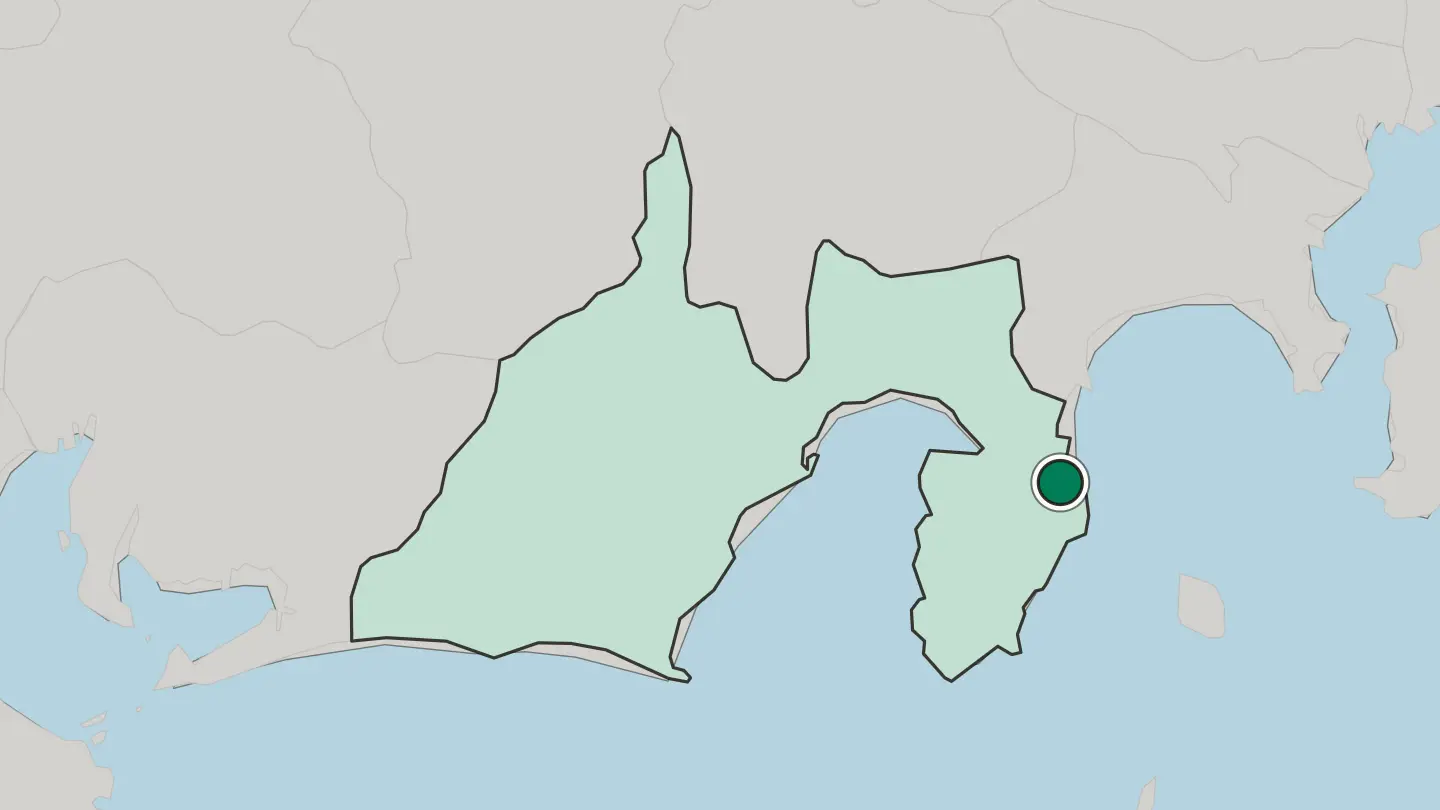 Japan
Japan
Kosai
Kosai, written Kosai City, holds the far western edge of Shizuoka Prefecture beside Hamanako, and keeps the Arai Barrier on the old highway.Where to stay →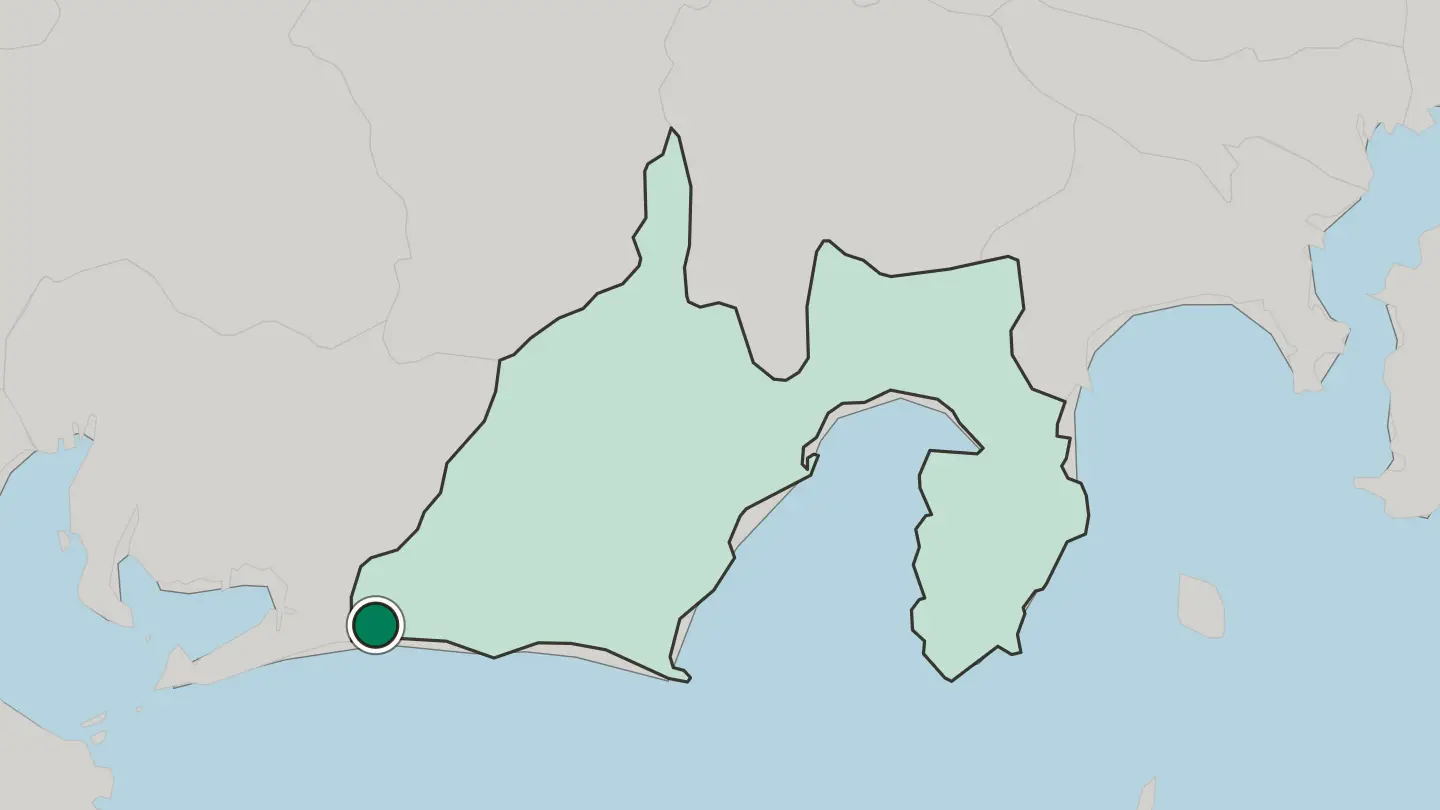
Hotel links are affiliate links: booking through them may earn us a commission, at no extra cost to you. It never affects how places are ranked. How this works
About Shizuoka
Mount Fuji is the headline.
What is Shizuoka known for?
Its snow-capped cone rises on the Yamanashi border, and Shizuoka owns the southern face and the pilgrim trails up to the crater. Beyond the mountain, this is Japan's green-tea heartland. Hamamatsu built the pianos.
Yamaha and Kawai both began there, and Roland brought its instrument works to the same city, alongside the Suzuki motorcycles and the eel raised in the brackish shallows of Lake Hamana.
Where is Shizuoka?
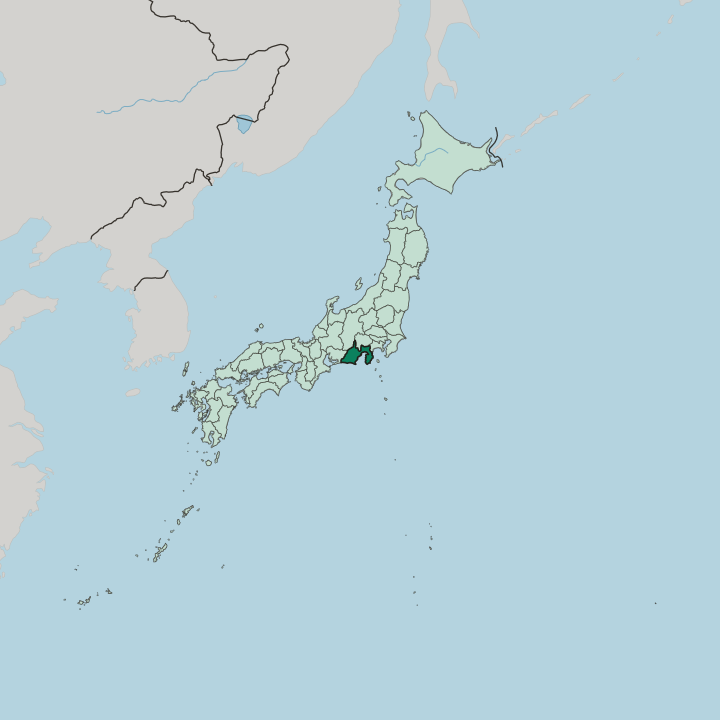
Shizuoka runs along the Pacific coast of central Honshū, in the Chūbu region between Tokyo and Nagoya. Kanagawa Prefecture borders it to the east and Aichi Prefecture to the west, while Yamanashi and Nagano rise inland to the north. The shape is a long ribbon of coast backed by steep mountains. Mount Fuji stands at the north-eastern corner, on the border it shares with Yamanashi.
From the summit the drop to the sea is only a short run, so the mountain feels close from almost every town on the plain. Most of the interior is forest and gorge, the southern foothills of the Japanese Alps, cut by rivers like the Ōi and the Abe that drain toward the Pacific Ocean. The coast bends around Suruga Bay, gouged by the offshore Suruga Trough.
The Izu Peninsula forms the bay's eastern wall, a knuckle of volcanic hills and hot springs jutting into the sea. Lake Hamana opens far to the west. It is a brackish lagoon, joined to the Pacific by one narrow mouth and famous for its eel.
Water is never far away. The sea and the mountain shape almost every view in the prefecture.
What is Shizuoka like?
Tea sets the tone. The terraced rows climb every hillside around Makinohara and the Abe valley, and a cup of green tea is the standard welcome across the prefecture. Food follows the water.
Grilled eel from Lake Hamana, the tiny sakura shrimp of Suruga Bay, and wasabi grated fresh from mountain streams all belong to the local table. Fuji looms over all of it. The mountain has drawn pilgrims and painters for centuries, worshipped at the Sengen shrines that mark its old climbing routes.
Hamamatsu turned craft into industry. The city that shaped Japan's pianos still builds them under the Yamaha, Kawai and Roland names, and its instrument museum gathers keyboards and drums from around the world. The same workshops gave rise to Suzuki and to the motorcycle trade.
Down on the Izu Peninsula the mood shifts. Old ryokan inns cluster around the hot springs of Atami and Shuzenji, where the draw is a long soak and a slow meal rather than any monument.
What is the history of Shizuoka?
Power once flowed through here. The Tōkaidō, the great road between Edo and Kyoto, threaded its post stations along this coast, and travellers, messengers and daimyō all passed through. Tokugawa Ieyasu knew the ground well.
He was held here as a boy, and after uniting Japan he settled at Sunpu Castle in Shizuoka, ruling as retired shogun until his death in 1616. The modern prefecture was drawn in 1876, when the old provinces of Suruga, Tōtōmi and Izu were finally fused into one.
What is the climate of Shizuoka?
The coast is mild and sunny. Warm Pacific currents keep winters gentle along the shore, so mandarin oranges ripen outdoors around Hamamatsu and the Enshū plain. The mountains tell another story.
Rain piles up against the Southern Alps and the Ōi headwaters, and Fuji wears snow from autumn to late spring. Out at Omaezaki the wind rarely stops.
How do you get to Shizuoka?
Most people arrive by train. The Tōkaidō Shinkansen runs the whole length of the prefecture, halting at Atami, Mishima, Shizuoka and Hamamatsu on its way between Tokyo and Osaka. From Tokyo it is barely an hour to the eastern towns.
Shizuoka also keeps its own airport on the Makinohara tea plateau, handling domestic flights and a few links to Asia. The Tōmei and Shin-Tōmei expressways carry the road traffic, and local lines branch off into the Izu Peninsula from Atami and Mishima.
Common questions
What is the best area to stay in Shizuoka?
Shizuoka: tea country and the Sunpu Castle grounds. Atami and the Izu Peninsula: seaside hot springs an hour from Tokyo. Hamamatsu: Lake Hamana and grilled eel. Mishima and the Fuji foot: climbing Mount Fuji.
Good for
More regions in Japan
Updated October 2026