Japan · Shizuoka
Where to Stay in Shimada, Shizuoka
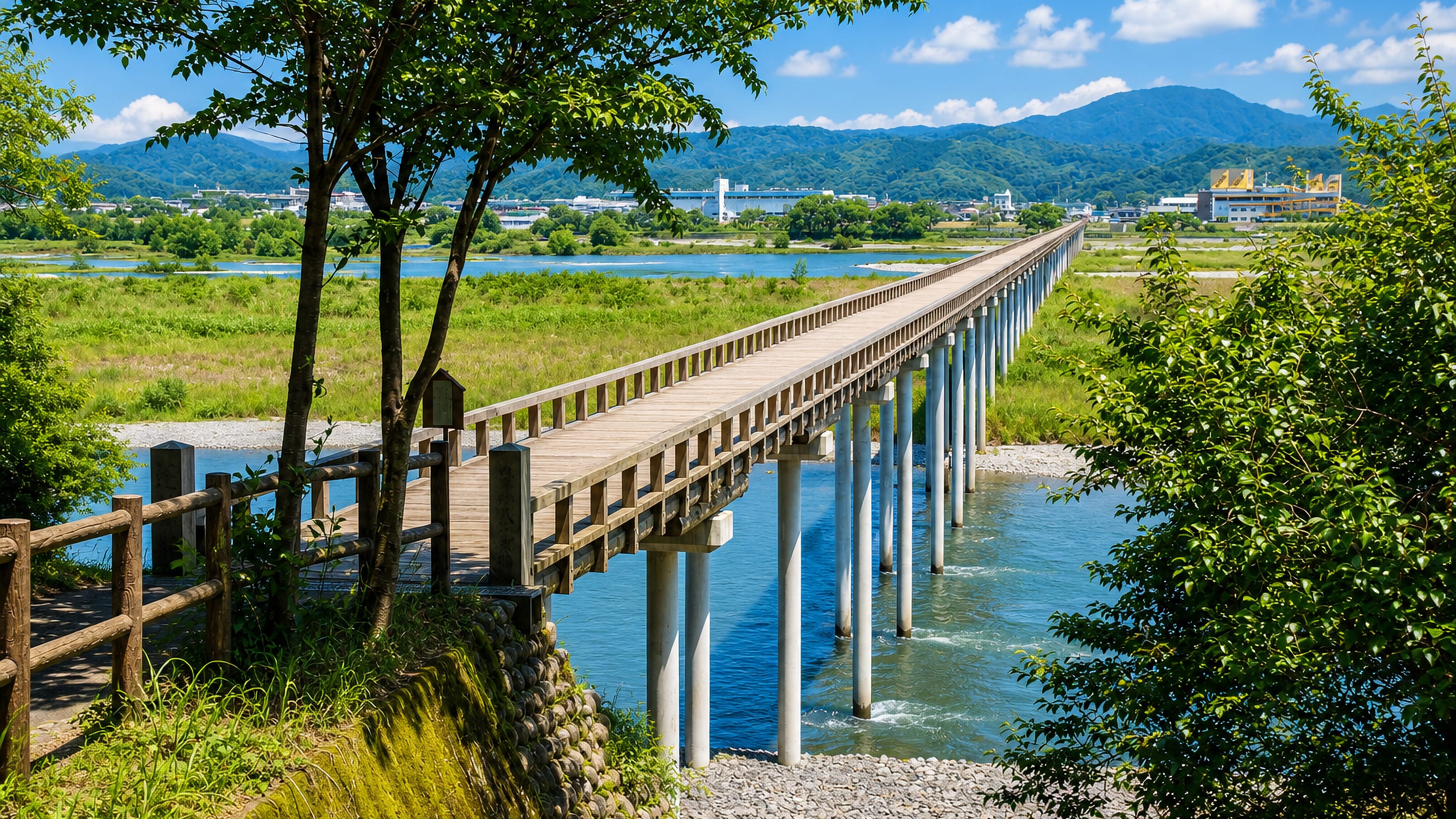
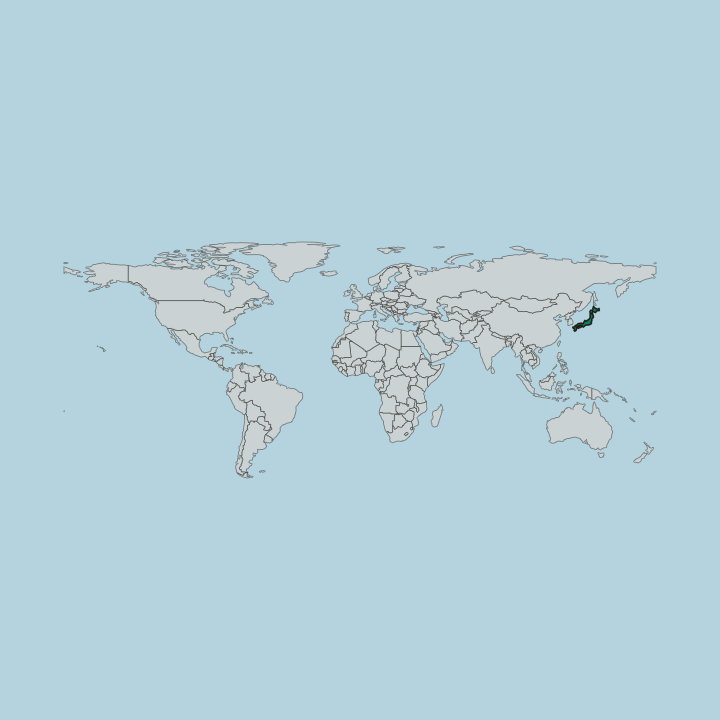
Shimada, constituted as Shimada Town, stands on the Ōi-gawa in Shizuoka Prefecture, with the Tea Museum and the old Kawagoshi crossing relics.
Hotel links are affiliate links: booking through them may earn us a commission, at no extra cost to you. It never affects how places are ranked. How this works


Where to stay in Shimada
The practical side of choosing where to sleep.
Shimada-shuku sets the tone. A room on the old post-station side puts the Shimada-shuku Ōi-gawa Kawagoshi relics and the Shimada City Museum within one walk, which suits a visitor who has come for the crossing and wants the riverbank rather than the shops outside the window. The Tea Museum pulls differently.
Basing near it gives an afternoon over to a single collection, and it works for anyone treating Shimada as a place to slow down instead of a stop between stations. Fujieda takes the overflow. The Fujieda City Provincial Museum and Literary Museum and the Shida Gunga ruins give that neighbour enough of its own to justify a night, and the run back over to the Ōi-gawa is short enough to do twice in a day if the weather turns. Yaizu is the further option. The Yaizu Sportsground marks it, and Sengan Embankment with the Seto Colored Rice Folk Museum lies along the same stretch for anyone whose interest runs to farmland rather than to post roads.
Shimada rewards the closer base. Everything the city itself offers, including the Mitsuhiro Unno memorial museum of woodcut art, sits within a compact area beside the river, so a bed here saves the daily commute that the neighbouring towns impose.
Find hotels in Shimada
Direct booking searches for these neighbourhoods.
Shimada-shuku
The riverside quarter of Shimada where the Kawagoshi relics record how travellers were carried across, with the Shimada City Museum beside them. Few places to stay nearby — book ahead.Find hotels in Shimada-shukuan unhurried afternoon inside the Tea MuseumTea Museum side
The quieter part of Shimada built around a collection devoted entirely to tea, away from the Ōi-gawa bank. Beds are limited here, so book early.Find hotels in Tea Museum sidea second day at the Fujieda City Provincial Museum and Literary MuseumFujieda
The neighbouring city along the old road, whose literary collection and Shida Gunga excavation extend a Shimada visit by a day.Find hotels in FujiedaHotel links are affiliate links: booking through them may earn us a commission, at no extra cost to you. It never affects how places are ranked. How this works
About Shimada
What is Shimada known for?
Getting across the Ōi-gawa was once the whole business of this place, and the Shimada-shuku Ōi-gawa Kawagoshi relics preserve the ground where travellers had to be carried over a river that no bridge yet spanned. Tea is the other signature. The Tea Museum takes the crop as its single subject, while the Shimada City Museum handles the town's own record and the Mitsuhiro Unno memorial museum of woodcut art gives a printmaker a room of his own.
What are the main landmarks in Shimada?
The crossing relics come first. Shimada-shuku Ōi-gawa Kawagoshi preserves the riverbank apparatus of a post station whose entire purpose was moving people over the water, and the Shimada City Museum reads that apparatus for visitors. Three collections follow.
The Tea Museum, the Mitsuhiro Unno memorial museum of woodcut art and the Fujieda City Provincial Museum and Literary Museum cover crop, print and province in turn. Two more sit further out. Sengan Embankment carries the Seto Colored Rice Folk Museum, and the Shida Gunga ruins mark an excavated district office.
What is the history of Shimada?
The river ran the town's life. Shimada-shuku existed because the Ōi-gawa had to be crossed and could not be bridged, so an entire trade of bearers and porters grew up on the bank, and the Shimada-shuku Ōi-gawa Kawagoshi relics are what that trade left behind. Delay was the business model.
Travellers held up by high water spent their money here, which is why a post station of this size stood on an otherwise unremarkable stretch of Shizuoka Prefecture. Administration is older still. The Shida Gunga ruins nearby mark the compound from which a district of the province was run, and Sengan Embankment shows the same flat country being shaped for agriculture rather than for traffic.
Modern status dates to 1889. The town was constituted then as Shimada Town, and the collections came afterwards: the Shimada City Museum for the town's own past, the Tea Museum for the crop, the Mitsuhiro Unno memorial museum of woodcut art for a single artist, and the Fujieda City Provincial Museum and Literary Museum in the neighbouring city for the province and its writers. Bridges finally ended the crossing trade.
What survives of it is now interpretation rather than livelihood.
Where is Shimada?
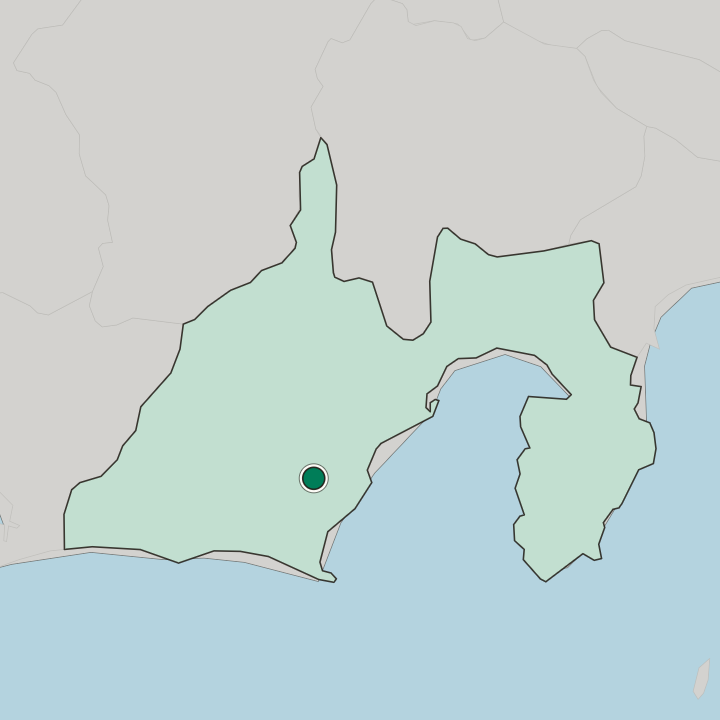
The Ōi-gawa organises everything. Shimada covers a wide slice of Shizuoka Prefecture strung along that river, with settled flat ground close to the water and rougher country behind it, so the built-up part is only a fraction of the municipality. Fujieda adjoins it.
Yaizu lies beyond, and Sengan Embankment sits out on the same low farmland that the Seto Colored Rice Folk Museum interprets.
What is the climate of Shimada?
Rain fills the Ōi-gawa, and in a subtropical year that means a long wet middle when the river runs high and the flat ground around Shimada takes whatever the season delivers. Winters pass quickly. The Tea Museum, the Shimada City Museum and the Mitsuhiro Unno memorial museum of woodcut art hold an afternoon when the weather closes in.
Bank walks want a dry spell.
How do you get to Shimada?
Approach follows the old road. The route that once brought travellers to the Ōi-gawa bank at Shimada-shuku still carries them, passing Fujieda on the way, and Yaizu sits along the same line for anyone coming further out. A car opens the rest.
The Tea Museum, Sengan Embankment and the Shida Gunga ruins lie apart from the built-up centre of Shimada, and the Yaizu Sportsground marks the far end of that run.
Common questions
What is the best area to stay in Shimada?
Shimada-shuku: nights on the post-station bank of the Ōi-gawa. Tea Museum side: an unhurried afternoon inside the Tea Museum. Fujieda: a second day at the Fujieda City Provincial Museum and Literary Museum.
Good for
More cities in Shizuoka
Updated October 2026