Japan · Shizuoka
Where to Stay in Mishima, Shizuoka
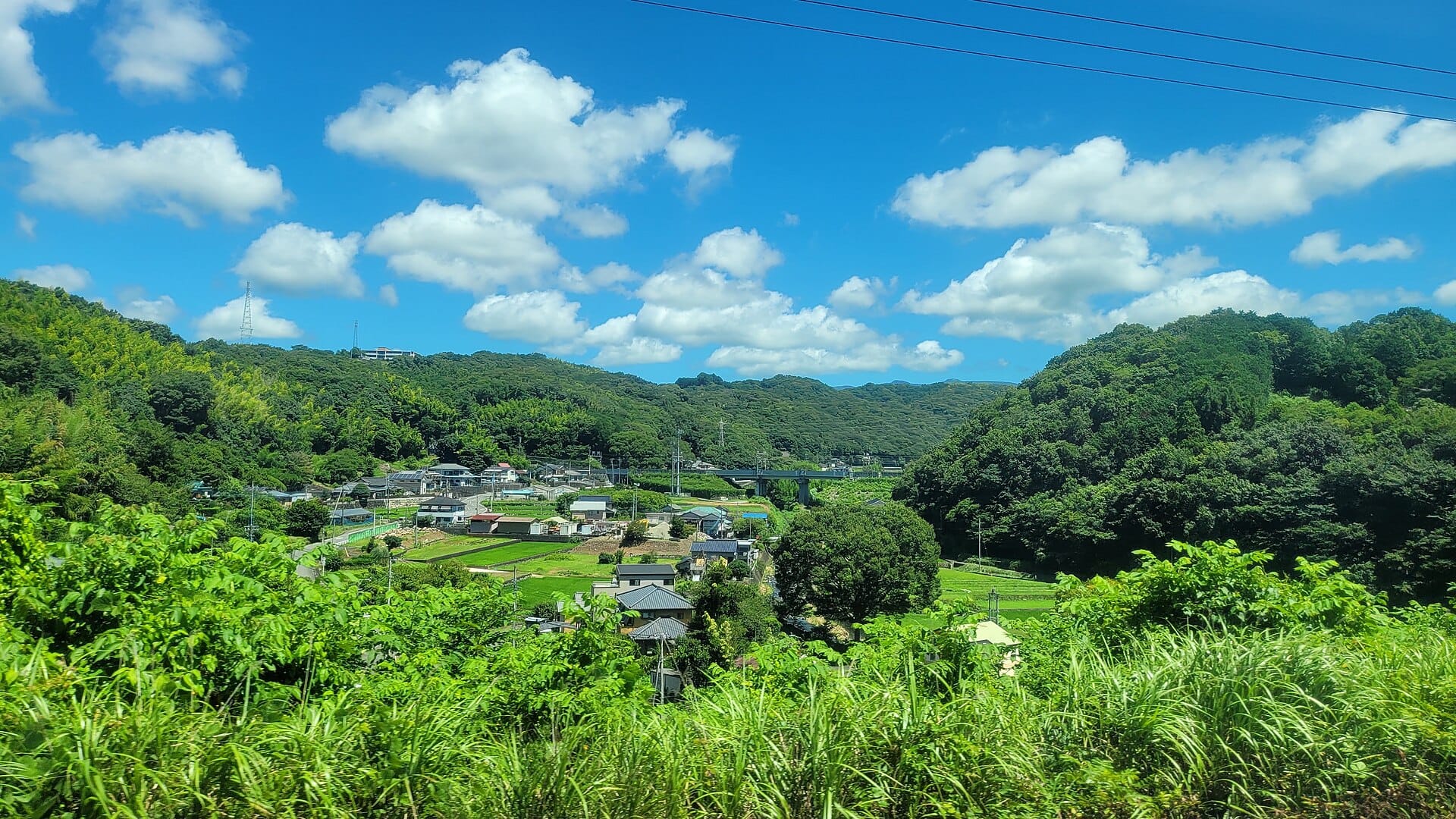
Rakuju-en, the Sano Art Museum and the House of Mishima Lunar Calendar Publisher mark Mishima, a city of eastern Shizuoka Prefecture in Japan.
Hotel links are affiliate links: booking through them may earn us a commission, at no extra cost to you. It never affects how places are ranked. How this works


Where to stay in Mishima
Where visitors usually base themselves, and why.
Rakuju-en decides it for most visitors. A bed within reach of the garden gives the day a fixed anchor, and the Sano Art Museum sits in the same register of unhurried hours that this city does best. The other pull is documentary.
The Mishima City Local Museum and the House of Mishima Lunar Calendar Publisher reward a traveller who wants the town explained rather than merely looked at, and a base near them changes what an afternoon of rain is worth. Neither choice costs much walking. Mishima is a compact city, and a municipality of about sixty square kilometres means the museum addresses and the garden gate are rarely more than a short ride apart.
Eastern Shizuoka Prefecture opens up from here. Travellers using Mishima as a base rather than a destination will find the temperate weather kind to that plan for most of the year, which is why the plainer business rooms fill as readily as anything near Rakuju-en. Mishima gained city status in 1941, and the fabric a guest walks between hotel and museum belongs to that modern town.
Ooka Makoto Kotoba-kan and the Yoneyama Umekichi Memorial Hall fill the gaps for a second day.
Find hotels in Mishima
Direct booking searches for these neighbourhoods.
Around Rakuju-en
The garden is the one open-air entry on Mishima's list, and it rewards being first through itFind hotels in Around Rakuju-enVisitors who want the town explained before they walk itThe Mishima City Local Museum side
The civic museum and the House of Mishima Lunar Calendar Publisher sit on the documentary half of the cityFind hotels in The Mishima City Local Museum sideUsing Mishima as a base for eastern Shizuoka Prefecture rather than a destinationPlain business rooms in the centre
A city of sixty-odd square kilometres puts the Sano Art Museum and Ooka Makoto Kotoba-kan within a short ride of any central bedFind hotels in Plain business rooms in the centreHotel links are affiliate links: booking through them may earn us a commission, at no extra cost to you. It never affects how places are ranked. How this works
About Mishima
What is Mishima known for?
Six sites carry the city's reputation, and they split cleanly between art, memory and the older civic record rather than gathering around one central monument. Rakuju-en is the calm one. The Sano Art Museum, the Yoneyama Umekichi Memorial Hall and Ooka Makoto Kotoba-kan handle the collections, each built around a different person or subject, while the Mishima City Local Museum holds the general story of the place.
What are the main landmarks in Mishima?
Rakuju-en heads the list as the one open-air entry. Everything else on it is a room: the Sano Art Museum, the Mishima City Local Museum, the Yoneyama Umekichi Memorial Hall, Ooka Makoto Kotoba-kan and the House of Mishima Lunar Calendar Publisher. That last name stands out.
A house kept for a lunar calendar publisher records a trade rather than a battle or a temple, which gives the city's heritage list an unusually domestic centre of gravity.
What is the history of Mishima?
City status arrived in 1941. That date is recent for a place with this much kept fabric, and it marks an administrative event rather than the beginning of anything a visitor would recognise on the ground. The older thread runs through one trade.
The House of Mishima Lunar Calendar Publisher preserves the premises of a publisher of lunar calendars, and a town that kept such a house standing was telling later generations which of its occupations it valued. Two people have halls of their own. The Yoneyama Umekichi Memorial Hall and Ooka Makoto Kotoba-kan attach individual names to the city's record, and a municipality that keeps two such halls is choosing biography as a way of remembering itself.
Rakuju-en carries the older aesthetic. A garden of that kind belongs to a tradition of designed landscape rather than to any single event, and its survival inside a working municipality of eastern Shizuoka Prefecture is itself the historical fact. The Mishima City Local Museum ties the strands together.
Everything the streets have stopped saying about Mishima is stored there instead, which makes it the sensible first stop for anyone wanting the order of events.
Where is Mishima?
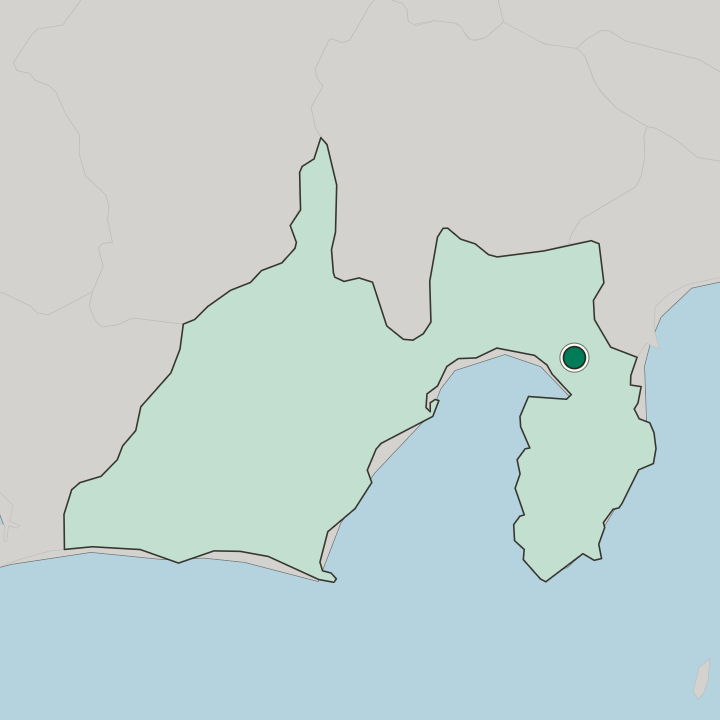
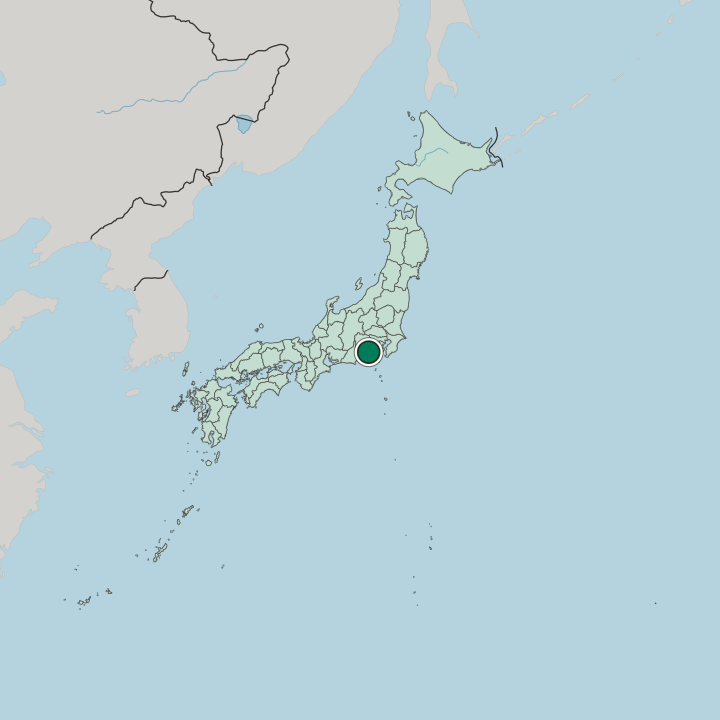
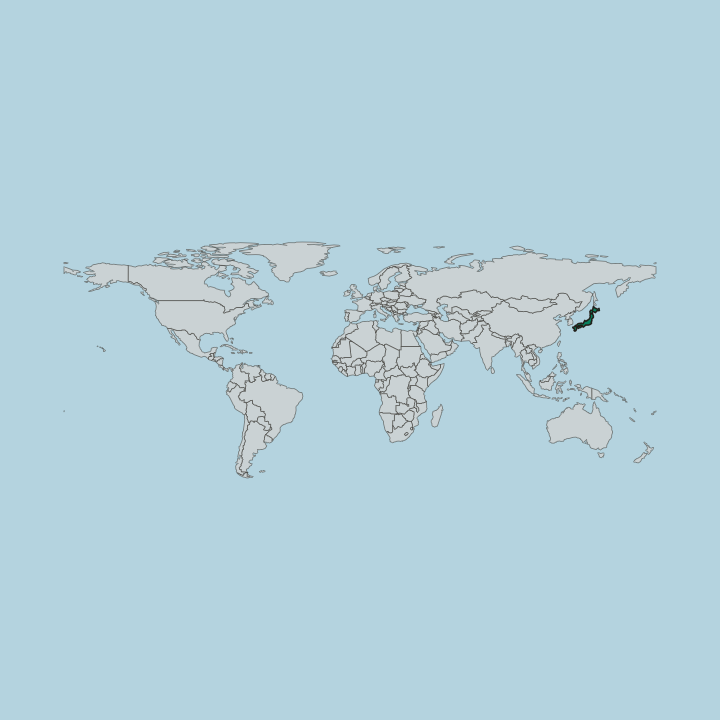
Mishima is small on the map of eastern Shizuoka Prefecture. Roughly sixty square kilometres of municipal ground make it a compact city, which is why its museums and Rakuju-en read as parts of one place rather than separate excursions. A temperate band covers Mishima.
Four seasons of roughly equal weight follow from that, and the garden shows the change earlier and more plainly than the streets around it.
What is the climate of Mishima?
The seasons show first in Rakuju-en. A temperate year in eastern Shizuoka Prefecture delivers four distinct turns, and the garden registers each of them before the built streets do, which makes it the most useful calendar the city keeps. Wet afternoons are no loss.
The Sano Art Museum, the Mishima City Local Museum and Ooka Makoto Kotoba-kan absorb a grey afternoon between them, and a traveller who planned the day around the garden loses only the light.
How do you get to Mishima?
Shizuoka frames every approach. Mishima lies in the eastern part of Shizuoka Prefecture, and any route into the city crosses that side of the prefecture before reaching it. Once here, walking works.
A city of roughly sixty square kilometres keeps Rakuju-en, the Sano Art Museum and the Mishima City Local Museum inside a range that does not demand a car.
Common questions
What is the best area to stay in Mishima?
Around Rakuju-en: Slow mornings that begin at the Rakuju-en gate before the city wakes. The Mishima City Local Museum side: Visitors who want the town explained before they walk it. Plain business rooms in the centre: Using Mishima as a base for eastern Shizuoka Prefecture rather than a destination.
More cities in Shizuoka
Updated September 2026