Japan · Shizuoka
Where to Stay in Fuji, Shizuoka
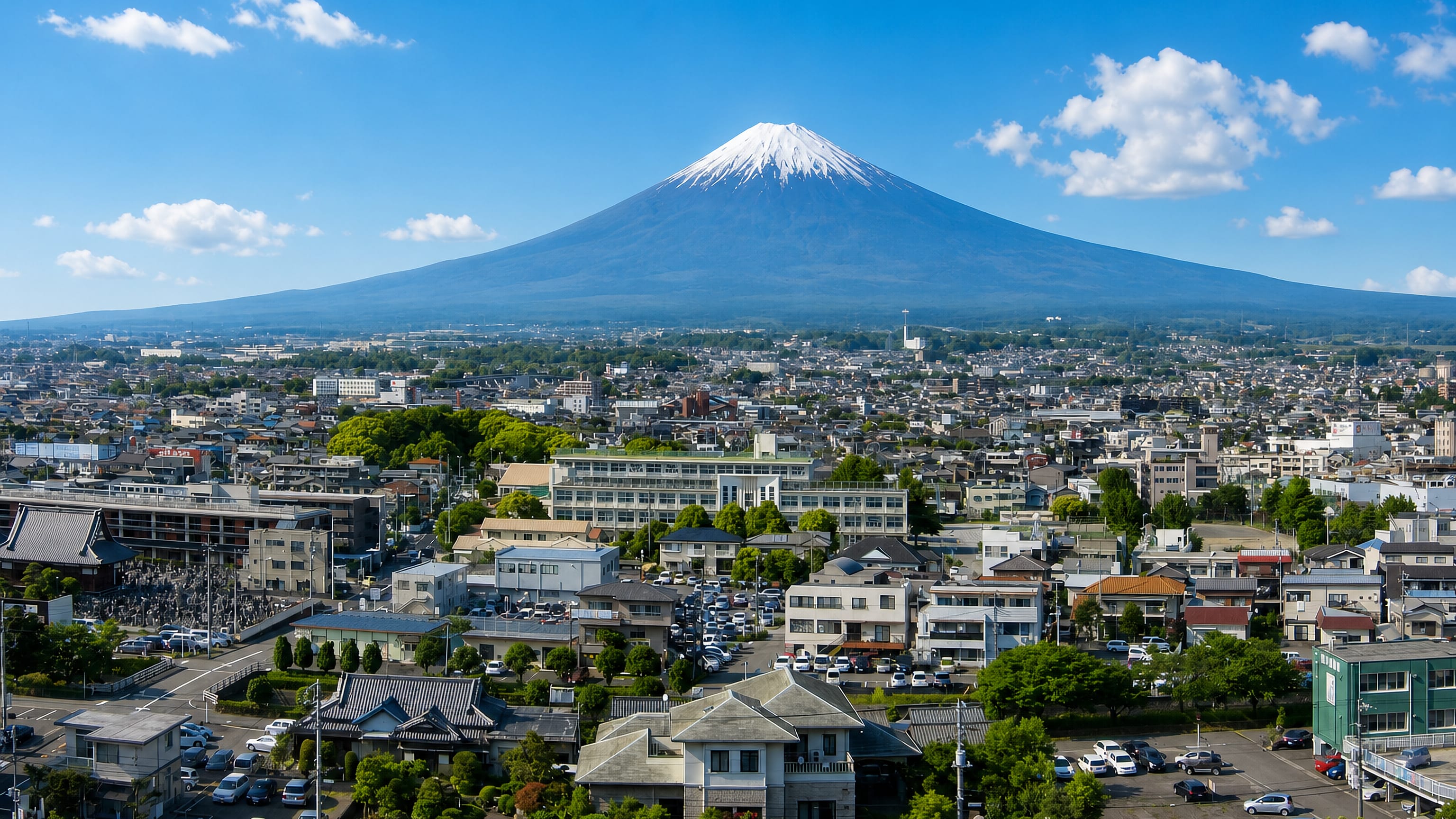
Fuji is the third largest city of Shizuoka Prefecture, keeping Sengen Kofun, the Kiya Edo Museum and a museum devoted to Princess Kaguya.
Hotel links are affiliate links: booking through them may earn us a commission, at no extra cost to you. It never affects how places are ranked. How this works


Where to stay in Fuji
The practical side of choosing where to sleep.
The city works as a base rather than a destination. Fuji sits in eastern Shizuoka Prefecture with Shizuoka and Hamamatsu the larger names of the prefecture, so a room here buys quiet and easy movement rather than a long list of evening options. Museums decide the rest.
A bed near the Yokoi Teruko Fuji Museum of Art puts the art within walking reach, and the Kiya Edo Museum makes a short second stop on the same day. Distances inside the city are modest, and a single base covers the museums without moving twice. Older ground lies on the other side of the choice.
Sengen Kofun is a burial mound rather than a museum, and a stay chosen with it in mind suits a traveller who would rather walk to something ancient than queue for something curated. Beds are plainer here than in Shizuoka. Hamamatsu and Shizuoka carry the prefecture's larger visitor traffic, which is worth knowing when a night in Fuji has to be found at short notice.
Two nights is plenty. The Shizuoka City Tokaido Hiroshige Museum of Art will fill a morning, which is the sort of stop a base in Fuji leaves room for.
Find hotels in Fuji
Direct booking searches for these neighbourhoods.
Around the Yokoi Teruko Fuji Museum of Art
The art museum and the Edo collection fall inside one day's walking, which is the compact half of the cityFind hotels in Around the Yokoi Teruko Fuji Museum of ArtWalking to a burial mound rather than to a ticket deskToward Sengen Kofun
Sengen Kofun is the oldest named site in Fuji and asks for a base on the quieter side of the city. Rooms are few around here — worth securing early.Find hotels in Toward Sengen KofunNights that need the choice of a larger city in the prefectureShizuoka or Hamamatsu instead
The two cities ranked above Fuji carry the prefecture's visitor traffic and the beds that go with itFind hotels in Shizuoka or Hamamatsu insteadHotel links are affiliate links: booking through them may earn us a commission, at no extra cost to you. It never affects how places are ranked. How this works
About Fuji
The mountain lends the city its name.
What is Fuji known for?
Fuji ranks third among the cities of Shizuoka Prefecture behind Hamamatsu and Shizuoka, a working city of eastern Shizuoka Prefecture whose museums keep returning to the peak, to the Tokaido and to the Kaguya legend. Two galleries widen the range. The Yokoi Teruko Fuji Museum of Art and the Shizuoka City Tokaido Hiroshige Museum of Art hold the collections, while the Kiya Edo Museum looks back to the Edo period.
What are the main landmarks in Fuji?
Sengen Kofun is the oldest thing on the list. Art fills most of the rest, with the Yokoi Teruko Fuji Museum of Art holding one collection and the Shizuoka City Tokaido Hiroshige Museum of Art holding another, while the Kiya Edo Museum turns to the Edo period instead. Two more take the mountain and its legend as their whole subject.
What is the history of Fuji?
Burial came before the city. Sengen Kofun is the oldest named site inside Fuji, a mound raised long before any municipal boundary was drawn across eastern Shizuoka Prefecture. Edo left its own mark.
The Kiya Edo Museum holds that period, and the Shizuoka City Tokaido Hiroshige Museum of Art keeps the Tokaido in view, the road whose name the museum carries. The Edo museum and the Tokaido museum both look at movement rather than settlement, at a road and the people who used it, which is a different history from the one under the mound. Mound and museums bracket the whole story, one recording a burial and the others recording what people made of a mountain and a road.
The modern city dates from 1954. Fuji was constituted then and has since ranked third among the cities of Shizuoka Prefecture, trailing Hamamatsu and Shizuoka without ever competing with them for the visitor's attention. Interpretation followed.
Two museums took the peak and its legend as their material, which is how a city of this rank ended up curating a mountain. Yokoi Teruko Fuji Museum of Art carries a different thread, and Sengen Kofun keeps the longest one. Princess Kaguya belongs to the same inheritance, a tale attached to the mountain long before any of these buildings existed.
Where is Fuji?
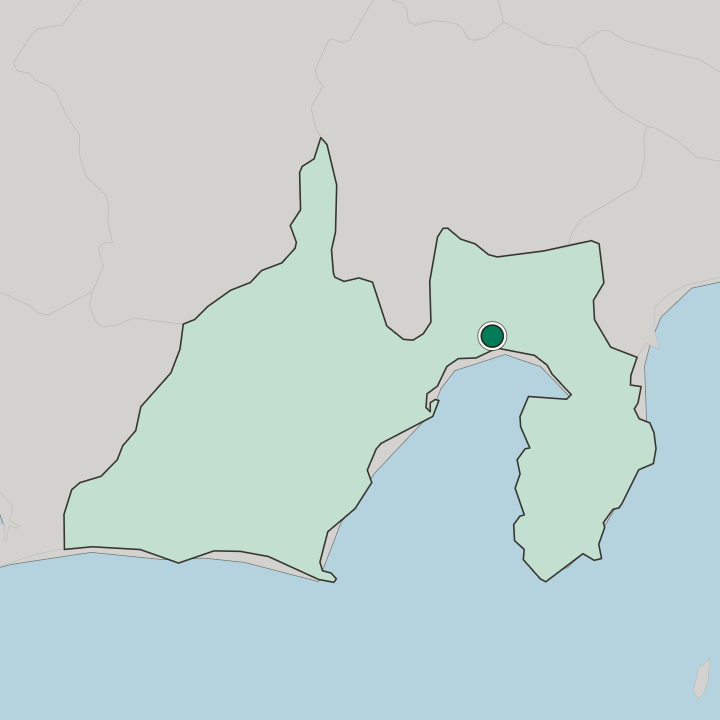
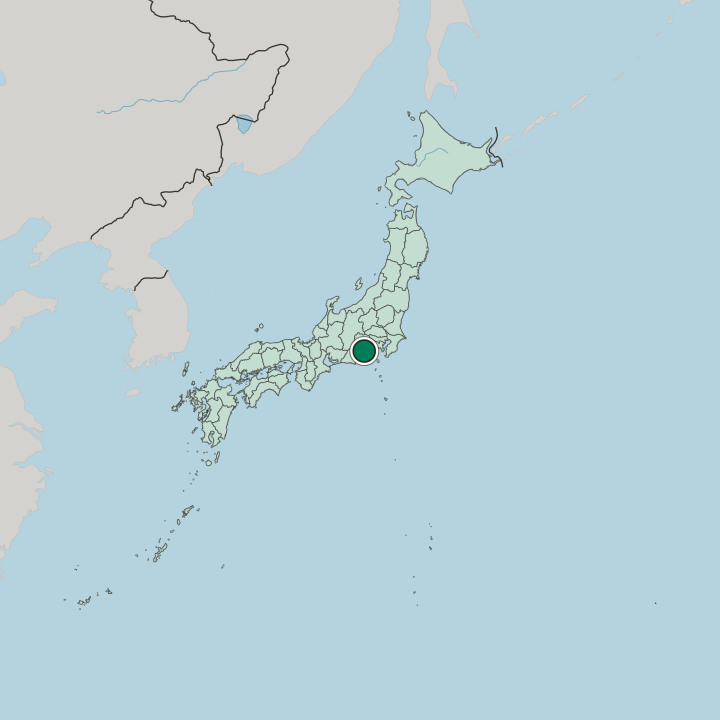
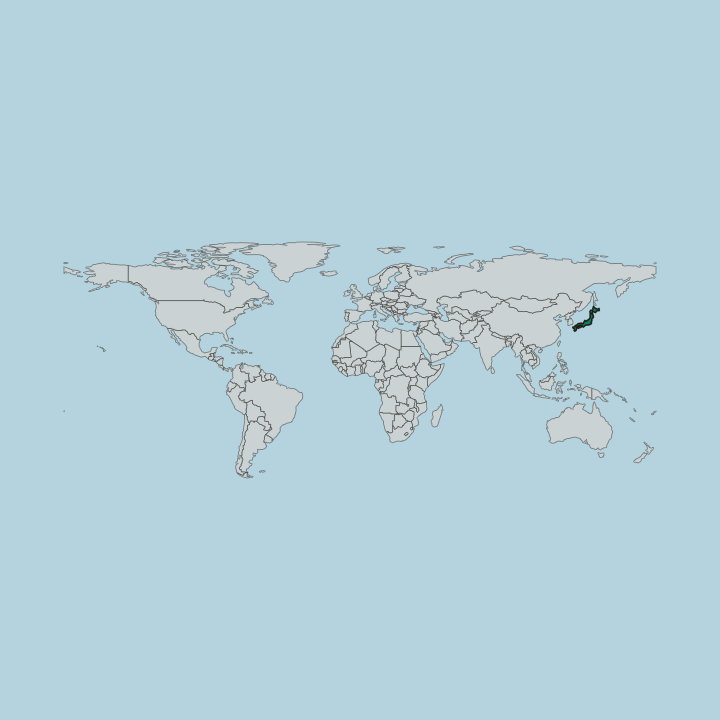
Fuji lies in eastern Shizuoka Prefecture. Hamamatsu and Shizuoka are the two larger cities of the same prefecture, and Fuji follows them in size while covering a municipal area wide enough to hold both old ground and a modern centre. A temperate band governs the seasons.
Sengen Kofun sits on that older ground, a raised mound that has outlasted every boundary drawn around it.
What is the climate of Fuji?
Summer here is humid. A temperate band shapes the year in eastern Shizuoka Prefecture, giving Fuji a warm and sticky middle to the calendar and a cold end to it. The museums do not care.
Interpretation of the mountain happens indoors at the Mt.Fuji World Heritage Centre, Shizuoka, so the calendar sets the walking rather than the visiting.
How do you get to Fuji?
Most visitors come from within the prefecture. Shizuoka and Hamamatsu are the larger cities of Shizuoka Prefecture, and Fuji sits in the eastern part of it, which makes an approach from either of them the ordinary way in. The museums are the reason to stop.
A traveller crossing eastern Shizuoka Prefecture can take in the Kiya Edo Museum and Sengen Kofun in a single afternoon and carry on the same evening.
Common questions
What is the best area to stay in Fuji?
Around the Yokoi Teruko Fuji Museum of Art: Art first, with the Kiya Edo Museum as the second stop. Toward Sengen Kofun: Walking to a burial mound rather than to a ticket desk. Shizuoka or Hamamatsu instead: Nights that need the choice of a larger city in the prefecture.
Good for
More cities in Shizuoka
Updated October 2026