Japan · Shizuoka
Where to Stay in Kosai, Shizuoka
Kosai, written Kosai City, holds the far western edge of Shizuoka Prefecture beside Hamanako, and keeps the Arai Barrier on the old highway.
Hotel links are affiliate links: booking through them may earn us a commission, at no extra cost to you. It never affects how places are ranked. How this works


Where to stay in Kosai
Where visitors usually base themselves, and why.
Two bigger neighbours frame the choice. Toyohashi holds the deepest supply of rooms within reach, and basing there puts the Toyohashi Museum of Natural History, the Toyohashi Zoo and Botanical Park, the Toyohashi Folk Heritage Museum and the Toyohashi Museum of Natural Resources into a single unhurried programme. Hamamatsu is the other pole.
A room on that side works for anyone who wants the Hamamatsu Zoological Gardens in the morning and the shore of Hamanako by afternoon, since the lake sits between the two. Arai is where Kosai itself sleeps. Rooms near the Arai Barrier are few and plain, but they suit a visitor who has come specifically for the checkpoint and the Sakichi Toyoda Memorial House and who would rather be inside the small town than commuting into it.
The lakeside is different again. Hamanako Palpal and the Hamanako Orgel Museum give that stretch a holiday character, so a bed there suits families in a way the barrier town does not, with Susenoja cave and the Ōchiwatoge temple ruins as the quieter contrast on days when the amusements pall. One base covers everything.
Kosai is small enough that the Futagawa-shuku Honjin Museum and Toyohashi City Audio-Visual Education Center are day trips rather than relocations.
Find hotels in Kosai
Direct booking searches for these neighbourhoods.
Arai
The small barrier town of Kosai, where the inspected crossing and the Sakichi Toyoda Memorial House are both a walk away. Lodging is scarce in this area; reserve in advance.Find hotels in Araifamily days split between Hamanako Palpal and the Hamanako Orgel MuseumHamanako shore
The lakeside strip of Kosai, where an amusement park and a music-box collection face the same water.Find hotels in Hamanako shoremuseum runs through the Toyohashi Museum of Natural History and the Toyohashi Folk Heritage MuseumToyohashi
The larger neighbouring city, whose four collections and botanical park fill the wet days Kosai cannot.Find hotels in Toyohashimornings at the Hamamatsu Zoological Gardens before the lakeHamamatsu
The city on the far side of Hamanako, close enough that the zoo and the Kosai shore fit into one day.Find hotels in HamamatsuHotel links are affiliate links: booking through them may earn us a commission, at no extra cost to you. It never affects how places are ranked. How this works
About Kosai
Travellers were once counted here.
What is Kosai known for?
Arai Barrier survives as the checkpoint where movement along the old highway was controlled, and the Futagawa-shuku Honjin Museum preserves the kind of official lodging that the same road depended on, so Kosai reads first as a place people passed through under inspection. Water shapes the rest. Hamanako lies against the town, with Hamanako Palpal and the Hamanako Orgel Museum turned toward it, and the Sakichi Toyoda Memorial House keeps the house of the man it is named for.
What are the main landmarks in Kosai?
Arai Barrier is the set piece, the surviving checkpoint building where officials once examined everyone moving along the highway, and the Futagawa-shuku Honjin Museum extends that story into the lodgings the road required. Older ground lies apart. Susenoja cave and the Ōchiwatoge temple ruins carry the prehistoric and religious record.
Museums cluster next door. The Toyohashi Museum of Natural History, the Toyohashi Museum of Natural Resources, the Toyohashi Folk Heritage Museum and Toyohashi City Audio-Visual Education Center sit within the neighbouring city, and the Hamanako Orgel Museum keeps its music boxes by the water.
What is the history of Kosai?
Shelter came before roads. Susenoja cave records occupation of this ground long before any boundary was drawn across it, and the Ōchiwatoge temple ruins mark a later religious foundation whose plan is now read from what remains in the soil. Then the highway arrived.
Arai Barrier was built to control who used it, and the Futagawa-shuku Honjin Museum preserves the honjin lodging that served the same traffic, both of them fixing this corner of Shizuoka Prefecture as a place of transit rather than of settlement. Industry supplied the modern chapter. The Sakichi Toyoda Memorial House keeps the home of the inventor whose name it carries, and that connection ties a small lakeside town to manufacturing that grew far beyond it.
Municipal status came in 1955. Kosai was constituted then under the name written Kosai City, gathering the settlements along the shore of Hamanako into one unit, and the leisure attractions came afterwards. Hamanako Palpal and the Hamanako Orgel Museum belong to that later period, as do the collections in neighbouring Toyohashi and the Hamamatsu Zoological Gardens across the water.
Where is Kosai?
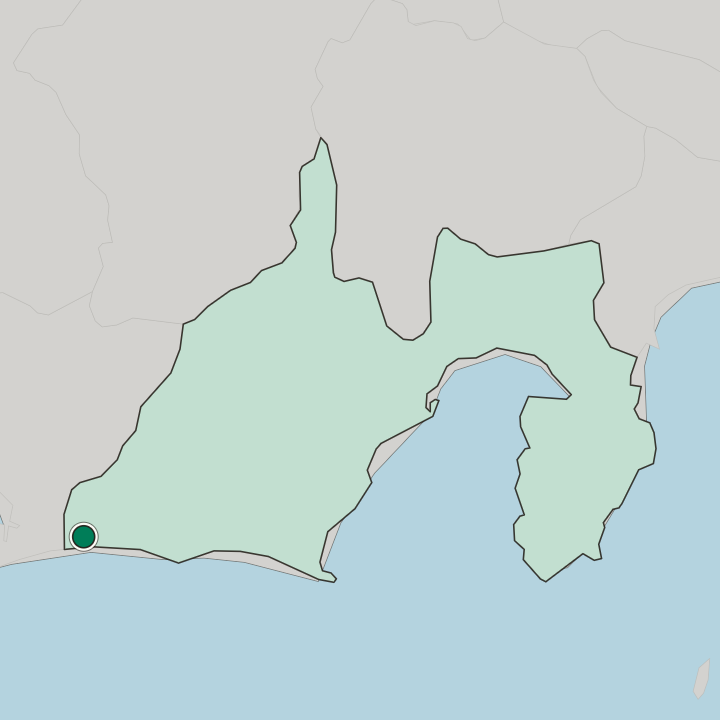
Kosai runs along a shore. The municipality takes in the far western part of Shizuoka Prefecture, pressed between the water of Hamanako and the prefectural boundary, which leaves it long, narrow and open to its neighbours on both flanks. Toyohashi lies past the boundary.
Hamamatsu sits across the lake, and the ground behind Arai rises just enough to hold Susenoja cave and the Ōchiwatoge temple ruins above the settled strip.
What is the climate of Kosai?
Hamanako keeps the extremes off Kosai, softening a subtropical year that would otherwise run hotter in the middle months and colder at its edges than the shore ever manages. Damp is the trade-off. Summer air hangs heavy over the water.
That is when the Hamanako Orgel Museum, the Toyohashi Museum of Natural History and the Toyohashi Folk Heritage Museum earn their keep, and when Susenoja cave offers the coolest hour of the day.
How do you get to Kosai?
The old highway still sets the route, and traffic between Toyohashi and Hamamatsu passes through Kosai much as it did when Arai Barrier existed to stop it and check what was being carried. Both neighbours have the bigger stations. From either, the Futagawa-shuku Honjin Museum, the Sakichi Toyoda Memorial House and the Hamanako shore are a short run, though a car makes the Ōchiwatoge temple ruins far easier to reach.
Common questions
What is the best area to stay in Kosai?
Arai: a night beside the Arai Barrier checkpoint. Hamanako shore: family days split between Hamanako Palpal and the Hamanako Orgel Museum. Toyohashi: museum runs through the Toyohashi Museum of Natural History and the Toyohashi Folk Heritage Museum. Hamamatsu: mornings at the Hamamatsu Zoological Gardens before the lake.
Good for
More cities in Shizuoka
Updated October 2026