Japan · Tokyo Prefecture · Tokyo
Ōkubo, Tokyo — Area Guide & Where to Stay
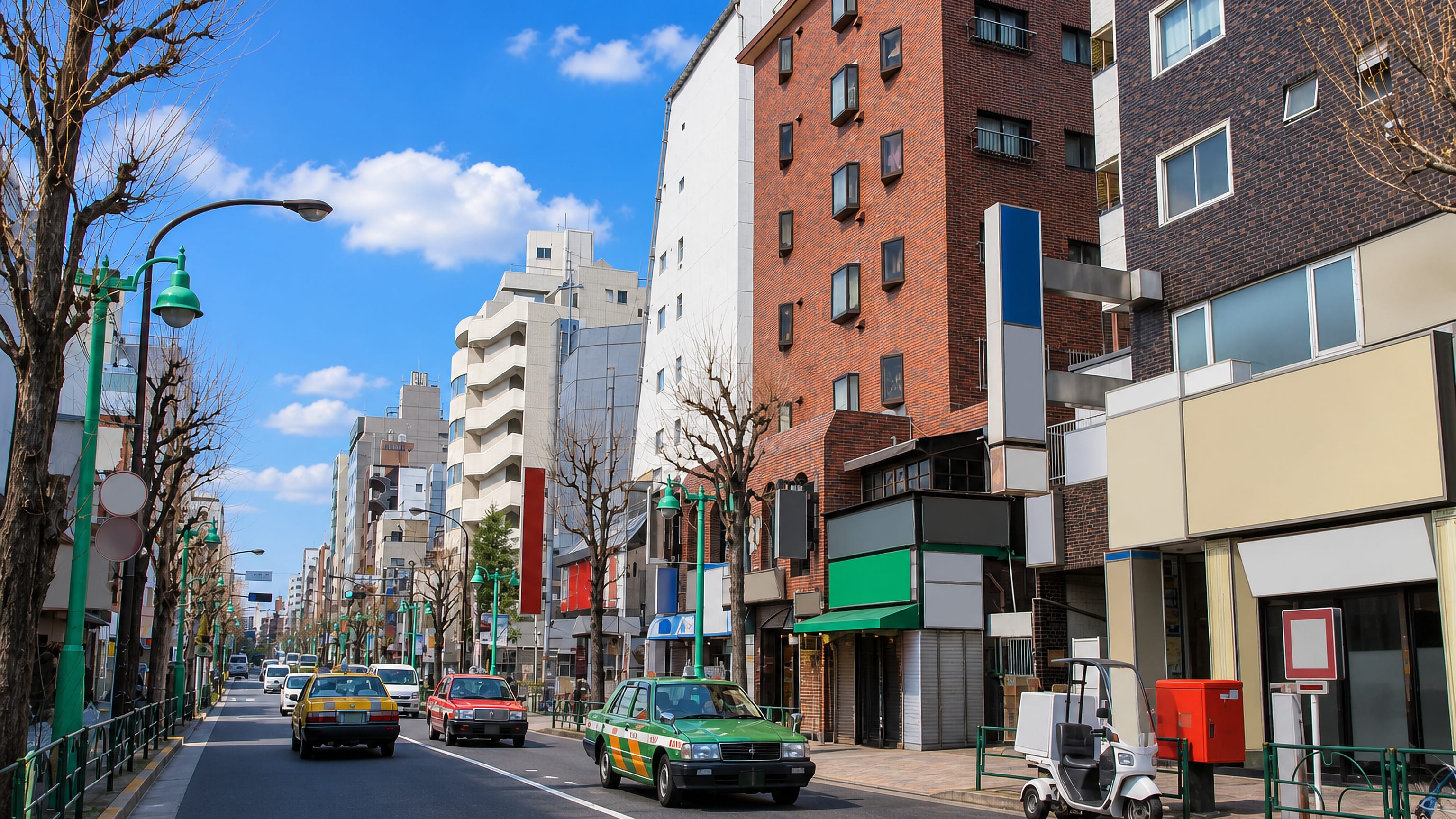
Ōkubo is a neighbourhood of Shinjuku in Tokyo, built around Shin-Ōkubo Station and widely known as the city's Koreatown.
Hotel links are affiliate links: booking through them may earn us a commission, at no extra cost to you. It never affects how places are ranked. How this works


Map data © OpenStreetMap contributors
Where to stay in Ōkubo
The practical side of choosing where to sleep.
Ōkubo's beds cluster around Shin-Ōkubo Station. Rooms nearest the ticket gates put the Korean food lanes and the Yamanote Line loop within a couple of minutes of the door, which suits a short Tokyo stay built around eating rather than sightseeing. The Waseda side runs quieter.
Beds there sit among the university museums, while Shinjuku proper, one stop down the line, carries the larger hotels for anyone wanting choice over character.
Find hotels in Ōkubo
Direct booking searches for these neighbourhoods.
Shin-Ōkubo Station
The ticket gates of Shin-Ōkubo Station open straight onto Ōkubo's Korean food lanes, so nothing needs a train.Find hotels in Shin-Ōkubo Stationmuseum days around the Waseda Aizu MuseumWaseda
Quieter blocks beside the Waseda University Tsubouchi Memorial Theatre Museum and the Waseda International House of Literature. Lodging is scarce in this area; reserve in advance.Find hotels in Wasedahotel choice one stop from Shin-Ōkubo StationShinjuku
The ward's main hotel mass, a single Yamanote Line stop from Ōkubo and its Koreatown streets.Find hotels in ShinjukuHotel links are affiliate links: booking through them may earn us a commission, at no extra cost to you. It never affects how places are ranked. How this works
About Ōkubo
What are the main landmarks in Ōkubo?
Museums carry the district. The Samurai Museum, the Philatelic Museum, and the Museum of Haiku Literature each take a single subject and stay with it, which makes them quick, self-contained stops rather than half-day commitments. Waseda accounts for three more: the Waseda University Tsubouchi Memorial Theatre Museum, the Waseda Aizu Museum, and the Waseda International House of Literature.
The Women's Active Museum on War and Peace closes the list.
What is the history of Ōkubo?
Ōkubo's shape follows its railway. The neighbourhood was built around Shin-Ōkubo Station, a stop on the Yamanote Line loop, and that station has lent its name to the blocks spreading out on every side of it. Shin-Ōkubo does duty for the whole area.
A Korean community settled here in depth, and the shorthand Tokyo Koreatown attached to the district while Ōkubo stayed its formal name within Shinjuku.
Where is Ōkubo?
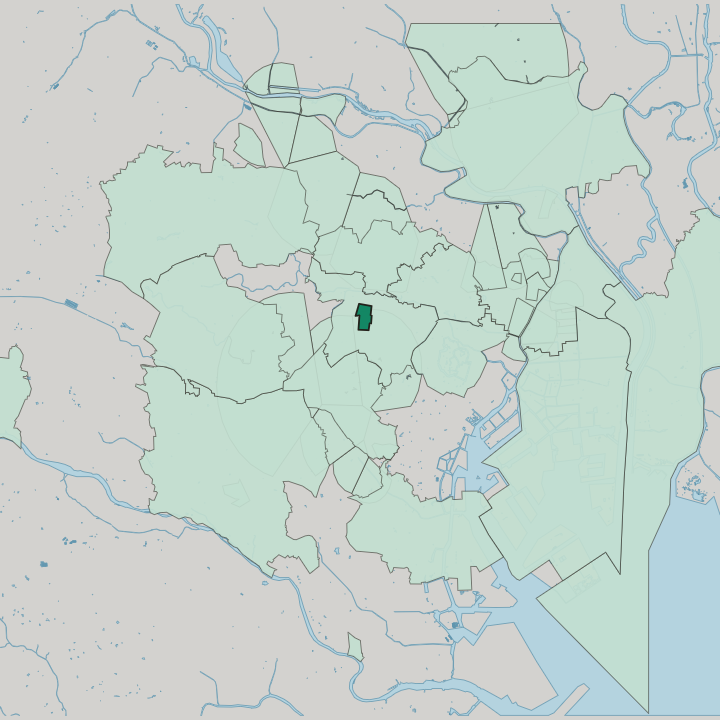
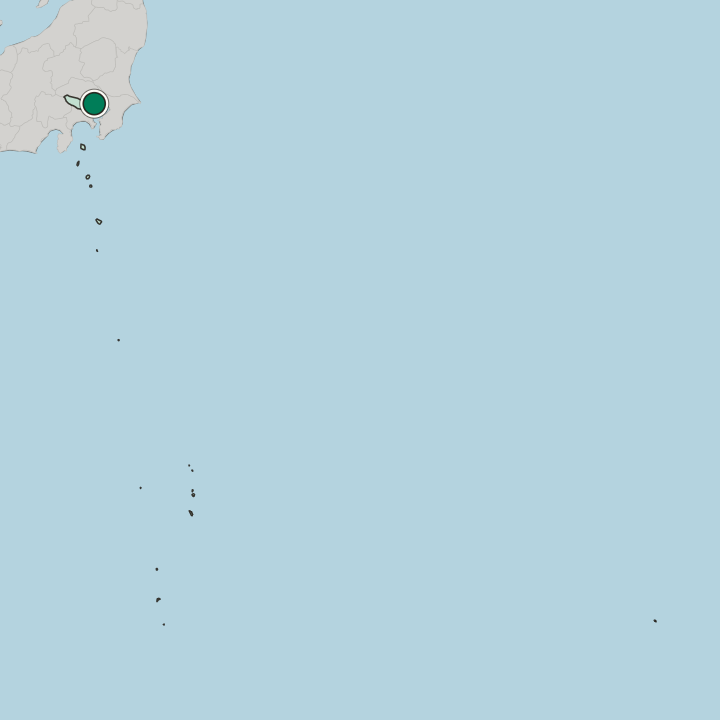
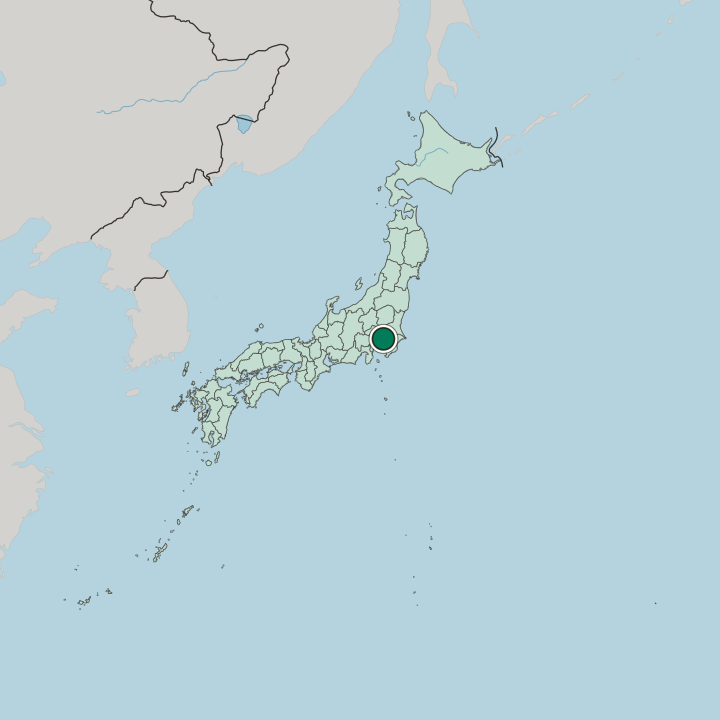
Ōkubo sits inside Shinjuku, one of Tokyo's dense inner wards, with Shin-Ōkubo Station on the Yamanote Line at its middle.
Common questions
What is the best area to stay in Ōkubo?
Shin-Ōkubo Station: Korean food streets and the Yamanote Line loop. Waseda: museum days around the Waseda Aizu Museum. Shinjuku: hotel choice one stop from Shin-Ōkubo Station.
More areas in Tokyo
Updated October 2026