Norway · Innlandet
Where to Stay in Bismo, Innlandet
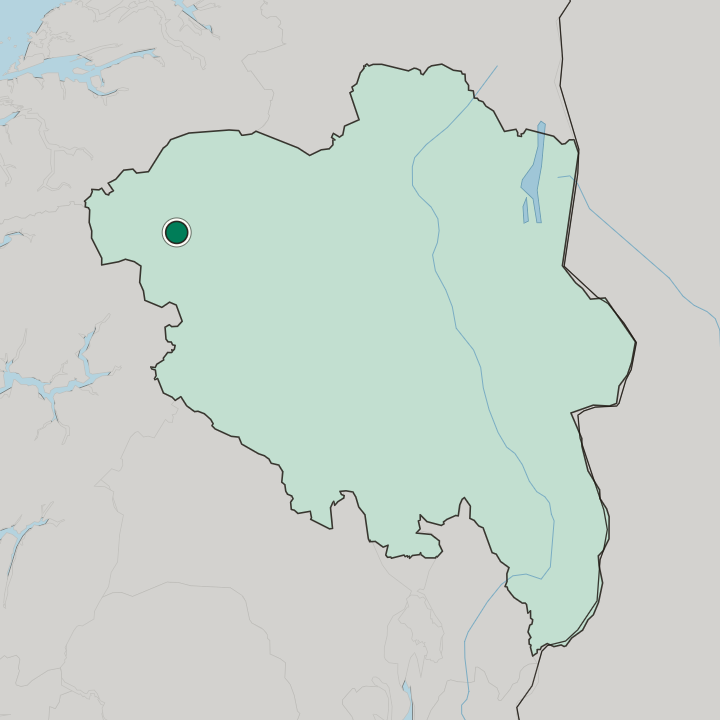
Bismo is the village centre of Skjåk, set in a deep valley in the north-western part of Innlandet.
Hotel links are affiliate links: booking through them may earn us a commission, at no extra cost to you. It never affects how places are ranked. How this works


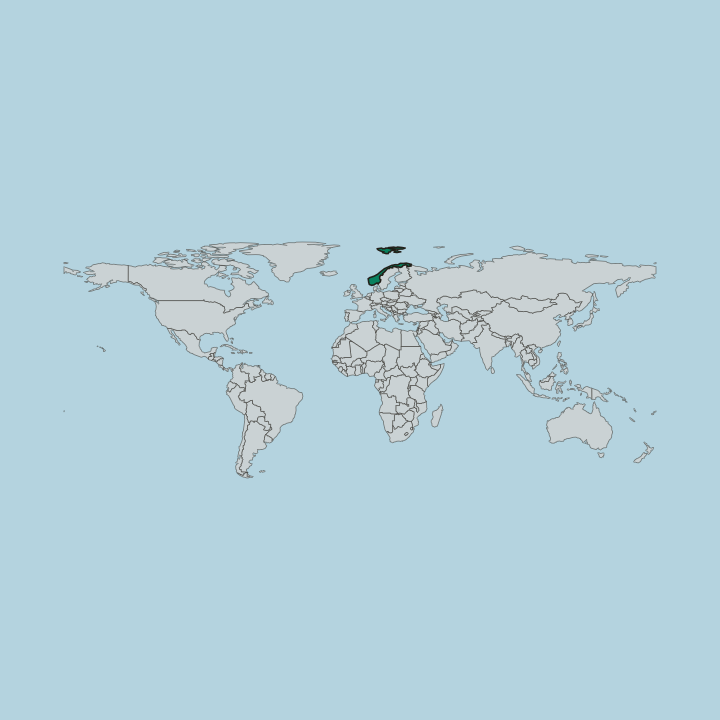
Where to stay in Bismo
Where the beds are, and what that means for the visit.
Most beds in Bismo gather in the village centre near Skjåk kirke, where a handful of guest rooms and small lodgings stand within a short walk of the church, the shops and the road running on up the valley. The centre suits travellers who want the parish church and the valley services on the doorstep before a day among the mountains. For a first visit it is the most convenient base.
Out along the valley road toward Nordberg kirke, farm stays and cabins sit handy for visitors heading for the high country and the long passes west of Skjåk. Rooms there fill in the warm months. Through the wider reaches of Skjåk, scattered holiday cabins and seter huts spread across the uplands of the north-western part of Innlandet, a quieter base for walkers and anglers touring the valley by car.
Stock thins away from the centre. Reserve ahead in summer, when the mountain roads draw visitors to this north-western corner of south-eastern Norway (Østlandet).
Find hotels in Bismo
Direct booking searches for these neighbourhoods.
Bismo village centre by Skjåk kirke
guest rooms beside Skjåk kirke and the upper valley roadFind hotels in Bismo village centre by Skjåk kirkevisitors bound for the high passes west of SkjåkUpper valley toward Nordberg kirke
farm stays and cabins along the road to Nordberg kirke. Lodging is scarce in this area; reserve in advance.Find hotels in Upper valley toward Nordberg kirkewalkers and anglers touring the north-western part of InnlandetSkjåk uplands and seter country
scattered seter huts across the high country of Skjåk. Few places to stay nearby — book ahead.Find hotels in Skjåk uplands and seter countryHotel links are affiliate links: booking through them may earn us a commission, at no extra cost to you. It never affects how places are ranked. How this works
About Bismo
What is Bismo known for?
Bismo is the administrative village of Skjåk, a municipality in the north-western part of Innlandet, in south-eastern Norway (Østlandet). Skjåk kirke stands as the parish church that anchors the centre, while Nordberg kirke serves the farms further up the valley. The valley defines the place.
Travellers know Bismo as a stop on the long mountain road through Skjåk, the last village of any size before the high passes and the wide upland that spreads west and north from this corner of Innlandet.
What are the main landmarks in Bismo?
Skjåk kirke stands at the heart of Bismo. The parish church marks the village centre and gives the valley settlement its fixed point, the chief building of the place. Up the valley the older Nordberg kirke serves the farms of the higher reaches, a wooden church set among the upland fields of Skjåk.
The two churches share the valley. Beyond them the landmarks of Bismo are the river, the steep valley walls and the mountain road that climbs west through the north-western part of Innlandet.
What is the history of Bismo?
Bismo grew as the gathering point of the valley farms of Skjåk. The settlement rose where the valley road met the river crossing and the parish life centred on Skjåk kirke, the church that drew the scattered farms of the upper valley together into a single community in the north-western part of Innlandet. Farming made the valley.
Nordberg kirke served the higher farms above the main settlement, and the two parishes worked the narrow strips of good ground between the river and the steep mountain walls of Skjåk. The valley road changed the village. As the route west over the mountains carried more traffic, Bismo became the service centre and administrative seat of Skjåk, the place where the valley's trade, school and offices gathered.
The old farm community settled into its role as the village centre, and Bismo held its place as the last sizeable stop before the high passes, the meeting point of valley and mountain in this corner of south-eastern Norway (Østlandet).
Where is Bismo?
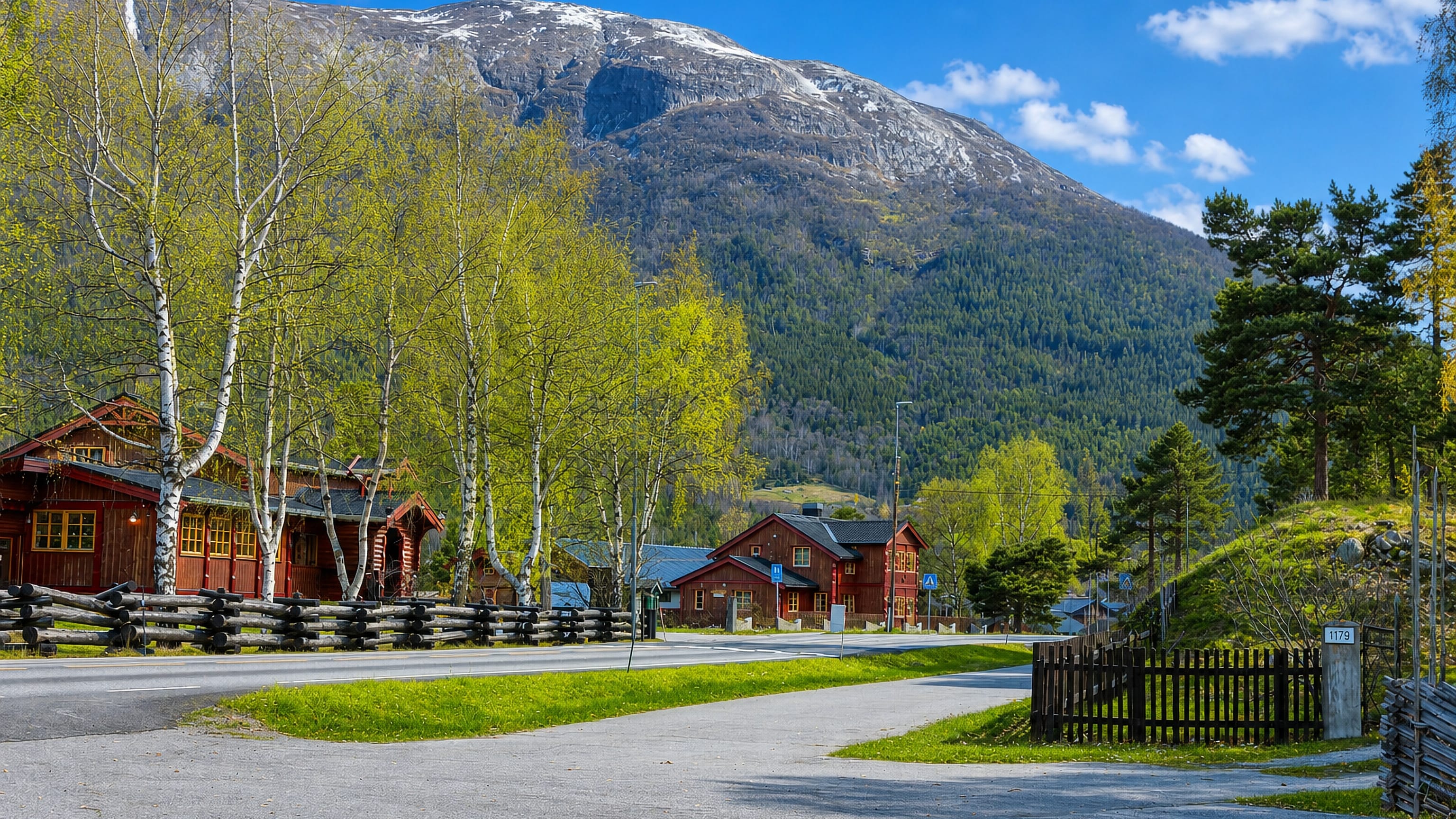
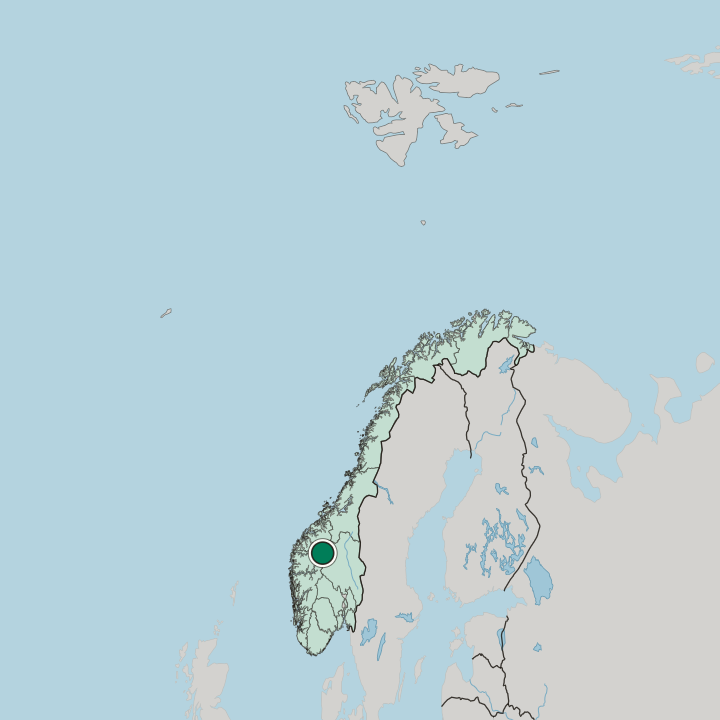
Bismo lies in a deep mountain valley in the north-western part of Innlandet, in south-eastern Norway (Østlandet). The village sits on the valley floor where the river runs between steep walls, the centre gathered around Skjåk kirke and the road that climbs on toward the high passes. Mountains hem the valley.
The wider municipality of Skjåk reaches across the uplands and the high country to the west and north, taking in the scattered farms and the higher parish of Nordberg kirke among the slopes above Bismo.
What is the climate of Bismo?
Bismo has the dry, sharp climate of a high inland valley in Skjåk. Winters run cold and long, with hard frost and lasting snow settling on the valley floor and the surrounding mountains through the dark months in this part of Innlandet. The valley summers come short and bright.
The shelter of the steep valley walls keeps the rain off, so Bismo lies among the driest reaches of south-eastern Norway (Østlandet), and the long northern daylight warms the floor of the valley while snow lingers high on the peaks above.
How do you get to Bismo?
Bismo sits on the mountain road that runs west through the valley of Skjåk. Buses and cars reach the village along the route that climbs toward the high passes, and the centre lies a short walk from Skjåk kirke and the valley shops. Most arrive by the valley road.
The road carries the traffic of the valley on up past Nordberg kirke toward the uplands and the western mountains, while the wider towns of Innlandet handle the rail and longer journeys of travellers reaching this corner of south-eastern Norway (Østlandet).
Common questions
What is the best area to stay in Bismo?
Bismo village centre by Skjåk kirke: travellers wanting the parish church and valley shops on foot. Upper valley toward Nordberg kirke: visitors bound for the high passes west of Skjåk. Skjåk uplands and seter country: walkers and anglers touring the north-western part of Innlandet.
Good for
More cities in Innlandet
Updated September 2026