Norway · Innlandet
Where to Stay in Otta, Innlandet
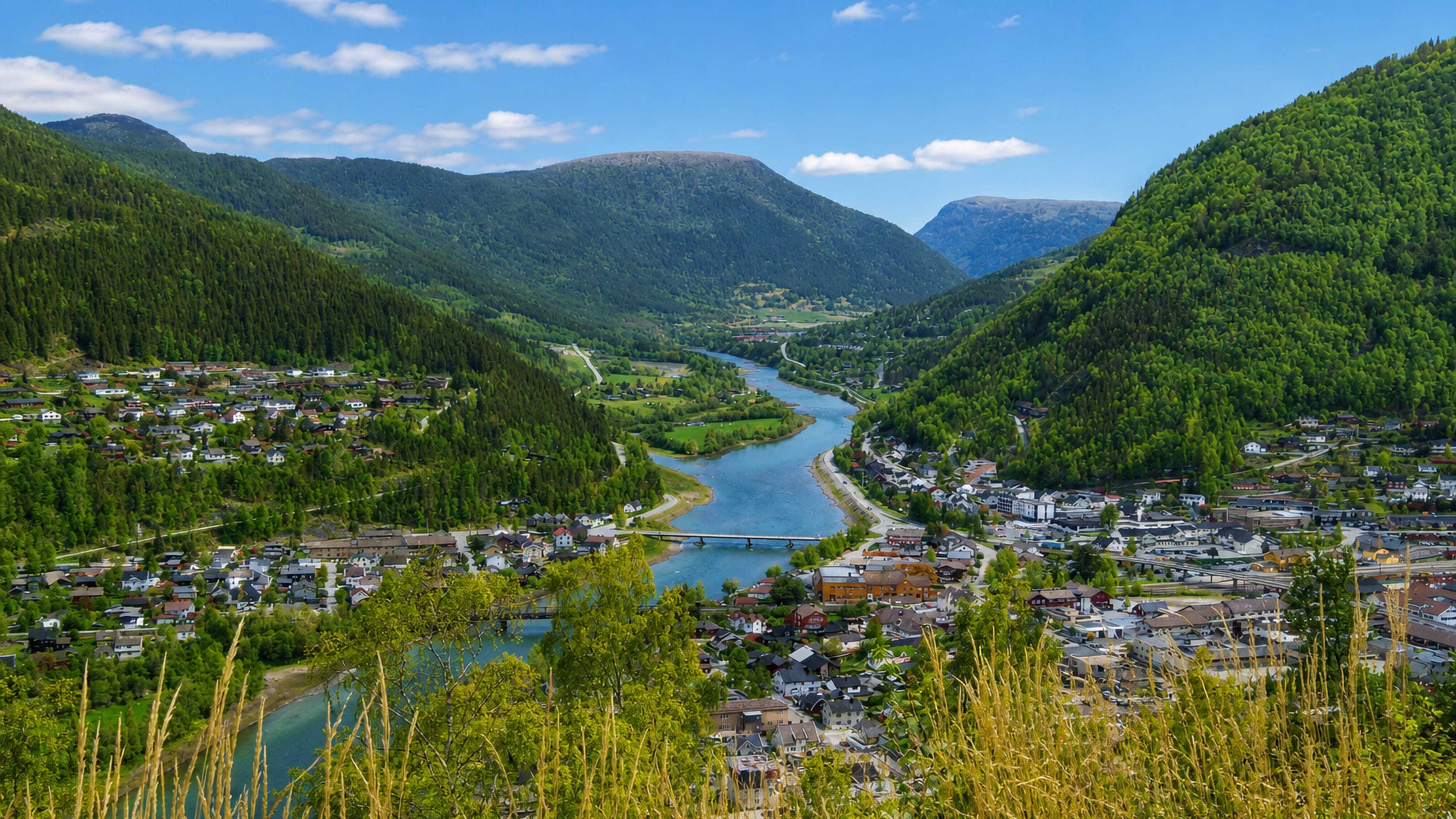
Otta is the centre of Sel municipality in the north-western part of Innlandet, gathering the mountain villages of the district.
Hotel links are affiliate links: booking through them may earn us a commission, at no extra cost to you. It never affects how places are ranked. How this works


Where to stay in Otta
Where visitors usually base themselves, and why.
Most visitors stay in or near the centre of Otta, where hotels and guest rooms gather around the shops and services of the village that anchors Sel municipality. The centre suits travellers who want a base among the mountains of north-western Innlandet, an easy reach of the parishes and churches scattered across the district. It makes a useful stop.
Beds here fill across the warmer weeks when walkers and travellers pass through the high country of Sel, so booking ahead in the summer season is wise. Beyond the village, lodgings spread through the upland valleys. Cabins, farm stays, and self-catering rooms stand around Heidal and Nord-Sel, set among the mountain farms and the old parish churches of the wider municipality.
Some prefer the higher ground. Travellers drawn to the heritage of the district take rooms out near Sel kirke and Bjølstad kapell, a short drive from Otta and well placed for exploring the scattered settlements of the high north-western reach of Innlandet.
Find hotels in Otta
Direct booking searches for these neighbourhoods.
Otta centre
hotels around the services of the place that anchors Sel municipalityFind hotels in Otta centrewalkers after upland mountain quietHeidal and Nord-Sel valleys
cabins and farm stays among the high farms and parish churches. Beds are limited here, so book early.Find hotels in Heidal and Nord-Sel valleysvisitors drawn to the district's heritageNear Sel kirke and Bjølstad kapell
rooms by the old church and chapel of the Heidal district. Few places to stay nearby — book ahead.Find hotels in Near Sel kirke and Bjølstad kapellHotel links are affiliate links: booking through them may earn us a commission, at no extra cost to you. It never affects how places are ranked. How this works
About Otta
What is Otta known for?
Otta is known as the hub of Sel municipality in the mountains of north-western Innlandet. The village serves as the meeting point and administrative centre for the scattered settlements of the district, from Heidal to Nord-Sel, gathering the trade and services of a wide upland country. Churches mark the parishes.
Sel kirke, Heidal kirke, and Nord-Sel kirke stand among the farms across the municipality, while Otta itself ties the high valleys of this northern reach of Innlandet together.
What are the main landmarks in Otta?
Sel kirke stands among the oldest churches of the district, a protected building serving the parish around Otta. The mountains hold more. Heidal kirke and Nord-Sel kirke rise in the upland valleys of the municipality, while Bjølstad kapell, the small chapel in the Heidal district, keeps the heritage of the high farming country, the four together marking the parishes that the village of Otta gathers across this north-western corner of Innlandet.
What is the history of Otta?
Otta grew as the meeting place of the high valleys of Sel. The old churches of the district point to long settlement here, with Sel kirke and the chapel at Bjølstad in the Heidal district marking the farming parishes that spread across the mountains long before the modern centre took shape. Farming and trade filled the early years.
The scattered upland farms looked to the village as their common ground. The modern Otta rose as the hub of the municipality. As roads and traffic gathered at the village, it became the administrative and trading centre of Sel, drawing the trade of Heidal, Nord-Sel, and the other settlements of the high north-western country of Innlandet.
The parishes kept their old churches. Heidal kirke, Nord-Sel kirke, and Sel kirke still stand among the mountain farms, tying the modern centre at Otta to the older settlement that first filled these upland valleys.
Where is Otta?
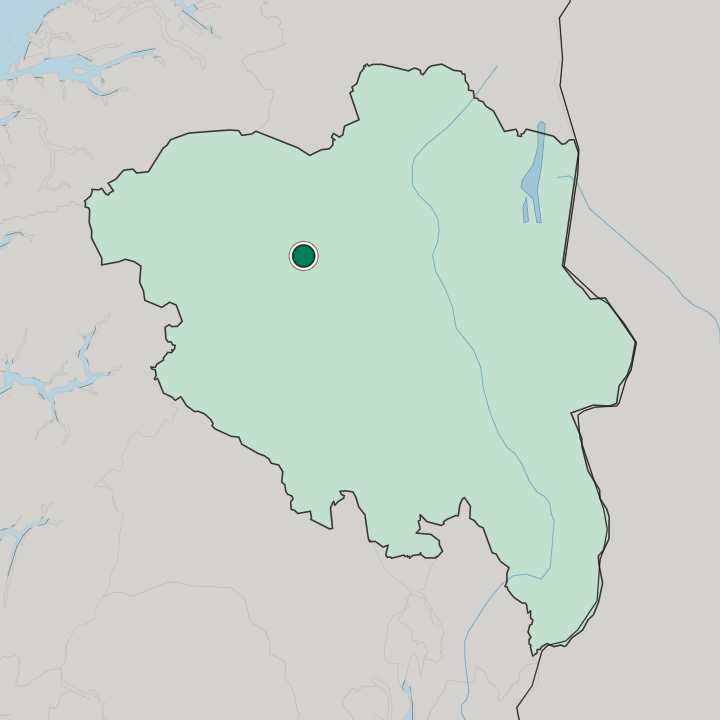
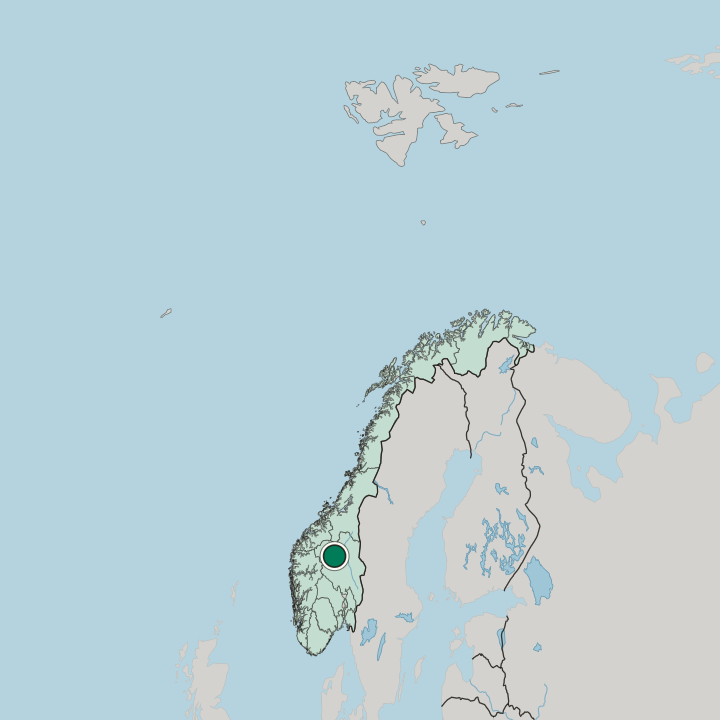
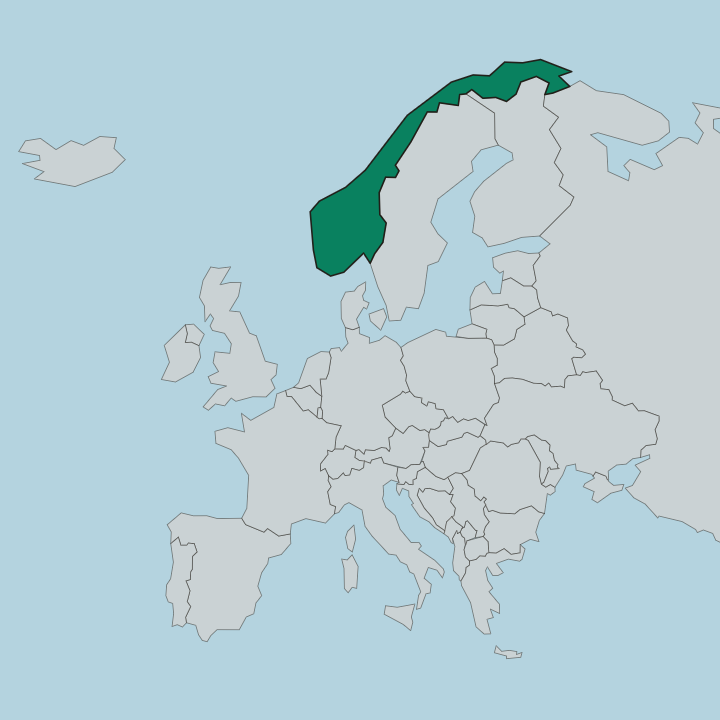
Otta lies in the north-western part of Innlandet, in south-eastern Norway (Østlandet), set among the mountains and high valleys of Sel municipality. The village sits where the upland valleys meet, ringed by forested ridges and the open mountain farms of Heidal and Nord-Sel that spread up the slopes around it. High country rises on every side.
The wide municipality of Sel reaches far into the mountains, the scattered parishes and their churches threading the long valleys of this northern reach of Innlandet.
What is the climate of Otta?
Otta has a cold continental mountain climate shaped by its high inland setting in Sel. Winters are long and cold, with deep snow lying over the upland farms and the parish churches of the district through the dark months of the northern year. Snow holds the high valleys for months.
Summers turn short and mild around Otta, the long northern daylight stretching the evenings late near midsummer, the green season for walking the mountains and valleys of this north-western corner of Innlandet.
How do you get to Otta?
Otta lies on the main routes through the mountains of north-western Innlandet, reached by road and rail. The railway and main valley road pass through the village, making it the gateway stop for the high settlements of Sel and a junction for travellers heading on into Heidal and the upland parishes. Trains stop at the centre.
Most visitors arrive by rail or car across the long mountain valleys of Innlandet, the way climbing through forest and high farm country to reach the village that anchors the district.
Common questions
What is the best area to stay in Otta?
Otta centre: travellers wanting the village hub and its shops. Heidal and Nord-Sel valleys: walkers after upland mountain quiet. Near Sel kirke and Bjølstad kapell: visitors drawn to the district's heritage.
Good for
More cities in Innlandet
Updated September 2026