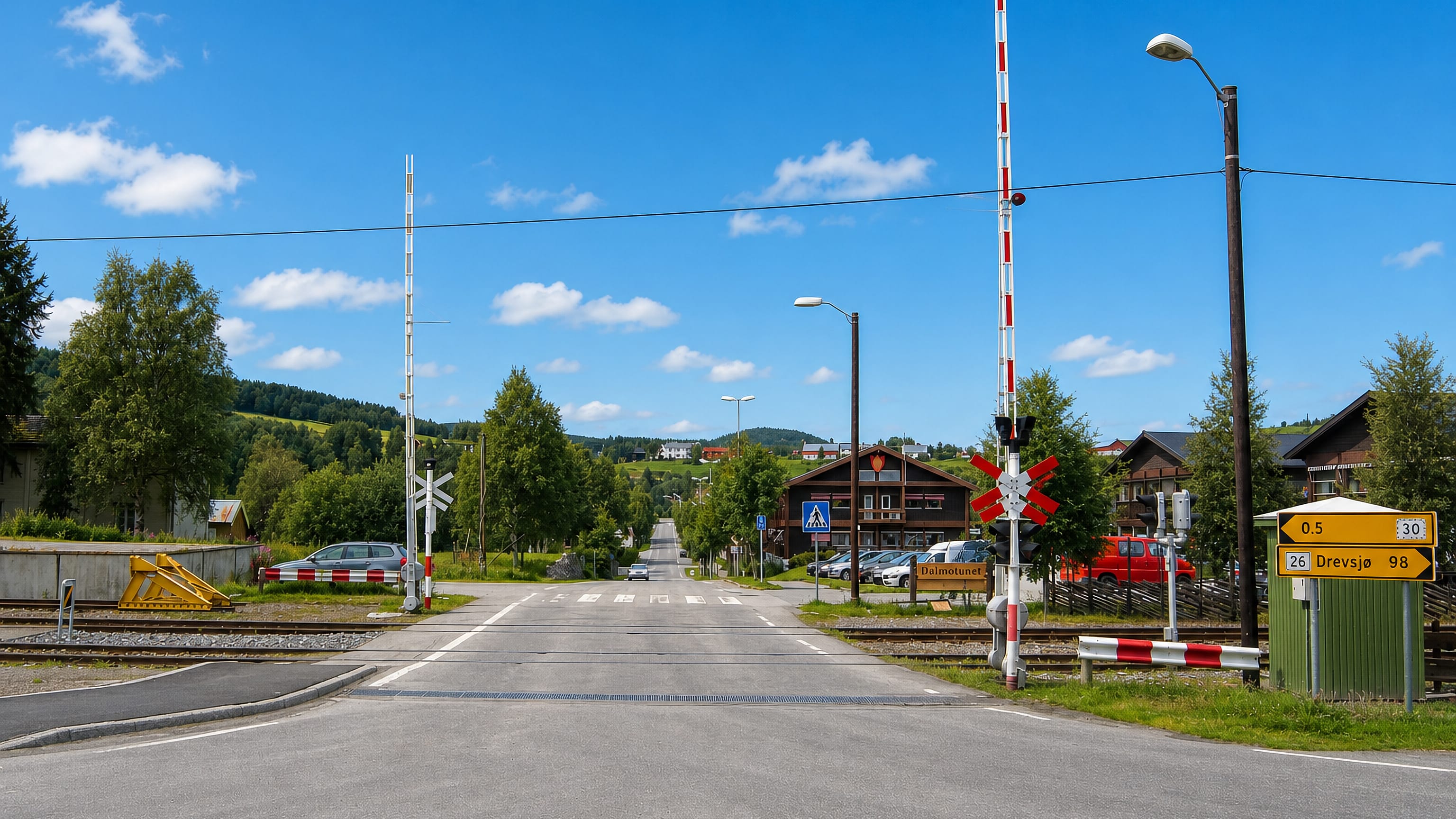
Norway · Innlandet
Where to Stay in Tolga, Innlandet
Tolga is an upland municipality in northern Innlandet, in south-eastern Norway, centred on Tolga kirke.
Hotel links are affiliate links: booking through them may earn us a commission, at no extra cost to you. It never affects how places are ranked. How this works


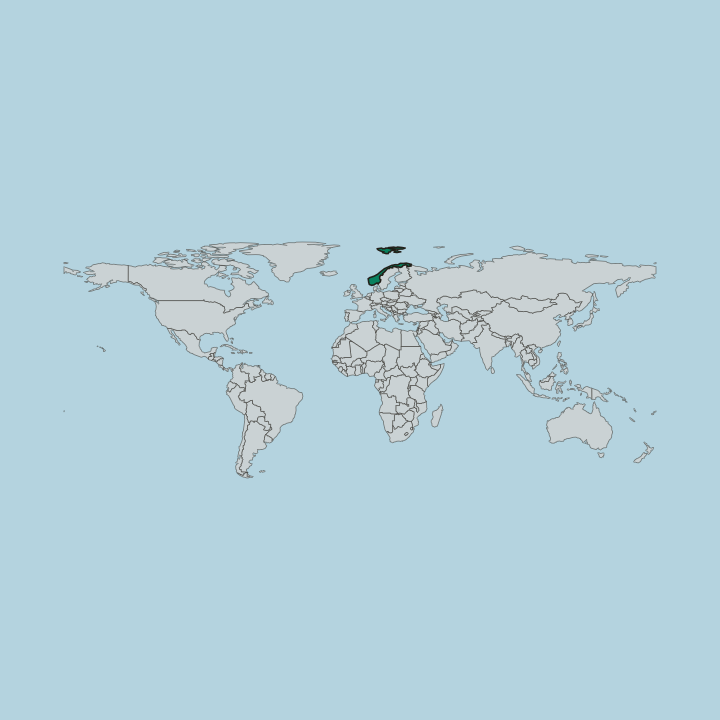
Where to stay in Tolga
Where the beds are, and what that means for the visit.
Rooms are sparse across Tolga. What rooms there are gather in the village centre near Tolga kirke, where a guesthouse or roadside room sits within reach of the church and the local shops, the practical base for anyone passing through this upland corner of Innlandet. Base yourself by Tolga kirke.
Out across the wider municipality, farm rooms and mountain cabins spread among the high farms near Hodalen kirke and the old parish of Vingelen kirke, a quieter footing for travellers touring the uplands by car. Stock thins fast in the hills. Many visitors who want a fuller choice of hotels base themselves in a larger town of Innlandet and reach Tolga on a day's drive up the valley.
Book ahead in the warm months, when the long northern daylight draws walkers and anglers to this high part of south-eastern Norway.
Find hotels in Tolga
Direct booking searches for these neighbourhoods.
Village centre by Tolga kirke
the few guest rooms cluster by Tolga kirke in the heart of the village. Rooms are few around here — worth securing early.Find hotels in Village centre by Tolga kirkedrivers touring the old upland parishes of the districtHigh farms around Hodalen and Vingelen
mountain cabins and farm stays near Hodalen kirke and Vingelen kirke. Rooms are few around here — worth securing early.Find hotels in High farms around Hodalen and VingelenHotel links are affiliate links: booking through them may earn us a commission, at no extra cost to you. It never affects how places are ranked. How this works
Things to do in Tolga
Ranked by global recognition; descriptions from Wikidata (CC0).
Museums & Galleries
2- Vingelen kirke- og skolemuseum church and school museum
- Eggenstua historical farmhouse and museum in Bardu
Churches & Religious Sites
3- Tolga Church Heritage
- Vingelen Church Heritage
- Hodalen Church Heritage
worth knowingacross 2 categories in Tolga
About Tolga
Tolga is high farm country.
What is Tolga known for?
The municipality lies in the northern part of Innlandet, an upland district of farms and forest near the head of the inland valleys, with Tolga kirke marking the heart of the village. Three churches serve the parish. Hodalen kirke and Vingelen kirke stand in their own corners of the district, and the Vingelen kirke- og skolemuseum keeps the local story, the high farms and the churches together giving this far stretch of south-eastern Norway its place in the Østlandet region.
What are the main landmarks in Tolga?
Tolga kirke is the landmark of the village. The church stands at the heart of the settlement and gives the upland community its fixed point, the building most closely tied to the centre of Tolga. The parish holds older churches too.
Hodalen kirke and Vingelen kirke stand among the high farms of their own corners of the district, while the Vingelen kirke- og skolemuseum keeps the story of the old parish and its school alive for visitors to this far reach of Innlandet.
What is the history of Tolga?
Tolga grew as an upland farm and forest settlement near the head of the inland valleys. People here worked the high clearings and the mountain pastures, gathering around Tolga kirke as the church and the centre of the scattered parish, while Hodalen kirke and Vingelen kirke served their own corners of the district among the high farms. Field and forest shaped the place.
The old school at Vingelen, now kept as the Vingelen kirke- og skolemuseum, taught the children of a community that lived by farming and forestry in this far reach of the Østlandet region. The pattern held into modern times. Tolga became a municipality of Innlandet, the administrative unit covering the spread of high farms, forest and mountain in the northern part of the county, and the churches kept their place at the centre through every change of boundary.
Tolga kirke stayed the fixed point of the village, and the parish kept the look of an upland community that grew slowly from the land of south-eastern Norway rather than rising on any single founding event.
Where is Tolga?
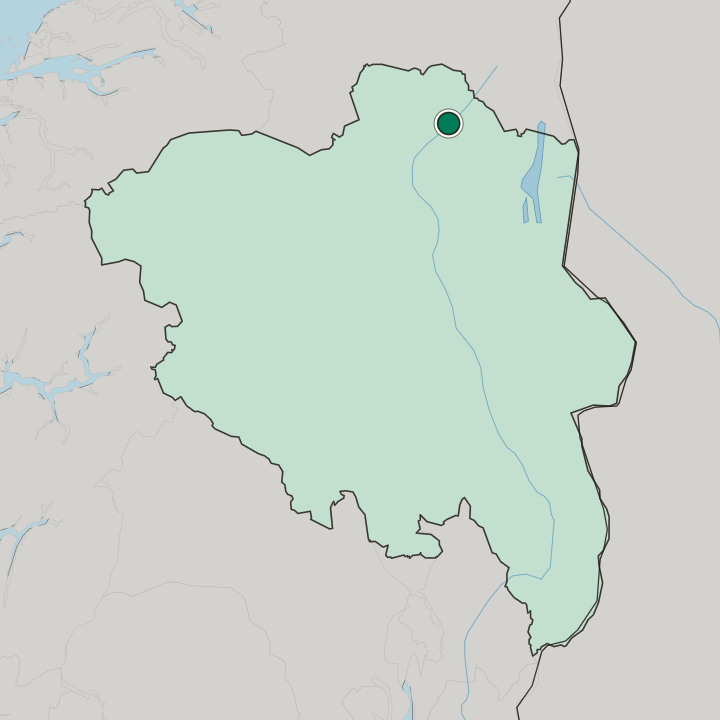
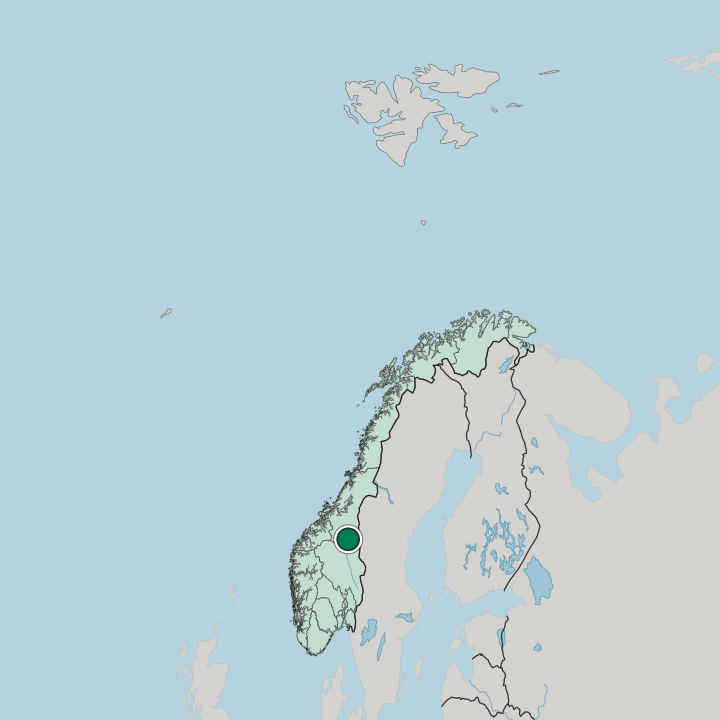
Tolga lies in the northern part of Innlandet, in south-eastern Norway. The municipality is upland country near the head of the inland valleys, a spread of high farms, forest and mountain around the village and Tolga kirke, with the open hills rising on every side. The uplands frame the whole place.
Hodalen kirke and Vingelen kirke stand in their own corners of the district, while the rest of Tolga carries the high pastures, woods and scattered farms that give this far part of Innlandet its mountain, inland character above the lower valleys.
What is the climate of Tolga?
Tolga has a cold, dry upland climate near the head of the inland valleys. Winters run long and hard, with deep frost and lasting snow lying over the high farms and forest around Tolga kirke through much of the season, far from any softening coast. The warm months stay brief.
This high inland position in northern Innlandet gives the district some of the sharpest seasonal swings of south-eastern Norway, while the long northern daylight of the warm months opens the uplands around Vingelen kirke to walkers and anglers.
How do you get to Tolga?
Tolga is reached overwhelmingly by road. The municipality sits high in the northern country of Innlandet, reached on the valley roads that climb toward the head of the inland dales, with Tolga kirke and the village centre a short way off the main route. A car is the practical way in.
The wider region of Innlandet carries the rail and air links that serve the larger towns, from which the roads climb out past the high parishes of Hodalen kirke and Vingelen kirke to this upland part of south-eastern Norway.
Common questions
What is the best area to stay in Tolga?
Village centre by Tolga kirke: passers-through wanting Tolga kirke and the village shops at hand. High farms around Hodalen and Vingelen: drivers touring the old upland parishes of the district.
Good for
More cities in Innlandet
Updated October 2026